#octa
#octa
[ follow ]
fromArchDaily
4 days agoWhy Do We Want to Float? The Psychology of Lightness in Architecture
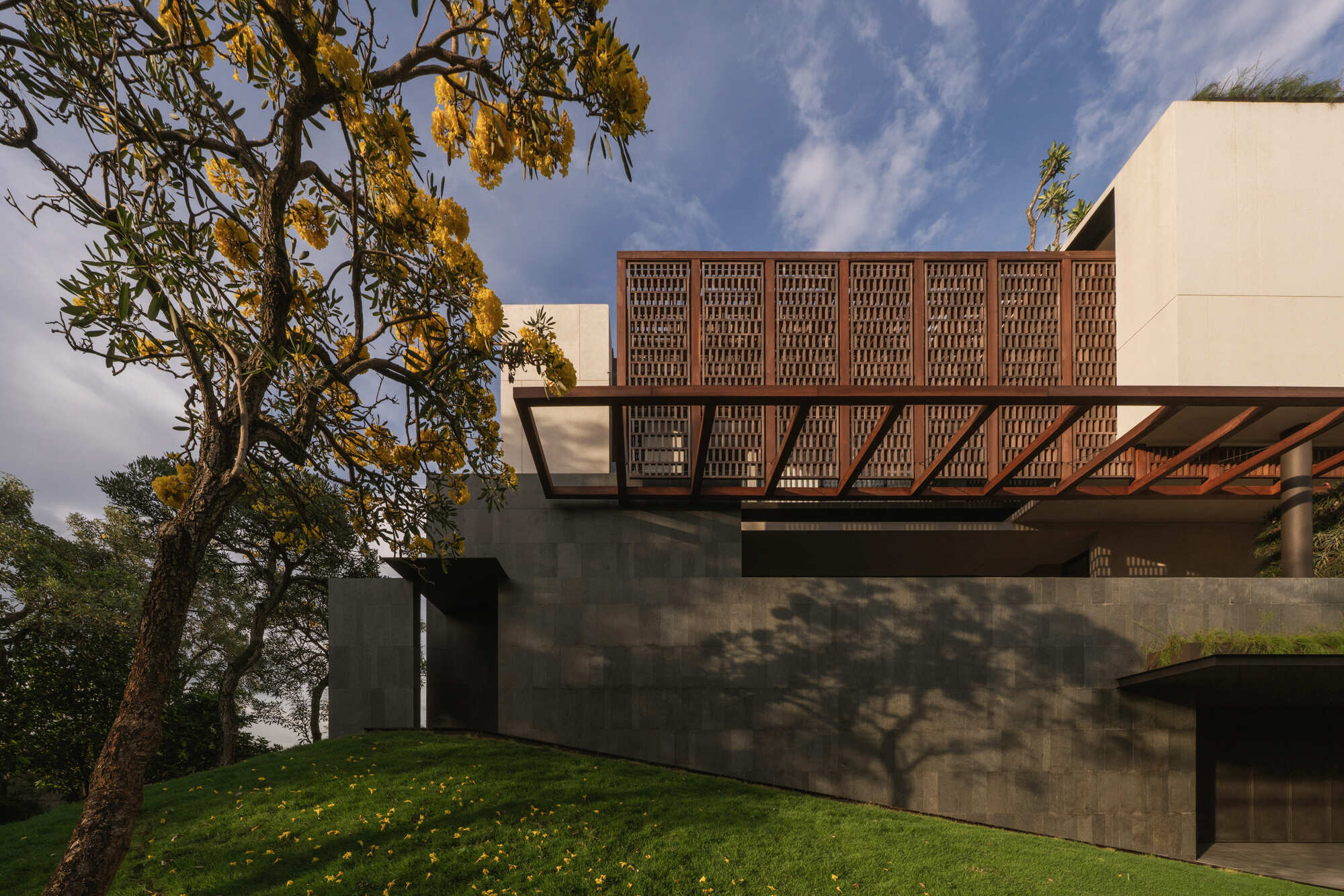
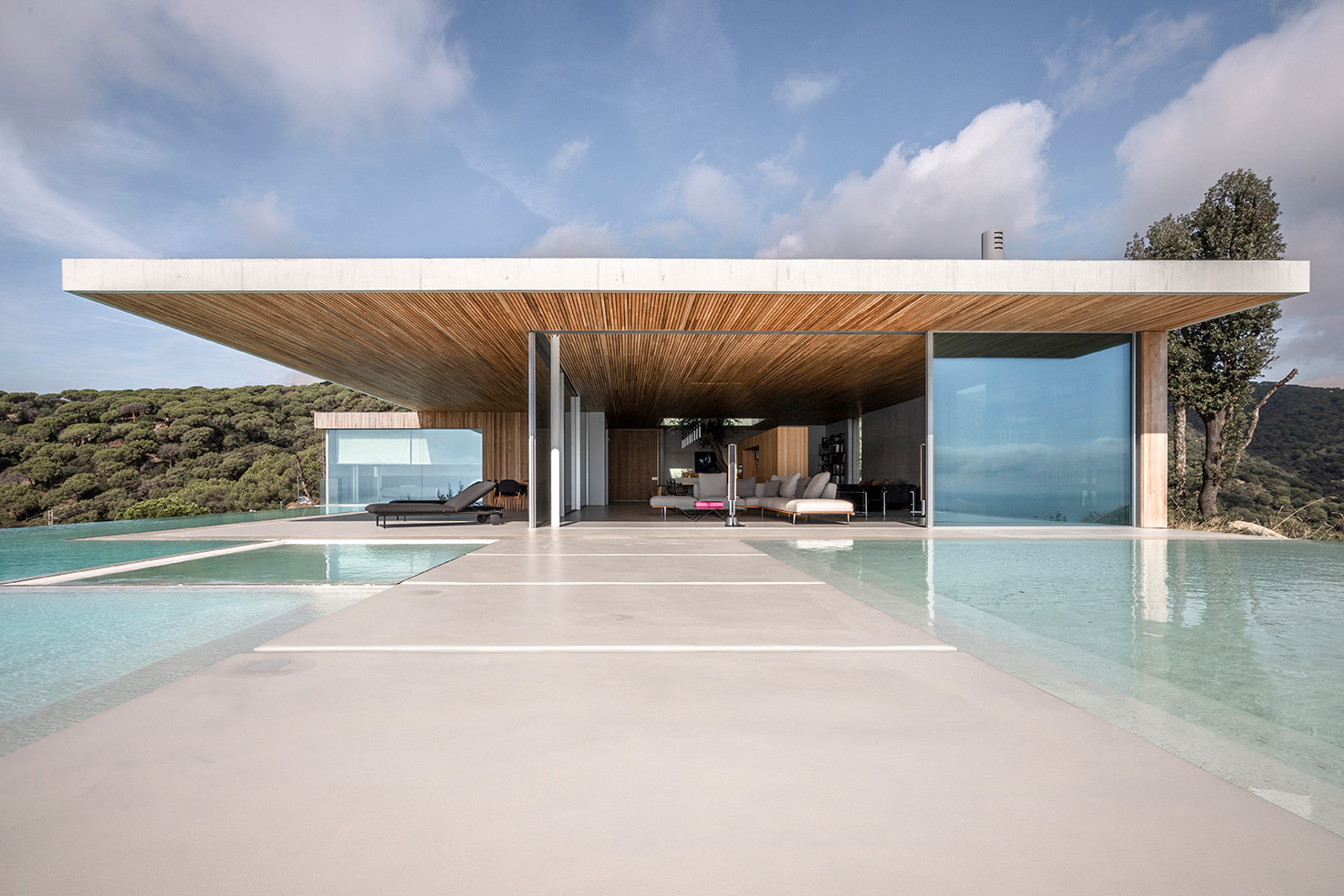
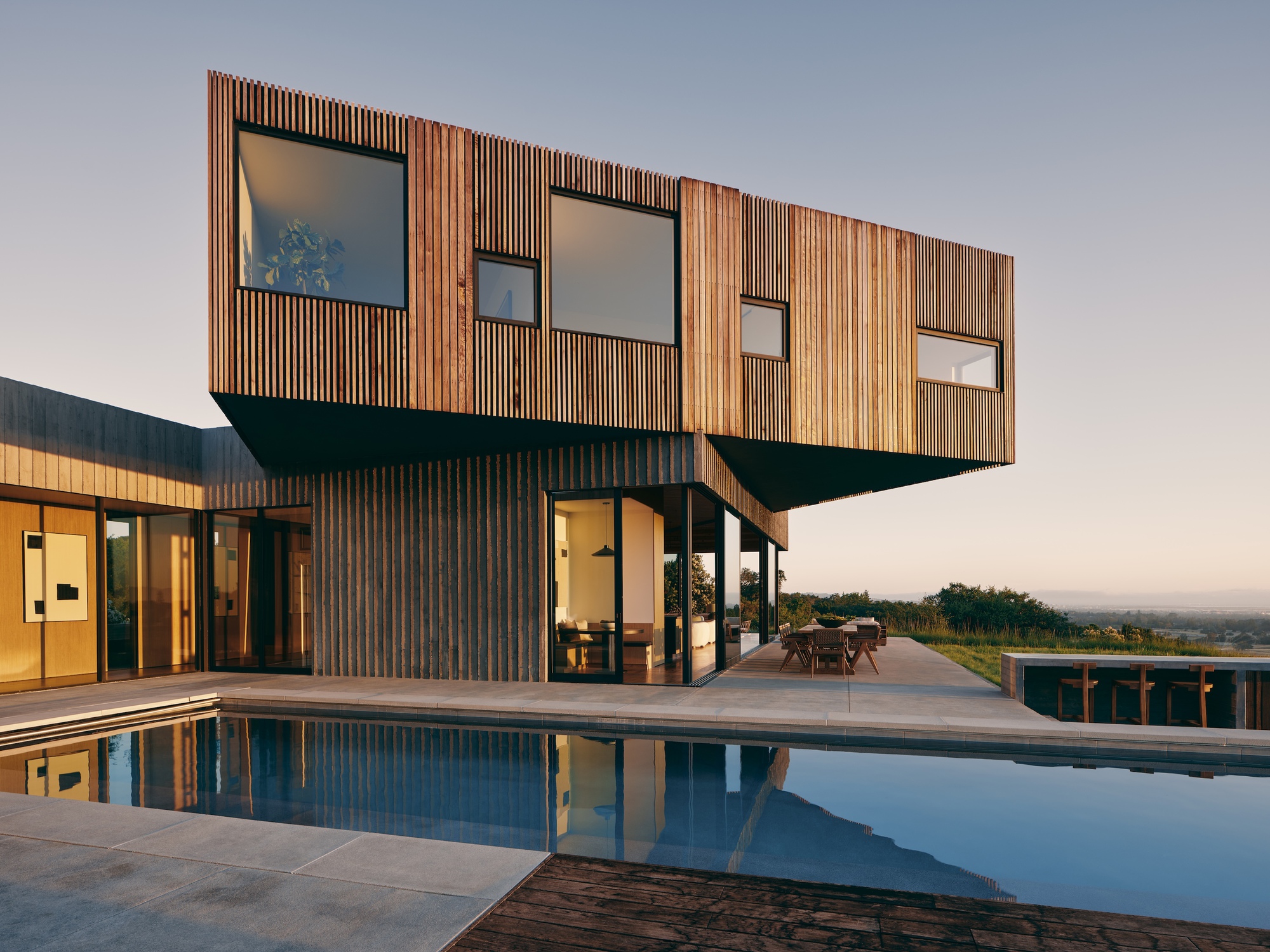
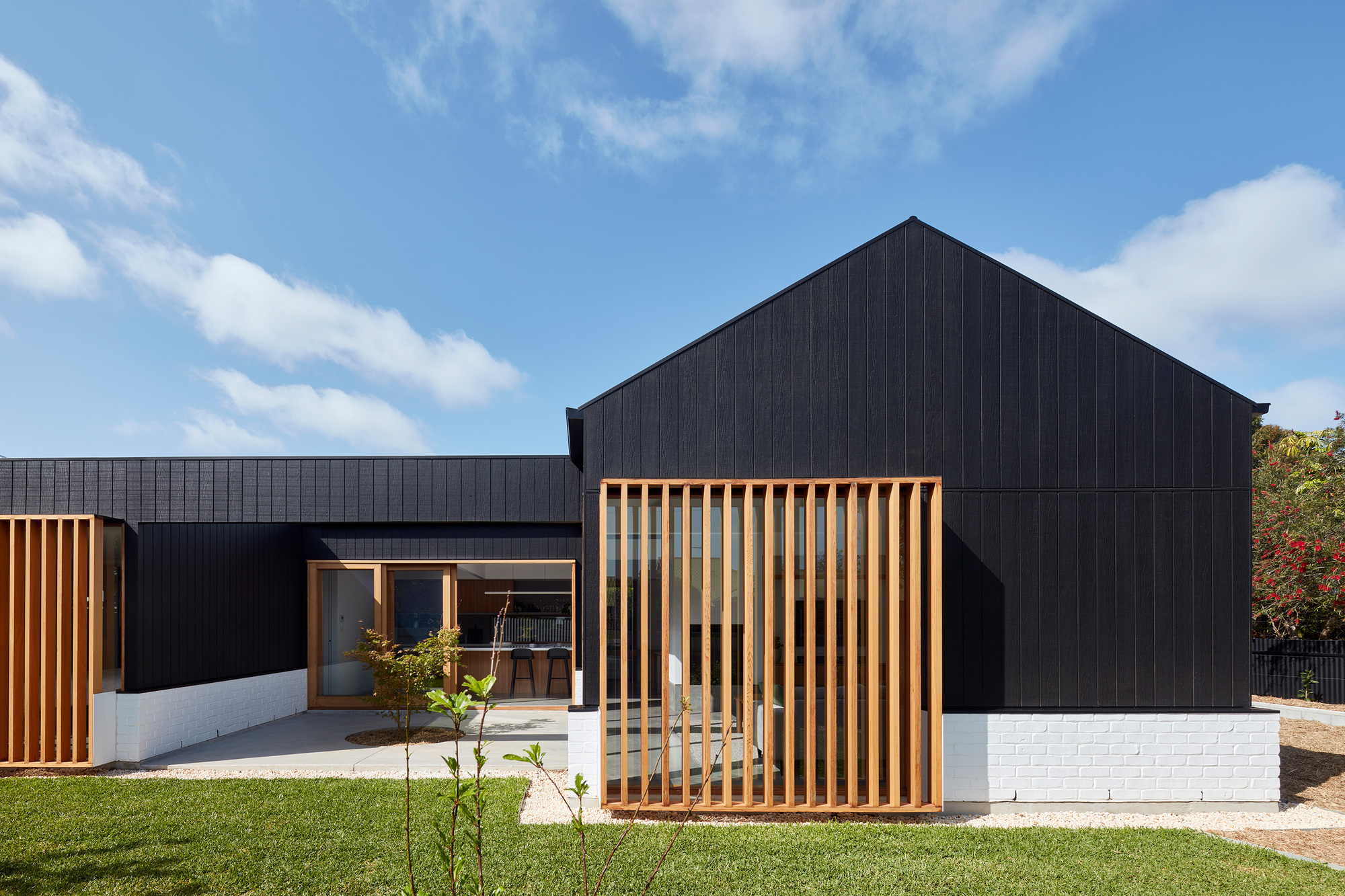
In 1962, the architect Buckminster Fuller envisioned a floating city that would free humanity from its dependence on the Earth. The speculative project consisted of enormous geodesic spheres that would naturally levitate in air warmed by the sun and be anchored to mountaintops.
Design
fromArchDaily
4 weeks agoArchitectures of the Gaze: 25 Viewpoints for Experiencing the Landscape
Viewpoints are structures designed for observing the landscape from elevated positions. They act as devices that organize the gaze and establish a direct relationship between the body and the territory.
Philosophy
fromThe Architect Elevator
2 months agoThe Mighty Metaphor
The Architect Elevator is a metaphor-in reality, the company leadership may be sitting on the same building floor as you; my car metaphors could fill an entire book; and " Architecture is Selling Options " has become the anchor of many architecture keynotes. So, at least my world of architecture is full of metaphors.
Software development
Education
fromArchDaily
2 months agoBeyond the Classroom: Six Unbuilt Projects Rethinking Educational Architecture
Educational architecture imagines adaptive, landscape-integrated learning environments that respond to changing social, ecological, and pedagogical values across diverse unbuilt proposals.
fromFast Company
2 months agoWhy urban planners should strive for 'the photo album standard'
My family had Slide Show Night when I was growing up. Not every Saturday, but a whole bunch of Saturdays. Either my sister or I would be in charge of setting up the projector, the screen, and loading the carousel. During the show, there'd be a few landscapes or skylines taken during vacations, but almost all the shots were up close. Like most dads, mine wasn't a professional photographer, but he did a good job of capturing memory triggers: faces, gestures, and decorations.
Photography
fromArchDaily
1 month agoDrawn by Hand: Geometral's Site-Specific Architecture
Géométral is an architectural practice defined by design strategies that are linked to the landscape, which it treats as a primary determinant of form. The studio approaches each project as a small universe that combines program, atmosphere, and spatial narratives. Rather than a single signature style, they focus on crafting moods and situations tailored to each context and user.
Paris food
fromArchDaily
1 month agoSpaces That Feel Back: How Buildings Respond to Human Behavior
Decades of research in environmental psychology and building science reveal that indoor conditions can profoundly affect human health and behavior. Lighting influences circadian rhythms and sleep patterns. Air quality impacts cognitive performance and respiratory health. Temperature and acoustics shape comfort and concentration.
Renovation
Design
fromwww.archdaily.com
1 month agoArchitecture as a Platform: What Makes a Building Evolve?
Architecture increasingly adopts product design principles, prioritizing operational clarity, performance, and scalability over novelty, making buildings accountable for functionality and consistent user experience.
fromwww.archdaily.com
2 months agoUni Center / G/O Architecture
tqtq studio + 46 More SpecsLess Specs tqtq studio Text description provided by the architects. UNI-CENTER project renovates Hanyang University's existing Student Union, located along the main pedestrian axis connecting the subway station, the main building, and the welfare center, into a welfare-centered, multi-functional community hub for students. The design goes beyond simple functional enhancementit restores the building's sense of place and redefines it as a central node within the campus circulation network.
Renovation
fromInfoQ
1 month ago[Video Podcast] AI Autonomy Is Redefining Architecture: Boundaries Now Matter Most
Earlier we did episode one of this with Grady Booch where we discussed the principled view of that what's changing and what remains unchanged, what is hyped and what is actually naturally coming with the AI changes. We also spoke about that what is the difference between the design and the architecture and what teams are focusing and what they might be missing.
Design
fromArchDaily
2 months agoA Schematic Design Laboratory for Architectural Exploration
For many architects, schematic design is defined by a familiar tension. It is the phase of open-ended exploration-where multiple ideas are tested, challenged, and refined for clients to define a project's direction. In essence, it's where the design magic happens. The challenge is rarely a lack of ideas, but the effort required to test and evaluate those ideas properly under time-, resource-, and budget constraints.
Design
Design
fromYanko Design - Modern Industrial Design News
1 month ago5 Floating Designs That Look Like Photoshop (But They're Real) - Yanko Design
Floating design lifts architectural elements from the ground to create visual lightness, spatial clarity, and refined interventions that balance engineering precision with aesthetic intent.
Design
fromdesignboom | architecture & design magazine
2 months agowith a zigzagging floorplan, PL.architekci's 'S house' weaves through a polish forest
S House is a low S-shaped pavilion that threads between mature trees, using glazed corridors and an accordion roof to preserve and celebrate the forested site.
Design
fromFast Company
2 months agoTop architects on the biggest challenges they'll face in 2026
Architects must prioritize collaboration, community-centered design, faster delivery without quality loss, clear high-performance standards, streamlined approvals, and AI-enabled workflows to address housing and infrastructure crises.
fromdesignboom | architecture & design magazine
2 months agopatterned tiles extend from curved walls to furniture in layered retail exhibition booth
Accessible from three sides, the booth is shaped by approach and visibility rather than a single frontal orientation. The primary entry is marked by an angled portal set back from the site edge, establishing a layered visual field rather than an immediate overview. From this offset threshold, overlapping planes of tiles, textures, and color unfold gradually, encouraging movement through depth rather than direct access.
Design
[ Load more ]