"For many architects, schematic design is defined by a familiar tension. It is the phase of open-ended exploration-where multiple ideas are tested, challenged, and refined for clients to define a project's direction. In essence, it's where the design magic happens. The challenge is rarely a lack of ideas, but the effort required to test and evaluate those ideas properly under time-, resource-, and budget constraints."
"Many tools used at this stage either remain too abstract to support architectural intent, specialize in modelling intricate geometry, or are built for later design phases when more detail needs to be locked in. For small and mid-sized practices in particular, the time required to test alternatives can threaten the financial viability of early design work. Teams risk being forced to commit to a design direction without full confidence, increasing the likelihood of revisions later at a cost to the schedule, budget, and project momentum."
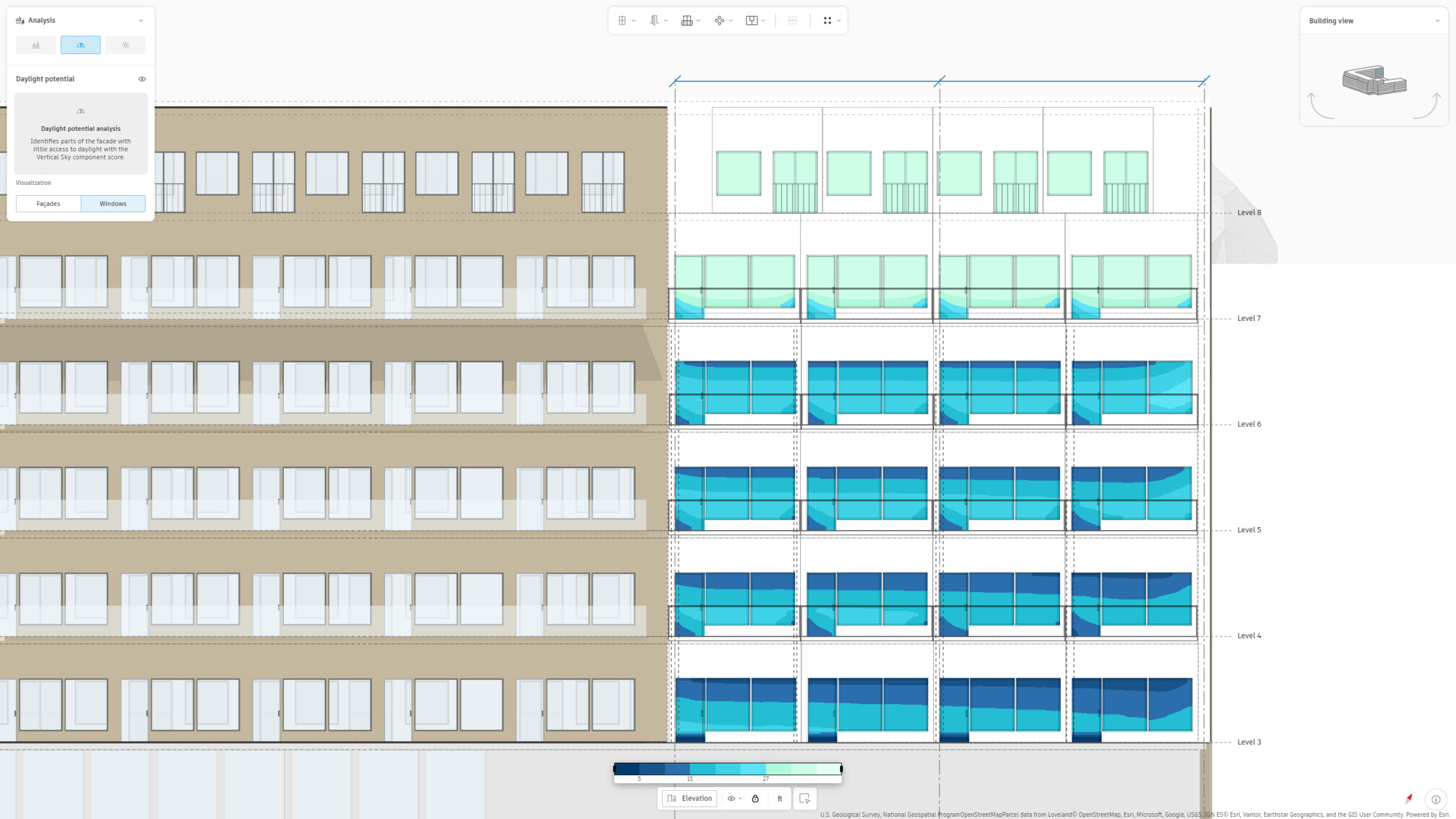
Schematic design is a phase of open-ended exploration where multiple ideas are tested, challenged, and refined to define a project's direction. Architects face time, resource, and budget constraints that make thorough testing of ideas difficult, risking premature commitments and later revisions. Many existing tools are either too abstract, focused on complex geometry, or intended for later design phases, limiting their usefulness for early iteration. Small and mid-sized practices are particularly vulnerable to the cost of testing alternatives. Architects need tools that let them move fluidly between massing, plan, and façade scales to evaluate daylight, density, and courtyard proportions with precision.
Read at ArchDaily
Unable to calculate read time
Collection
[
|
...
]