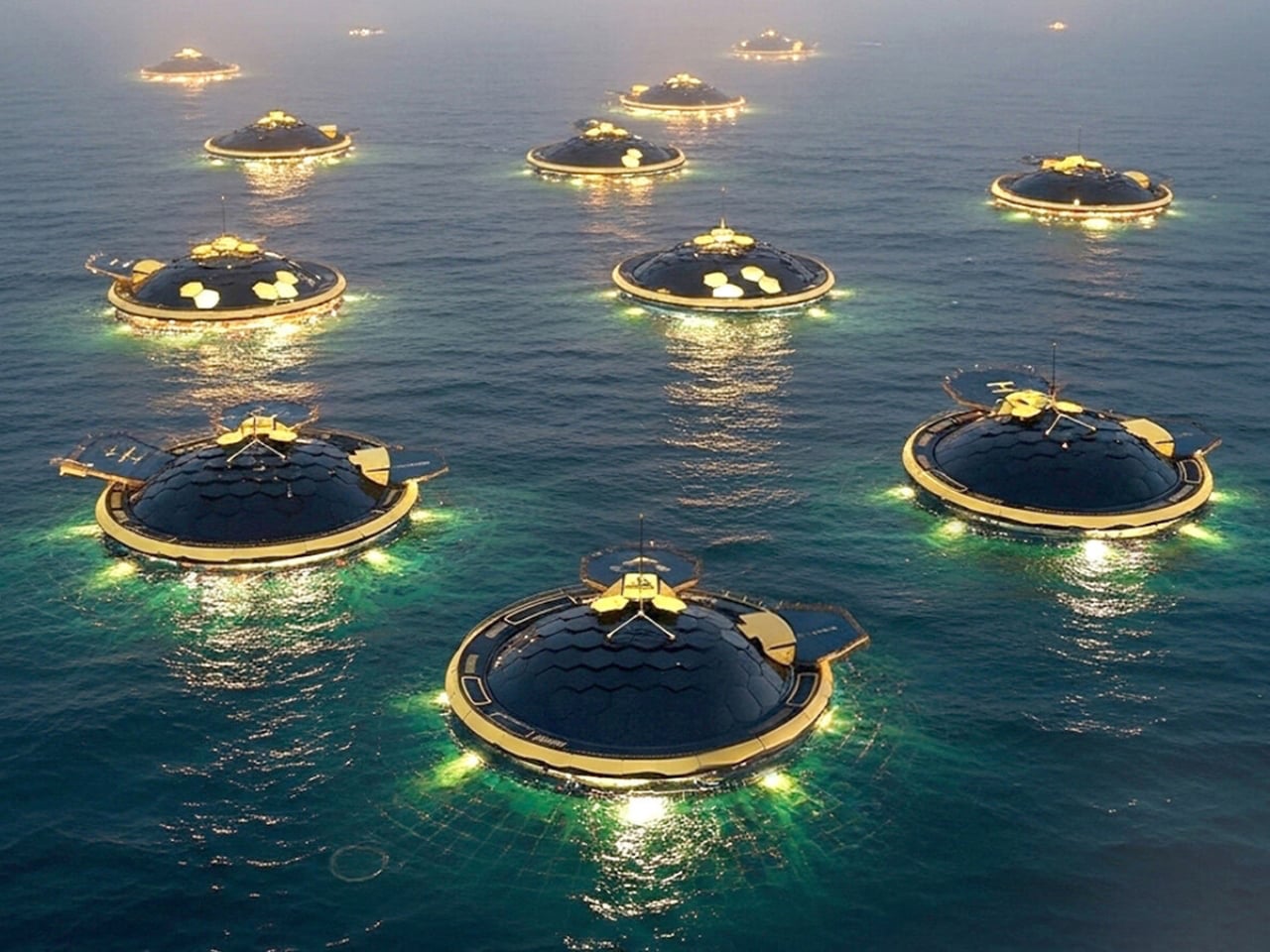
"Floating design is a product-led architectural approach that prioritizes spatial freedom and visual continuity. By lifting elements from the ground, spatial and product design achieves clarity, allowing products, surfaces, and volumes to read as lighter, more refined interventions within the space."
"In contemporary interior architecture, this language of suspension reflects a precise balance between engineering and design intent. The absence of visible support elevates furniture, fixtures, and architectural components into sculptural products."
"Cantilevered architecture embodies structural bravery, transforming engineering into a bold tectonic statement. By extending built forms beyond conventional supports, you create a sense of controlled tension that redefines how stability is perceived."
"Beyond its visual impact, the cantilever delivers measurable spatial and functional value. You preserve ground permeability, reduce visual mass, and form shaded, usable outdoor zones beneath the structure."
Floating design represents a product-led architectural approach that prioritizes spatial freedom and visual continuity by suspending elements above ground level. This design language transforms furniture, fixtures, and architectural components into sculptural products where structure becomes intentional design rather than hidden necessity. Cantilevered architecture exemplifies this approach, extending built forms beyond conventional supports to create controlled tension and perceived stability. Beyond aesthetics, floating design preserves ground permeability, reduces visual mass, and creates usable zones beneath structures. This approach enhances experiential quality, projects innovation, and increases market appeal through architectural distinction.
#floating-design #cantilevered-architecture #interior-architecture #spatial-design #structural-engineering
Read at Yanko Design - Modern Industrial Design News
Unable to calculate read time
Collection
[
|
...
]