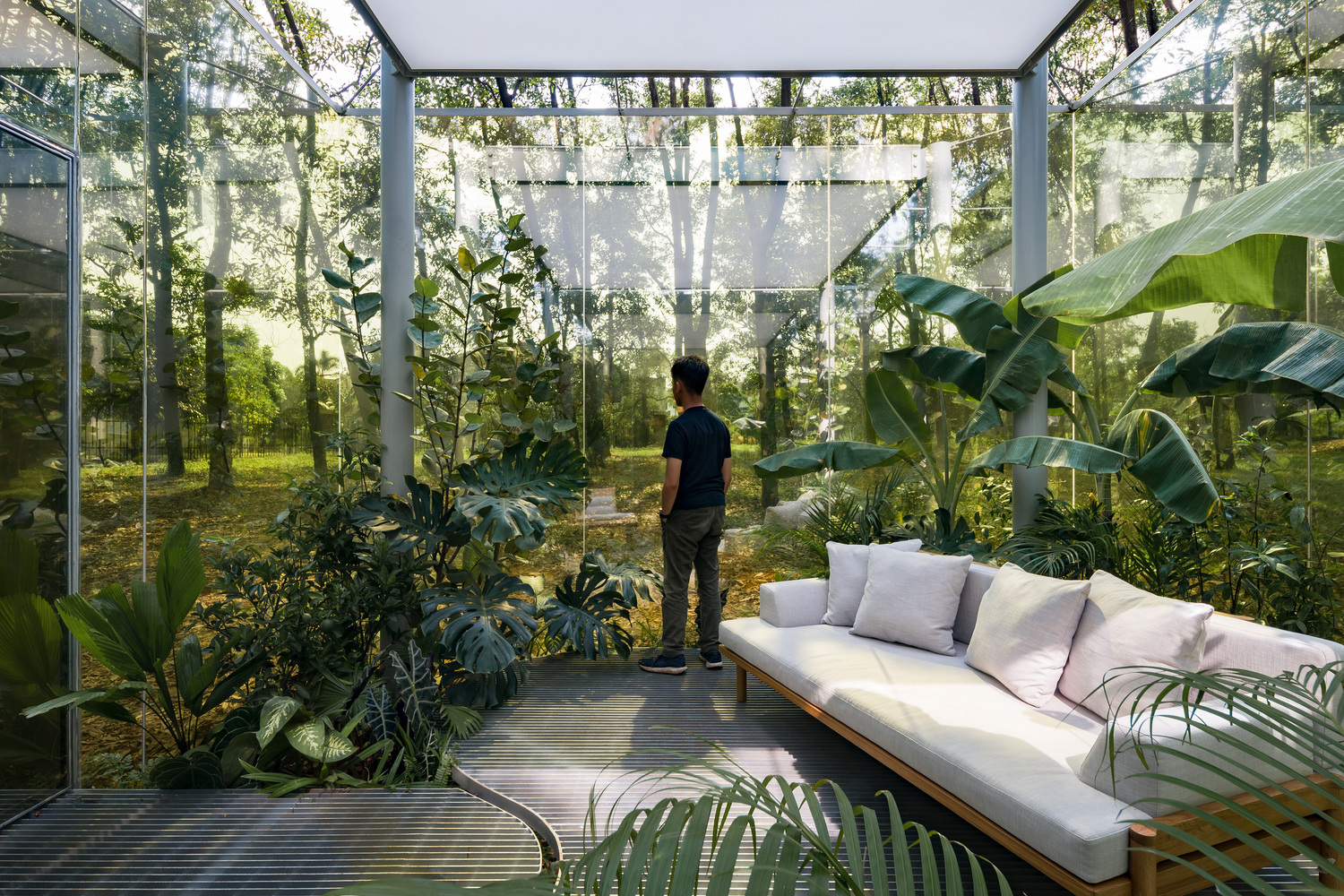
"Architecture is increasingly asked to do less, not more. In environments shaped by constant movement, noise, and expectation, spaces that allow people to stay, pause, and be present have become both rarer and more necessary. Many public and semi-public places are designed to keep people moving, consuming, or reacting, leaving little room for lingering, observation, or simply being without a reason."
"Certain spaces continue to hold collective value even when they appear inactive. Libraries, reading rooms, shaded patios, and quiet public interiors function not because of what happens in them, but because of how they support sustained presence. They allow people to share space without synchronizing actions or interactions, creating a form of togetherness based on duration rather than exchange. Similar conditions are explored in projects such as Bojagi Lounge by Izaskun Chinchilla Architects, which frames time spent in nature as a gift,"
Architecture increasingly shifts from activating users to supporting presence, pause, and permanence. Many public and semi-public environments prioritize movement, consumption, or reaction, reducing opportunities to linger and observe. Designing for presence emphasizes comfort, continuity, and openness to allow people to remain without obligation. Such spaces soften attention, slow daily rhythms, and sustain coexistence based on duration rather than synchronized interaction. Libraries, reading rooms, shaded patios, and quiet interiors demonstrate collective value through sustained presence. Examples like Bojagi Lounge and Le Gardien Pavilion position staying and observing as primary spatial acts, reframing success around perception and willingness to remain.
Read at ArchDaily
Unable to calculate read time
Collection
[
|
...
]