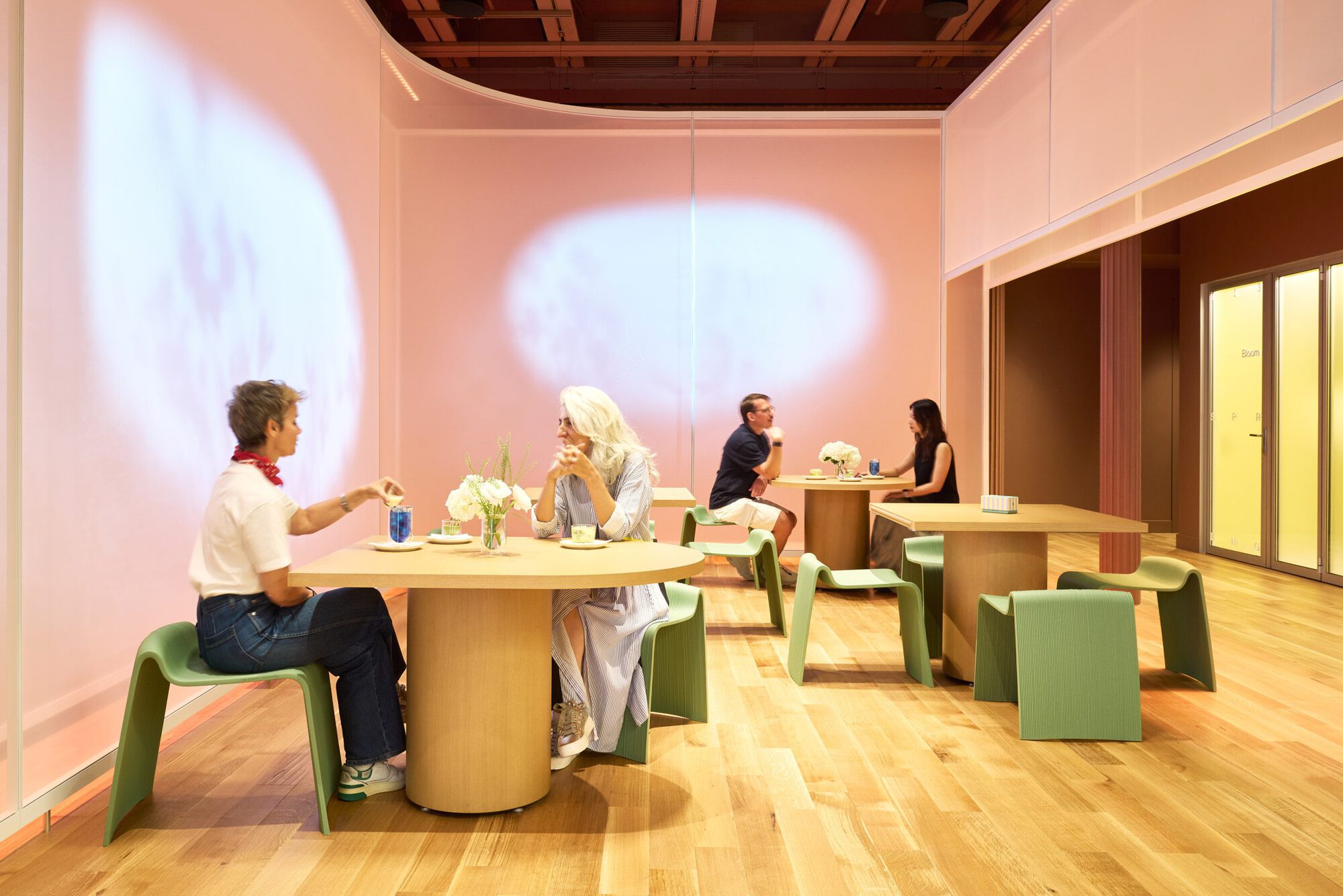
Buildings have evolved from providing basic shelter to addressing complex human needs. Beyond protection from weather and activity organization, modern architecture incorporates efficiency, density, structural innovation, and aesthetics. Contemporary occupants expect environments that actively support their lifestyle, work, and emotional well-being. Wellness has emerged as a central architectural priority. Research in environmental psychology and building science demonstrates that indoor conditions significantly affect human health and behavior. Lighting regulates circadian rhythms and sleep quality. Air quality influences cognitive function and respiratory health. Temperature and acoustic design directly impact comfort and concentration levels.
"Decades of research in environmental psychology and building science reveal that indoor conditions can profoundly affect human health and behavior. Lighting influences circadian rhythms and sleep patterns. Air quality impacts cognitive performance and respiratory health. Temperature and acoustics shape comfort and concentration."
#building-wellness #environmental-psychology #indoor-air-quality #occupant-health #modern-architecture
Read at ArchDaily
Unable to calculate read time
Collection
[
|
...
]