#labour-market
#labour-market
[ follow ]
#federal-reserve #inflation #wage-growth #interest-rates #us-dollar #unemployment #uk-economy #bank-of-england


UK news
fromLondon Business News | Londonlovesbusiness.com
1 month agoGlobal turmoil to hit growth and push up inflation - London Business News | Londonlovesbusiness.com
UK GDP growth remains weak at 1.0% in 2026, driven by services sector while construction and manufacturing contract, with business investment stalling and unemployment rising to 5.5%.
UK politics
fromBusiness Matters
1 month agoSpring Statement 2026: Reeves downgraded growth as business leaders demand urgent action
Chancellor Reeves presented updated economic forecasts showing downgraded 2026 growth to 1.1%, rising unemployment to 5.3%, and persistent inflation risks from Middle East tensions and energy price volatility.
UK politics
fromLondon Business News | Londonlovesbusiness.com
1 month agoChancellor Under Pressure to Present Economic Vision - London Business News | Londonlovesbusiness.com
Rachel Reeves must present a coherent long-term economic strategy at the Spring Statement to address productivity, employment, and business investment concerns while reassuring stakeholders of effective leadership.


#youth-unemployment



UK politics
fromwww.theguardian.com
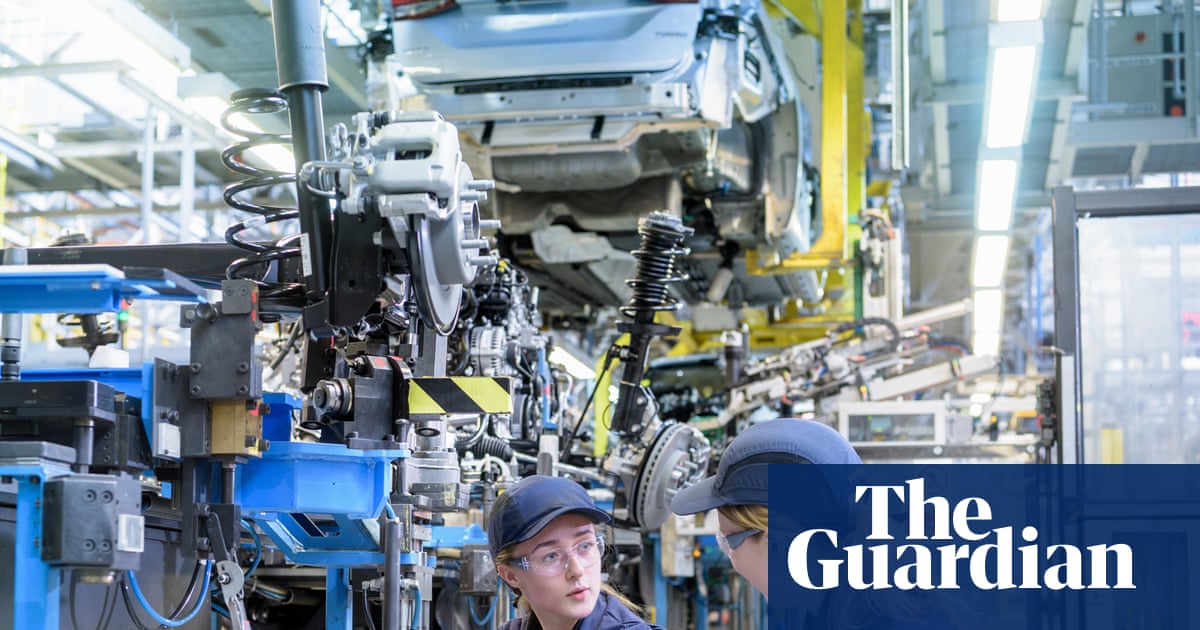
5 months agoA million young people aren't in a job or training. Britain has a problem | Richard Partington
UK jobs market is weakening: youth unemployment and long-term ill health are driving rising economic inactivity and increasing unemployment, costing jobs and reducing productivity.
UK politics
fromLondon Business News | Londonlovesbusiness.com
6 months agoPressure mounts on Reeves ahead of the Autumn Budget - London Business News | Londonlovesbusiness.com
A softening labour market with rising unemployment and cooling wage growth weakens hiring, especially for young workers, and complicates fiscal policy.






UK politics
fromLondon Business News | Londonlovesbusiness.com
2 months agoBanning work from home will take Britain backwards - London Business News | Londonlovesbusiness.com
A blanket ban on working from home would disrupt widely adopted hybrid practices and impose costs without guaranteeing better outcomes.








fromBusiness Matters
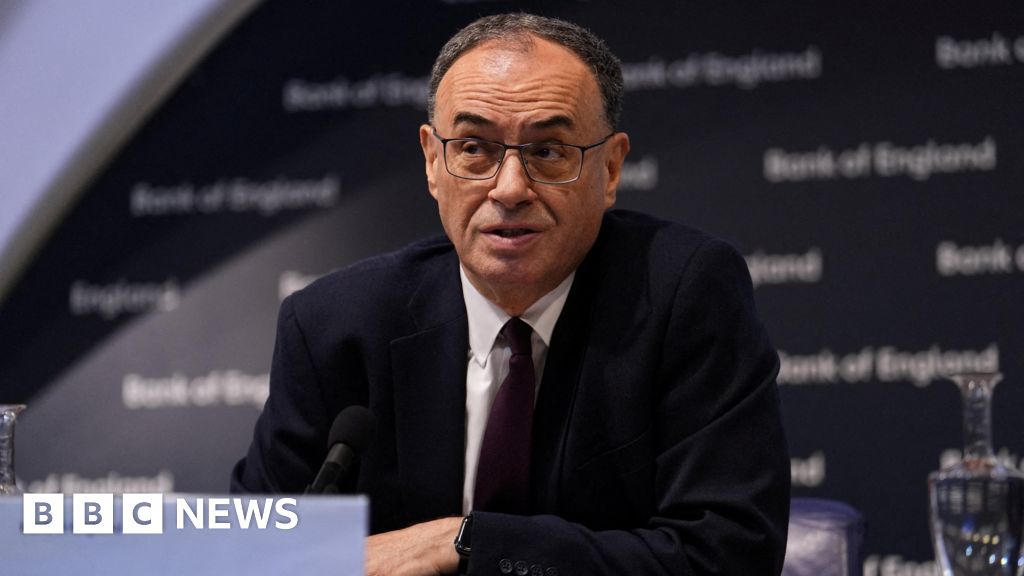
2 months agoLabour urged to raise private pension access age to curb early retirement
Under existing rules, savers can draw on their private pension from age 55, 11 years before the state pension age, which is due to rise from 66 to 67 this year. Up to a quarter of a private pension, capped at £268,275, can be taken tax-free from that point. In a new intervention, the think tank said ministers should consider limiting access to private pension wealth before state pension age, either by raising the minimum access age or by reducing the amount that can be withdrawn tax-free.
UK politics











fromwww.thelocal.at
4 months agoWhy Austria's economy is improving while many households feel worse off
Austria's economy is set to grow again in 2026, but new forecasts suggest many households will see their incomes fall despite the recovery. After months of recession warnings and gloomy outlooks, Austria's economy is finally showing signs of recovery. New forecasts from the country's leading economic institutes, the Austrian Institute of Economic Research (WIFO) and the Institute for Advanced Studies (IHS), suggest growth is picking up again in 2026.
Miscellaneous
Social justice
fromComputerWeekly.com
4 months agoTech community must play a part in closing the employment gap for blind and sight-impaired people | Computer Weekly
Blind and sight-impaired people in the UK face a roughly 56% employment gap, with only a 27% employment rate versus 83% for non-disabled people.

fromBusiness Matters
5 months agoEx-John Lewis boss warns UK faces 85bn sickness bill and economic crisis
Britain is at risk of an "economic inactivity crisis" as the number of sick and disabled people out of work continues to rise, according to a government-commissioned review led by Sir Charlie Mayfield, the former John Lewis chairman. The report warns that 800,000 more people are now out of work due to health conditions than in 2019, costing employers £85 billion a year in lost productivity, sick pay and staff turnover. Without intervention, a further 600,000 workers could leave the labour market by 2030.
Public health
Business
fromLondon Business News | Londonlovesbusiness.com
5 months agoDollar holds near multi-month high ahead of ADP and ISM data - London Business News | Londonlovesbusiness.com
Dollar steadies as markets await labour and services data that will influence Federal Reserve policy expectations, affecting yields and December rate-cut odds.



UK news
fromLondon Business News | Londonlovesbusiness.com
6 months agoLondon workers show cautious optimism despite cracks in the jobs market - London Business News | Londonlovesbusiness.com
London workers show resilience and confidence in their skills despite perceptions of a worsening, highly competitive labour market and mixed employment and wage changes.
fromYahoo Finance
6 months agoWork from home benefits are disappearing in Aussie job ads - except for these industries
The number of job ads offering work-from-home perks is on the decline, but there are some industries still holding onto the pandemic-era arrangement. The labour market is tough for job seekers across much of the country and employers in some sectors have realised they don't have to offer the same level of flexibility to attract the best talent. New SEEK data has revealed only 9 per cent of ads now mention WFH, which is down slightly from a 2023 peak of 10 per cent per cent.
Remote teams
fromLondon Business News | Londonlovesbusiness.com
6 months agoFTSE 100, S&P 500, Stoxx 600 all trade at record highs - London Business News | Londonlovesbusiness.com
Bear markets, let's remember, are caused by recessions and, so far, the US economy keeps ticking along...even with a government shutdown the stock market made new highs. Partly that is because markets usually do look through shutdowns, partly it's because this remains a late-cycle grind up with momentum and FOMO driving prices higher. No nonfarm payrolls later due to the government shutdown, so it is kind of tricky for the FX traders and bond markets.
Business


fromLondon Business News | Londonlovesbusiness.com
7 months agoSMEs double down on upskilling as they adapt to a shifting labour market - London Business News | Londonlovesbusiness.com
When asked about their plans for the rest of 2025, just under half (48%) of SMEs leaders revealed they are looking to upskill their current team, by far the most popular answer. This compares to 29% who plan on expanding their leadership team and a quarter (25%) who plan to hire new staff. This strategic focus on developing internal talent reflects wider concerns about recruitment challenges.
UK news
fromLondon Business News | Londonlovesbusiness.com
7 months agoDollar consolidates as investors brace for ISM services and labour data - London Business News | Londonlovesbusiness.com
The US dollar steadied on Thursday, as traders weighed signals of a softer labour market and awaited further releases. Job openings fell to a low in July, undershooting expectations, while factory orders dropped for a second consecutive month. These indicators reinforced the view that the economy is cooling, even as attention now shifts to today's ISM Services index, expected at 51, and to Friday's payrolls.
Business
fromLondon Business News | Londonlovesbusiness.com
8 months agoBusiness confidence amongst manufacturers rebounds from recent lows - London Business News | Londonlovesbusiness.com
BDO's Optimism Index rose to 91.96 in July, up from 91.58 in June, driven by a strong rebound in manufacturing optimism, which rose sharply from 93.74 to 96.50.
Business

UK politics
fromwww.theguardian.com
11 months agoThere's only one problem with Labour's immigration plans: they're completely untethered from reality | Jonathan Portes
The notion that reducing immigration will boost UK's growth is contradicted by evidence showing migrants earn more and contribute positively to GDP.
[ Load more ]