#kawesqar
#kawesqar
[ follow ]
#argentina #mining #cultural-heritage #wildfires #glacier-law #environmental-justice #patagonia #conservation
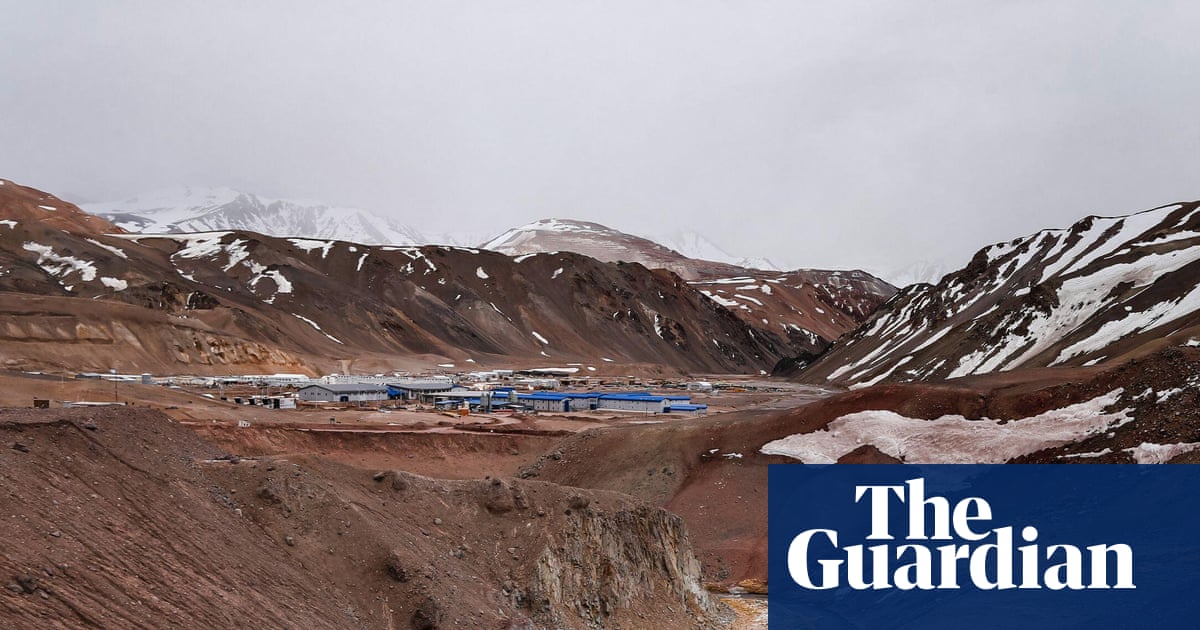


fromwww.theguardian.com
2 weeks agoNavajo Nation: the fight for cultural survival photo essay
Virginia Brown, a 69-year-old elder, recalls her traumatic experience: 'I was forced into a boarding school when I was six years old. They cut off all our long hair and washed our mouths out with soap if they caught us speaking Navajo.'
Social justice
Travel
fromTravel + Leisure
3 weeks agoThis Scenic Lakeside Town Was Named the Most Welcoming Destination in South America-and It Has Andes Views and Year-round Outdoor Adventure
San Martín de los Andes is recognized as the most welcoming destination in South America and ranks third worldwide according to Booking.com's Traveller Review Awards.
fromNew York Post
1 month agoCalifornia plots return of 7.5 million acres of land and coastal waters to Indigenous tribes
When California became a state in 1850, officials signed 18 treaties setting aside millions of acres for tribal reservations. Congress killed the deals in secret after pressure from state leaders. Many tribes had already moved, trusting the promises. Now California wants to make good.
SF politics
Mission District
fromABC7 San Francisco
1 month agoTribal members to help shape Bay Area open space as historic Juristac lands are reclaimed by deal
The Amah Mutsun tribe successfully reclaimed Juristac, a sacred ancestral landscape near Gilroy, California, after community opposition halted mining plans and the Peninsula Open Space Trust purchased over 6,000 acres.
Madrid food
fromBOOOOOOOM!
1 month ago"When the Desert Breathes Again" by Photographer Gonzalo Palaveccino
Photographer Gonzalo Palavecino documents La Tirana, Chile's largest religious festival, focusing on behind-the-scenes elements like food stands, abandoned objects, and improvised structures that reveal the sacred blending with everyday chaos and commerce.
fromwww.theguardian.com
1 month agoKast is more like Trump': Chile's environmentalists prepare to do battle for the country's future
The highlands are the sustenance of life, and all that water comes down from the mountains to the valleys, such as Azapa and Lluta and to the coast. The city of Arica is on the coast. So, we have a very serious problem. We will not have water—not for agriculture, not for livestock, not for tourism.
Miscellaneous
History
fromArs Technica
1 month agoCenturies before the Inca, Peru's wealthy imported parrots from afar
The Ychsma kingdom maintained a sophisticated long-distance trade network spanning hundreds of kilometers across the Andes to import live parrots from the Amazon rainforest centuries before the Inca Empire.
fromThe Art Newspaper - International art news and events
1 month agoTomas Saraceno and Indigenous communities build art complex in Argentine salt flats
We don't eat batteries. They take away the water; they take away life. This pronouncement, in Spanish, appears in a photograph that the artist Tomás Saraceno sent via WhatsApp last month from Salinas Grandes, a high-altitude salt flat in northern Argentina. There, in one of the world's largest lithium reserves, the artist is working alongside 11 Indigenous communities to build El Santuario del Agua (The Water Sanctuary), a monumental work about the global energy transition.
SOMA, SF
Environment
fromwww.aljazeera.com
1 month agoChile's President Kast tosses out dozens of environmental protections
Chile's new President Jose Antonio Kast suspended 43 environmental regulations covering emissions, pollution, and national parks to prioritize economic growth and job creation over environmental protections.
fromwww.archdaily.com
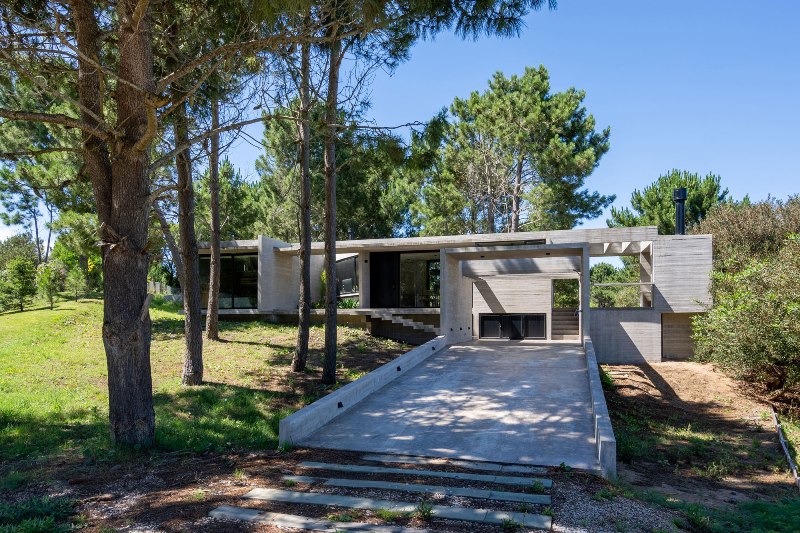
1 month agoRehabilitation of Casa P. Colina / DARP - De Arquitectura y Paisaje
The rehabilitation project of Casa P. Colina is based on a regenerative view of architecture, understood as a process of transformation that reconciles the natural, the built, and the existing. Rather than replacing, the intervention rewrites the house from its own material, integrating structures, materials, and memories as active components of the new spatial system.
Renovation
fromwww.aljazeera.com
2 months ago'A big crisis'
On November 28, with just weeks remaining until the run-off in Chile's presidential election, far-right candidate Jose Antonio Kast issued a warning. "To the irregular immigrants in Chile," he said, "I tell you that 103 days remain for you to leave our country voluntarily." Kast ultimately won the election and is expected to be sworn in on March 11. But so far, in the highlands of Chile's most northerly region, the immigrant exodus that some expected has not occurred.
World news
fromwww.theguardian.com
1 month agoRiding the wave: can surf tourism save Peru's ancient reed-boat fishing culture?
Archaeologists estimate that fishers in Peru have been using the reed boats for approximately 3,500 years. Elaborate ceramics dating back to the sophisticated Moche culture (AD100-800) and the later Chimu civilisation (900-1470), depict figures astride the craft, which was called a tup in the now-extinct Mochica language. They are believed to be among the first crafts to be used for riding waves, possibly predating Polynesian proto-surfing in Hawaii.
Food & drink


fromwww.scientificamerican.com
2 months agoAstronomers have won the latest battle over dark skies, but the global conflict continues
Last week AES Andesa subsidiary of the AES Corporation, an American energy companyannounced it had scrapped its plans for a sprawling, city-size renewable energy project in Chile's Atacama Desert. The Atacama offers some of the world's darkest, clearest skieswhich is why it also hosts several of Earth's most important ground-based telescopes, including those of the European Southern Observatory's (ESO's) Paranal Observatory, which could've been within a mere five kilometers of the green-energy facility, according to earlier plans.
Science
World news
fromwww.theguardian.com
2 months agoThey survived conquistadors and settlers. Now the Arhuaco are facing an even greater threat
Arhuaco face escalating violence as paramilitaries, guerrillas, and traffickers seize Sierra Nevada territory to control drug routes, coca regions, and illicit mineral extraction.
Social justice
fromenglish.elpais.com
1 month agoInternational ruling protects the Garifuna people from Survivor' shoot in Honduras
The Inter-American Court of Human Rights condemned Honduras for violating Garifuna collective property rights and political participation by designating Cayos Cochinos a protected area without proper consultation, favoring tourism and television production over indigenous residents' ancestral access.
fromwww.scientificamerican.com
2 months agoAncient seafarers helped shape Arctic ecosystems
In the pristine High Arctic sits the Kitsissut island cluster, also known as the Carey Islands, nestled between northwest Greenland and northeast Canada. The surrounding seas are perilous, and traveling there is difficult even with modern boats. But new archaeological evidence suggests ancient humans managed to sail to the islands, too. Early settlers lived on the islands between 4,500 and 2,700 years ago.
Science


World news
fromwww.theguardian.com
2 months agoWe're being turned into an energy colony': Argentina's nuclear plan faces backlash over US interests
Restarting uranium mining at Cerro Solo and expanding nuclear exports risks community health and environmental harm amid contested national nuclear policy shifts.
fromwww.theguardian.com
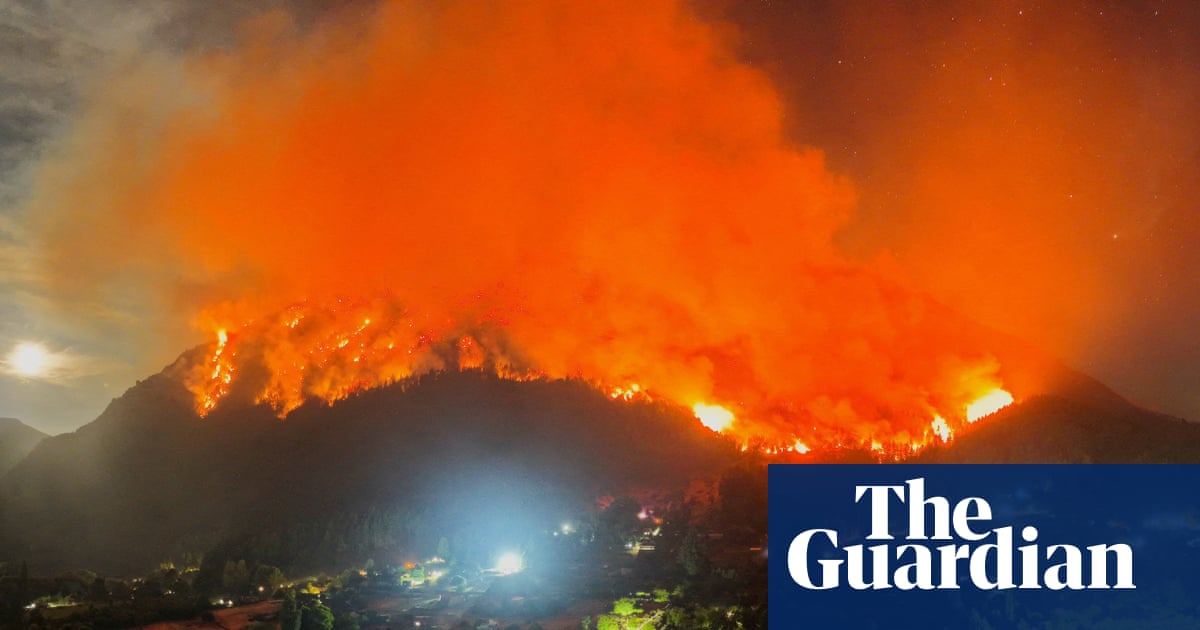
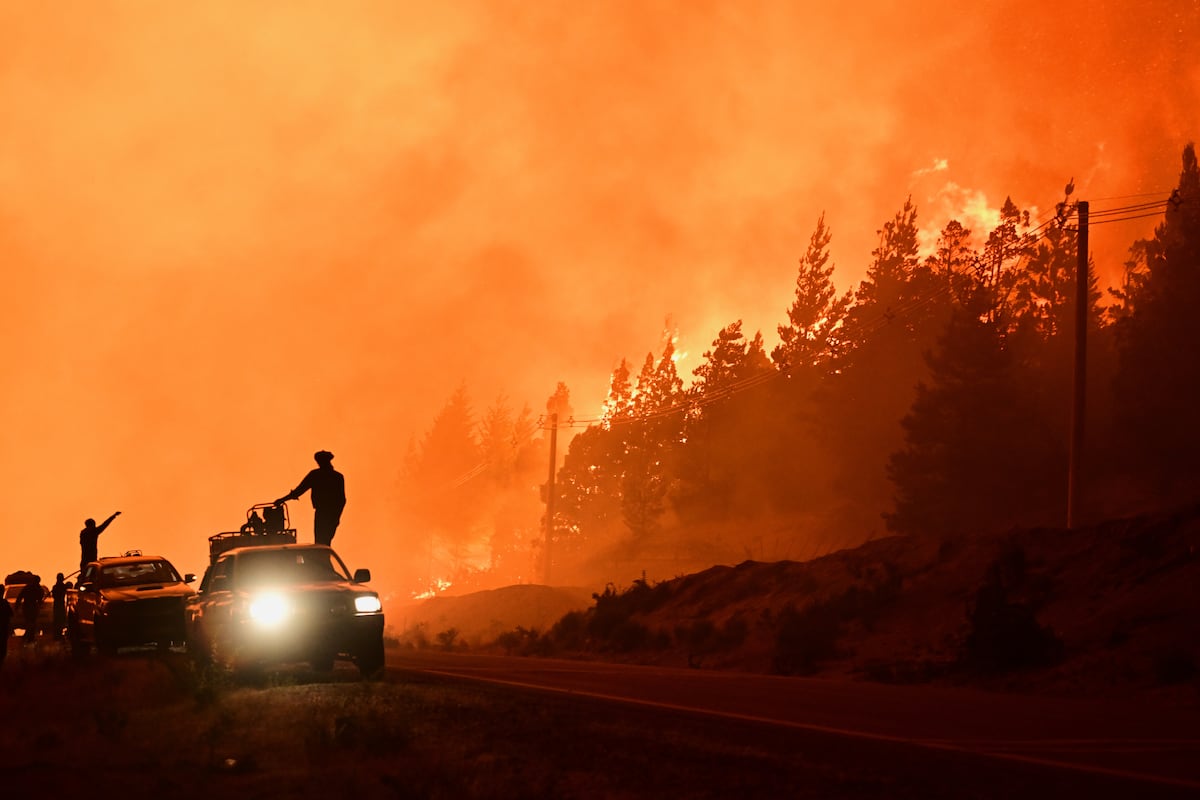
2 months agoSome of world's oldest trees hit by climate-fuelled wildfires in Patagonia
The hot, dry and windy conditions that enabled the fires to blaze across huge areas in January were made about three times more likely by global heating, researchers from the World Weather Attribution (WWA) consortium found. Parts of Chile and Argentina are experiencing significantly drier summers as a result of human-caused carbon emissions, with rainfall now 25% lower in early summer in Chile and 20% lower in the affected region of Patagonia.
Environment
fromColossal
1 month agoInside the Sacred Valley Ceramics Studio Referencing Ancient Peruvian Practices
It is not about reproducing the past but about engaging in dialogue with it. We apply the same level of care and rigor to all pieces. Many of our utilitarian pieces have a strong sculptural quality, and several of the more artistic works originate from everyday forms and functions. We do not establish rigid boundaries between these categories; all are part of the same vision.
Arts
Environment
fromwww.mercurynews.com
2 months agoA chatbot entirely powered by humans, not artificial intelligence? This Chilean community shows why
Residents ran a human-operated chatbot to demonstrate AI data centers' environmental costs and promote responsible, less instantaneous use of automated AI services.
[ Load more ]