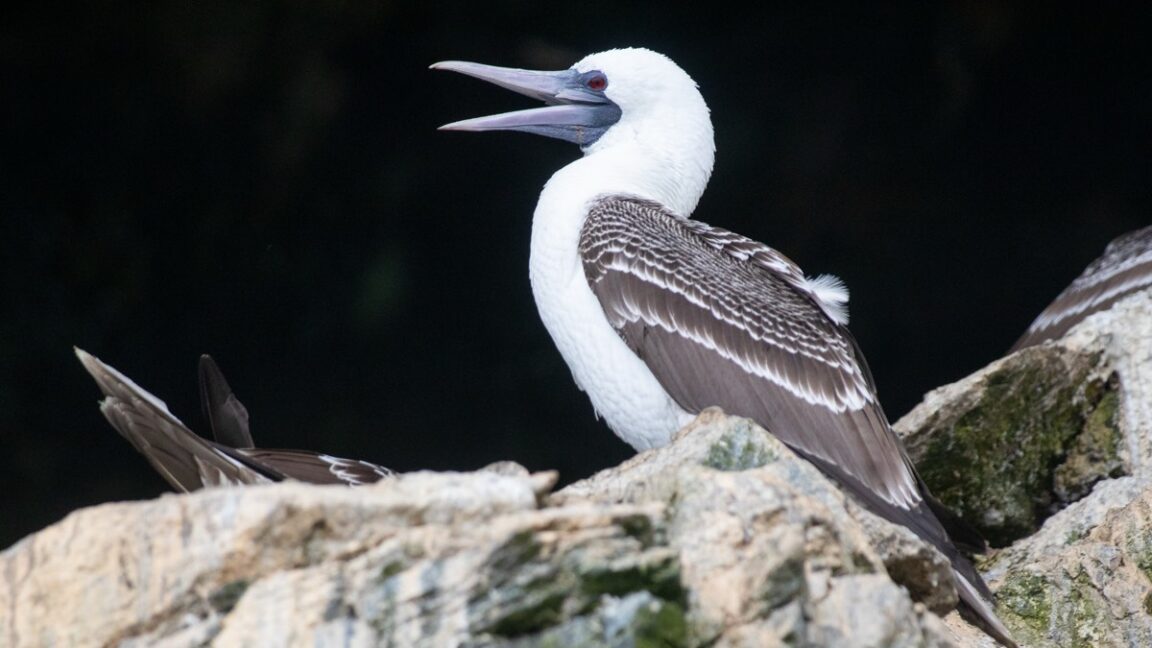
"He and his co-authors found significantly higher levels of nitrogen in the maize than in the natural soil conditions, suggesting the Chincha used guano as a natural fertilizer. The guano from such birds as the guanay cormorant, the Peruvian pelican, and the Peruvian booby contains all the essential growing nutrients: nitrogen, phosphorus, and potassium. All three species are abundant on the Chincha Islands, all within 25 kilometers of the kingdom."
"For instance, in colonial eras, groups would sail to nearby islands on rafts to collect bird droppings to use as crop fertilizer. The Lunahuana people in the Canete Valley just outside of Chincha were known to use bird guano in their fields, and the Inca valued the stuff so highly that it restricted access to the islands during breeding season and forbade the killing of the guano-producing birds on penalty of death."
Biochemical analysis of 35 maize samples from buried tombs revealed significantly elevated nitrogen levels compared with natural soil, indicating use of seabird guano as fertilizer. Guano from guanay cormorant, Peruvian pelican, and Peruvian booby contains nitrogen, phosphorus, and potassium, and those species occur on nearby Chincha Islands within 25 km. Historical sources describe raft-based guano collection, colonial-era fertilizer use, and Inca restrictions on island access and bird killing during breeding. Observations by 19th-century naturalists note guano application practices and export. Widespread seabird imagery in Chincha material culture reflects the centrality of guano and marine-terrestrial management.
Read at Ars Technica
Unable to calculate read time
Collection
[
|
...
]