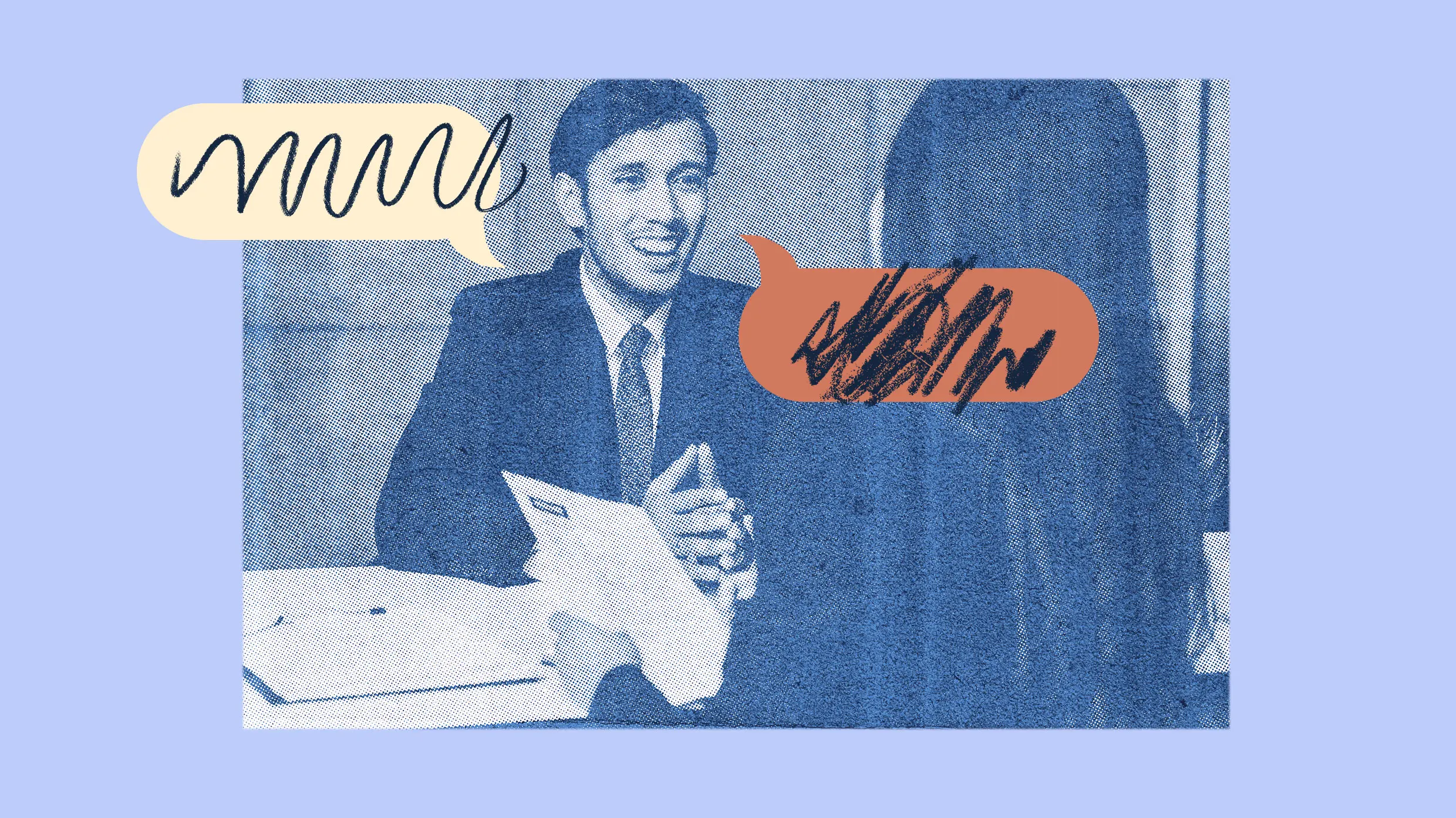
There is only one strategy for having been fired, and that is to immediately admit it. I love it when someone says, 'I was fired.' It shows me I'm dealing with an honest person. Someone who explains a firing by blaming someone else is not mature enough to work here.
These aren't obvious mistakes like showing up late or badmouthing a former employer. These are the invisible killers, the subtle behaviors that make hiring managers mentally move on while still going through the motions of the interview. Having sat on both sides of the table and watched my father navigate corporate interviews throughout his career with mixed results, I've seen how these small moments can derail even the most qualified candidates. The good news? Once you know what they are, they're surprisingly easy to fix.
Like you, I enjoy the finer things in life: sourdough bread, a smooth flat white, and an omelet with kimchi. I like traveling with my dog, staying somewhere nice, and - last but not least - keeping my EU visa valid. All of this costs money. To have and enjoy the good things in life, I need a full-time job (I say this with a heart that isn't exactly light). That means looking for one - and interviews are certainly the worst part of this.
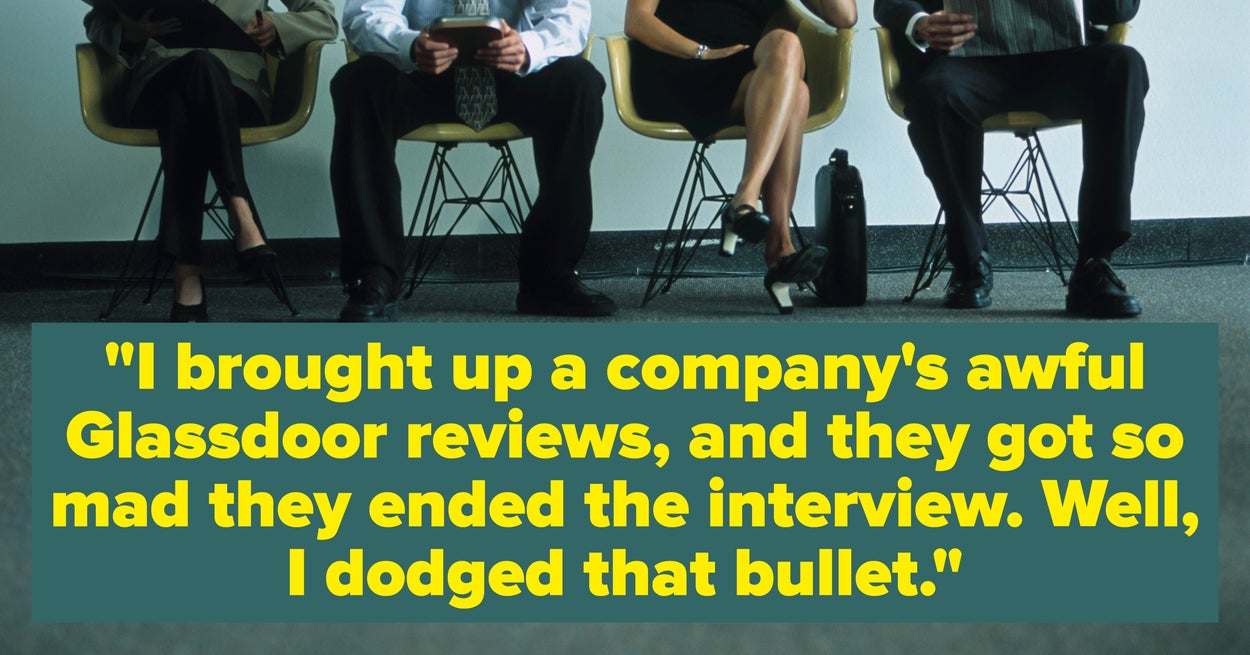
You may be jumping to conclusions about your former boss. Your interviewers could have been nasty for all kinds of reasons. They might already have known who they wanted to hire (possibly an internal candidate) and were irritated that they had to interview other people. They may intentionally haze candidates to see how they hold up under pressure. They might have been mad at one another. Or they could just have a nasty office culture. You're probably lucky you didn't take a job there!
Imagine this: You're interviewing for a new job, after having taken time out of work to travel and forget the stress induced by your former employer. As the interview progresses, the hiring manager naturally inquires what you've been up to since leaving your last role and your heart races as you search for the perfect response to justify the break.
A serious face is often deemed professional-even the dictionary associates unsmiling with being businesslike. It's why hopeful new hires may tap into their inner Victoria Beckham or Kanye West-who famously scowl or pout-when they want to look like they mean business. But actually having a poker or somber face in a job interview may be a less successful strategy to landing a role than flashing potential bosses a big, cheesy grin. That's because, according to new research, a smile exudes confidence and consequently, makes you more hirable.
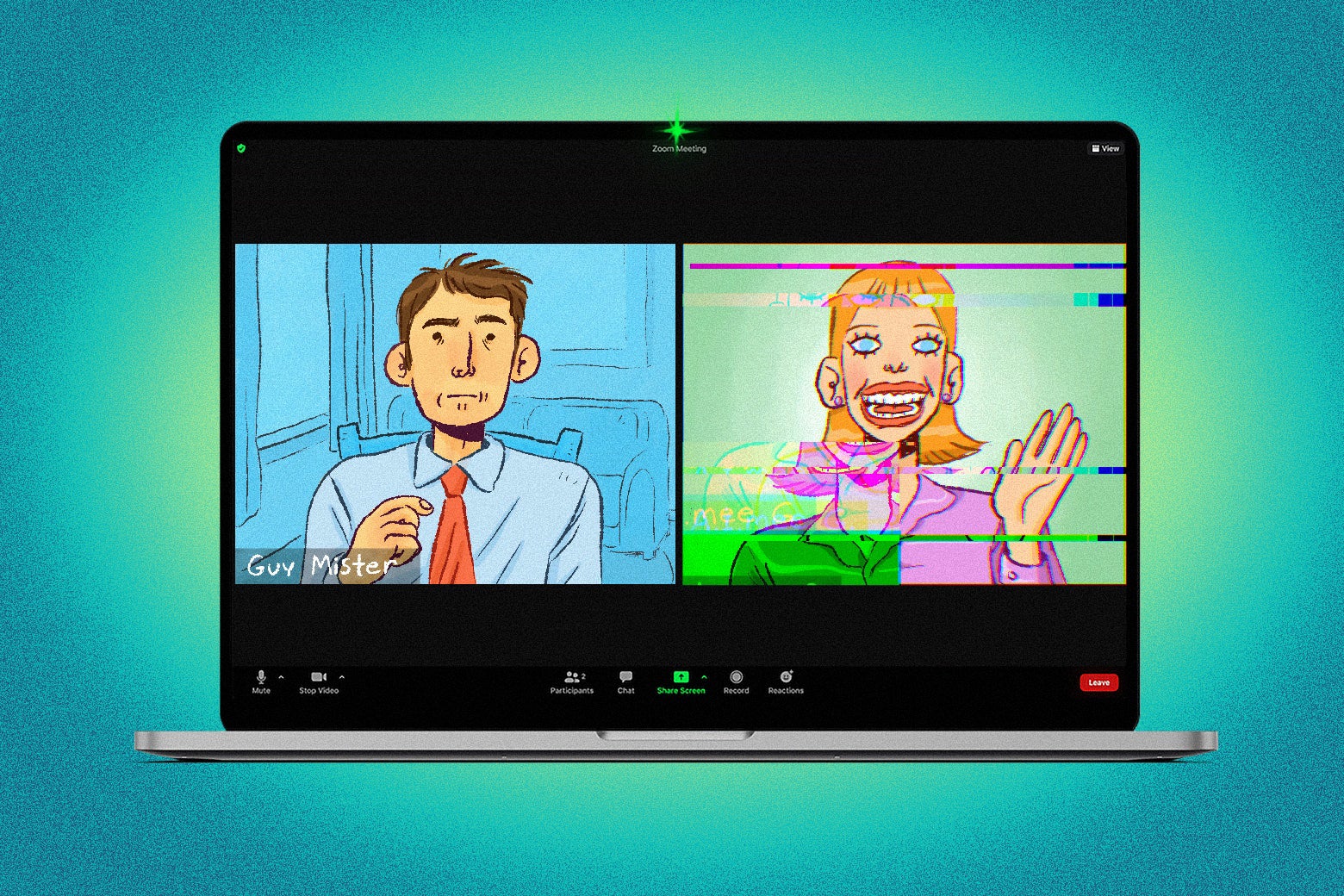
"How do you feel life has worked out for you so far?" Salem Pierce was asked as part of her application for a visual design lead position at an unnamed company online. The application also asked that she "record a short, roughly 2-5 minute video response and paste the link here," the 30-year-old graphic designer revealed on Twitter. Pierce described the demand as a "new level of job application hell" and many others online agreed.
The structured interview rests on the assumption that the elimination of the interviewer's subjective, individual perspective results in greater objectivity and thus less discrimination.