#falling-trees
#falling-trees
[ follow ]
#climate-change #biodiversity #wildfires #conservation #deforestation #environmental-policy #us-forest-service



fromHigh Country News
21 hours agoWildfires make soil poisonous - High Country News
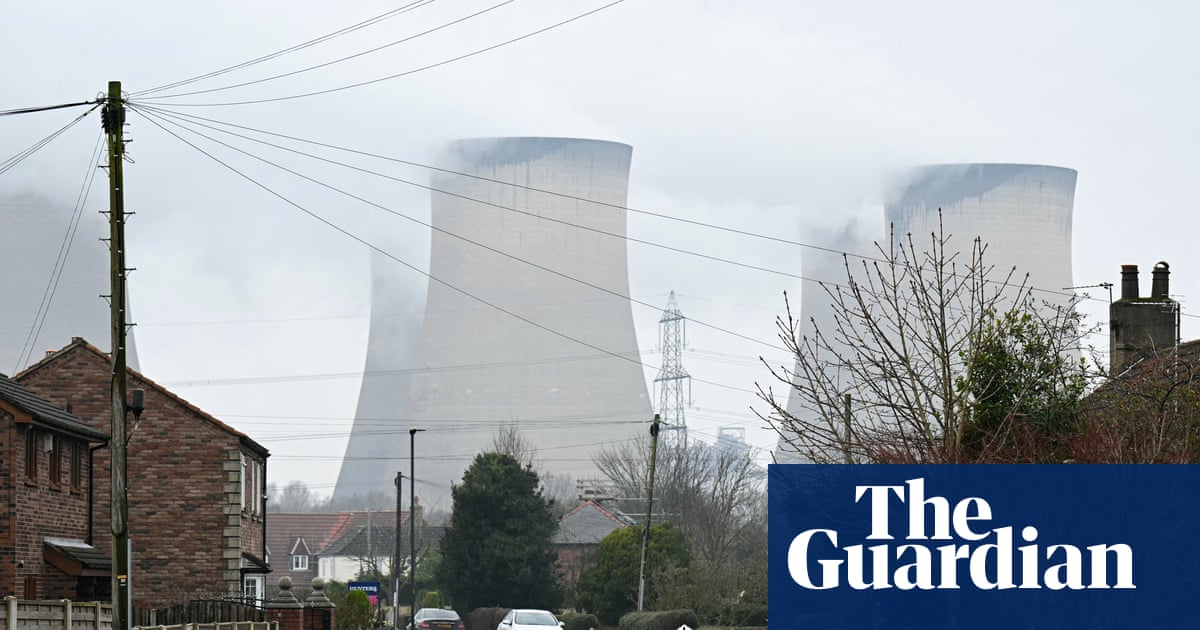
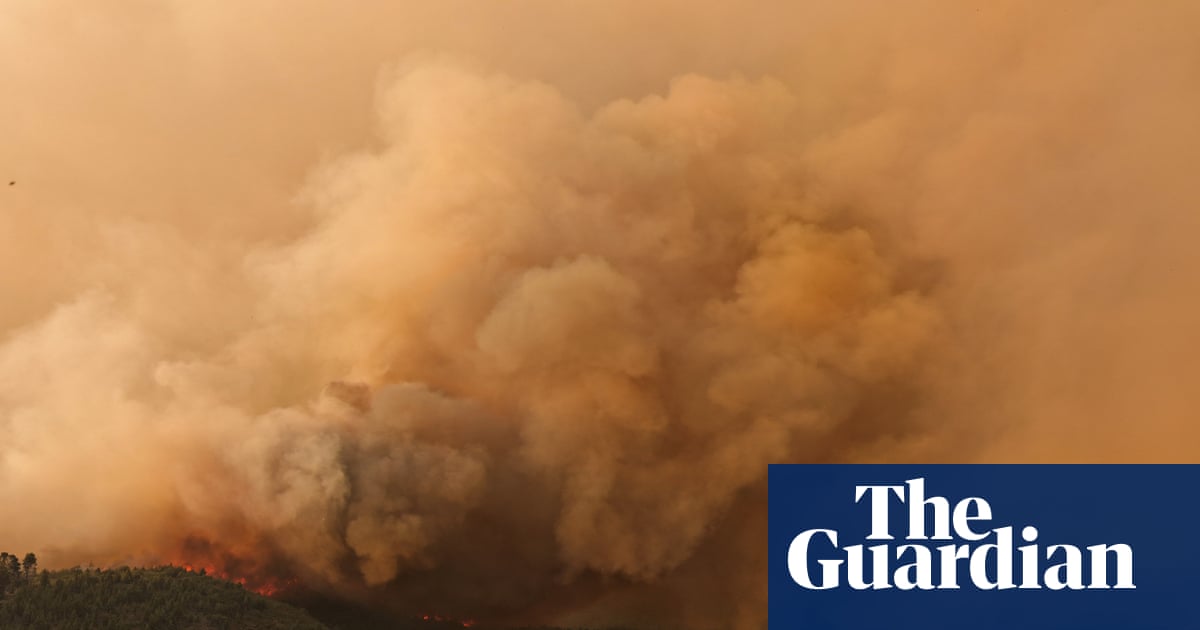
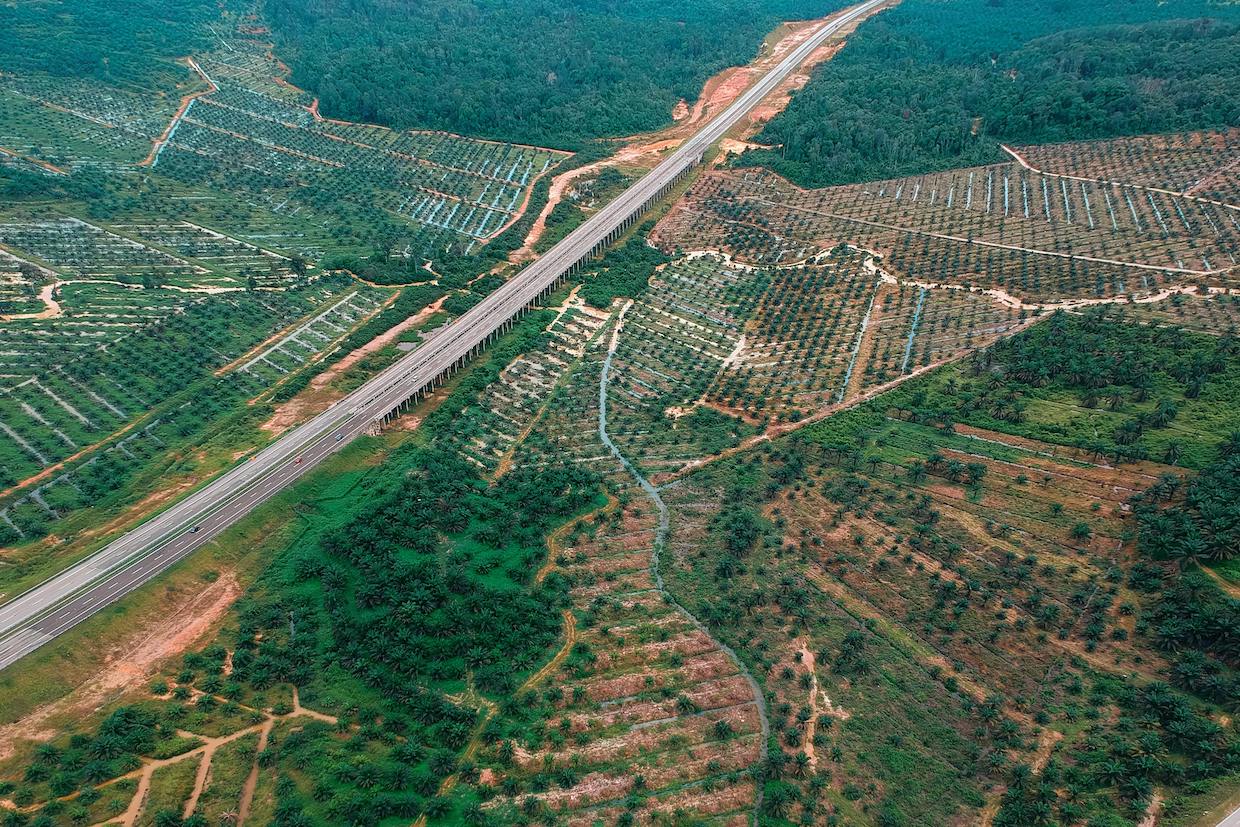
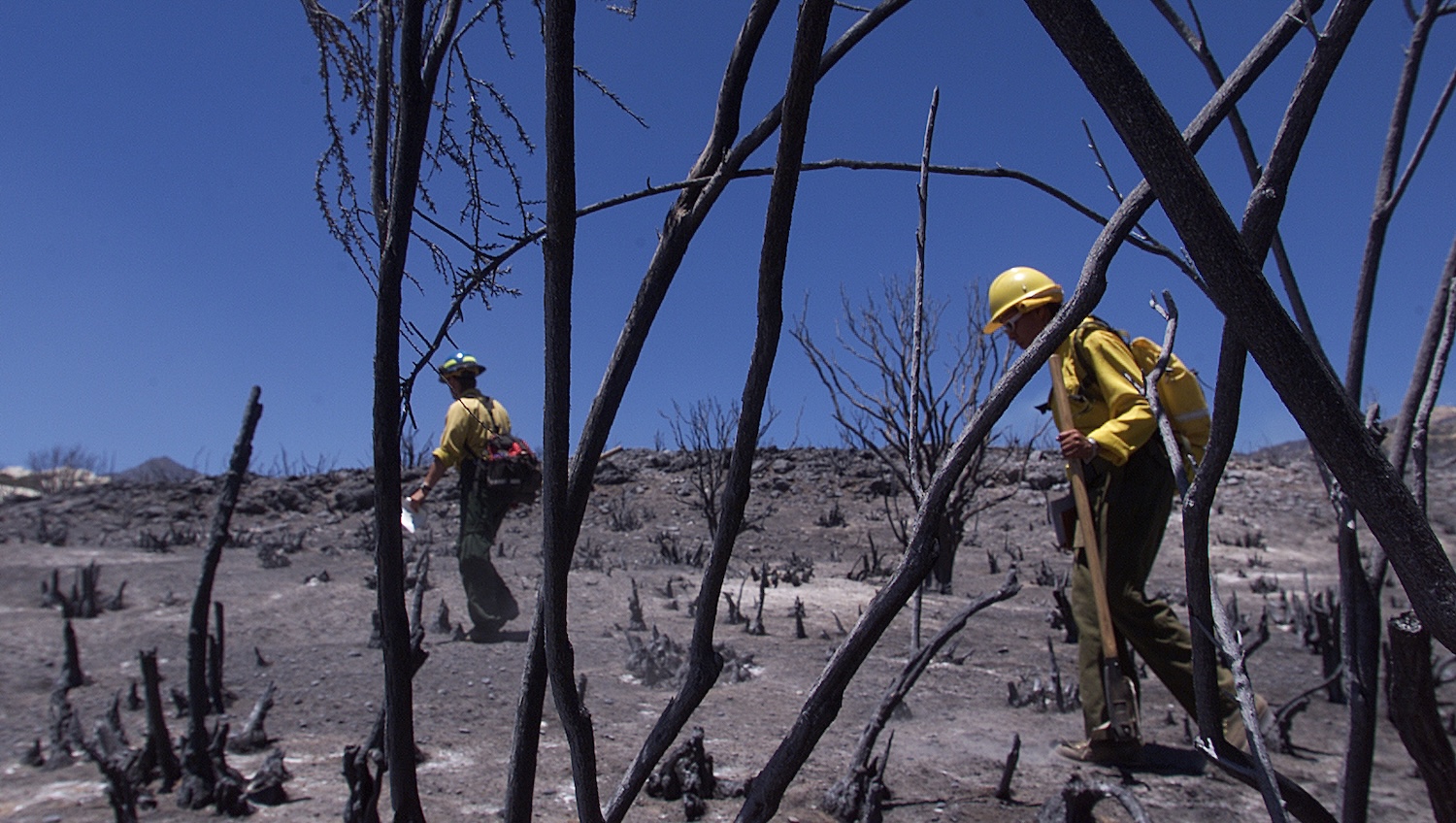
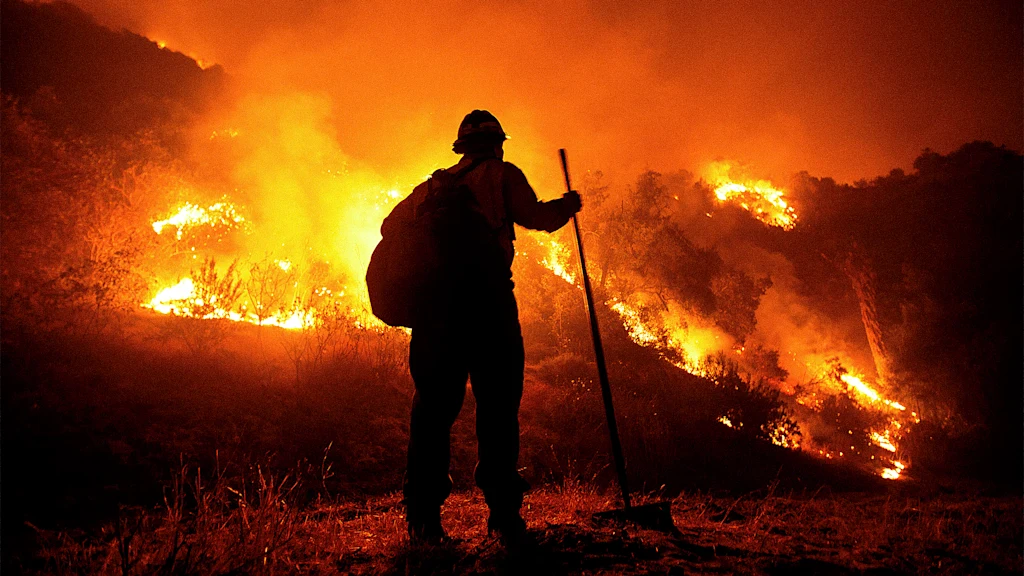
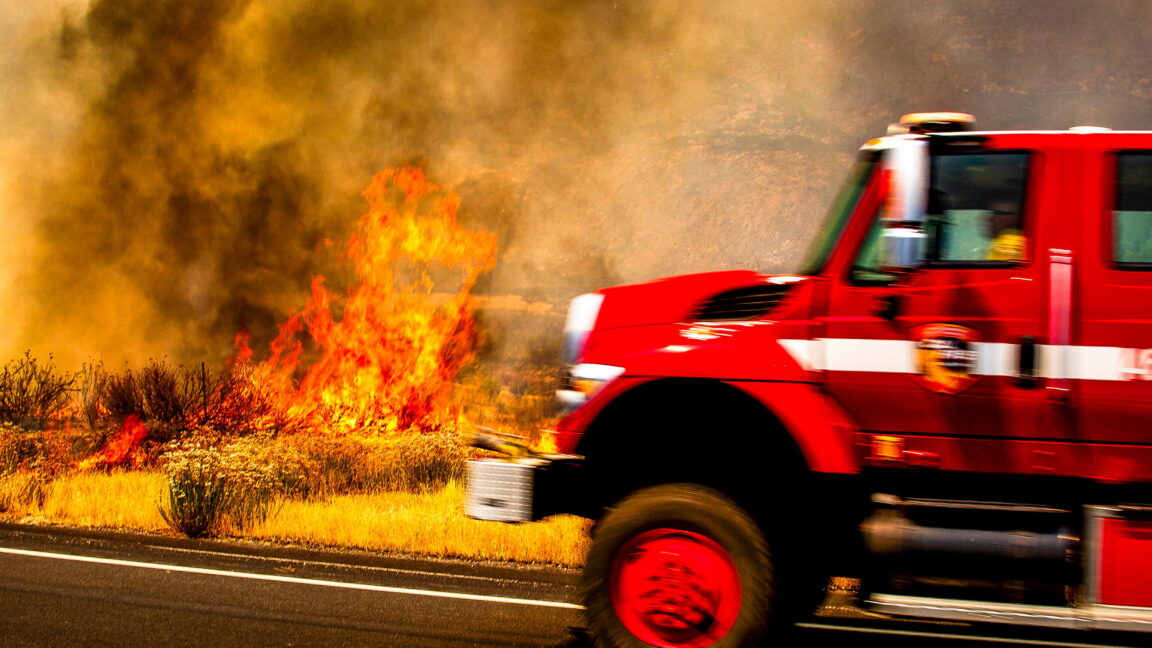
Researchers have known since at least 2008 that wildfires can create chromium-6, but a new study, published in the journal Environmental Science and Technology in November, is the first to report details such as how long it might persist in groundwater.
Environment
fromwww.dw.com
6 days agoIndia walked away from its bid to host COP33 here's why
One of the key reasons for India's withdrawal appears to be the steadily declining relevance of COP in driving meaningful global climate action. The complete erosion of trust among countries at the Belem summit in Brazil, where several nations reneged on previously agreed commitments, seems to have contributed significantly to this decision.
World politics



fromwww.kaltblut-magazine.com
1 month agoThe Climate Crisis
At a young age, I learned quickly how oil wealth and power could burn the land while people struggled. I saw heat rise off the streets, the Nile strained, and the air thickened with injustice. In my teenage years, through Aotearoa, being on the edge of the Pacific, I felt the ocean breathing heavy, swallowing the shores of islands that have done the least to cause this harm.
Photography
Environment
fromwww.theguardian.com
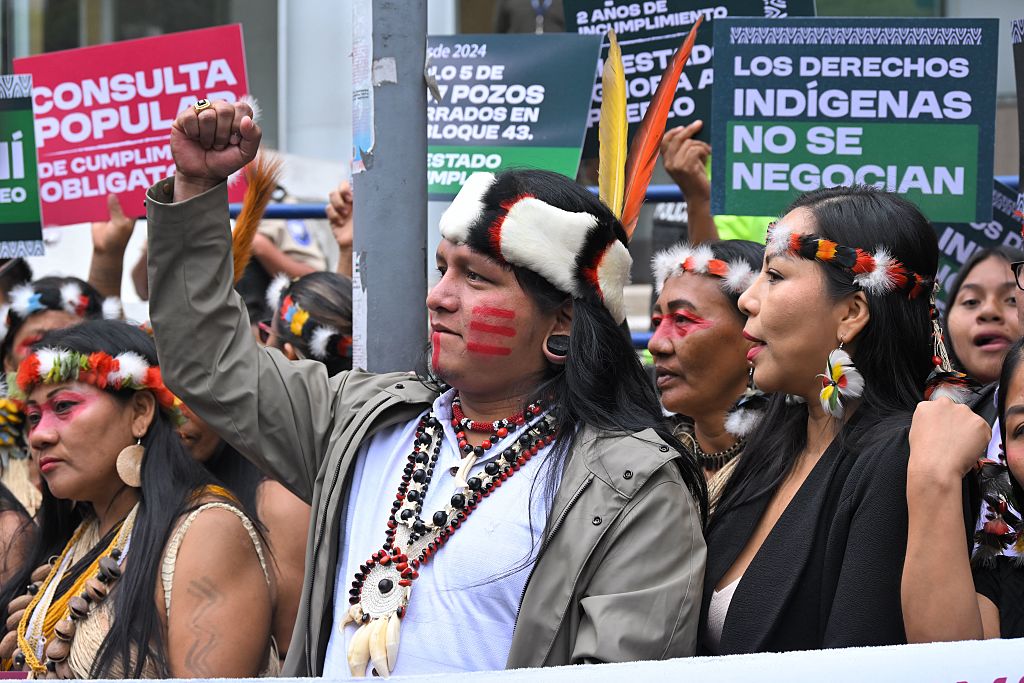
2 weeks agoIf they pollute our rivers, what will become of us?': the town divided between hope and fear in Brazil's Amazon oil rush
Oiapoque, Brazil, is poised for development through oil production, raising concerns about environmental impacts and Indigenous rights amid a global energy transition.
fromwww.theguardian.com
1 month agoIt creates a sense of belonging': Brazil bets on hiking trails for conservation
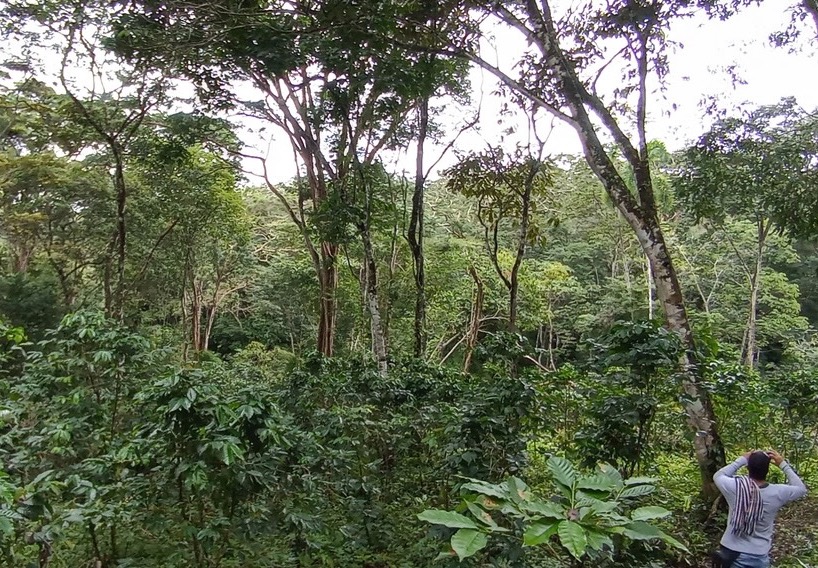
The idea that hiking trails are a tool for conservation is based on a simple premise: people protect what they know. That requires making conservation areas accessible. There's no point telling people you only protect what you know, if you don't give them the tools to know. The trail is this tool. People who hike, people who camp, these people often become defenders of the environment.
Travel
fromwww.theguardian.com
1 month agoHow UK cuts to climate finance could bankrupt ecosystems at home and abroad
Last year the JIC produced a hard-hitting report which found the collapse of globally important ecosystems around the world including the potential shift of the Amazon from rainforest to savannah, the demise of coral reefs, and the loss of glaciers would threaten the UK's national security, through food shortages at home and the potential for conflict overseas.
UK news
fromwww.dw.com
3 months agoHow the EU-Mercosur deal could hit the climate
After a majority of EU leaders gave the green light last week to the free-trade deal that was 25 years in the making, von der Leyen said it would "create more business opportunities" and "give [European] companies better access to critical raw materials." Once approved by the European Parliament and ratified by both the EU and Mercosur, the massive accord often dubbed a "cows-for-cars" trade deal will open up markets on both continents to almost all goods, including cars, machinery and chemicals from Europe.
Miscellaneous
Renovation
fromdesignboom | architecture & design magazine
1 month agooversized boulders and native trees determine footprint of timber pavilion in brazil
Itupeva House integrates natural topography through a two-volume design using timber, concrete, and water, with boulders repositioned as landscape elements and structural features.
Environment
fromHigh Country News
1 month agoThe BLM wants to ramp up logging. Oregonians aren't so sure. - High Country News
The BLM plans to increase timber harvesting on 2.5 million acres in western Oregon, including protected old-growth forests, citing wildfire management and Trump administration timber production directives.
fromwww.theguardian.com
1 month agoThe last frontier': how red globules of nickel ore are suffocating an island's precious wilderness
Laterite deposits are created by intense humidity and tropical weathering of rock and so they form in the tropics, often in hotspots for biodiversity and rich, intact rainforests. These deposits account for about 70% of the world's reserves of nickel, a mineral now in high demand for manufacturing batteries, especially for electric cars and clean energy infrastructure.
Environment
fromwww.dw.com
1 month agoBrazil's soy industry gives deforestation a green light
A moratorium that has protected vital rainforest since 2009 is on shaky ground as several players from Brazil's soy industry say they are pulling out. Specifically, the Brazilian industry association ABIOVE, whose members include global companies such as Cofco International, Bunge, Amaggi and JBS, have said they will no longer refrain from growing soy on deforested land. Environmentalists fear this could fuel a new wave of Amazon logging.
Environment
fromwww.theguardian.com
1 month agoThe river won': how campaigners in Brazilian Amazon stopped privatisation of waterway
The river won, the forest won, the memory of our ancestors won, said the campaigners in Santarem when it was clear their actions had forced the Brazilian government into a U-turn on plans to privatise one of the world's most beautiful waterways and expand its role as a soy canal.
Environment
fromwww.theguardian.com
2 months agoNearly 200 arrested in cross-border crackdown on gold mining in Amazon
Police and prosecutors from Brazil, French Guiana, Guyana and Suriname have arrested nearly 200 people in their first joint cross-border operation targeting illegal gold mining in the Amazon region, authorities said. The operation was backed by Interpol, the EU and Dutch police specialising in environmental crime. It involved more than 24,500 checks on vehicles and people across remote border areas and led to the seizure of cash, unprocessed gold, mercury, firearms, drugs and mining equipment, Interpol said.
Environment
fromThe Art Newspaper - International art news and events
2 months ago'These are dirty funds': Indigenous Brazilian leader slams Science Museum for oil sponsorship ahead of climate show
BP's sponsorship of the museum has long drawn ire, in part because the oil company pursues an "all out for oil and gas" strategy, including plans to exploit deep drilling at the recently discovered Burmerangue site off the coast of Brazil. The project has been criticised by campaigners and oil and gas unions due to its threat to ocean ecosystems, elevated carbon dioxide levels, and lack of revenue flowing back into the Brazilian economy.
Environment
fromwww.theguardian.com
2 months agoPostcard-pretty and filled with pollution: how Brazil's fishers are reviving Rio de Janeiro's famous bay
Raw sewage and solid waste flow into the bay from surrounding cities, home to more than 8 million people. Cargo ships and oil platforms chug in and out of commercial ports, while dozens of abandoned vessels lie rotting in the water. But at the head of the bay, between the cities of Itaborai and Mage, the environment feels different. The air is purer, the waters are empty but for small fishing canoes, and flocks of birds soar overhead.
Environment
Environment
fromwww.theguardian.com
2 months agoIndonesia takes action against mining firms after floods devastate population of world's rarest ape
Indonesia revoked 28 company permits and sued six firms for environmental damage after floods and landslides devastated Batang Toru, killing 1,100 people and Tapanuli orangutans.
fromwww.dw.com
2 months agoThe business of saving nature
The world spends 30 times more money destroying nature than protecting it. That's according to a new report from the United Nations Environment Programme (UNEP) that exposes a massive gulf between so-called "harmful investments" and financing that promotes nature preservation. The global environment agency's latest "State of Finance for Nature" (SNF) report is calling to phase out the US$7.3 trillion (6.2 trillion) in global investments that damage nature including into high-emissions energy infrastructure and manufacturing, for example.
Environment
Environment
fromwww.theguardian.com
1 month agoAustralian wildlife in harm's way' with volunteers left to pick up the pieces' amid climate crisis, fires and floods
Labor is urged to establish national wildlife protection standards for disaster response, with advocates warning biodiversity risks could become irreversible without coordinated government-funded rescue and rehabilitation services.
fromwww.theguardian.com
2 months agoThe Guardian view on risks from biodiversity collapse: warnings must be heeded before it's too late | Editorial
Originally due to be published in the autumn, the review appears to have had some sections removed. An earlier version is reported to have included warnings about the risks of eco-terrorism and the growing likelihood of war between China, India and Pakistan due to competition over a shrinking water supply from the Himalayas.
Environment
Environment
fromwww.theguardian.com
2 months agoPure apocalypse': a photographer's journey through the Pantanal wildfires
A documentary photographer documents catastrophic Pantanal and Amazon fires, chronicling environmental destruction, wildlife loss, and ongoing return visits to record the aftermath.
[ Load more ]