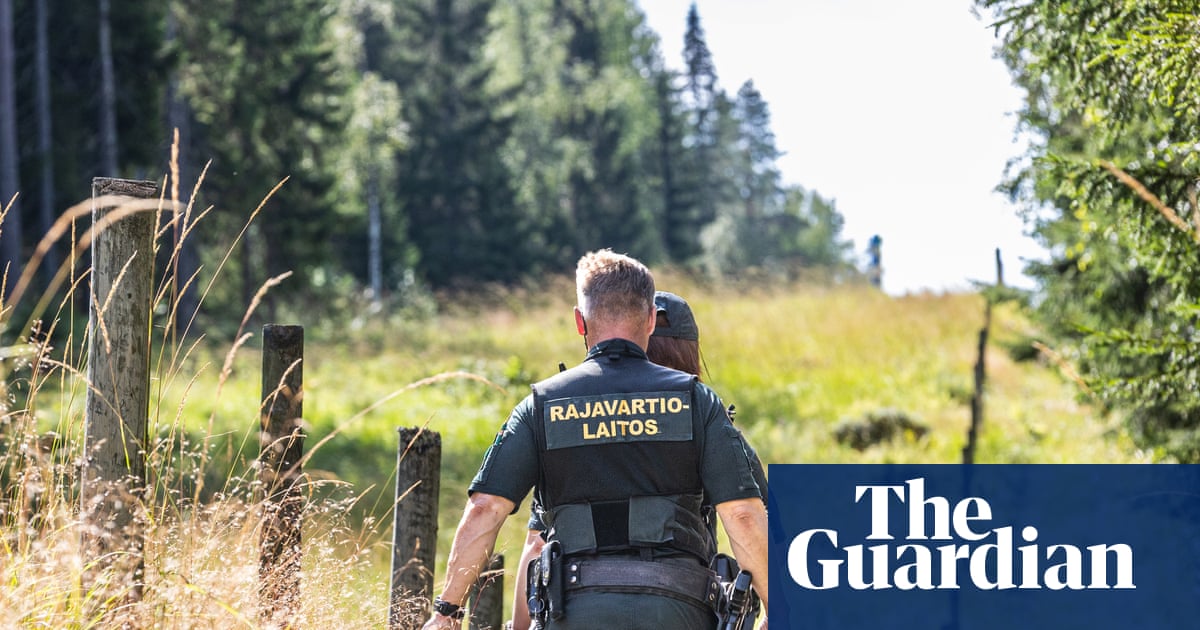
"Investing in nature and using nature as a natural border control is necessary, and actually increases biodiversity. It's a win-win. Poland and Finland, which both share land borders with Russia or Russian allies, have rewilded areas near their frontiers, making invasion more difficult. They transfer the land to more hostile nature, leaving bushes and trees. Then it's not so easy for others to cross it."
"We need to invest in nature. Water is the most obvious example. If we don't have water, we don't have security. Look at Ukraine where water infrastructure is under attack. It is crucial to invest in the infrastructure, and protect the infrastructure. Protecting towns and cities against flooding should also be seen in security terms."
"To reduce the impact of floods and droughts, we have to invest in nature—nature-based solutions like sponge cities. That's also a security issue. It's another part of security. Restoring wetlands also provided a natural barrier. It's very difficult for big tanks to go through."
The EU's environment commissioner advocates treating nature as a strategic defense asset for national security. Rewilding border areas with dense vegetation, trees, and wetlands creates natural barriers that impede military advancement while simultaneously improving biodiversity. Poland and Finland have successfully implemented this approach along their Russian borders. Beyond military deterrence, environmental resilience directly supports national security through water and food supply protection. Nature-based solutions like sponge cities reduce flood and drought impacts. The commissioner emphasizes that environmental failures pose security risks, particularly regarding water infrastructure, as demonstrated by attacks on Ukrainian water systems. Investing in natural infrastructure provides dual benefits of ecological restoration and enhanced territorial defense.
Read at www.theguardian.com
Unable to calculate read time
Collection
[
|
...
]