#design-oversight
#design-oversight
[ follow ]
#user-experience #design #product-design #ai #ux-design #ai-in-design #design-process #architecture #usability

fromThe Verge
2 days agoThe creative software industry has declared war on Adobe
All empires eventually fall, and it seems the creative software industry has collectively decided that Adobe's time has come. The Creative Cloud provider's suite of design tools have been considered the industry standard for decades.
Graphic design
#design

UX design
fromMedium
3 days agoOh, but there's one more thing
Designers must address real project challenges while navigating the evolving role of AI in the creative process.


fromMedium
1 month agoYou can't design what you won't maintain
Santa Cruz de Tenerife is one of the most idyllic cities in the Canary Islands. At its heart stands the jewel - the Auditorio. It's a place where talent from both worlds, New and Old, comes together. A theatre, opera, dance, and music heaven.
Berlin
UX design
fromLondon Business News | Londonlovesbusiness.com
3 days agoPhenomenon Studio: AI-Driven UI/UX Innovations Defining the 2026 Design Evolution - London Business News | Londonlovesbusiness.com
AI is now essential in UI/UX design, enabling anticipatory interfaces that enhance user experience and drive business success.
fromEntrepreneur
2 months agoThis Is the Secret to Building Products Customers Actually Love
Her payment form wasn't connecting to the payment processor, and every attempt ended in an error message that made no sense. I understood her frustration. As a founder myself, I was acutely aware of the pain of trying to run a business and feeling like nothing was going your way. When I dug into her form, I found the problem a few minutes later: a mismatch between test mode and live credentials.
Startup companies
Software development
fromMedium
1 month agoYou're still designing for an architecture that no longer exists
The traditional graphical user interface built on windows, menus, and clicks is being replaced by AI-driven environments where work happens through natural interaction without navigating applications or interfaces.
fromMedium
1 month agoIntegrating UX into capacity planning
Capacity Planning is the process of right-sizing the 'Total Project Demand' with the forecasted Team Capacity. Most UX teams have no idea what their capacity is. Fewer still have a process for calculating it and using it during quarterly planning activities with their counterparts in Product Management & Engineering to ensure teams don't commit to more work than they can handle.
Mobile UX
World politics
fromMedium
2 months agoBeyond the waterfall state: why missions need a different decision-making architecture
Government needs architectures that combine stewardship of stable systems with agile approaches enabling divergent creativity, collective judgement, and experimentation to manage uncertainty.
fromMedium
2 months agoInnovation is not magic; it's technique
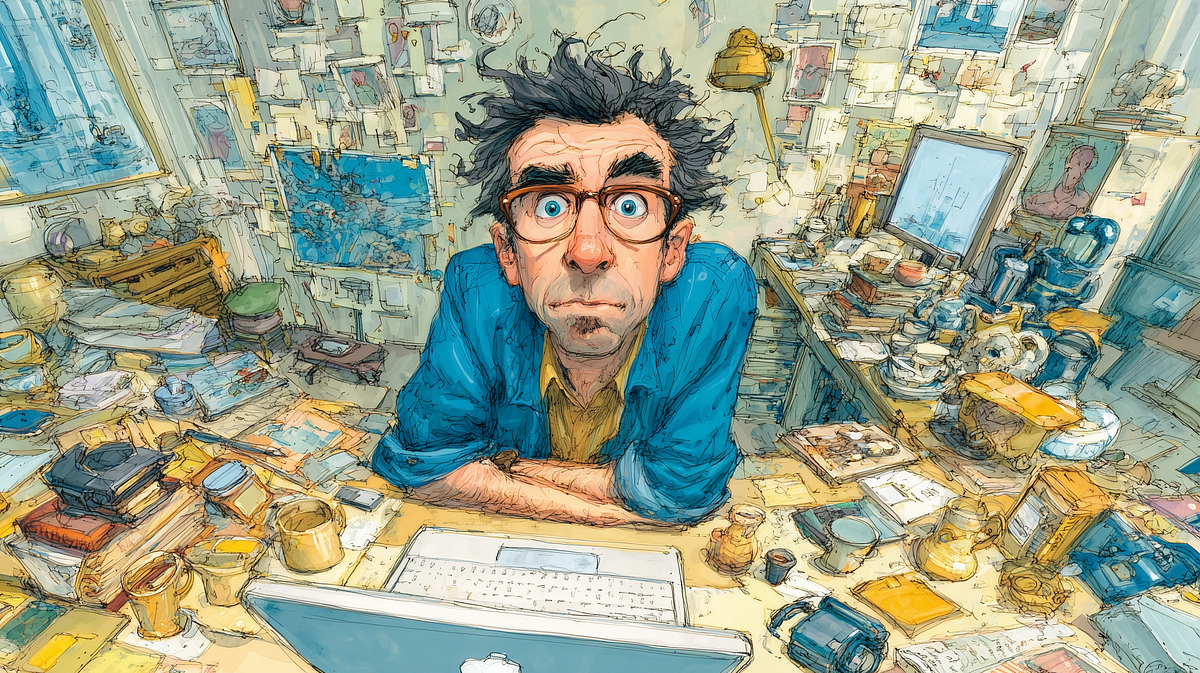
Maybe this stake is more prominent in start-up environments, where new ideas surface every day and the opportunity for growth is potentially wider. Philosophies like "Build fast, fail fast" are at the core of an agile mindset, helping us determine whether an idea is viable in the early stages or whether a pivot is necessary to achieve the desired numbers and experience.
Startup companies
fromMedium
1 month agoThe craft of the instruction
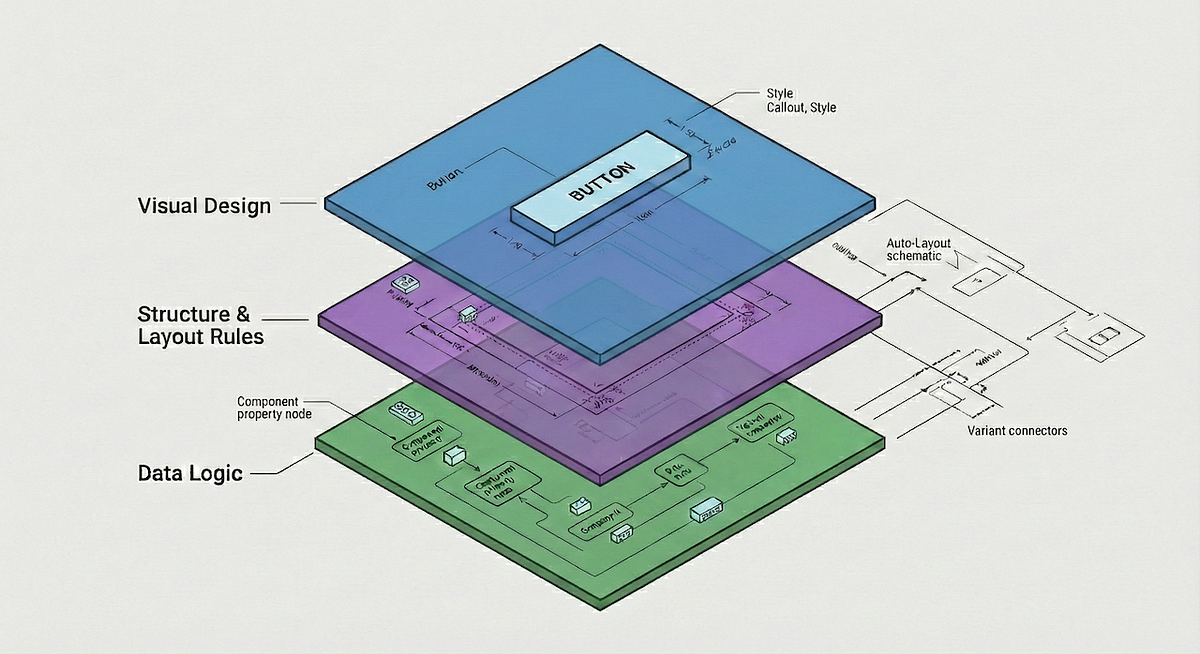
Instructions I created. Instructions I am continuing to hone - instructions that required me to study my own old essays, identifying what I do when I write. The sentence rhythms. The way I move between timescales. The zooming in and out from concept to detail. The instructions tell Claude how I would like ideas composed. I pull together concepts and experiences from my lived expertise to formulate a point of view - in this case, on this new AI technology.
Design


fromMedium
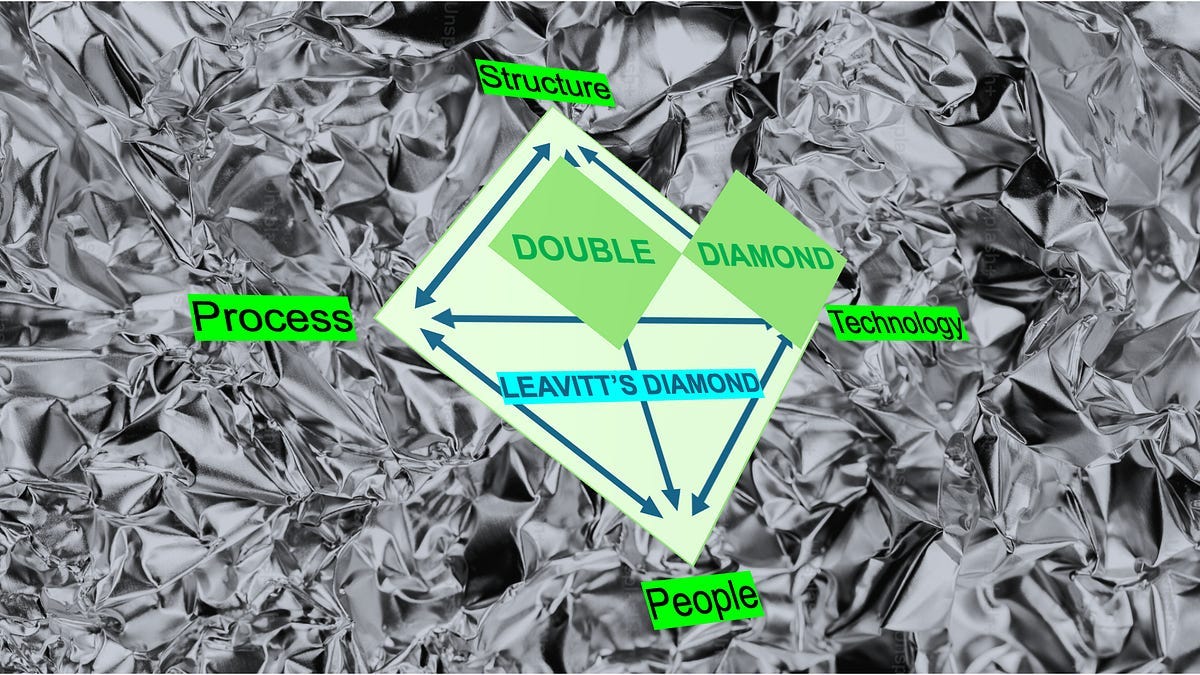
1 month agoLeading design teams is easy, but we made it complicated
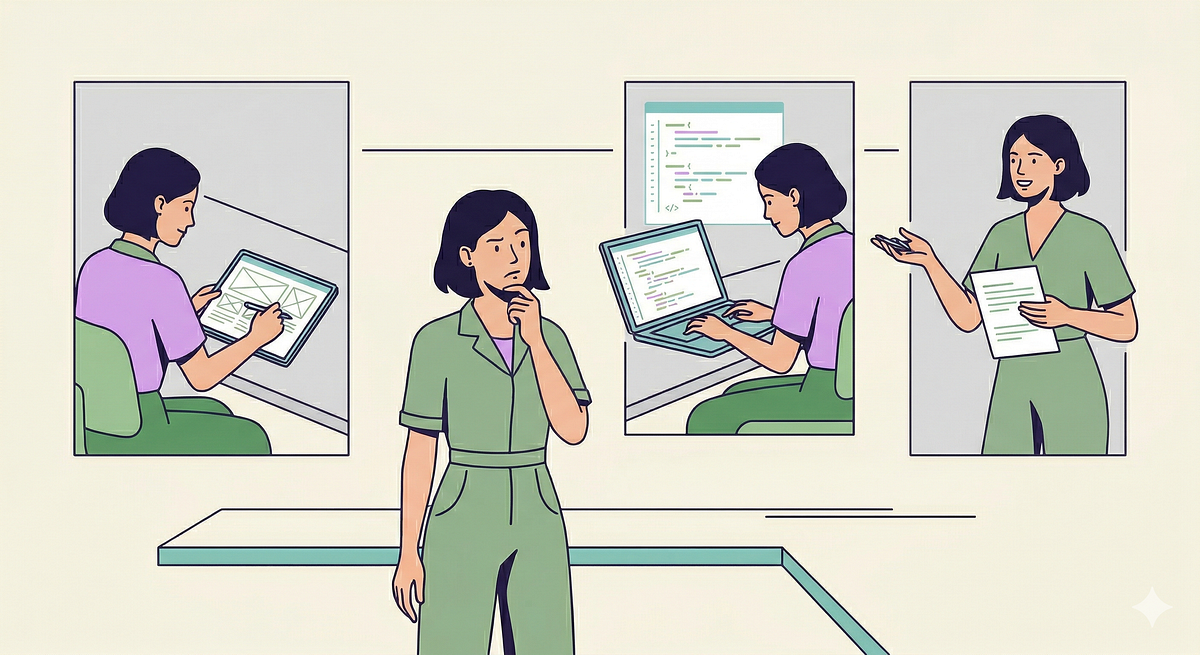
Most of these companies start the journey from a functional standpoint, avoiding extra layers that may "divert users' attention", such as refined flows, potential edge cases, and, sometimes, proper visual design foundations and user experience. Here, the goal is to ship the product first to validate its value, then address other considerations.
UX design
fromdzone.com
2 months agoUX Research in Agile Product Dev: AI Workflows that Work
During my eight years working in agile product development, I have watched sprints move quickly while real understanding of user problems lagged. Backlogs fill with paraphrased feedback. Interview notes sit in shared folders collecting dust. Teams make decisions based on partial memories of what users actually said. Even when the code is clean, those habits slow delivery and make it harder to build software that genuinely helps people.
UX design
fromMedium
7 months agoWho are we designing for now?
AI is disrupting more than the software industry, and is doing so at a breakneck speed. Not long ago, designers were deep in Figma variables and pixel-perfect mockups. Now, tools like v0, Lovable, and Cursor are enabling instant, vibe-based prototyping that makes old methods feel almost quaint. What's coming into sharper focus isn't fidelity, it's foresight. Part of the work of Product Design today is conceptual: sensing trends, building future-proof systems, and thinking years ahead.
UX design
[ Load more ]