Data science
fromMedium
12 hours agoWhat is a Datathon? And Why You Should Join One
Datathons are collaborative events where participants analyze real-world datasets to generate insights and solve practical problems.
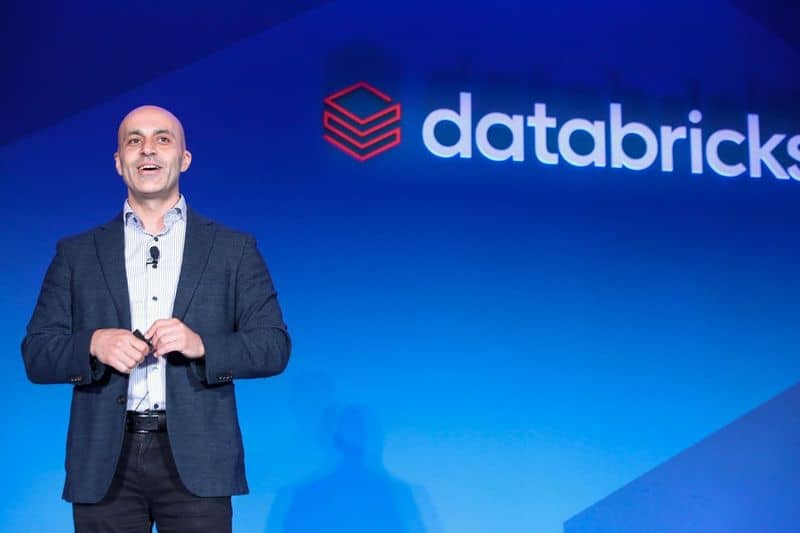
Wiggins will lead a team that optimizes the use of machine learning and artificial intelligence to improve outcomes company-wide, from maximizing advertising and subscriber revenue to creating unique and personalized experiences for users.
You make a small change to your table, adding a single row, and it affects data lake performance because, due to the way they work, a new file has to be written that contains one row, and then a bunch of metadata has to be written. This is very inefficient, because formats like Parquet really don't want to store a single row, they want to store a million rows.
"This is more likely to complement existing SIEMs than replace them. Early adoption will come from large enterprises already committed to Databricks, especially those seeking flexibility or cost control."
Weather impacts sales. Every retailer knows it. But for most, the likelihood that it might rain, snow, or sleet on the third of March somewhere in the Midwest is rarely used. Vendors such as Weather Trends have offered accurate, long-range forecasts for more than 20 years. But the opportunity is not predicting the weather; it's knowing what to do with the data. AI might change that.
Imagine you're selecting an influencer to work with on your new campaign. You've narrowed it down to two, both in the right area, both creating the right sort of content. One has 24.6 million subscribers, the other 1.4 million. Which do you choose? Now imagine you could find out the first had 8.7 million unique viewers last month, while the second had 9.9 million. Do you want to change your mind?
Developers have spent the past decade trying to forget databases exist. Not literally, of course. We still store petabytes. But for the average developer, the database became an implementation detail; an essential but staid utility layer we worked hard not to think about. We abstracted it behind object-relational mappers (ORM). We wrapped it in APIs. We stuffed semi-structured objects into columns and told ourselves it was flexible.
Snowflake adds observability capabilities via Trail The company also added new observability features in the form of Snowflake Trail, which provides visibility into data quality, pipelines, and applications, enabling developers to monitor, troubleshoot, and optimize their workflows. It is built with OpenTelemetry standards so developers can integrate with popular observability and alert platforms including Datadog, Grafana, Metaplane, PagerDuty, and Slack, among others.
The title "data scientist" is quietly disappearing from job postings, internal org charts, and LinkedIn headlines. In its place, roles like "AI engineer," "applied AI engineer," and "machine learning engineer" are becoming the norm. This Data Scientist vs AI Engineer shift raises an important question for practitioners and leaders alike: what actually changes when a data scientist becomes an AI engineer, and what stays the same? More importantly, what skills matter if you want to make this transition intentionally rather than by accident?