#children-and-science
#children-and-science
[ follow ]
#parenting

Parenting
fromSilicon Canals
3 days agoChildren who grew up in the 1960s and 70s without structured schedules didn't just learn independence - they built an internal compass that modern children, supervised into adolescence, are rarely given the chance to develop - Silicon Canals
Children today have less freedom and fewer opportunities to solve problems independently compared to previous generations.


Parenting
fromSilicon Canals
3 days agoChildren who grew up in the 1960s and 70s without structured schedules didn't just learn independence - they built an internal compass that modern children, supervised into adolescence, are rarely given the chance to develop - Silicon Canals
Children today have less freedom and fewer opportunities to solve problems independently compared to previous generations.
#ai-in-education

Artificial intelligence
fromeLearning Industry
2 weeks agoA 4-Step Framework For Using AI Transparently In Educational Content
EdTech companies should transparently disclose their AI usage to build trust and ensure responsible content creation.
Online learning
fromeLearning Industry
1 week agoRethinking Education With AI: Create More Engaging Learning Experiences With AI-Powered Learning Design
AI can enhance learning design by personalizing experiences and improving relevance, but risks of generic content and diminished critical thinking remain.
Online learning
fromeLearning Industry
1 week agoRethinking Education With AI: Create More Engaging Learning Experiences With AI-Powered Learning Design
AI can enhance learning design by personalizing experiences and improving relevance, but risks of generic content and diminished critical thinking remain.

#child-development
Parenting
fromPsychology Today
1 day agoUnderstanding Why Your Child Does Not Listen
Listening is a learned skill for children, not an inherent trait, and requires consistent teaching and understanding of their developmental stage.
Parenting
fromPsychology Today
5 days agoHow to Use Storytime as a Stress-Relief Tool for Kids
Children absorb adult stress, impacting their behavior and emotions, while shared reading helps regulate stress and build emotional security.


fromeLearning Industry
3 days agoDiagnostic Assessment In Education: A Strategic Guide For K-12 And Higher Ed Teachers
A diagnostic assessment is a pre-instruction evaluation used to identify learners' prior knowledge, skill gaps, and misconceptions before teaching begins. Its purpose is not to grade performance, but to inform decisions about teaching, pacing, and support.
Education
fromDaily Mom magazine
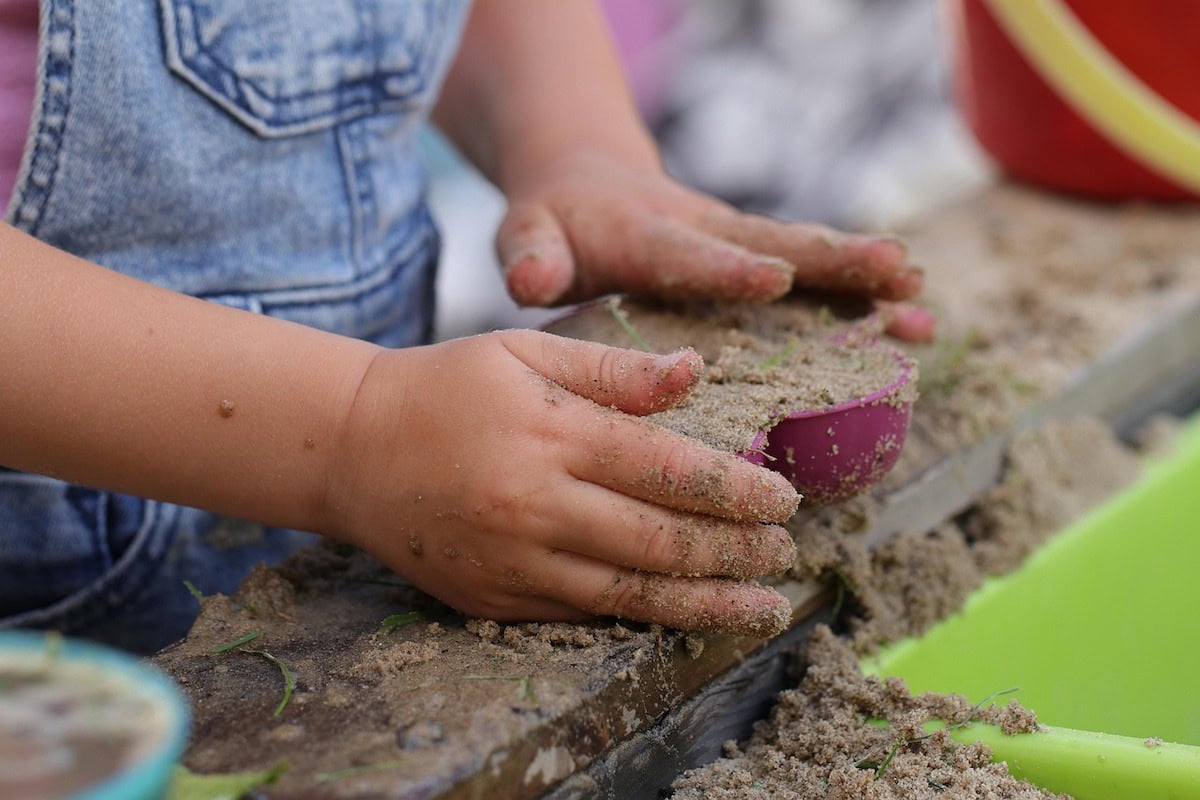
2 weeks agoToddler Fun: Engaging Outdoor Activities For 2 Year Olds
Outdoor sensory play is a fun and educational way for babies and toddlers to explore the world. Activities like digging in soil or feeling different textures promote hand-eye coordination and early science learning.
Parenting
Psychology
fromSilicon Canals
1 month agoBehavioral science says people who learned about life outside the classroom didn't miss an education - they got a different one, built from necessity and curiosity rather than curriculum, and the thinking it produces is less organized and considerably harder to break - Silicon Canals
Real learning occurs through direct experience and active engagement outside formal education, producing more resilient and adaptable thinkers than classroom instruction alone.
Miscellaneous
fromPsychology Today
1 month agoKids Today: Thoughts From Research, Practice, and the Classroom
Each generation faces unique challenges; today's youth deserve recognition for their perspectives rather than dismissal, as evidenced by clinical research, therapeutic practice, and educational settings.
Books
fromwww.theguardian.com
2 months agoParents, please don't stop reading to your children a great picture book could change their life | Sally Rippin
Reading picture books aloud builds vocabulary, phonological awareness, brain development and gives children a school advantage while representing diverse family experiences.
Artificial intelligence
fromYanko Design - Modern Industrial Design News
1 month agoThe Kids' AI Tool That Ends With Crayons, Not Screens - Yanko Design
Morrama's Create device uses AI to generate line drawings from children's spoken prompts, then prints them for analog coloring, positioning AI as a conversation starter rather than a task completer.
Higher education
fromPsychology Today
1 month agoTeachers Are the Architects of Human Potential
Schools in 50 years will likely shift from knowledge transmission to developing human potential, with teachers as facilitators fostering creativity, resilience, and adaptive thinking rather than standardized achievement.
Higher education
fromFast Company
2 months agoThese historic computing labs teach kids what technology was like before phones, social media, and the cloud
A retrocomputing lab provides hands-on access to typical 1980s–2000s computers so students can directly experience historical computing environments.
fromDaily Mom magazine
1 month ago20+ Toddler Busy Bag Ideas: Entertain Littles With Exciting Activities
Busy bags are like secret weapons for moms who need a few moments of peace without turning to screens. They're fun, easy to put together, and full of creative play that toddlers and preschoolers will actually enjoy.
Parenting
Parenting
fromwww.bbc.com
1 month agoAI toys for young children need tighter rules, researchers warn
Researchers call for stricter regulation of AI-powered toys for toddlers after finding they frequently misunderstand children, respond inappropriately to emotions, and may confuse early social development.
fromeLearning Industry
1 month agoCollective Learning In Education: Designing Learning Systems That Think Beyond The Individual
Collective learning is how a group or system creates, improves, and keeps knowledge. This knowledge lasts beyond any one person or cohort. That is the most practical collective learning definition, because it shifts the focus away from individuals and toward the learning system itself.
Online learning
Education
fromwww.theguardian.com
2 months agoMy youngest is starting school for the first time. How can I best preserve his relentless curiosity? | Shadi Khan Saif
Curiosity is both innate and nurtured, evident as a child drawn to books and a brother who cultivated a love for reading despite hardship.
fromPsychology Today
2 months agoWhat Homeschooling Taught Me
Like most Americans, my view of homeschooling was framed through the lens of abnormality. My own public-school education was my only frame of reference. Although my own experience wasn't great, it was familiar. It was the system I knew. As a college professor, I regularly saw the academic gaps my students carried with them from their public-school education. Yet even then, I struggled to imagine an alternative. My instinct was always to fix the existing system, not step outside of it.
Education
Education
fromSilicon Canals
1 month agoPsychology says people who educated themselves through reading and curiosity instead of formal degrees solve problems in a fundamentally different way - and these 8 cognitive patterns explain why classrooms can't replicate it - Silicon Canals
Self-taught learners achieve innovative solutions by connecting learning directly to problems they want to solve, rather than learning subjects first and seeking applications later.
fromBuzzFeed
2 months agoJust 40 Toys That'll Have Your Kids Completely Entranced (And, Hopefully, Out Of Your Hair)
As a parent myself, I know what I'm mostly looking for when buying another toy is that it'll ACTUALLY keep my kids engaged long enough to bring a sliver of peace to my home (a tough task, to say the least!). From Magna-Tiles and the new Toniebox 2 to colorful sensory tubes and a LeapFrog Touch and Learn eReader, my kids have tried out enough of these items to lead you in the right shopping direction!
Parenting
[ Load more ]