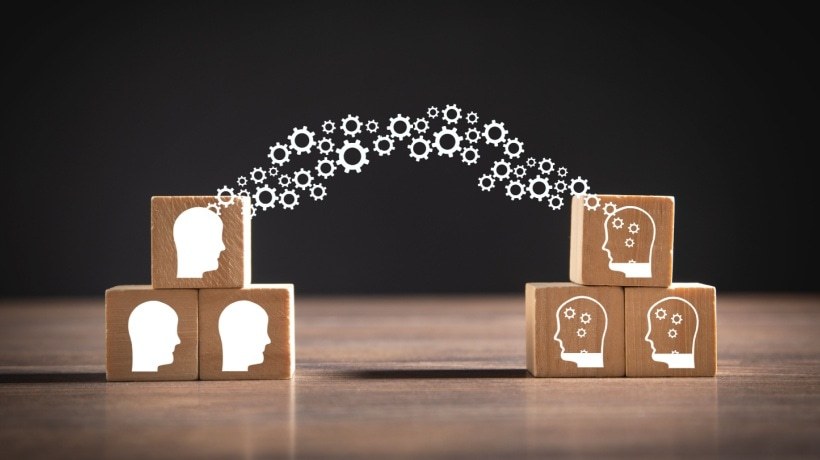
"Collective learning is how a group or system creates, improves, and keeps knowledge. This knowledge lasts beyond any one person or cohort. That is the most practical collective learning definition, because it shifts the focus away from individuals and toward the learning system itself."
"As groups learn together over time, they create shared ideas, common terms, and agreed meanings. This understanding is not fixed. Through gaining knowledge together, it gets tested, improved, and sometimes changed as new experiences and viewpoints come into play."
"To understand what collective learning is in history, think about universities, professional schools, or even apprenticeships. Knowledge did not live only in individual minds. It was passed down, documented, debated, and improved across generations."
Collective learning represents a system-level approach to knowledge creation and retention where groups build understanding together over time. Unlike individual learning, collective learning ensures that knowledge, insights, and shared understanding accumulate and persist across cohorts and generations. As groups learn together, they develop shared ideas, common terminology, and agreed meanings that evolve through testing, improvement, and adaptation to new experiences and perspectives. Historical examples include universities, professional schools, and apprenticeships where knowledge was documented, debated, and refined across generations. Modern educational applications include programs where students learn collaboratively each year, courses guided by student priorities, and classrooms designed to gather and build knowledge systematically.
#collective-learning #knowledge-retention #educational-systems #shared-understanding #institutional-learning
Read at eLearning Industry
Unable to calculate read time
Collection
[
|
...
]