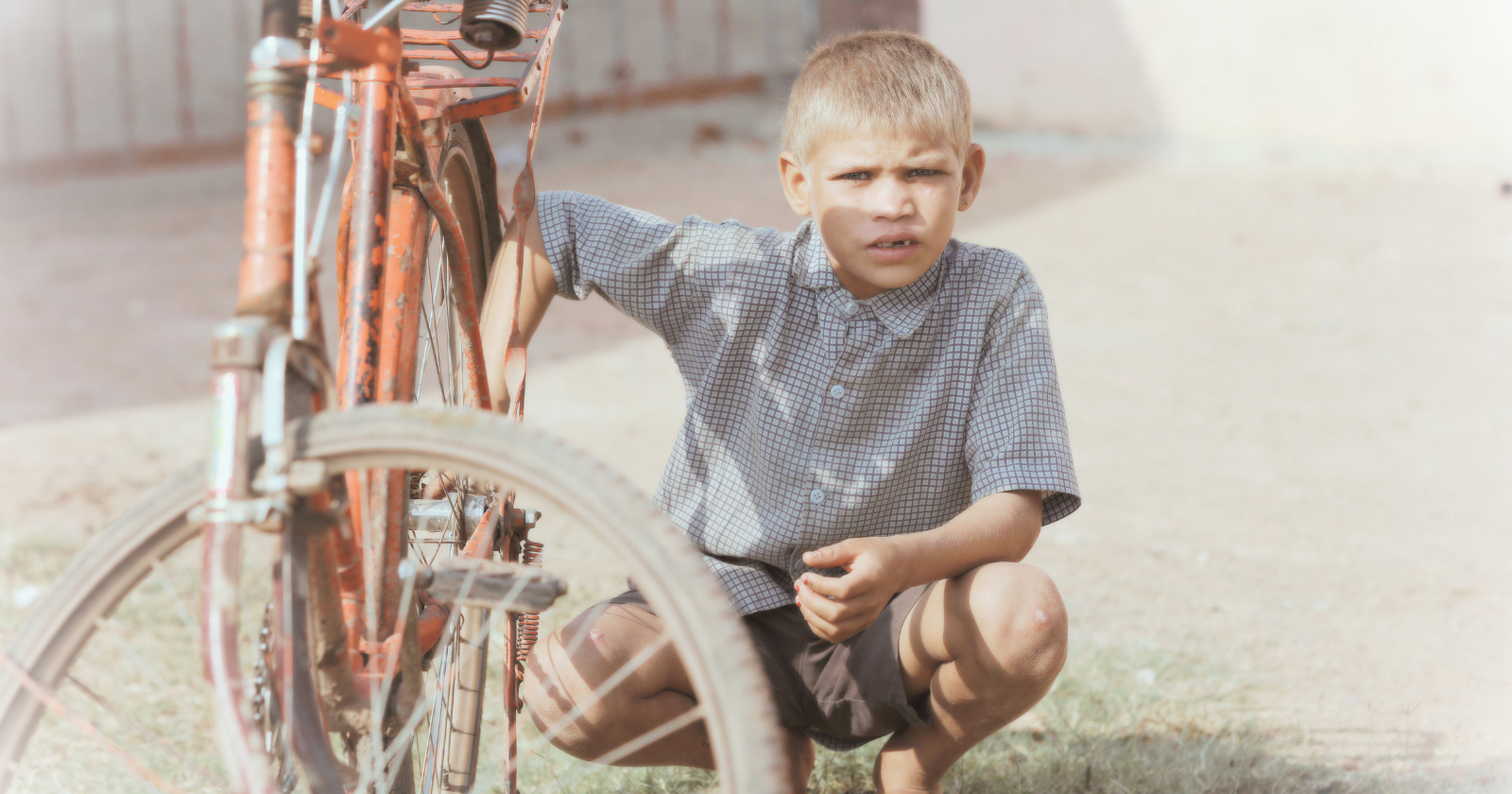
"We learned to trust ourselves in a way that kids today rarely get the chance to develop. We learned to solve problems without a safety net. When I was twelve, my bike chain broke five miles from home. No cell phone to call for help. No parent hovering nearby with a solution. So I figured it out."
"My sons never had moments like that. If something broke, an adult was there to handle it. If they had a problem with another kid, a teacher or coach stepped in. They grew up safe and supervised. But they also grew up without learning that they could handle things on their own."
"Our parents just understood something that got lost along the way: kids need to struggle a little. They need to fail when the stakes are low. They need to discover they can figure things out."
Children's childhood experiences have drastically changed, with modern parenting emphasizing supervision and scheduled activities. Previous generations enjoyed more freedom, learning to trust themselves and solve problems independently. The author reflects on how their own children parent, noting a tendency to intervene in minor issues rather than allowing kids to navigate challenges. This shift has led to a lack of resilience and problem-solving skills in today's youth, as they are often shielded from failure and struggle.
Read at Silicon Canals
Unable to calculate read time
Collection
[
|
...
]