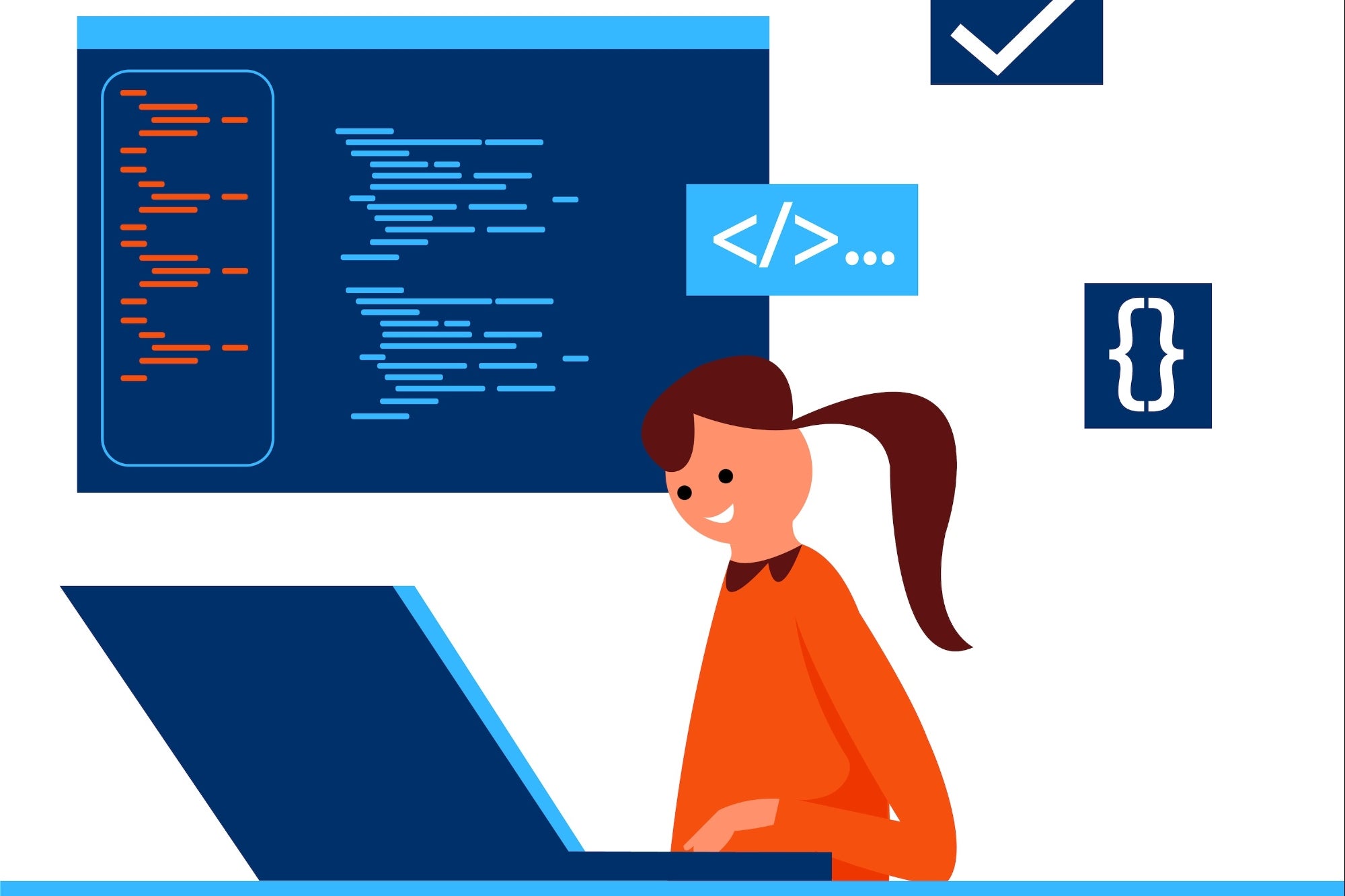
Coding is simply the act of giving instructions to a computer. Those instructions are written in programming languages that follow specific rules, but at a beginner level, the focus is not on perfection or complexity. It is on learning how to think through problems step by step. Learning to code helps you: understand how websites and applications work break problems into smaller, manageable pieces think logically and clearly about processes build confidence through hands-on creation develop skills that transfer across many roles
Have you ever had a facepalm moment when you're troubleshooting a problem, and suddenly a cause or solution you'd overlooked becomes obvious? You sheepishly realize you'd wasted time going down the wrong track. This happened to me recently. I was working on a coding project, and a small error was driving me batty. I kept asking an AI chatbot to fix my code, but none of the fixes solved it.
Jake and Alma had yet another argument about money-budgets, who was spending what-but, like the others, it led to nowhere productive. But for other couples, it might not be about money but sex, or children's bedtimes. What they all have in common is that problems are not being resolved. This, unfortunately, is a common problem and pattern that, over time, can erode the relationship. These unsolved problems act as landmines that everyone learns to walk around, but which create an atmosphere of ongoing tension.
Sales is about solving problems rather than pushing products. Start with discovery by asking open-ended questions to uncover client pain points, listening more than talking.
First principles thinking is literally just breaking down complicated problems into their basic, underlying facts and rebuilding solutions afresh from scratch. Instead of analogizing solutions from one's own background (or worse, copying competitors), this process forces you to question assumptions, drill down, and generate true innovation.