Cooking
fromTasting Table
2 days agoThis Simple Pizza Is Actually One Of The Hardest To Master - Tasting Table
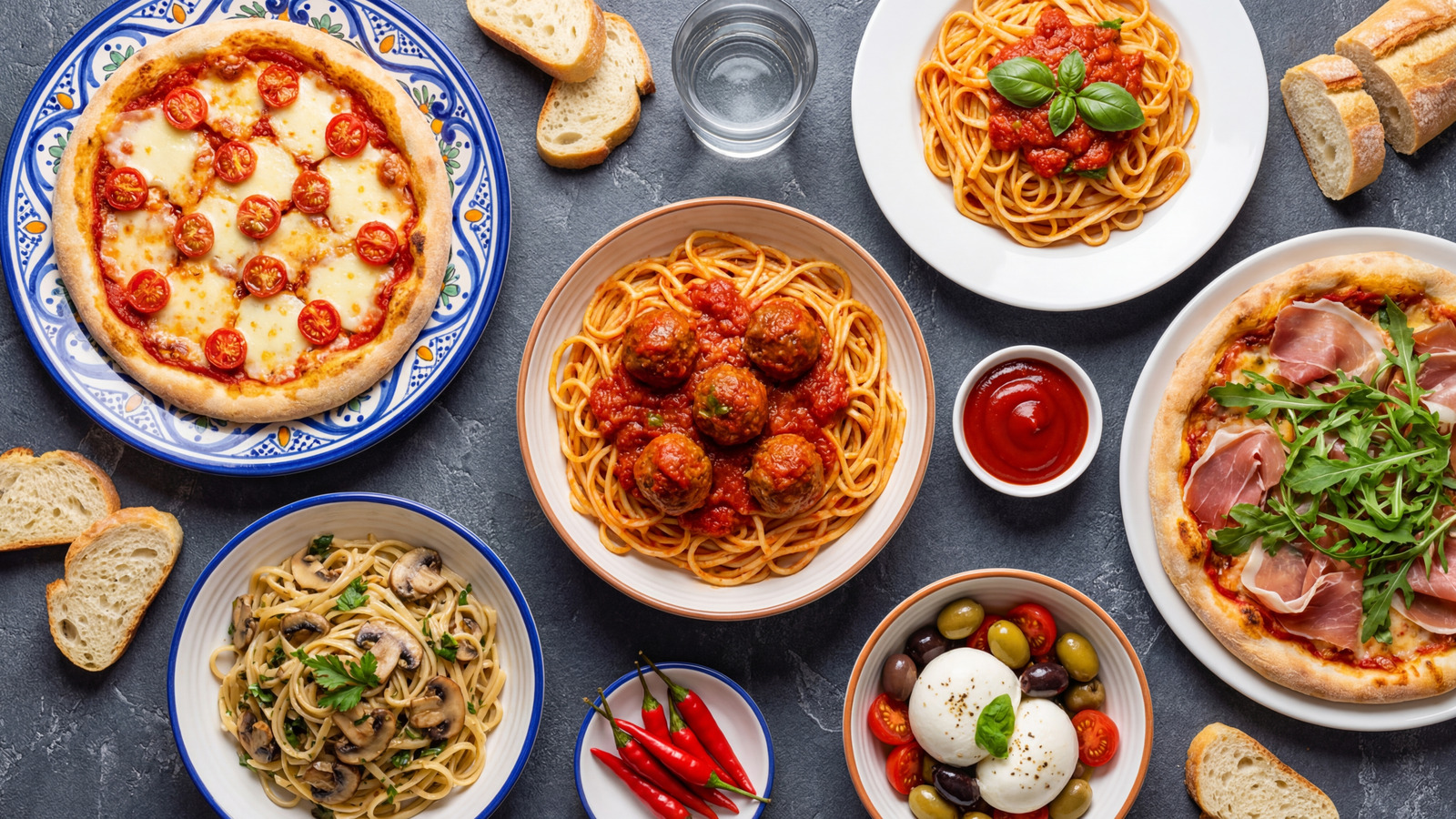
Modern pizza originated in Naples in the 17th century, evolving from a working-class food to a culinary icon with the Margherita pizza.
"It was in really bad shape, but I sensed its potential," he says. When his future client, a Swiss teacher who fell in love with the Italian Riviera, walked into his office, even she was skeptical. "Many people were," he continues. "It was an abandoned and damp property, but I convinced her. Now she's happy."
Historically speaking, an osteria was a spartan, no-frills establishment where people would go to have a drink. The original osterias date all the way back to the Roman Empire. If you go to Ostia Antica or Pompeii, you find the osterias of the era. They were like bed-and-breakfasts, with rooms for rent above the dining room where people could listen to music.
levelled much of the city. Along with homes, churches and monuments, invaluable historical sources and documents were lost, including works by Messina's greatest son, Antonello da Messina, the artist widely credited with transforming the course of Renaissance art. In the space of half a minute, a city's memory and that of one of the greatest painters in history was buried alongside its people.
The remains of a monumental hall belonging to a 4th-century episcopal palace have been discovered at Ostia Antica, Rome's ancient port town. The base of the structure is eight by 20 meters (ca. 26 by 65 feet) and the walls were an estimated eight meters high. This is an extraordinarily large space, and it was richly decorated with mosaic floors and marble panels.
Pasta and peas was one of the staple meals my mom made for us growing up. We probably had it at least once a week. She learned the recipe from my grandma Tina, and it was a simple, inexpensive dish to throw together-just pasta and frozen peas cooked with a bit of chicken broth and aromatics topped with grated parm.
Alice is the kind of place you tuck into your back pocket and casually gatekeep. Perfect for a cozy date night with your favorite fling in the cityor yes, your long-term partner who still knows how to flirt. You descend beneath a historic Greenwich Village brownstone and suddenly feel like you've entered a velvet-lined jewelry box of small, glittering pleasures. Low light. Oceanic blues. Candle glow. A hum of conversation that feels conspiratorial rather than loud. The prosecco is marvelous, and it knows it.
Gravy runs in my veins. Tomato gravy. The kind that starts out at 8 a.m. on a stovetop and is still gently bubbling away come 5 p.m., slippery with fat from meatballs and sausages braised to unparalleled levels of tenderness. I am only half Italian, but it is certainly the louder half, descended from uncles who pounded a dinner table to punctuate a sentence, a grandfather who made wine in his basement, and a grandmother who wielded a wooden spoon like a scalpel in the kitchen and a cudgel everywhere else.
The ravioli-type dish, also known as casunziei all'Ampezzana, consists of homemade half-moon shaped pasta filled with boiled beets, topped with a sauce of melted butter, Parmesan cheese and poppy seeds. It's a simple dish that harks back to the Alpine region's poorer past - long before Cortina transformed into a winter playground for the international jet set. Even in the coldest days of winter, local families had the ingredients in their cupboards.
During my recent 17-day trip there, I realized Ischia has everything its more popular neighbor offers - great shopping, a castle, beaches, a botanical garden - but with fewer tourists. Here's why it belongs on your Italy itinerary.
Among the Pontine Islands, Palmarola emerges as an unspoiled, scenically unique land. You'll find no big luxury resorts, loud clubs, or lines of restaurants. There aren't even any paved roads, or an established electrical grid-and there's certainly limited telephone coverage, so forget working from home. However, the lack of modern amenities means less traffic and crowds.
Last summer, I found myself in Venice during peak tourist season. The crowds were suffocating. Every piazza felt like a theme park, every restaurant seemed designed for Instagram rather than actual dining. Standing on the Rialto Bridge, packed shoulder to shoulder with thousands of other visitors, I couldn't help but wonder: is this really Italy? That question stayed with me long after I returned to London.


:max_bytes(150000):strip_icc()/ponza-italy-HERO_ITALYISLAND0722-106994d7814a4d09ac1ecb2e4082d0dd.jpg)



:max_bytes(150000):strip_icc()/TAL-header-venice-canal-snow-WINTERVENICE0226-73cd5024a6e6451492dc0e93c1708fa8.jpg)