#archival-curation
#archival-curation
[ follow ]
#internet-archive #british-museum #digital-preservation #cultural-heritage #wayback-machine #archaeology

Data science
fromLondon Business News | Londonlovesbusiness.com
3 days agoThe importance of reliable sample storage in modern research - London Business News | Londonlovesbusiness.com
Reliable sample storage is essential for preserving biological materials and ensuring the integrity of research and clinical trials.
fromThe Art Newspaper - International art news and events
3 days agoSustainability charity Gallery Climate Coalition launches new consultancy to support climate action
"The idea for a dedicated consultancy arm actually predates GCC's launch in 2020. Right from the beginning, it was clear that while shared standards, tools and advocacy are essential, many organisations would require hands-on, tailored support to implement meaningful change."
Arts
fromOpen Culture
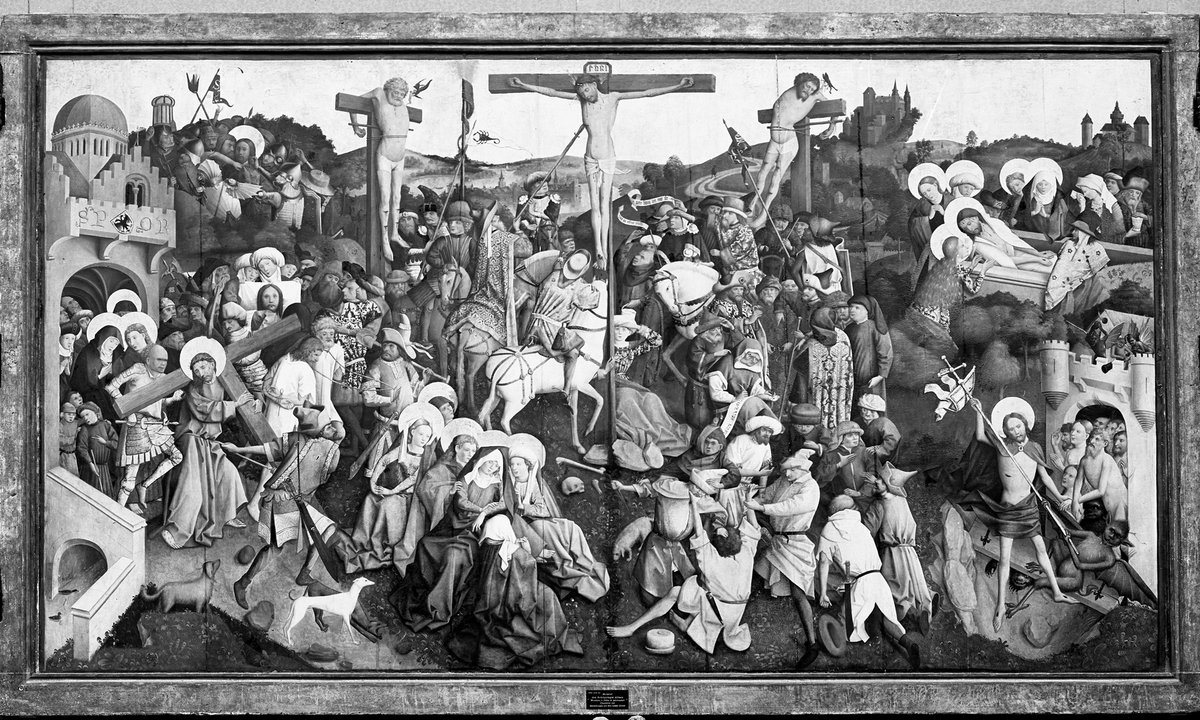
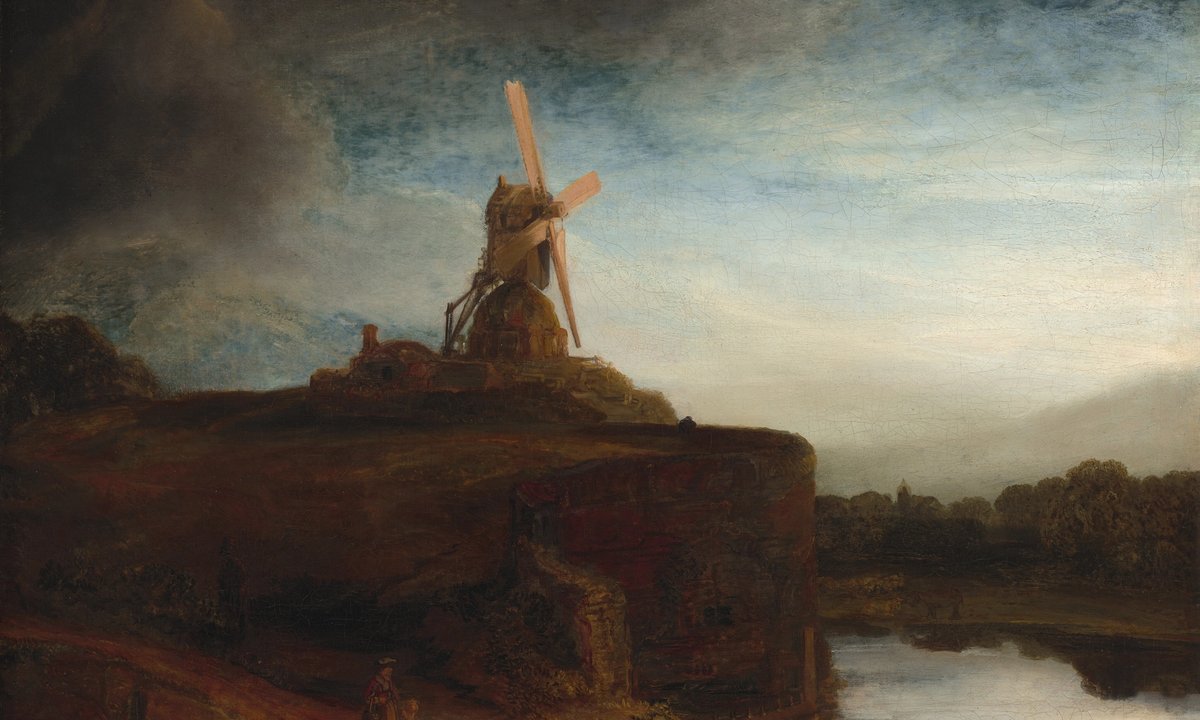
2 weeks agoExplore 1,000,000 Digitized Artworks from Across the UK: Paintings, Sculptures, Street Art & More
Art UK has taken it as its mission to digitally unite one million artworks from 3,500 institutions. This free-to-all portal connects everyone with the UK's public art collections.
London
fromFortune
2 weeks agoOne fan secretly recorded 10,000 concerts over 40 years. Now volunteers are racing to save the tapes before they disintegrate | Fortune
The growing Aadam Jacobs Collection is an internet treasure trove for music lovers, especially for fans of indie and punk rock during the 1980s through the early 2000s.
NYC music
fromThe Art Newspaper - International art news and events
2 weeks agoLondon's V&A launches webpage exploring provenance of its objects
The new webpage, entitled 'How have objects come to be in the V&A?', points out that for some objects, their journeys have involved known histories of violence, coercion or injustice, while for others there remains uncertainty over exactly how they came to be here.
Arts
fromInside Higher Ed | Higher Education News, Events and Jobs
1 month agoHow Libraries Shape AI Literacy on Campus
Librarians have been actively collaborating and talking about it almost every day, whether it's creating tutorials and digital learning objectives or thinking about the conversations to have with instructors. It can feel like cognitive dissonance to be actively working with AI on a regular basis and also saying we're constantly thinking about the harms and the biases.
Higher education
Media industry
fromElectronic Frontier Foundation
1 month agoBlocking the Internet Archive Won't Stop AI, But It Will Erase the Web's Historical Record
Major newspapers are blocking the Internet Archive from preserving their websites, threatening decades of historical records that journalists and researchers depend on.
Information security
fromSecuritymagazine
1 month agoObject-Specific Protection: The Non-Negotiable Foundation of Art and Asset Security
Object-specific protection is essential as a primary security layer to prevent art theft, as comprehensive facility-wide systems fail when adversaries physically interact with high-value objects without triggering alarms.
fromMedievalists.net
1 month agoNew Medieval Books: Approaching Records of the Household and Wardrobe - Medievalists.net
The Household and Wardrobe Accounts are English records that document the daily needs of the king and his family. This book serves as a guide to these sources, showing how they can be used and what valuable insights they offer into medieval government.
History
fromThe Art Newspaper - International art news and events
1 month agoMummies and other human remains held in UK museums raise serious ethical questions, warn scholars
The significant number of ancestors held in UK museums is extremely distressing and symbolic of the colonial origins of these collections. We hope that the responses gathered by The Guardian will be shared with the relevant communities to support them in bringing their ancestors home.
London
fromThe Art Newspaper - International art news and events
1 month agoComment | Museums must be the leaders in a moral revolution
Bregman claims, 'Today the whole of Europe risks turning into one big Venice, a beautiful open-air museum. A great destination for Chinese and American tourists. A place to admire what was once the centre of the world.' This statement encapsulates the concern that Europe is losing its cultural significance.
Arts

fromArchDaily
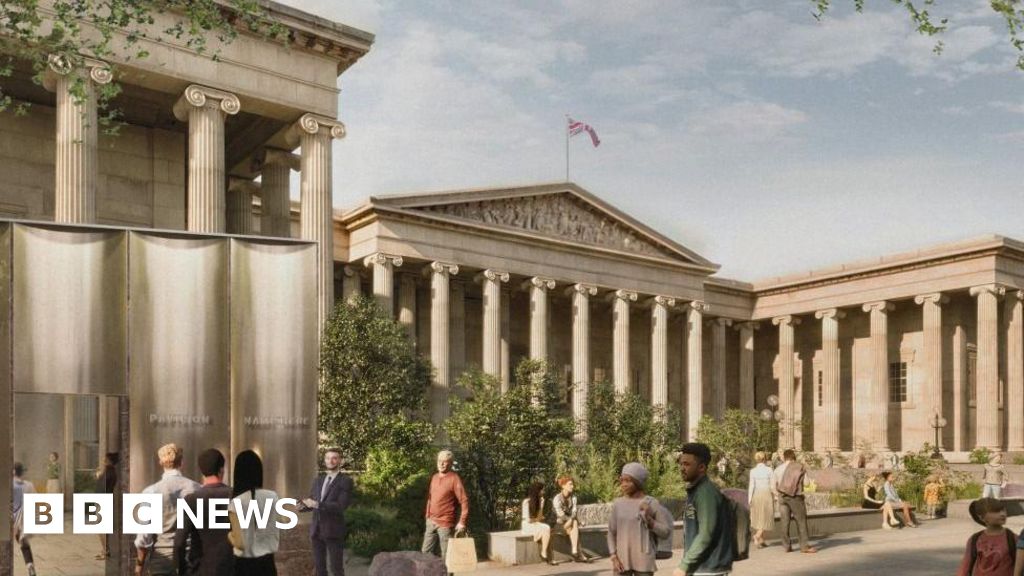
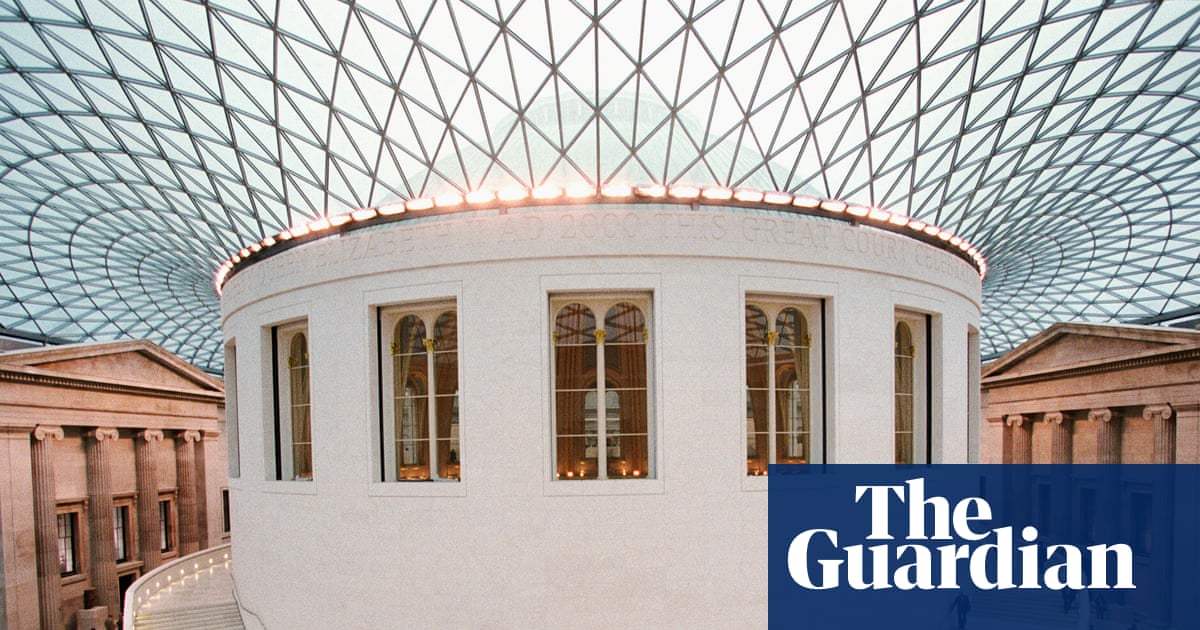
1 month agoArchiving the Technosphere: How Museum Architecture Mediates Human-Made Systems
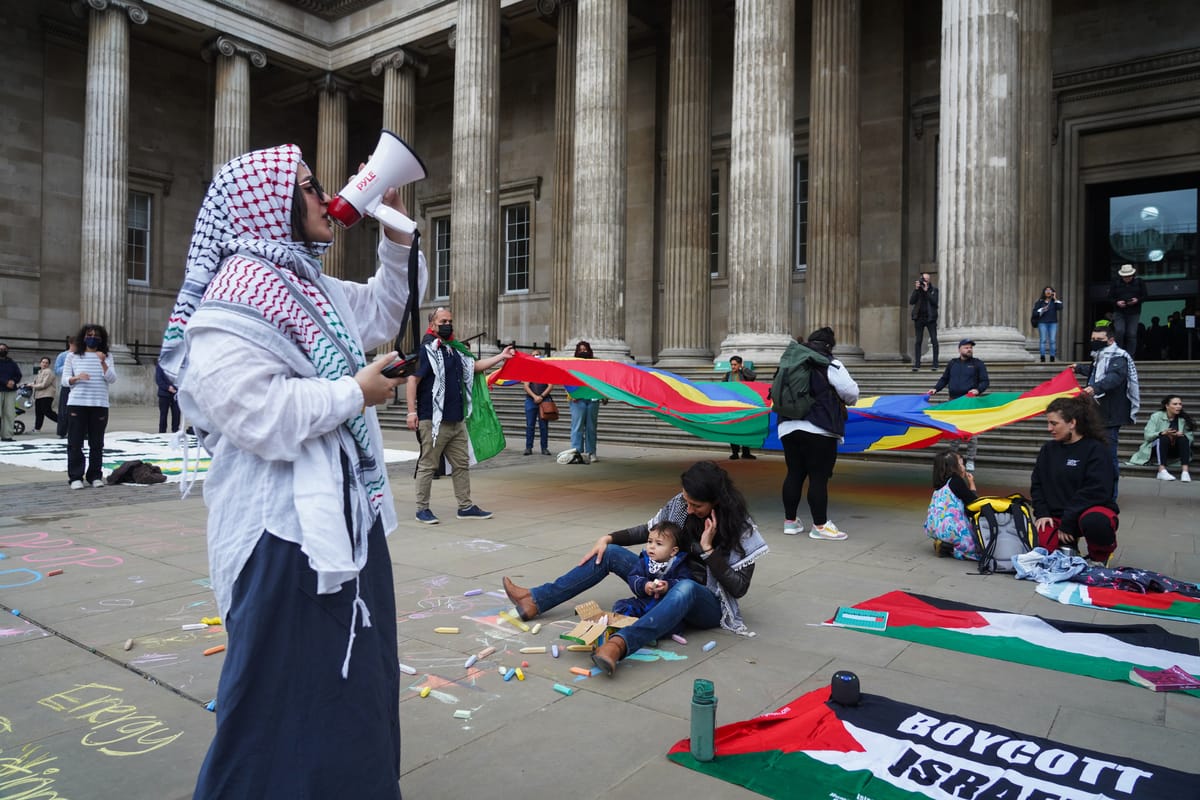
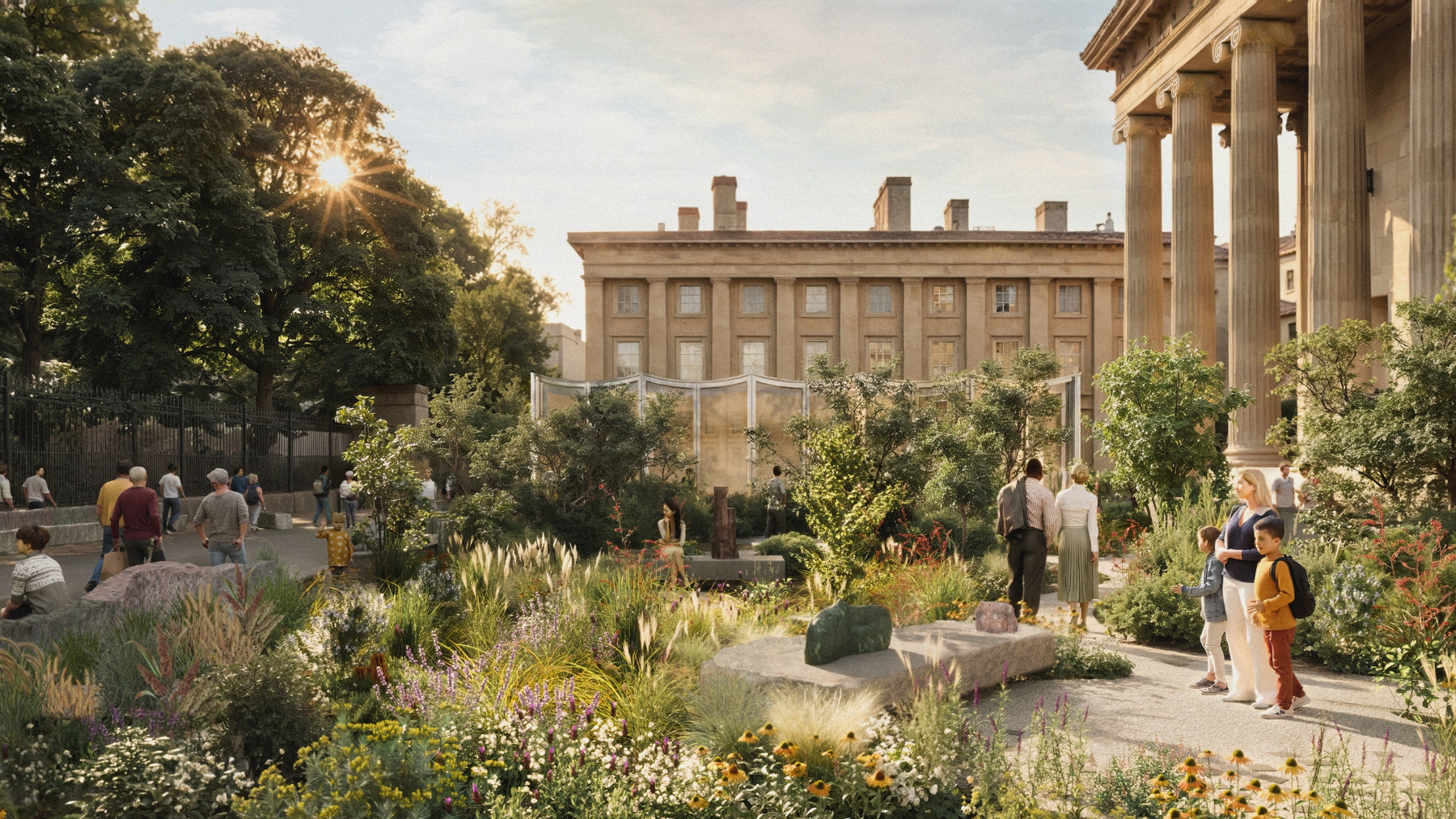
The contemporary technology museum has emerged as a performative participant in the systems it seeks to document. The architecture of these institutions has become increasingly fluid and bold, often mirroring the velocity and complexity of the systems it houses. They operate as mediators between the human, the ecological, and the technological realms, transforming from encyclopedic warehouses into active educational engines.
Science
fromwww.theguardian.com
1 month agoThe world's memory': why Nigeria is burying its history under a mountain in Svalbard
The Arctic World Archive (AWA) is a data storage unit where organisations and individuals can deposit records kept on specialist digitised film called Piql that lasts up to 2,000 years. On 27 February, Nigeria became the first African country to place archives at the facility 300 metres beneath a mountain where the cold, dark, dry conditions are perfect for preservation.
Arts
fromMedievalists.net
2 months agoRules of a Medieval Library - Medievalists.net
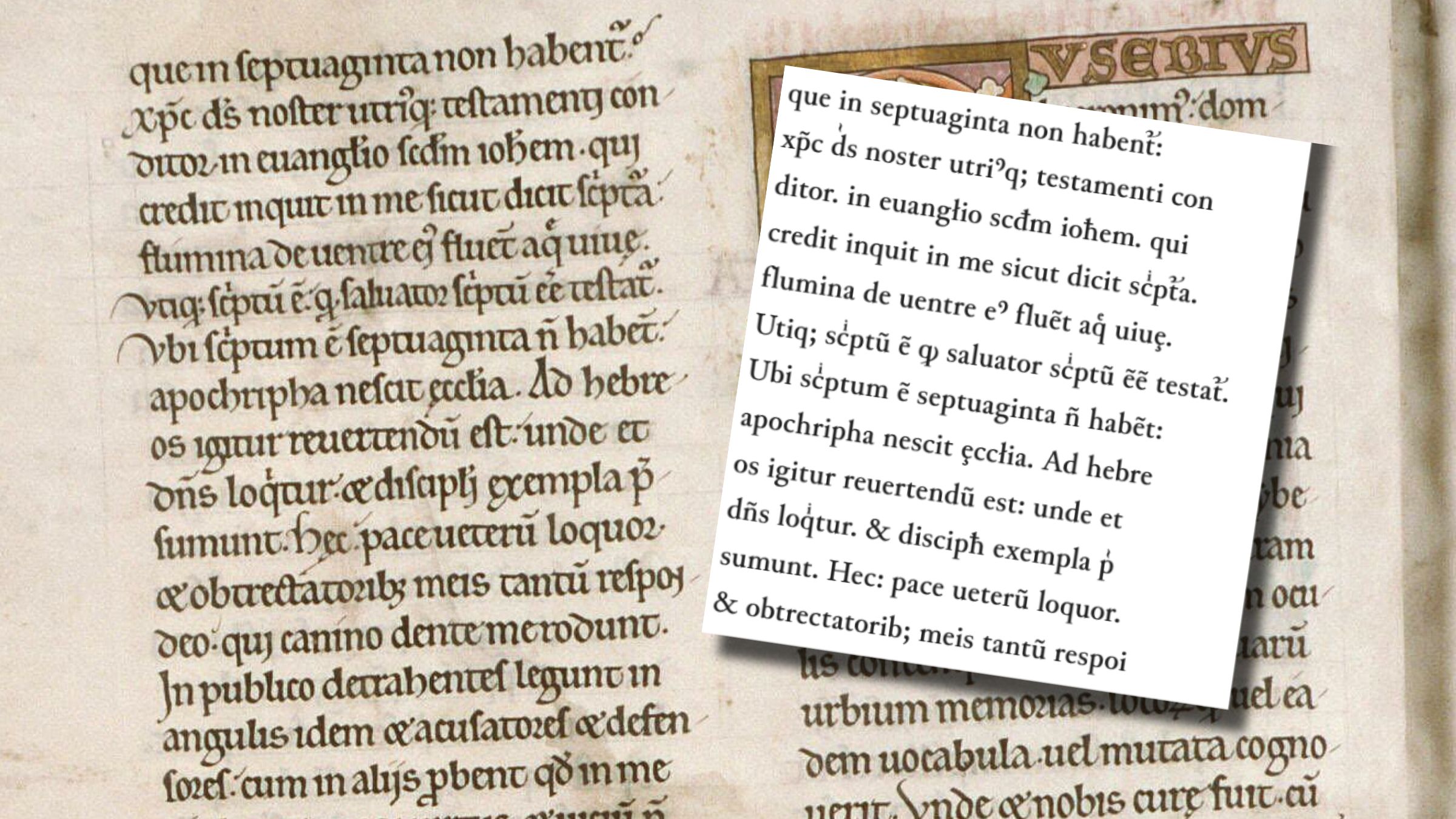
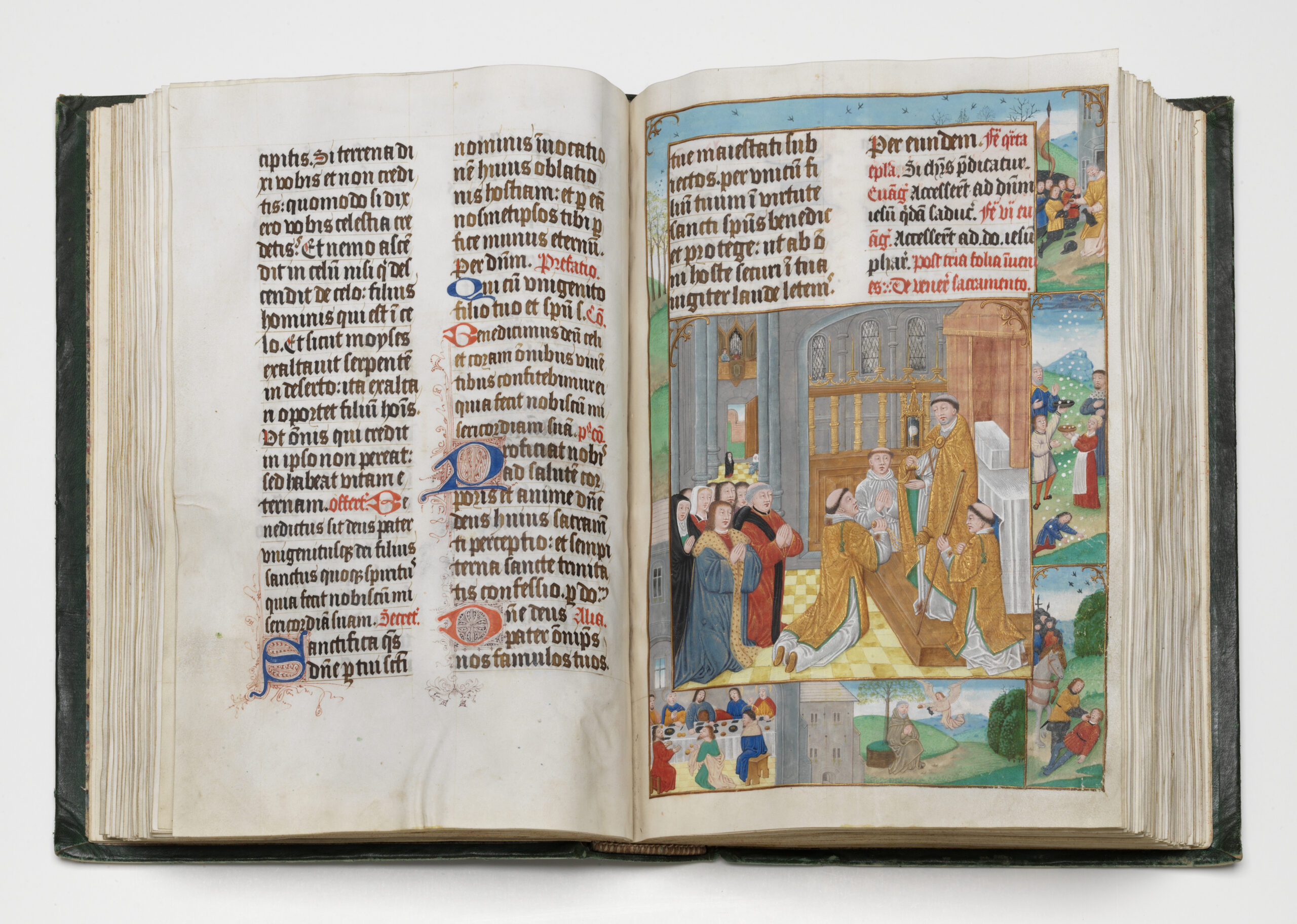
When universities began to emerge in Europe during the eleventh and twelfth centuries, they soon became important centres of knowledge. Their libraries could hold hundreds of books, and many of the most valuable volumes were kept under close control - sometimes even chained to desks. We have few details about how medieval university libraries operated, but a revealing set of rubric headings survives from the University of Angers in western France.
History
fromwww.theguardian.com
2 months agoArchaeology against the clock: the race to salvage fragments of early Brisbane
In a white and sterile office that could belong to any one of the warehouses that dot this industrial strip between Brisbane's airport and horse-racing precinct, a young woman is engrossed in a puzzle. Only this puzzle comprises, perhaps, three different sets, each almost (but not quite) identical to the other and none likely to be completed. Emily Totivan wears blue plastic gloves. She is an archaeology student helping to catalogue artefacts.
Science
Arts
fromHyperallergic
1 month agoMeet the Woman Who Made Museums More Accessible
Lorena Bradford, the National Gallery of Art's first head of Accessible Programs, transformed museum accessibility by creating intentional programs for disabled visitors, including ASL tours, memory loss programs, and medical student training initiatives.
History
fromMedievalists.net
1 month agoDreaming of Owning a Medieval Artefact? Here's Your Chance - Medievalists.net
TimeLine Auctions' March 3 online sale features hundreds of medieval historical objects including a 13th-century Limoges cross, 1224 Chinese armor, Viking silver mount, and Anglo-Saxon brooch.
Arts
fromThe Art Newspaper - International art news and events
1 month agoComment | Why museum leadership needs to decentralise
Traditional museum leadership models are failing under contemporary pressures, requiring a fundamental shift from centralized, individual authority to distributed, collaborative leadership structures.
Arts
fromOpen Culture
1 month agoThe Met Releases High-Definition 3D Scans of 140 Famous Art Objects: Sarcophagi, Van Gogh Paintings, Marble Sculptures & More
The Metropolitan Museum of Art now offers high-definition 3D scans of its artifacts, enabling unprecedented close examination and interaction with masterpieces through digital zoom, rotation, and augmented reality technology.
fromwww.thehistoryblog.com
1 month agoExplore 3D models of Met masterpieces
More than 100 art works have been scanned in ultra-high resolution with portable laser scanners that could image objects that are unmoveable and could not be scanned by traditional machines. That data combined with photogrammetry techniques that puzzle together thousands of photographs to create a photorealistic composite.
Arts
fromThe Art Newspaper - International art news and events
2 months agoMuseum wall texts are an art in their own right-but will they survive the digital age?
Museums should balance providing contextual wall text and inviting wordless, personal interpretation to make art accessible and meaningful to diverse visitors.
Arts
fromColossal
1 month agoThe Met Introduces High-Definition 3D Scans of Dozens of Art Historical Objects
The Metropolitan Museum of Art and other institutions now offer 3D digital models of artworks, enabling detailed examination of textures, materials, and hidden details impossible to see in person or through standard digital images.
fromThe Art Newspaper - International art news and events
2 months agoWhen it comes to restitution, how can museums solve a problem like inalienability?
When Thomas Jefferson wrote about the "inalienable" rights of man in the US Declaration of Independence 250 years ago, it's possible he lifted the term from the French. And long before it was ever used as an adjective to describe human rights, it defined royal property. To this day, "inalienability" remains a cornerstone of public collections in France-and many other countries-impacting museums and their ability to deaccession, including for purposes of restitution.
Arts
fromwww.theguardian.com
2 months agoAI analysis casts doubt on Van Eyck paintings in Italian and US museums
An analysis of two paintings in museums in the US and Italy by the 15th-century Flemish artist Jan van Eyck has raised a profound question: what if neither were by Van Eyck? Saint Francis of Assisi Receiving the Stigmata, the name given to near-identical unsigned paintings hanging in the Philadelphia Museum of Art and the Royal Museums of Turin, represent two of the small number of surviving works by one of western art's greatest masters, revered for his naturalistic portraits and religious subjects.
Arts
[ Load more ]