"When Thomas Jefferson wrote about the "inalienable" rights of man in the US Declaration of Independence 250 years ago, it's possible he lifted the term from the French. And long before it was ever used as an adjective to describe human rights, it defined royal property. To this day, "inalienability" remains a cornerstone of public collections in France-and many other countries-impacting museums and their ability to deaccession, including for purposes of restitution."
"The principle is currently set out in two French legal codes, including the Heritage Code, which applies to public museum collections. Under the principle, nothing can be permanently removed from these collections without a special law passed by the French parliament in each case, a cumbersome and time-consuming process. This was done in 2010 for Māori mokomokai returned from France to New Zealand and for an Ivorian "talking drum" last year."
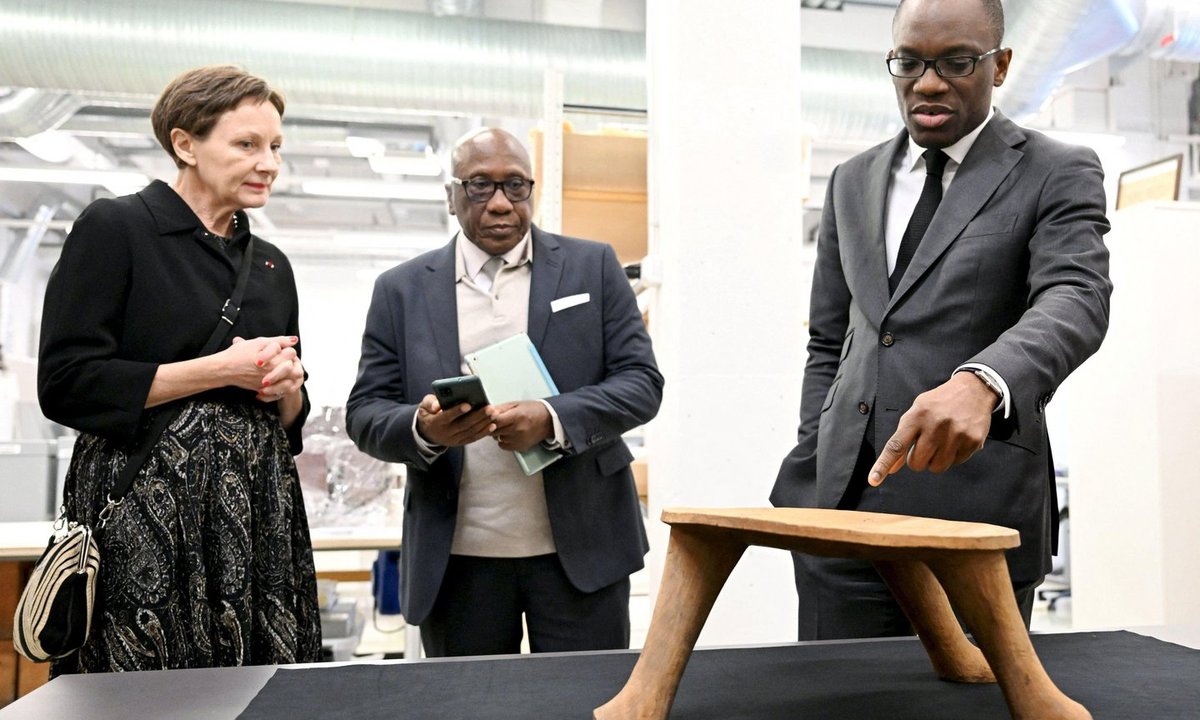
"A more recent fudge is to remove an item's listing from the French inventory. If it's not on the list, it's no longer part of the collection-and therefore can be transferred away without legal hindrance. This approach is admittedly risky and seems only possible in exceptional cases. It was used in 2024 to return a ceremonial stool, or kataklè, to the Republic of Benin. The object had been overlooked, deposited by the French at a museum in Finland for over 80 years."
'Inalienability' originally described royal property and later became an adjective for human rights, possibly adopted into English by Thomas Jefferson. French law embeds inalienability in two legal codes, notably the Heritage Code for public museum collections. Under the law, no item can be permanently removed from public collections without a special law passed by the French parliament for each case, creating a cumbersome process. Parliament passed such laws for Māori mokomokai returned in 2010 and for an Ivorian talking drum recently. Alternatives include long-term loans such as the Joseon Manuscripts and delisting items from the French inventory to permit restitution.
Read at The Art Newspaper - International art news and events
Unable to calculate read time
Collection
[
|
...
]