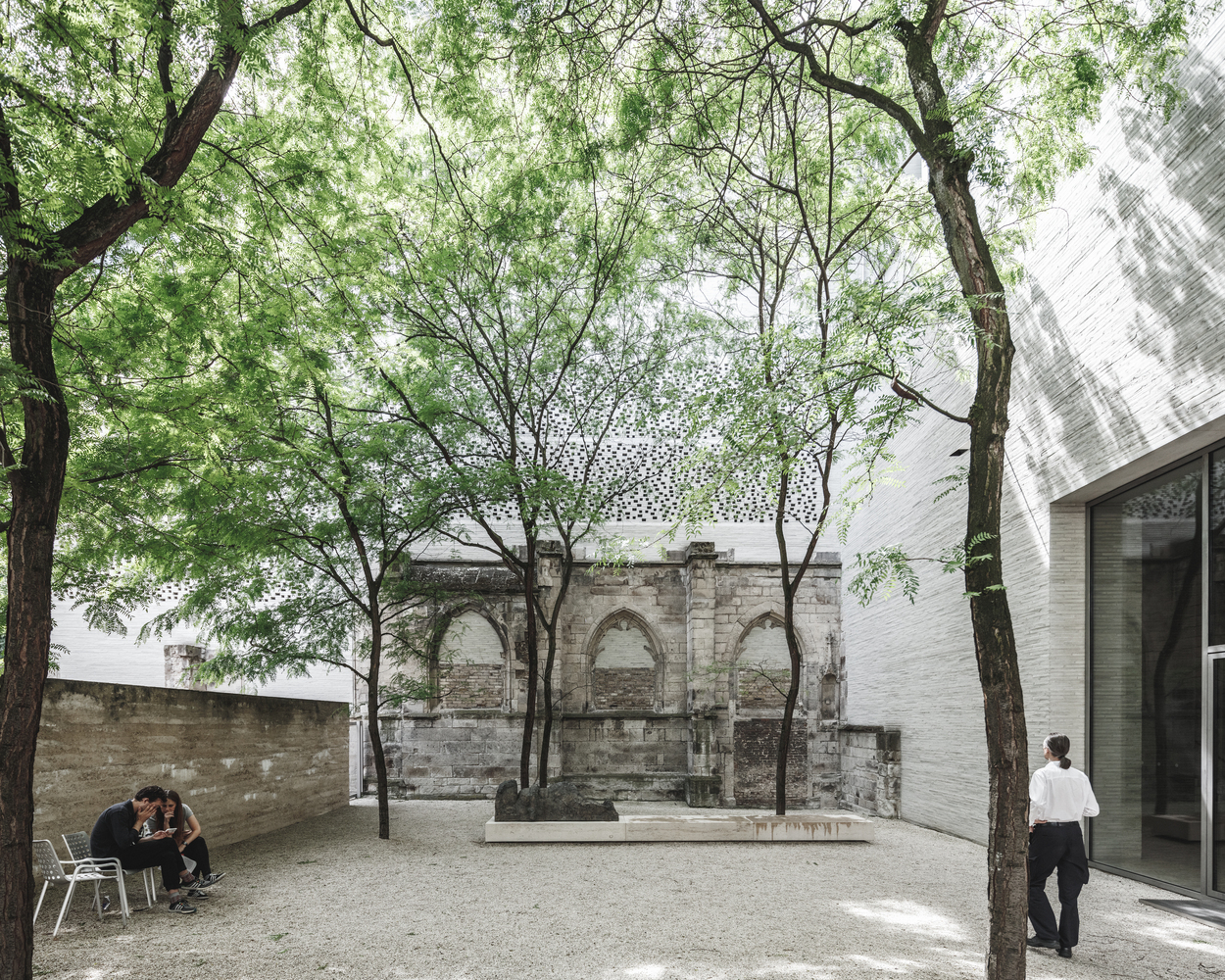
"As the understanding consolidates that the most sustainable building is the one that is already standing, and that preservation also involves construction knowledge, material traditions, and the social fabrics from which they emerged, these same buildings are increasingly confronted with more rigorous contemporary parameters. Energy efficiency, safety, carbon emission reduction, and regulatory compliance have become unavoidable references, placing architecture before a central tension: how to update what already exists without breaking the continuity that sustains its heritage value."
"In addition to dealing with multiple layers of history, complex technical decisions, and different possible paths of intervention, architects are confronted with buildings conceived in another time, based on constructive, environmental, and technological logics profoundly different from those of today. Systems that once did not exist need to be introduced, performance must be improved, and often entire elements must be updated or created, all without compromising what gives the building its identity and meaning."
Preserving historic buildings requires addressing technical, environmental, and regulatory demands while maintaining material, cultural, and symbolic continuity. The most sustainable building is often the one already standing, and preservation involves construction knowledge, material traditions, and the social fabrics from which buildings emerged. Contemporary pressures for energy efficiency, safety, carbon reduction, and compliance impose rigorous parameters that can conflict with heritage values. Retrofit becomes a mediating practice that introduces missing systems and improves performance while seeking legibility, reversibility, and respect for existing constructive logics. Not every regulation-driven solution is appropriate in heritage terms.
Read at ArchDaily
Unable to calculate read time
Collection
[
|
...
]