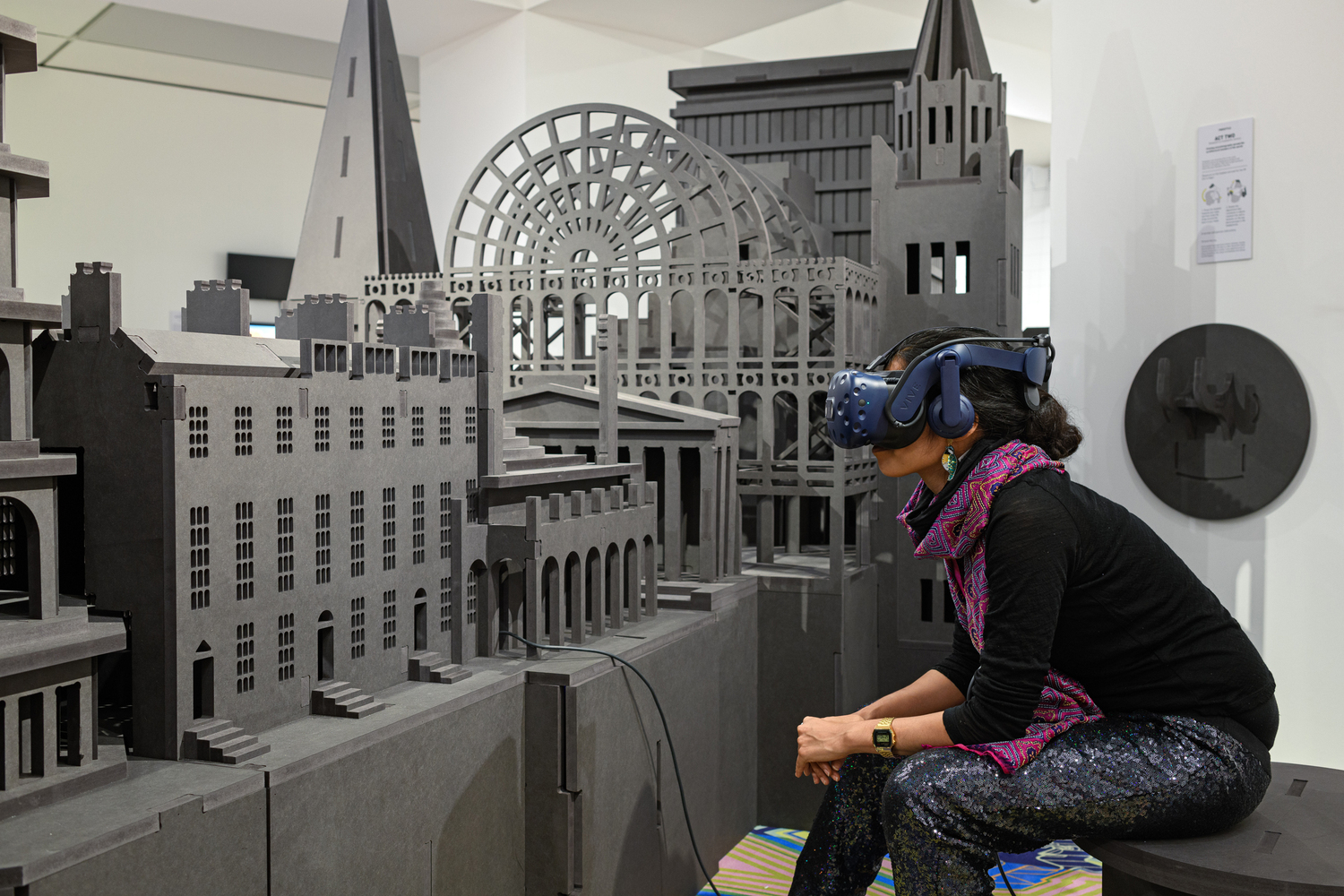
"The modern architectural archive, as it developed in the 20th century, was both a refuge and a device of legitimacy. Institutions such as the Canadian Centre for Architecture, Casa da Arquitectura, or the Deutsches Architekturmuseum were built upon the conviction that to preserve architecture was to preserve its documents."
"To archive is to edit the past - to decide what enters, what is omitted, and how it will be interpreted. The archive, as theorised by Michel Foucault and later by Jacques Derrida, is never neutral; it is an instrument of power, a space that selects and excludes."
"When digital media emerged, they promised to dismantle these hierarchies. The internet appeared as a new frontier of access, offering democratic access to knowledge, where the logic of selection persists, only now it is often encoded in software rather than institutional policy. Metadata has replaced the catalogue card; algorithms have replaced archivists."
Architecture's memory traditionally existed through tangible documents, drawings, models, and photographs preserved in institutional archives. These archives functioned as both repositories and gatekeepers, determining architectural canon and historical narratives. Archives are never neutral; they select, exclude, and interpret based on underlying power structures. The digital era promised democratic access through the internet, yet this shift merely transferred curatorial power from institutional policies to software and algorithms. Metadata and algorithmic selection now replace traditional cataloguing, but the fundamental question persists: who decides what architectural knowledge survives and what is forgotten. Both analog and digital systems embed structures of power that govern architectural memory.
#architectural-archives #digital-preservation #power-and-curation #institutional-memory #algorithmic-selection
Read at ArchDaily
Unable to calculate read time
Collection
[
|
...
]