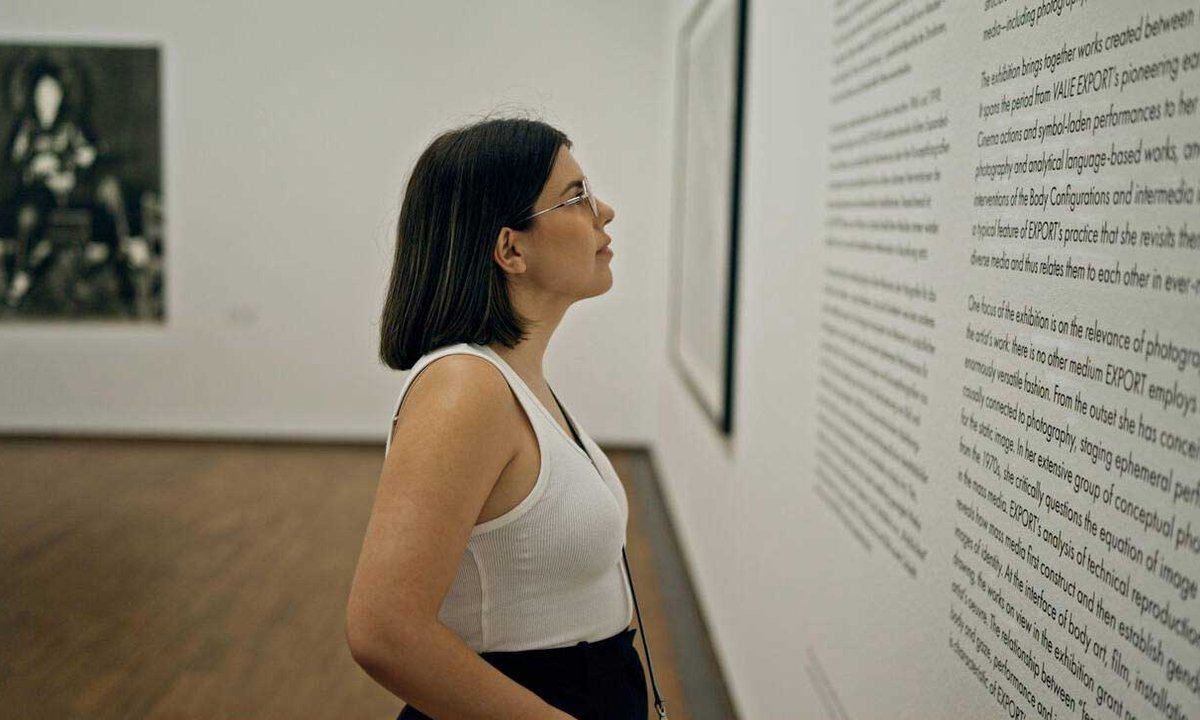
Museums provoke questions while also needing to provide answers through context and criticism. Visitors can experience works emotionally even without prior knowledge, but historical context and criticism sometimes are necessary to understand objects. Institutions vary in approach to wall text: some eliminate labels to encourage open interpretation, while others maintain curated labels to offer accurate information and multiple access points. Calder Gardens emphasizes openness and rejects the term "museum" to seem less preachy, while Frick Pittsburgh invites local historians, artists and critics as guest labelists to present varied perspectives and guided ways into the collection.
""What is not being said in exhibition text is often just as revealing as what is being shared," Dawn Reid Brean, the chief curator and director of collections at the Frick Pittsburgh, tells The Art Newspaper. "It feels more important than ever to invite multiple voices into the museum space. There isn't one perfect solution for all visitors, but we strive to offer a variety of access points-whether it's traditional labels, guided gallery conversations or prompts to spark reflection and dialogue.""
"A museum always provokes questions, but should it also provide answers? When a visitor walks into a gallery, a hunk of metal or a combination of pigments on stretched fabric can become laden with meaning in front of their eyes. Even if a visitor knows nothing about the object, they can feel it."
"Some museums have entirely done away with wall text. The recently opened Calder Gardens in Philadelphia leans heavily on this in its branding, explicitly saying it is "open to interpretation" and rejecting the term "museum" entirely with an aim to be more accessible and less preachy to its visitors."
Read at The Art Newspaper - International art news and events
Unable to calculate read time
Collection
[
|
...
]