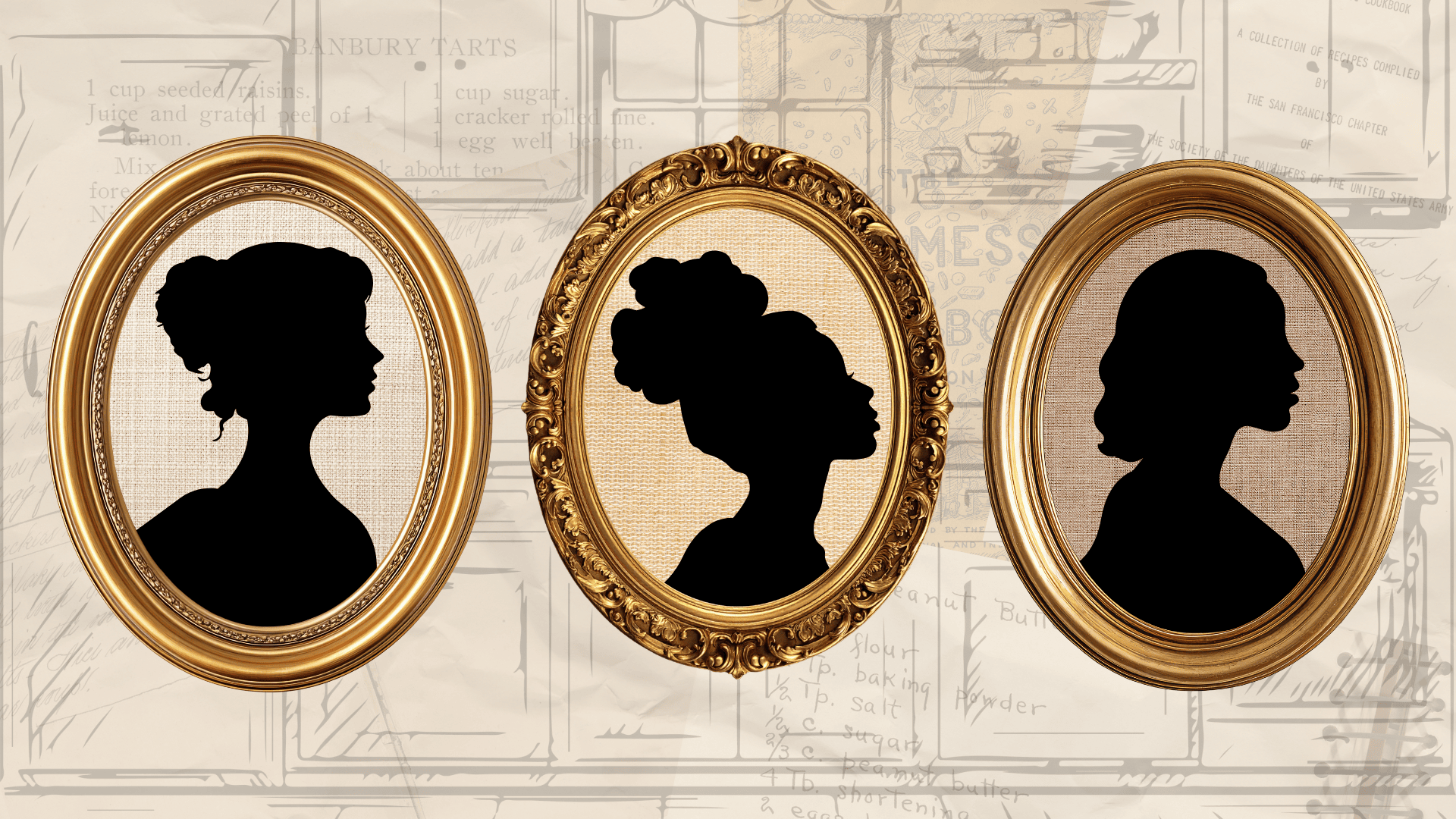
"Published materials can be primary sources that hold a wealth of cultural and social information. These are pieces of social and cultural history that can tell us what kinds of organizations existed, who was in them, what they thought was important, what local business existed through advertisements they had in them, which ingredients were available and popular, and of course, what recipes people were excited to share."
"Sharing recipes remained a common way that women connected with one another and preserved cultural heritage. Even in the age of readily available online recipes, the personal touch of community cookbooks continues to resonate."
Community cookbooks, compiled by civic or religious groups, serve as significant cultural artifacts from the 19th to the 21st century. They document women's efforts to raise funds for various causes while preserving culinary traditions. The rise of specialty publishers in the 1930s and '40s facilitated the creation of these cookbooks. They reveal insights into community organizations, popular ingredients, and the social history of women's connections through shared recipes. Personal touches like handwritten notes enhance their historical value.
Read at Harvard Gazette
Unable to calculate read time
Collection
[
|
...
]