#ant-biodiversity
#ant-biodiversity
[ follow ]
#biodiversity #conservation #climate-change #wildlife-conservation #national-security #food-security

fromwww.theguardian.com
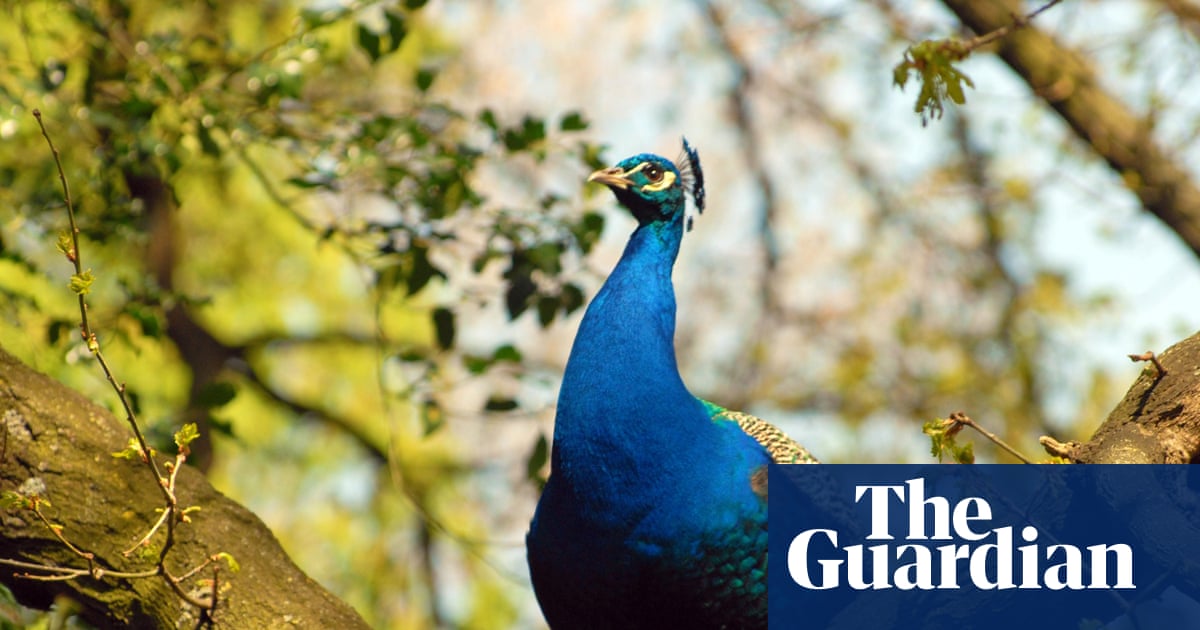
13 hours agoEngland wildlife watchdog has stopped designating special sites for protection'
While Natural England dithers and reviews processes, irreplaceable wildlife sites are being trashed, damaged, and even built over. That is not a technical failure, it's a dereliction of duty.
Environment



fromTheregister
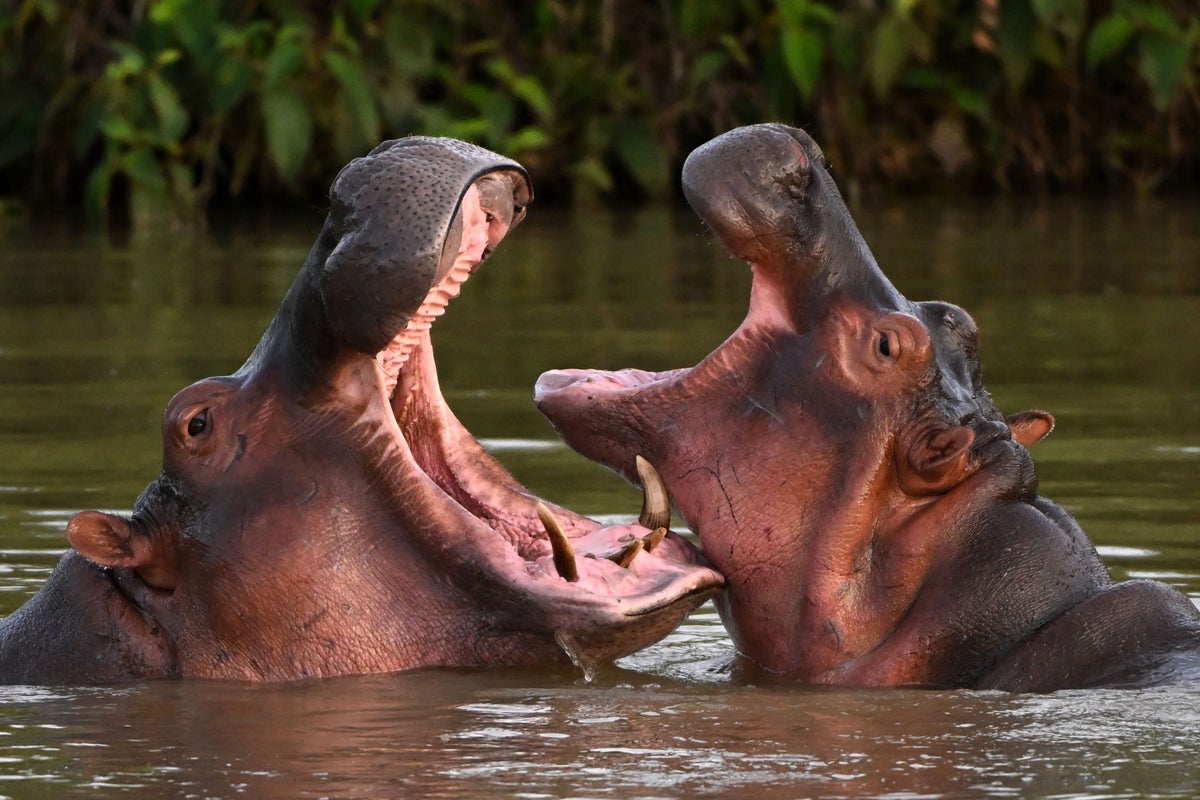
3 weeks agoBees and hummingbirds get trace alcohol from nectar
A study by researchers at the University of California Berkeley has found that ethanol is surprisingly common in floral nectar, the sugary fuel that keeps pollinators alive. Yeast feeding on those sugars produces trace amounts of alcohol, and in this study, it showed up in 26 of the 29 plant species sampled.
Beer
London politics
fromwww.independent.co.uk
1 month agoMarket town pledges to save butterflies from shocking decline in UK first
Gillingham becomes the first UK local authority to commit to a nationwide challenge reversing butterfly population decline through habitat protection, pesticide elimination, and light pollution reduction.
fromwww.theguardian.com
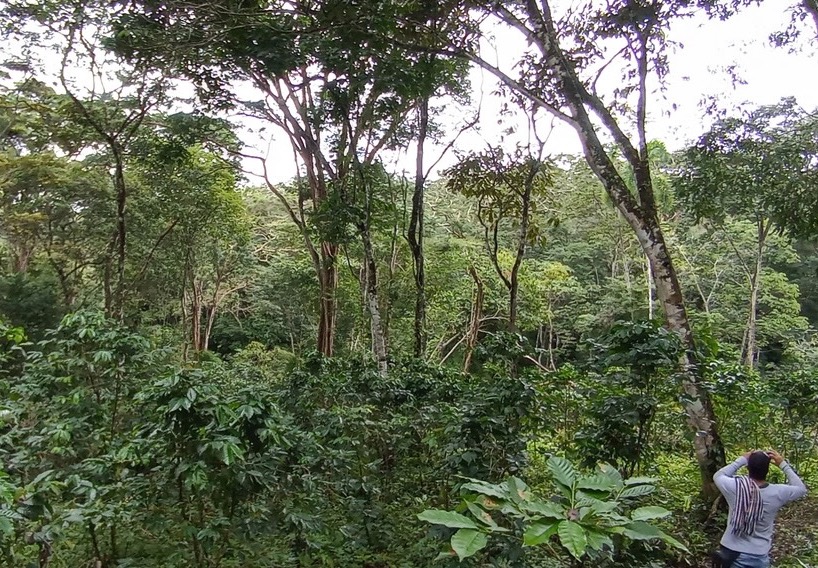
1 month agoMy ideas are a little revolutionary': ecologist Suzanne Simard on intelligent forests, the climate and her critics
Wildfires have become an ever bigger problem in Canada. The 2018 wildfires were the biggest in British Columbia's history, but this record was broken in 2021, and then again in 2023, when fires consumed an area three times the size of the Canadian province of Nova Scotia and the smoke travelled as far as New York City.
Canada news
fromConde Nast Traveler
1 month agoExploring the Peruvian Amazon, One Riverbend at a Time, on Abercrombie & Kent's Debut Voyage
The 12-cabin cruiser Pure Amazon is Abercrombie & Kent's first voyage on these waters and is part of the brand's Sanctuary collection, which will also include the soon-to-launch riverboat After 25 years in Peru, the company is setting out to not just join a tradition but redefine smart river travel with design-led interiors that evoke a boutique hotel and with five-course dinners paired with Peruvian small-batch wines.
Travel
OMG science
fromwww.theguardian.com
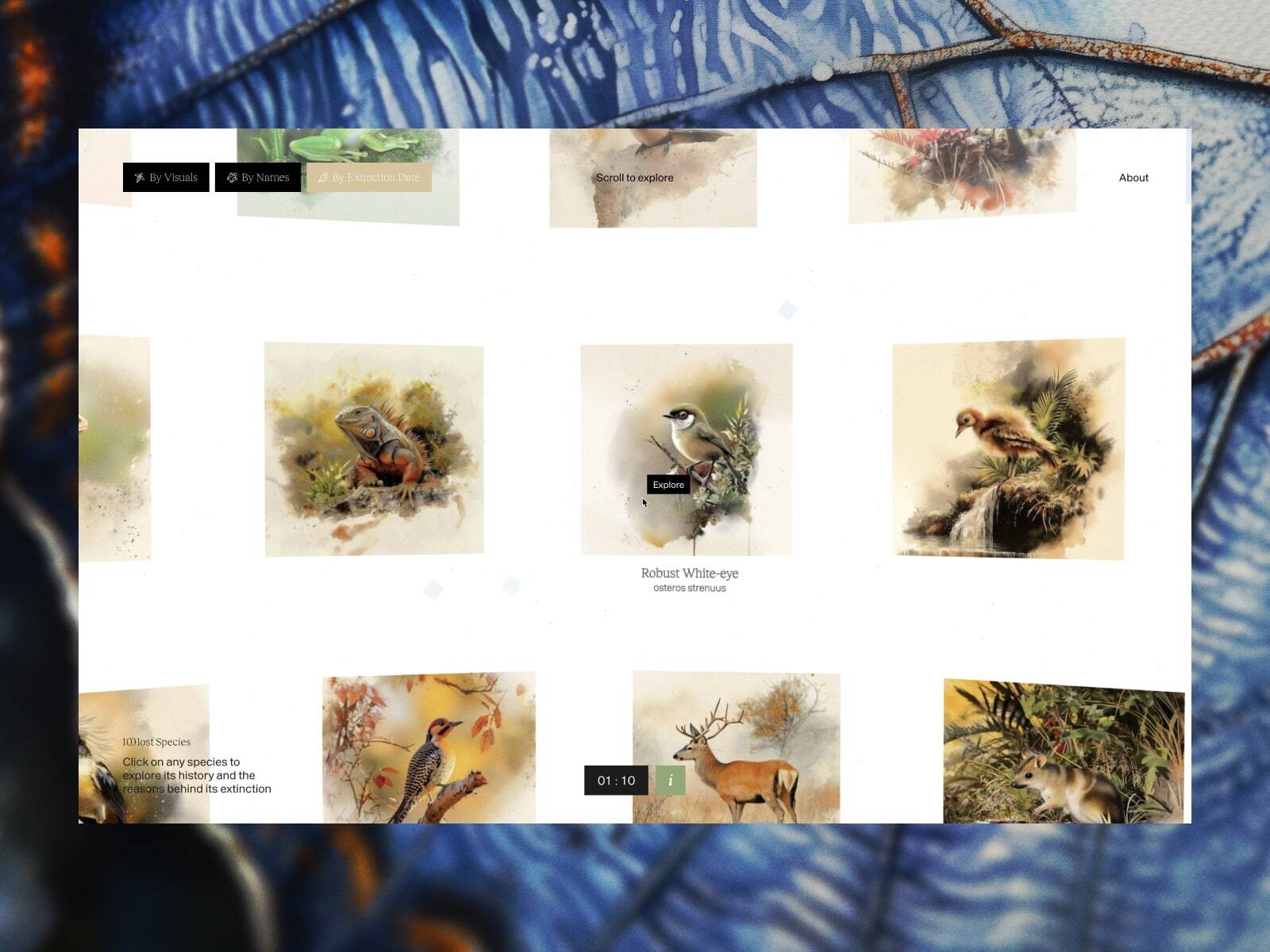
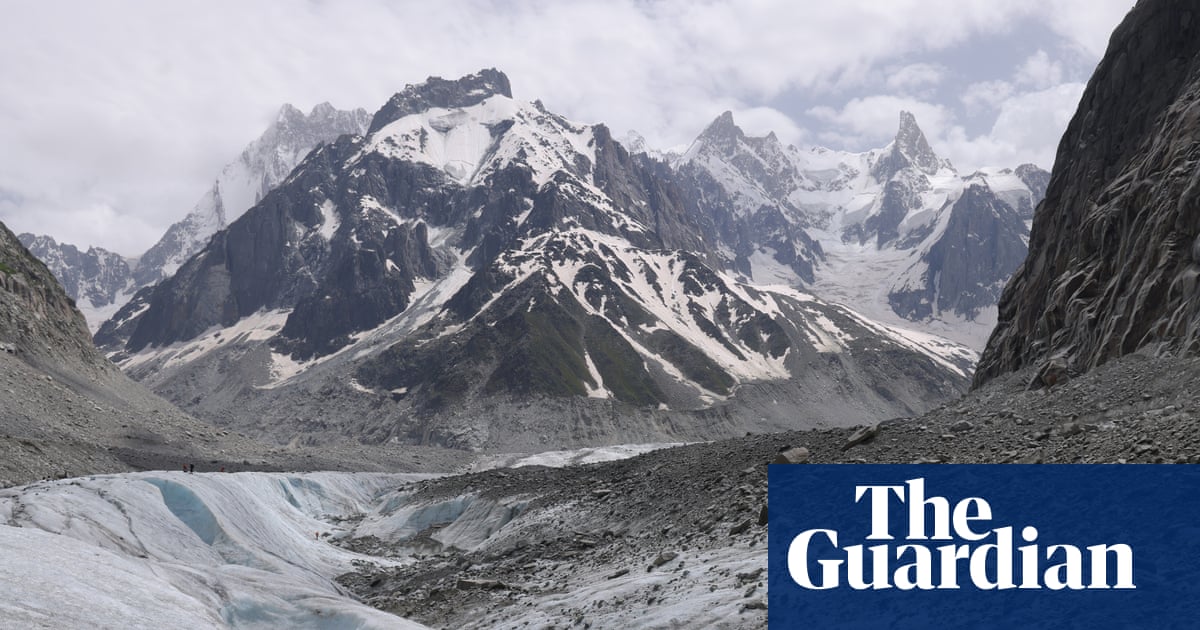
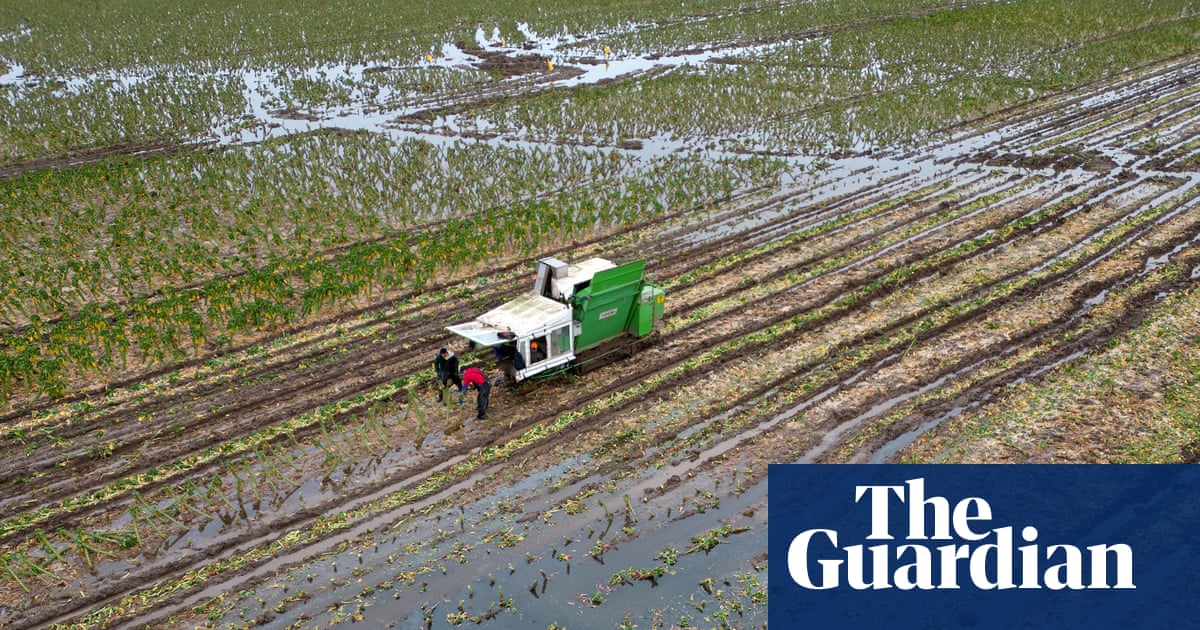
1 month agoButterflies crossing oceans, moths navigating by the stars: unravelling the mysteries of insect migrations
Insects, including butterflies and dragonflies, undertake massive long-distance migrations across continents and oceans, with trillions traveling annually over previously unknown routes.
Science
fromwww.theguardian.com
1 month agoMarsupials previously thought extinct for millennia discovered in New Guinea
Two marsupial species presumed extinct for 6,000 years were discovered alive in West Papua rainforests, representing rare Lazarus taxa that survived despite disappearing from fossil records.
fromTravel + Leisure
1 month ago10 of the Greenest Places to Visit on Earth for a Lush Getaway in Nature
According to color psychology, this soothing shade helps decrease stress and improve focus-and travelers can reap these much-deserved benefits in lush landscapes around the world. Here are 10 of the greenest places on earth, which combine serenity with unforgettable adventures.
Miscellaneous
fromHigh Country News
1 month agoCoyotes and cougars and rats, oh my! - High Country News
An unnamed tourist saw it and told Aidan Moore, who works for Alcatraz City Cruises. Moore told SFGATE that he was initially skeptical, but the guest's iPhone footage left little room for doubt. The video shows, not a sea lion or an otter, but an actual Canis latrans, doggedly dogpaddling, then clambering out of the water, noticeably shaky and struggling to settle tired paws on the craggy rocks.
California
Social justice
fromNature
2 months agoMy professor said 'Black people are not interested in the environment'. I set out to prove him wrong
Dorceta Taylor pioneered research, programs, and leadership to document and advance racial diversity, inclusion, and environmental justice within environmental science and conservation.
Agriculture
fromwww.theguardian.com
1 month agoVillagers on Principe, the African Galapagos', to be paid for protecting the ecosystem
Principe islanders receive quarterly dividends for following environmental protection codes, with nearly 3,000 participants receiving their first payment of €816, creating economic incentive for conservation.
fromwww.theguardian.com
1 month agoIt creates a sense of belonging': Brazil bets on hiking trails for conservation
The idea that hiking trails are a tool for conservation is based on a simple premise: people protect what they know. That requires making conservation areas accessible. There's no point telling people you only protect what you know, if you don't give them the tools to know. The trail is this tool. People who hike, people who camp, these people often become defenders of the environment.
Travel
fromwww.scientificamerican.com
1 month agoHow a teen's AI model could help stop poaching in rainforests
Both species are under threat. But while African savanna elephants are endangered, forest elephants are critically endangered. They're also highly elusive. Living in dense tropical rainforests in central Africa and parts of West Africa they're very hard to find and study.
Science
fromwww.theguardian.com
1 month agoI love midges because I know what their hearts look like': is the passion for taxonomy in danger of dying out?
When Borkent stops working, biting midges risk becoming an orphan group, a term that taxonomists give for a branch of the web of life that is no longer being studied. It is a pattern playing out across the field, he says. I am one of the last few standing. It's crisis all around. As the taxonomic community ages, we are not being replaced.
OMG science
fromwww.theguardian.com
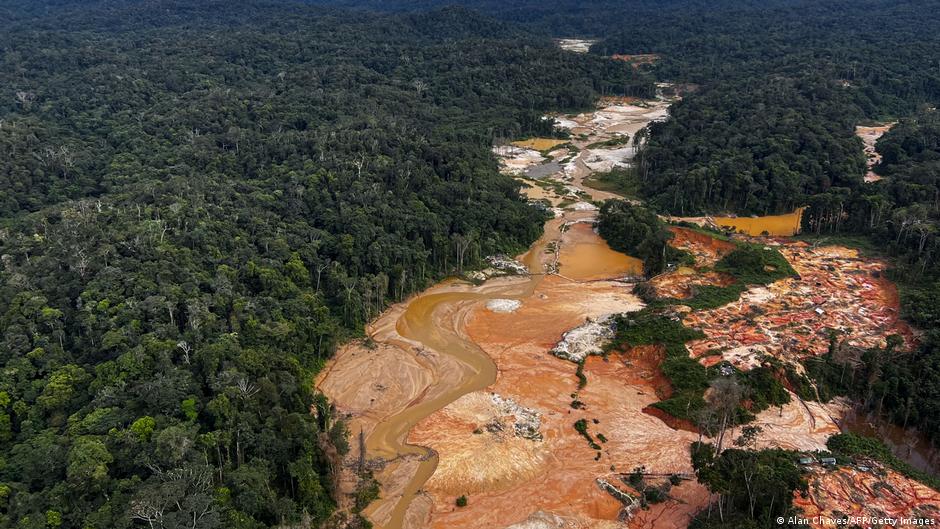
1 month agoHumanity heating planet faster than ever before, study finds
Climate breakdown is occurring more rapidly with the heating rate almost doubling, according to research that excludes the effect of natural factors behind the latest scorching temperatures. It found global heating accelerated from a steady rate of less than 0.2C per decade between 1970 and 2015 to about 0.35C per decade over the past 10 years.
Environment
fromwww.dw.com
2 months agoThe business of saving nature
The world spends 30 times more money destroying nature than protecting it. That's according to a new report from the United Nations Environment Programme (UNEP) that exposes a massive gulf between so-called "harmful investments" and financing that promotes nature preservation. The global environment agency's latest "State of Finance for Nature" (SNF) report is calling to phase out the US$7.3 trillion (6.2 trillion) in global investments that damage nature including into high-emissions energy infrastructure and manufacturing, for example.
Environment
Environment
fromwww.theguardian.com
1 month agoAustralian wildlife in harm's way' with volunteers left to pick up the pieces' amid climate crisis, fires and floods
Labor is urged to establish national wildlife protection standards for disaster response, with advocates warning biodiversity risks could become irreversible without coordinated government-funded rescue and rehabilitation services.
fromFast Company
2 months agoThese digital tools are stepping up the global fight against wildlife trafficking
In late 2025, Interpol coordinated a global operation across 134 nations, seizing roughly 30,000 live animals, confiscating illegal plant and timber products, and identifying about 1,100 suspected wildlife traffickers for national police to investigate. Wildlife trafficking is one of the most lucrative illicit industries worldwide. It nets between US$7 billion and $23 billion per year, according to the Global Environment Facility, a group of nearly 200 nations as well as businesses and nonprofits that fund environmental improvement and protection projects.
Environment
[ Load more ]