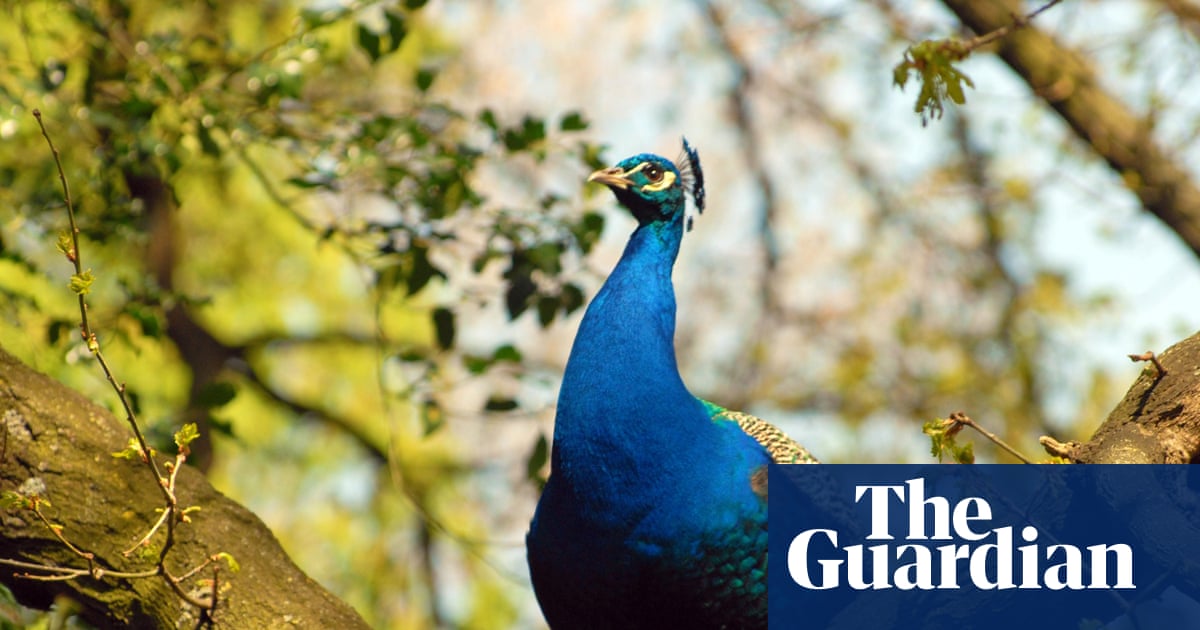
"London is the only place in the UK where you can find scorpions, snakes, turtles, seals, peacocks, falcons all in one city and not London zoo. Step outside and you will encounter a patchwork of writhing, buzzing, bubbling urban microclimates. Sam Davenport, the director of nature recovery at the London Wildlife Trust, emphasises the sheer variation in habitats that you find in UK cities, which creates an amazing mosaic of wildlife."
"Animals also thrive in cities because urban winters are milder than in the countryside. It's not uncommon in cities to see queen bumblebees foraging over Christmas, Davenport said. When it's cold, the city is warmer. We have a microclimate that invertebrates can make use of. Beyond bees, species such as otters and herons benefit from waterways that are less likely to freeze, keeping food supplies more stable through the winter months."
"Land A disused London Underground station, home to the eponymous mosquitoes that migrated from the Middle East. Photograph: Dan Kitwood/Getty Images As it turns out, the London Underground mosquito (Culex pipiens f. molestus) is not aptly named. The insects became notorious during the second world war, when they would dine on Londoners seeking shelter from bombing in tube tunnels. But despite popular belief, they did not evolve underground. Their origins lie in the Middle East several thousand years ago,"
London hosts an extraordinary mosaic of habitats—allotments, gardens, railway lines, ancient woodland and waterways—within short distances, producing multiple urban microclimates. Urban winters are milder than the countryside, allowing invertebrates and insects such as queen bumblebees to forage through winter. Waterways that resist freezing support species like otters and herons by stabilising food supplies. Many animals alter hunting patterns, habitat use and movement to suit urban environments, demonstrating ecological adaptability. A disused Underground station sustains the so-called London Underground mosquito, which originated in the Middle East thousands of years ago but has adapted to subterranean urban niches.
Read at www.theguardian.com
Unable to calculate read time
Collection
[
|
...
]