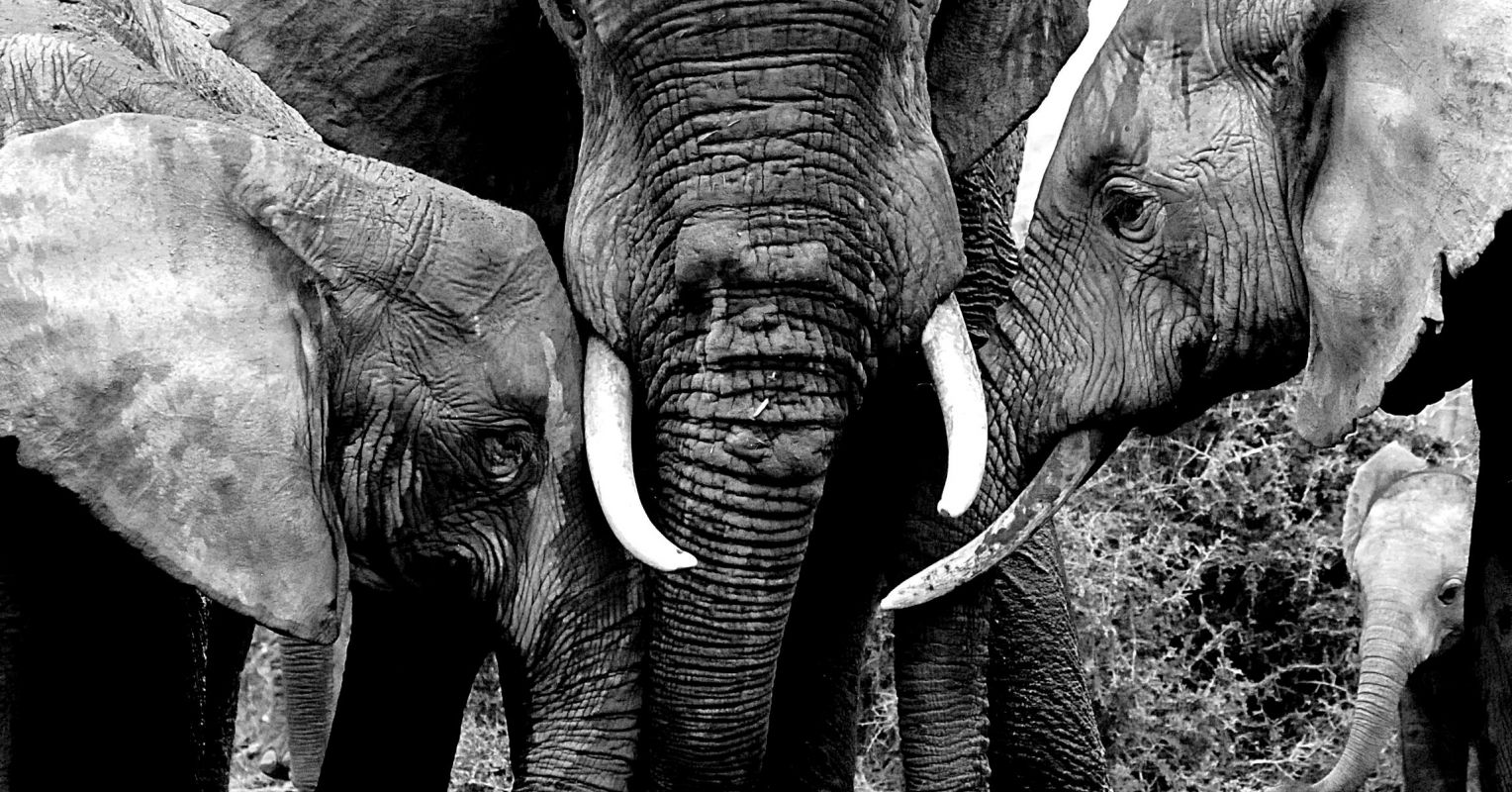
Rewilding calls for rehabilitating human hearts and activating biophilic inclinations to overcome self-centered mindsets and nurture joy, awe, and wonder. Nature should be treated like a dear friend whose welfare matters intrinsically, not merely as a resource. Compassionate conservation recognizes every individual organism and nature as a whole as stakeholders deserving moral consideration. Humanity faces unprecedented species and habitat loss in the Anthropocene, making large-scale rewilding urgent before irreversible points of no return. Many human interventions try to manipulate ecological complexity and display hubris; instead, humans must often step back and allow nature to self-organize as the primary architect and lifeboat.
"It's common knowledge that we are losing species and habitats at an unprecedented rate in a geological epoch known as the Anthropocene-the age of humanity. It's essential to rewild the world before it's too late. What does this mean: Before it's too late? Generally speaking, as a species, humans don't do well with points of no return. Our active brains allow us to convince ourselves that even if things don't work out today, we always have tomorrow."
"Removing ourselves from this tapestry is less an emancipation from nature and more a manipulation of variables-a complex puzzle-too numerous and too complex for us to successfully take apart and put back together. I call this the Humpty-Dumpty phenomenon. Nature is the greatest architect, and to pretend otherwise is hubris, pure and simple. Rather than view the natural world as a problem to be solved, we should view it as the lifeboat keeping us afloat."
Read at Psychology Today
Unable to calculate read time
Collection
[
|
...
]