#ai-monetization
#ai-monetization
[ follow ]
#openai #alphabet #digital-advertising #gemini #advertising #enterprise-software #chatgpt-advertising
fromFast Company
3 days agoFigma changed how it charges for AI features. Its stock price just swung to a seven-week high
Our outperformance in quarter one was fueled by stronger than expected seat expansion across entire organizations, driven by design's growing importance and adoption of our AI products including Figma Make, MCP, and Figma Weave,
NYC startup

#alphabet


Artificial intelligence
fromThe Motley Fool
3 months agoHere's How Google Parent Alphabet Could Boost Revenue From Artificial Intelligence (AI) | The Motley Fool
Alphabet can monetize its massive free Gemini user base by integrating ads into its AI services, leveraging unmatched digital advertising expertise.
#openai
Marketing tech
fromDigiday
4 weeks agoWhy OpenAI is 'running at lightning speed' to build an ad business
OpenAI is rapidly developing its ad business to compete with established players like Google and Meta.
Marketing tech
fromThe Globe and Mail
1 month agoOpinion: Ads are coming to AI chats. Behold as the Internet is ruined all over again
OpenAI is expanding its advertising efforts in AI, following trends set by social media companies to generate revenue.
Artificial intelligence
fromFuturism
1 month agoOpenAI Cancels Spicy "Adult Mode" Chatbot as Crisis Deepens
OpenAI faces significant challenges in monetization and is abandoning side projects to focus on enterprise and coding.

Django
fromEngadget
2 months agoOpenAI reportedly plans to add Sora video generation to ChatGPT
OpenAI plans to integrate its Sora video generation model into ChatGPT to revive user interest after the standalone app's popularity declined, potentially increasing ChatGPT's active users while managing significant inference costs.
Business
from24/7 Wall St.
2 months agoAdobe Could Reach $420 by Year-End as JPMorgan Sees a Buying Opportunity
Adobe shares have declined significantly year-to-date, but JPMorgan maintains an Overweight rating with a $420 price target, citing accelerating RPO growth, AI monetization, and strong cash generation as catalysts for recovery.


Marketing tech
from24/7 Wall St.
2 months agoBack From the Dead: The Trade Desk Soars as Hope Is Resurrected
The Trade Desk's stock surged 26% on reports that OpenAI is considering using its platform to sell ads, offering the struggling ad-tech company a potential revenue catalyst after losing 60% of its value.
Artificial intelligence
fromReuters Institute for the Study of Journalism
2 months agoAdvertising was always going to come for AI chatbots. The real question is how
AI companies are introducing advertisements to free and low-tier ChatGPT versions because subscription revenue alone cannot sustain their massive operational costs and investor expectations.
from24/7 Wall St.
2 months agoSalesforce Crushed Earnings by 25% and Still Can't Get Any Respect
The headline story here is the EPS beat paired with genuine AI monetization. Agentforce ARR hit $800M, up 169% YoY, and combined Agentforce and Data Cloud ARR exceeded $2.9B, growing over 200% YoY. Current RPO of $35.1B, up 16%, suggests durable near-term revenue visibility.
Business intelligence
fromTechCrunch
2 months agoIndia's AI boom pushes firms to trade near-term revenue for users | TechCrunch
India became the world's largest market for generative AI app downloads in 2025, according to market intelligence firm Sensor Tower, widening its lead over the U.S. as installs jumped 207% year-over-year. Companies including OpenAI, Google, and Perplexity rolled out extended free premium offers to accelerate user growth in the price sensitive market.
Artificial intelligence





fromMiami Herald
3 months agoNaver tops $9.1B in revenue, bets on AI agents and fintech monetization
Naver reported 2025 revenue of 12.35 trillion won ($9.15 billion) and operating profit of 2.21 trillion won ($1.64 billion), up 12.1% and 11.6%, respectively, from a year earlier, during its fourth-quarter earnings call. Fourth-quarter revenue rose 10.7% to 3.20 trillion won ($2.37 billion), while operating profit increased 12.7% to 610.6 billion won ($453 million), lifting the operating margin to 19.1%.
Artificial intelligence
fromComputerworld
3 months agoAnthropic says no to ads in Claude chats
Rival OpenAI sees it differently, and now plans to embed advertising in ChatGPT, something that CEO Sam Altman had previously said would be a "last resort". It's an indication that AI companies are still trying to balance the cost of development with the provision of service to their users.
Artificial intelligence
fromwww.cnbc.com
3 months agoAnthropic says no to ads on Claude chatbot, weeks after OpenAI made move to test them
Anthropic on Wednesday said its artificial intelligence chatbot Claude will remain ad-free, a decision that comes just weeks after the startup's rival OpenAI announced plans to begin testing advertisements within ChatGPT. In a blog post, Anthropic said that Claude users will not see ads or sponsored links near their conversations, and the chatbot's answers will not be influenced by third-party product placements. The personal nature of users' conversations with Claude would make ads feel "incongruous" and "in many cases, inappropriate," the company said.
Artificial intelligence
fromTechCrunch
3 months agoGoogle DeepMind CEO is 'surprised' OpenAI is rushing forward with ads in ChatGPT | TechCrunch
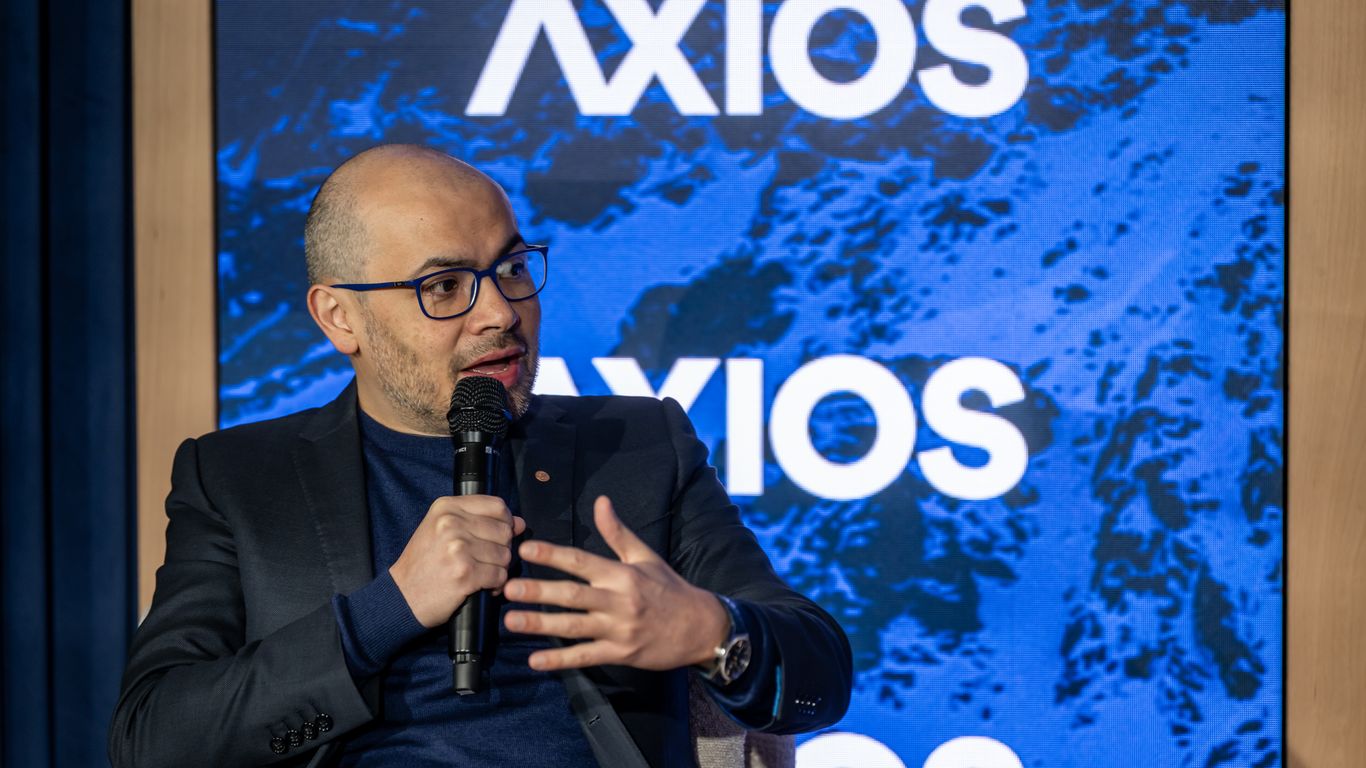
I'm a little bit surprised they've moved so early into that, I mean, look, ads, there's nothing wrong with ads...they funded much of the consumer internet. And if done well, they can be useful,
Artificial intelligence
Artificial intelligence
fromLondon Business News | Londonlovesbusiness.com
5 months agoStocks for playing some key economic themes over the next 12 months - London Business News | Londonlovesbusiness.com
2026 will favor profitable, quality growth at reasonable prices while AI capex accelerates, broadens beyond core suppliers, and shifts toward monetization.
from24/7 Wall St.
6 months agoInvestors Are Sick of Amazon
Amazon's e-commerce business, which was shaky for several quarters, has made a major comeback. Revenue at its core North American business rose to $106 billion from $96 billion in the same quarter a year ago. Operating income dipped slightly to $5 billion. Revenue in its cloud business, which is considered its growth engine, rose from $27 billion to $33 billion year over year.
Business
Social media marketing
fromTheankler
6 months agoExclusive: What 188 Influencer Marketing Deals Signal About 2026's Coming M&A Wave
Quartermast Advisors analyzed all 188 influencer marketing acquisitions since 2014, revealing trends with implications for creators, publishers, brands, and AI monetization strategies.
from24/7 Wall St.
6 months agoWhy "Free" Could Sink The AI Bubble
I told Lee that artificial intelligence might be the most overfunded "free product" in modern business. We both use AI tools every day, and like most people, we don't pay a dime. That's the problem. Trillions have been spent on data centers, chips, and training models, yet the vast majority of users aren't customers. Venture-backed firms like OpenAI and Anthropic depend on free traffic and vague enterprise plans.
Artificial intelligence
from24/7 Wall St.
6 months agoBubble Watch: AI Is Changing Everything, But No One Pays For It (MSFT, NVDA)
The theory is basically this - AI is mostly free. Huge majority of the people, more than 99 out of a hundred people use it every day for free. And there really aren't any other business models that exist, that have been successful, incredibly successful for years and years and years don't have a large number of paying customers. Either millions of people paying you know, sort of some money, maybe it's $10.
Artificial intelligence
E-Commerce
fromThe Conversation
8 months agoOpenAI looks to online advertising deal - AI-driven ads will be hard for consumers to spot
OpenAI may earn commissions from Shopify-linked ChatGPT recommendations, creating financial incentives that could bias product suggestions and use persuasive techniques to influence users.
Artificial intelligence
fromBusiness Insider
8 months agoIt's OK AI hasn't lived up to the hype some executives promised. But people's patience might not last forever.
AI hype has outpaced practical results; few companies convert AI into revenue, yet progress continues and meaningful change remains likely.
fromCreative Bloq
8 months agoBig tech lured creatives in with free AI. Now comes the catch
Right now, AI feels like Christmas morning every day. ChatGPT helps app designers fill wireframes with microcopy. Midjourney conjures up mood boards from thin air. Claude can debug web developers' wonky code faster than you can say "syntax error". It's intoxicating, productivity-enhancing, mostly free stuff. (See here how AI is impacting graphic design.) But let's be realistic: this golden age is as sustainable as a chocolate teapot.
Artificial intelligence
[ Load more ]