#strait-of-hormuz
#strait-of-hormuz
[ follow ]
#us-iran-relations


World news
fromwww.theguardian.com
2 days agoEach side spins a different story about the US-Iran peace talks but Tehran may have the last word | Rajan Menon
A ceasefire deal faces major gaps: Washington demands immediate Hormuz access and full uranium rollback, while Tehran proposes phased steps tied to sanctions relief and asset unfreezing.
#iran-us-negotiations


World news
fromwww.theguardian.com
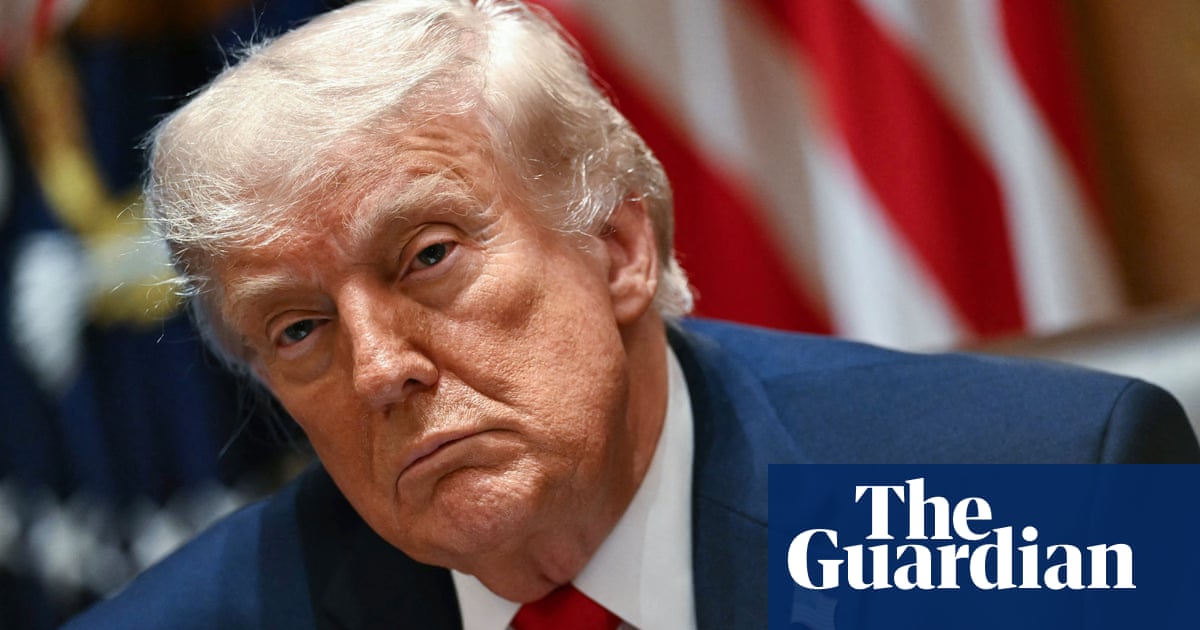
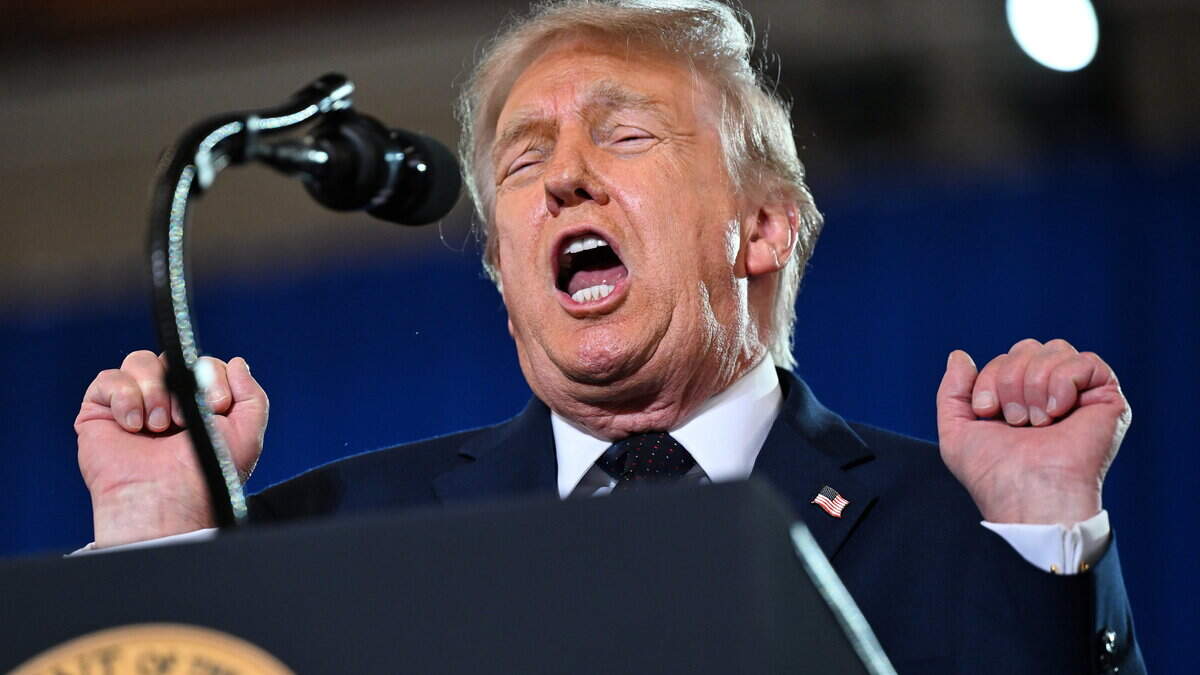
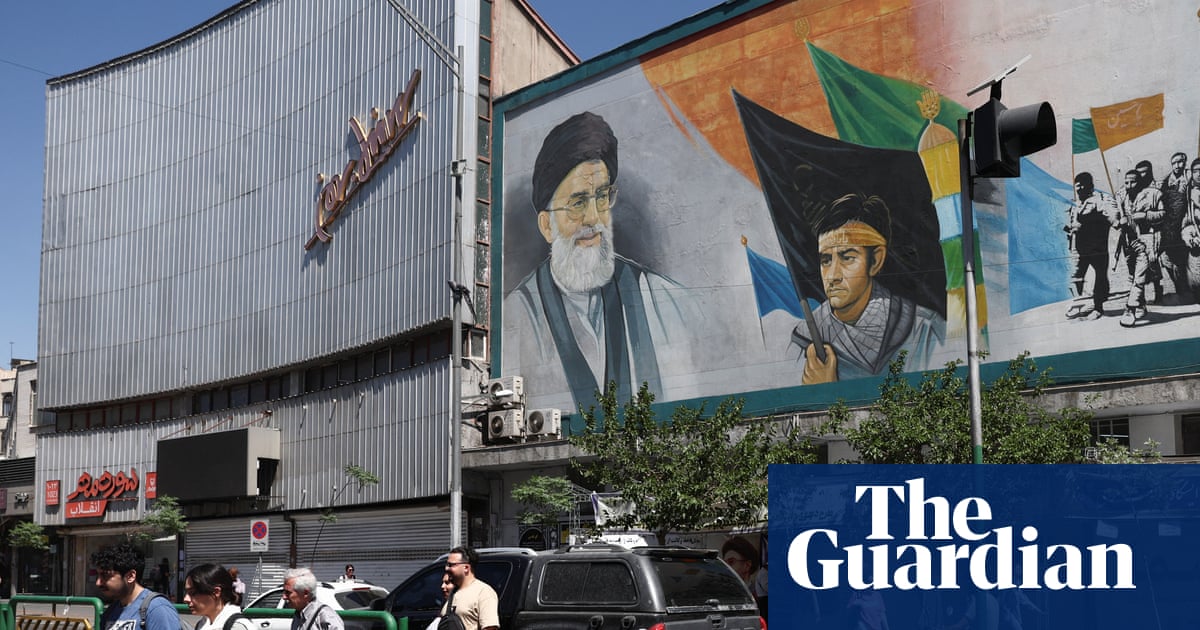
3 hours agoTrump accuses Iran of stalling peace deal to out-wait' him until US midterms
Iran is accused of delaying a peace agreement to gain better terms before US midterm elections.
Keeping the Strait of Hormuz closed is claimed to fail as pressure on the US and global economies.
Trump says Iran’s economic collapse makes compromise necessary and insists the strait will remain open to all.
Control of the Strait of Hormuz is rejected, with enforcement framed as international and potentially forceful.
World news
fromwww.mediaite.com
7 hours agoIran Accuses Trump of Grave' Ceasefire Violation While Pushing Its Own Peace Deal: State TV
Iran accused President Donald Trump of a grave ceasefire violation after U.S. defensive strikes, while a proposed framework and frozen-funds demands complicated negotiations.
#us-iran-negotiations


World news
fromFortune
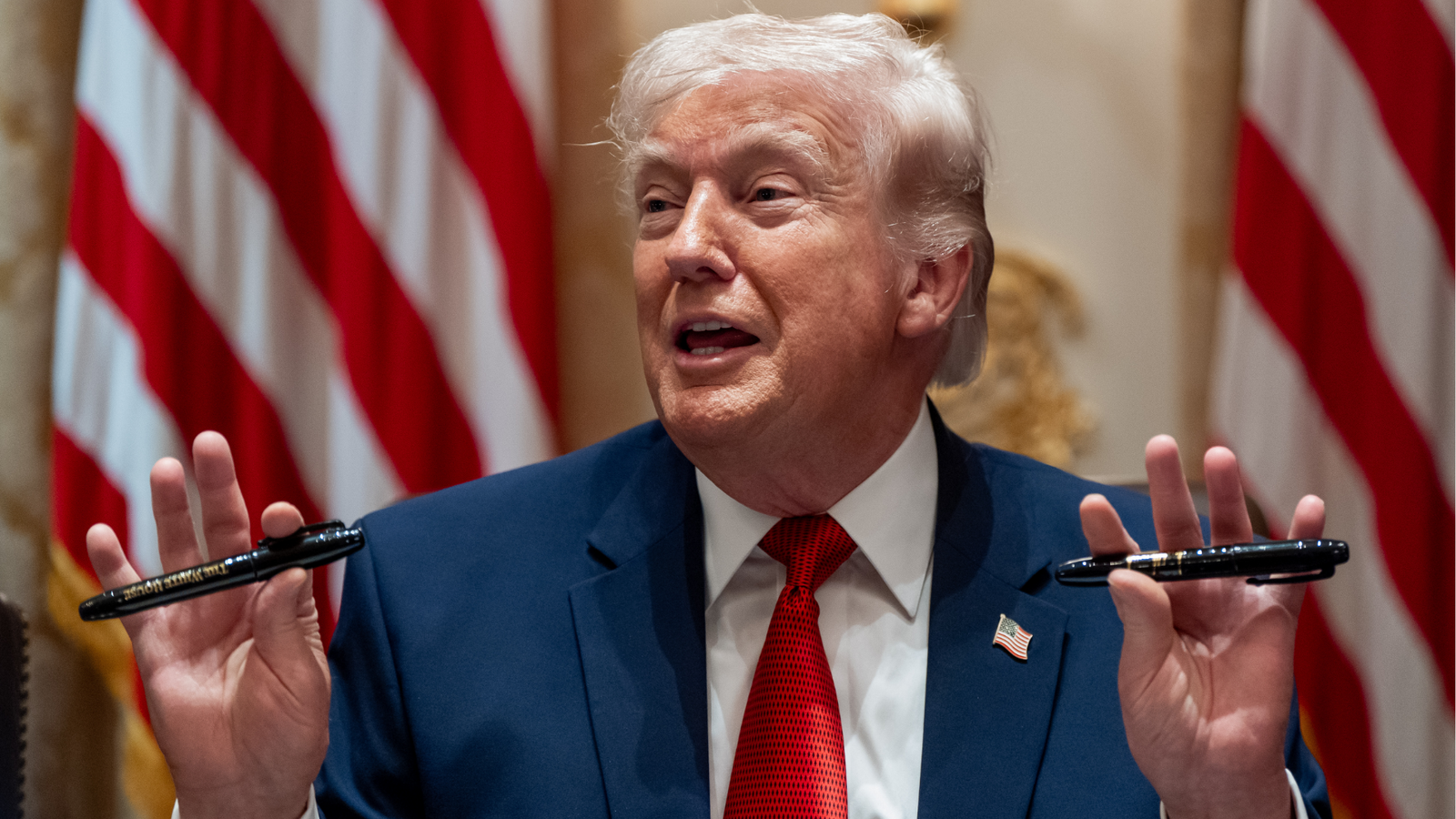
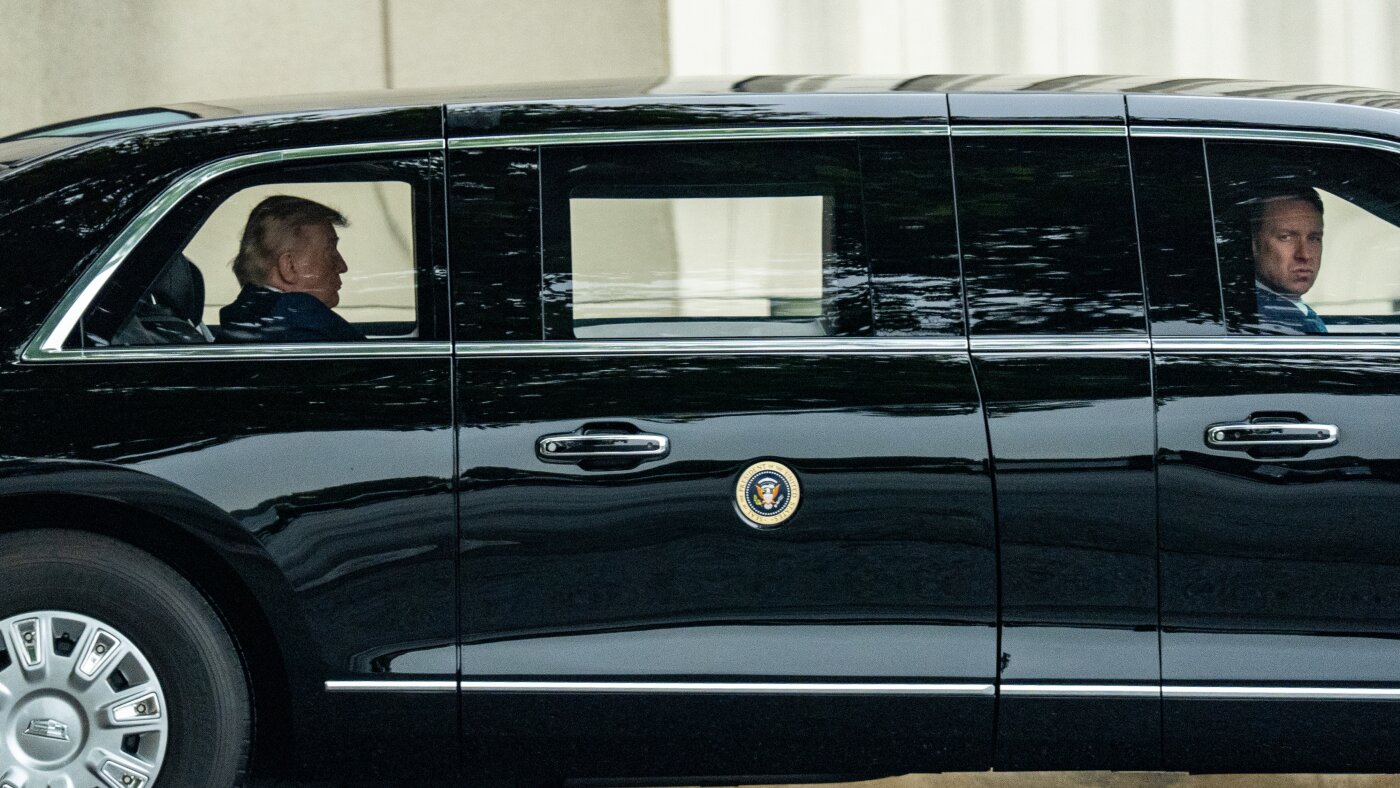
3 days agoAs U.S.-Iran deal nears, Trump ally warns against creating perception Tehran controls Hormuz-'it makes one wonder why the war started to begin with' | Fortune
A near agreement would reopen the Strait of Hormuz through U.S.-Iran talks while easing U.S. naval pressure and sanctions in exchange for phased Iranian steps.
World news
fromFortune
3 days agoAs U.S.-Iran deal nears, Trump ally warns against creating perception Tehran controls Hormuz-'it makes one wonder why the war started to begin with' | Fortune
A near agreement would reopen the Strait of Hormuz through U.S.-Iran talks while easing U.S. naval pressure and sanctions in exchange for phased Iranian steps.
#oil-prices
World news
fromLondon Business News | Londonlovesbusiness.com
12 hours agoOil futures slide further - London Business News | Londonlovesbusiness.com
Crude prices fell as hopes for a Middle East diplomatic breakthrough rose, but the proposed framework lacks binding nuclear concessions and leaves security risks unresolved.

World news
fromLondon Business News | Londonlovesbusiness.com
12 hours agoOil futures slide further - London Business News | Londonlovesbusiness.com
Crude prices fell as hopes for a Middle East diplomatic breakthrough rose, but the proposed framework lacks binding nuclear concessions and leaves security risks unresolved.


#iran-us-tensions

fromLondon Business News | Londonlovesbusiness.com
1 day agoWorld news
Tehran claims US drone kill and fires on a US F-35 stealth fighter jet - London Business News | Londonlovesbusiness.com
IRGC forces claimed they shot down a US MQ-9 Reaper drone and fired on an intruding F-35 during US strikes near the Strait of Hormuz.
World news
fromLondon Business News | Londonlovesbusiness.com
1 day agoTehran claims US drone kill and fires on a US F-35 stealth fighter jet - London Business News | Londonlovesbusiness.com
IRGC forces claimed they shot down a US MQ-9 Reaper drone and fired on an intruding F-35 during US strikes near the Strait of Hormuz.
#iran-nuclear-negotiations


fromFortune
1 day agoWorld news
Markets rejoice as deal to reopen Hormuz nears, but U.S. forces conduct 'self-defense strikes' on Iranian missile sites and boats laying mines | Fortune
Stock index futures rose while oil prices and Treasury yields fell on reports of a potential deal to reopen the Strait of Hormuz and extend a ceasefire.
World news
fromFortune
1 day agoMarkets rejoice as deal to reopen Hormuz nears, but U.S. forces conduct 'self-defense strikes' on Iranian missile sites and boats laying mines | Fortune
Stock index futures rose while oil prices and Treasury yields fell on reports of a potential deal to reopen the Strait of Hormuz and extend a ceasefire.




fromnews.bitcoin.com
1 day agoBitcoin Slides Below $77K as US Military Strikes on Iran Shake Risk Appetite
Following reports of U.S. Navy strikes against targets in Iran, bitcoin dropped nearly $800 in over three hours on Monday night, slipping below $77,000 and wiping out roughly $20 billion in market capitalization. Late on Monday, bitcoin fell nearly $800 below $77,000 following reports of U.S. Navy military strikes in Iran. Brent crude spiked near $99 as maritime clashes disrupted energy markets and dented crypto capitalization.
Cryptocurrency
fromwww.aljazeera.com
2 days agoOil prices fall amid mixed signals on US-Iran peace deal
Japan's benchmark stock index, the Nikkei 225, surged more than 3 percent in morning trading, hitting an all-time high after closing at a record peak on Friday. Oil prices have fallen sharply amid tentative hopes for a deal to end the US-Israel war on Iran. Brent crude, the primary benchmark for global oil prices, fell about 5 percent on Sunday as US President Donald Trump gave mixed signals on the prospects for a permanent end to the conflict.
World news
World news
fromFortune
3 days agoThe more generous U.S. ceasefire terms are, the more suspicious Iran becomes they're a ruse for another attack, expert says | Fortune
Iran would reopen the Strait of Hormuz and allow toll-free shipping while the U.S. lifts a naval blockade and provides sanctions relief, with nuclear and asset issues settled within 60 days.
#mine-clearing-operations
World news
fromFortune
3 days agoBritain's navy is preparing to clear mines in the Strait of Hormuz - but only once a U.S.-Iran peace agreement is reached | Fortune
The RFA Lyme Bay is preparing to join a UK-France-led effort to secure the Strait of Hormuz, pending a peace agreement and final Iran deal terms.
from24/7 Wall St.
3 days ago$5 Gas Is Back on the Table: What 14 Straight Weeks of Inventory Declines Mean for Consumers
Memorial Day weekend is arriving with the most expensive gasoline Americans have seen in four years, and the supply data suggests relief is not coming soon. CNBC energy reporter Pippa Stevens, speaking on Closing Bell Overtime on May 22, 2026, laid out a stark setup: gas prices are up more than 60% since the beginning of the year, and US gasoline stocks have now declined for 14 straight weeks. If shipping traffic through the Strait of Hormuz does not normalize, Stevens warned, "the national average could be heading towards $5 per gallon."
Washington DC
fromwww.aljazeera.com
3 days agoThe GCC should insure itself against the next Strait of Hormuz crisis
The crisis caused by the US-Israel war on Iran has affected the member states of the Gulf Cooperation Council (GCC) at different levels. Oman has barely felt any shock as its ports and terminals continue operating as usual. Saudi Arabia and the United Arab Emirates have been able to reroute some oil exports through terminals in Yanbu and Fujairah, respectively, to bypass the Strait of Hormuz. Kuwait, Bahrain and Qatar, on the other hand, have been practically cut off from the global market and are facing the prospect of economic contraction.
World news
fromwww.aljazeera.com
3 days agoTrump says Iran agreement largely negotiated', awaiting finalisation
Trump has said that a Memorandum of Understanding in ceasefire talks to end the US-Israel war with Iran has been largely negotiated. Trump said on Saturday that the agreement will include reopening the Strait of Hormuz, adding that it remained subject to finalization by US and Iranian negotiators and various other countries.
World news
fromIrish Independent
4 days agoUS and Iran report progress on talks ending war
Iran said it was focused on finalising a memorandum of understanding after its top officials met Asim Munir, the army chief of Pakistan. The Pakistani army said the negotiations had resulted in "encouraging" progress towards a final understanding. "An MOU is being fine-tuned," said a Pakistani security official who was briefed on Munir's visit.
World news
from24/7 Wall St.
4 days agoUS Oil Has Nearly Doubled This Year and After Tracking Every Oil ETF These 3 Show Exactly Where the Energy Trade Goes Next
West Texas Intermediate crude started 2026 at $57 a barrel and now trades near $112, a near-doubling driven by Iran-related tensions around the Strait of Hormuz and a sustained geopolitical risk premium on seaborne barrels. The three cleanest pure-play vehicles for that move are the United States Oil Fund ( NYSEARCA:USO), the United States Brent Oil Fund ( NYSEARCA:BNO), and the Invesco DB Oil Fund ( NYSEARCA:DBO). All three have roughly doubled along with the barrel, but the mechanics behind each one tell very different stories about where the energy trade goes from here.
Business
fromRadioFreeEurope/RadioLiberty
4 days agoFrom Tehran To Beijing, Pakistan Continues Diplomatic Push With Latest Iran War Talks
A renewed push for a peace agreement involving Pakistan and Gulf states is under way to prevent the fragile cease-fire between Iran and the United States from collapsing, as mediators race to bridge major differences over sanctions, uranium enrichment, and the future of the Strait of Hormuz.
World news
France politics
fromBreaking Defense
1 week agoFrom destroyers to drones, how a Europe-led coalition aims to open the Strait of Hormuz - Breaking Defense
A coalition of 40+ nations plans a defensive multinational mission to reopen the Strait of Hormuz after a sustainable ceasefire, using naval, air, and mine-clearing assets.
[ Load more ]