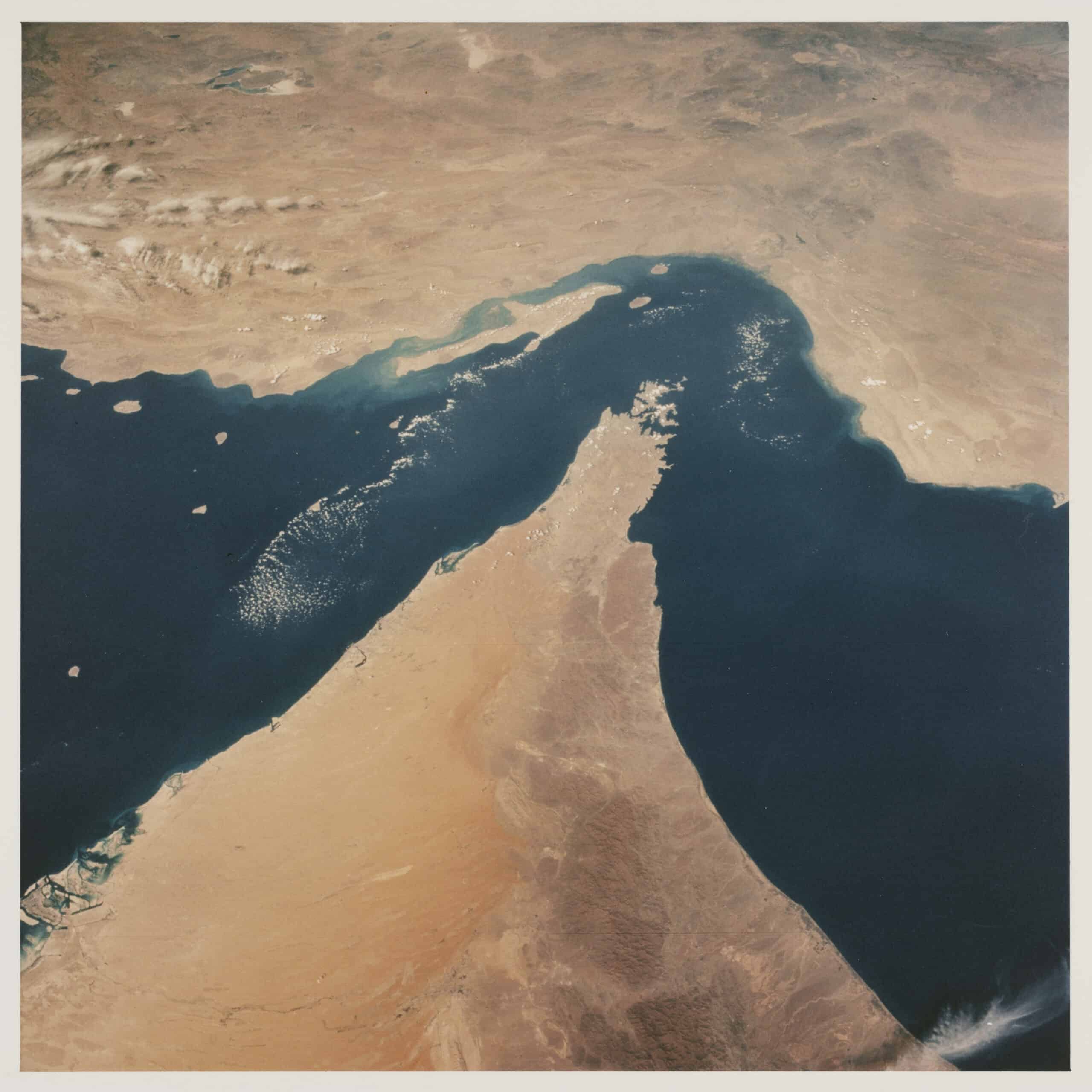
A potential closure of the Strait of Hormuz is approaching a threshold where damage to the global food system may not reverse quickly, even if shipping routes reopen. Natural gas is a key feedstock for nitrogen fertilizer, and sharp gas price increases tighten fertilizer supply. Higher fertilizer costs eventually affect food production and grocery prices worldwide. Energy market movements show the stress: Henry Hub natural gas spiked far above its pre-crisis range, then cooled, while oil prices continued rising. Higher fuel costs increase transportation expenses across the food supply chain, compounding direct fertilizer pressures. After 90 days, decisions made during the disruption affect the remainder of the year and 2027 planning.
"“Natural gas is between 65% and 80% more, which is used to produce nitrogen,” Torero said. “Food prices are a 55 increase, depending on the region. Food cost has increased and fuel cost 58%.”"
"Henry Hub natural gas prices briefly surged to $30.72/MMBtu on January 23, 2026, compared with a pre-crisis range of $4-$5/MMBtu in December 2025. Prices later cooled to $3.07/MMBtu as of May 18, while oil continued to climb. WTI crude has risen 30.7% over the past month to $112.25 per barrel, sitting near the highest levels of the past year."
"“Once we have reached 90 days, we are touching all the corners of the world,” Torero said. “That means that plenty of decisions are already made for the next half of the year and 2027 will be made later in the year.”"
#strait-of-hormuz #global-food-prices #nitrogen-fertilizer #natural-gas-and-energy-markets #supply-chain-disruption
Read at 24/7 Wall St.
Unable to calculate read time
Collection
[
|
...
]