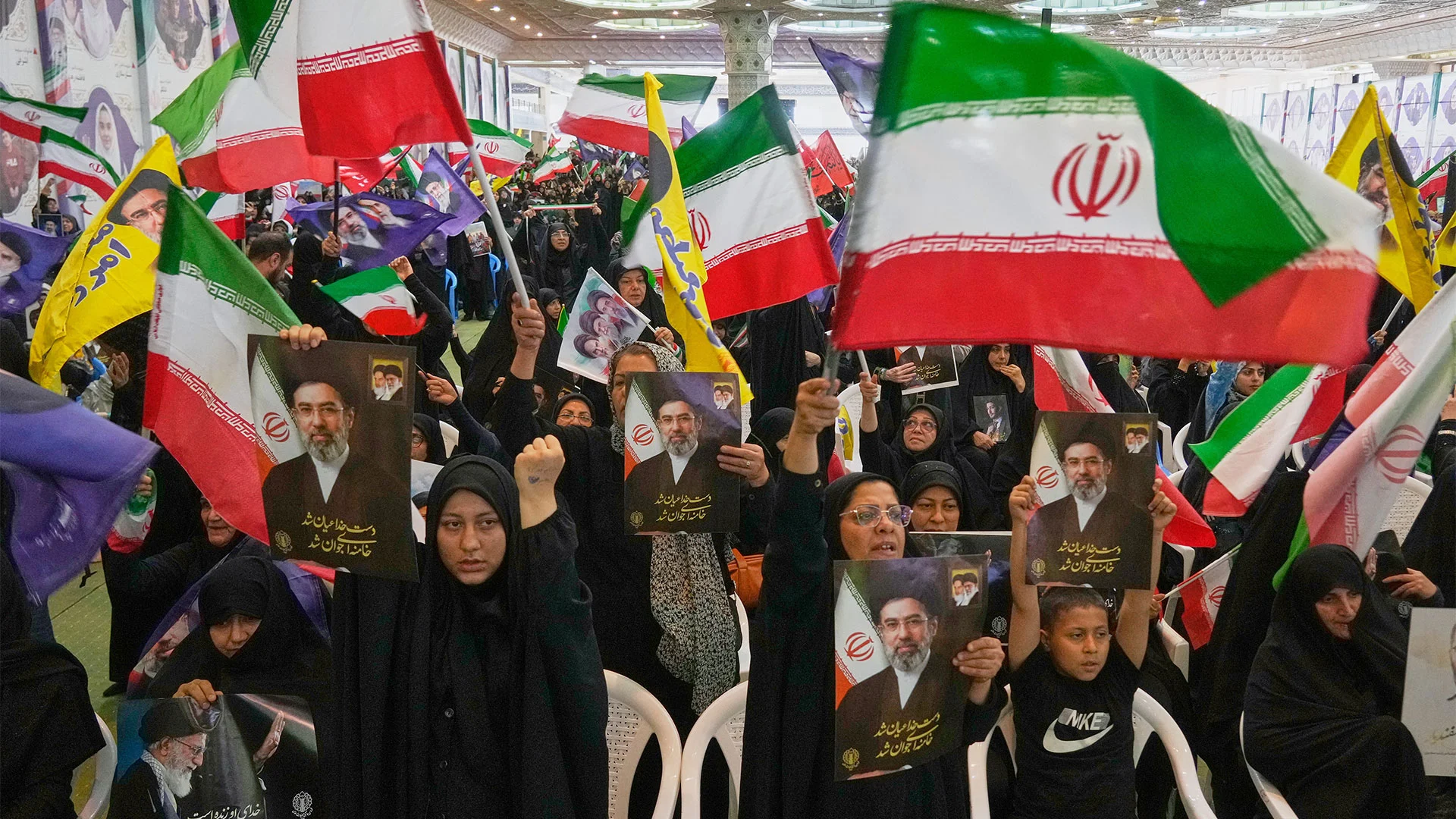
A potential U.S.-Iran agreement is forming to end the war and reopen the Strait of Hormuz. The fighting has continued across multiple fronts, including Lebanon, where Hezbollah has fought Israel since early in the war. A fragile ceasefire has been in place since April 7. Ending the war would reduce regional security concerns and allow global shipping, including a large share of world oil and natural gas, to move through the strait again. The draft deal reportedly includes an end to Israel-Hezbollah fighting and a commitment to avoid interference in regional domestic affairs, including Iran’s support for proxies. The U.S. seeks Israel’s freedom to respond to threats in Lebanon, while Iran rejects that approach, and the deal would address Israel’s right to act against imminent threats.
"A deal appears to be emerging between the United States and Iran to end the war and open the Strait of Hormuz, and U.S. President Donald Trump over the weekend said it had been "largely negotiated." It is not clear when or how the deal might be finalized and when its various parts will take effect. Trump spoke after calls with allies in the Middle East, including a separate call with Israel. Details come from two regional officials and a U.S. official who spoke on condition of anonymity to discuss the sensitive negotiations."
"In the 12 weeks since the U.S. and Israel launched the war with attacks on Iran that killed senior officials including Supreme Leader Ayatollah Ali Khamenei, Tehran has insisted that any deal focus on ending the fighting on all fronts. That includes Lebanon, where the Iranian-backed Hezbollah militant group has been fighting Israel since two days into the war. A fragile ceasefire has held since April 7. An end to the war would ease concerns throughout a region that saw Gulf havens and travel hubs like the United Arab Emirates struck by Iranian missiles and drones."
"Both regional officials said the draft deal includes an end to the war between Israel and Hezbollah, as well as a commitment to not interfere in the domestic affairs of countries in the region including Iran. That's a critical reference to Iran's support for proxies, which also include the Houthi rebels in Yemen, Hamas militants in Gaza and Shiite armed groups in Iraq. The U.S. wants Israel to have a free hand to respond to what it views as threats in Lebanon while Iran rejects it, one regional official said."
#us-iran-relations #middle-east-ceasefire #strait-of-hormuz #israel-hezbollah-conflict #regional-security
Read at Fast Company
Unable to calculate read time
Collection
[
|
...
]