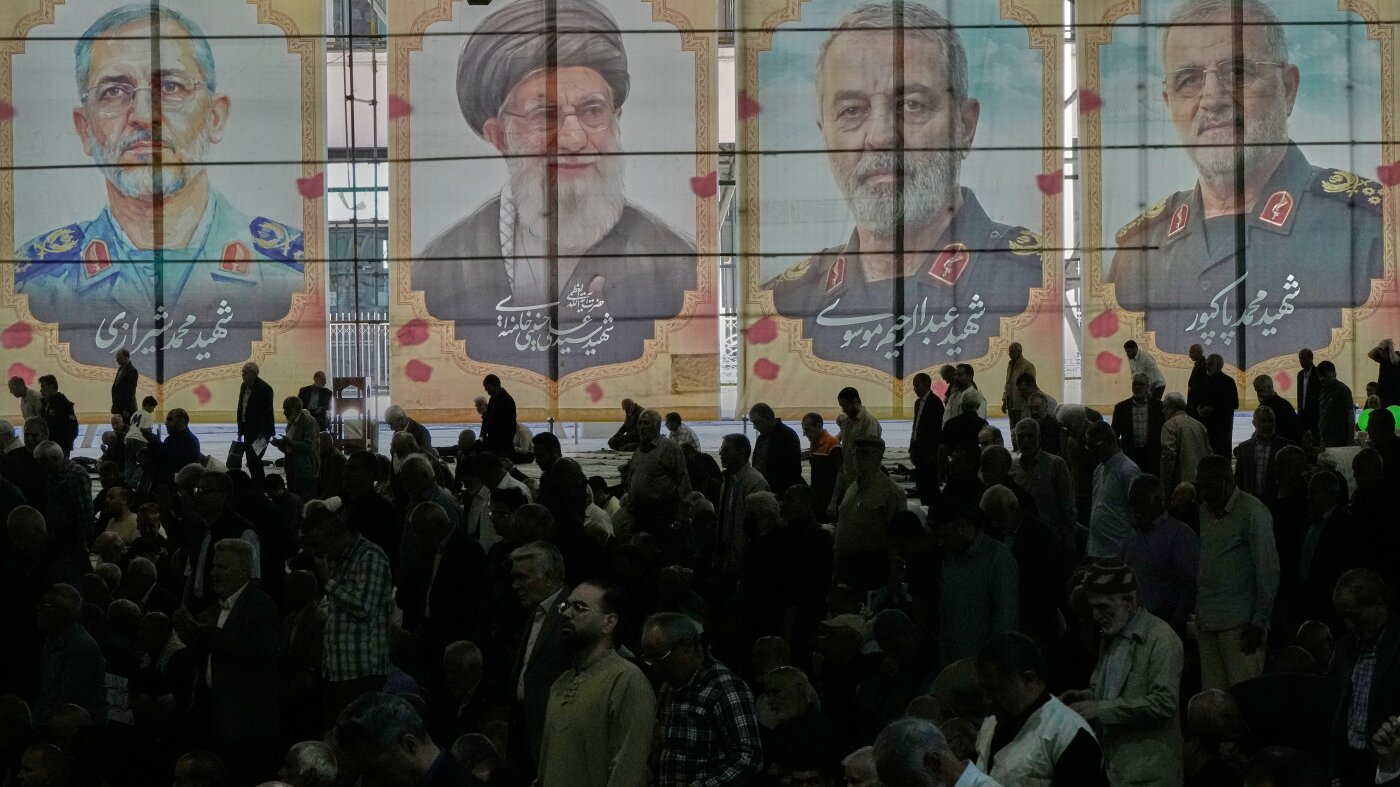
Iranian-born author and professor Trita Parsi joins Centre Stage to unpack the tumultuous history between the US and Iran, Iran's nuclear ambitions and its role as a strategic player in an increasingly divided world. He also breaks down Tehran's relationships with groups like Hezbollah and Hamas and how those alliances have shaped its regional position. Parsi is also the co-founder and executive vice president of the Quincy Institute for Responsible Statecraft.
In 1953, the C.I.A. backed a coup that ousted Mohammad Mossadegh, restoring power to the monarchy of Mohammad Reza Pahlavi, the Shah. This marked a significant turning point in U.S.-Iran relations, cementing the Shah as a steady ally while the U.S. benefitted from Iran's oil revenues.
President Trump expressed strong discontent towards media coverage, particularly criticizing reports from the New York Times and CNN regarding U.S. military actions in Iran, calling them fake news and harmful to military morale.
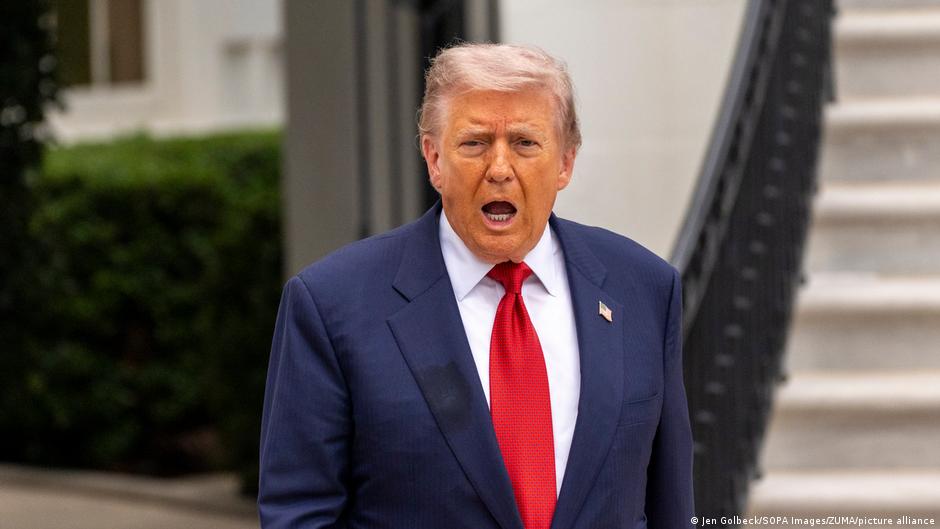
As soon as we made the deal, [Israel] came out and dropped a load of bombs, the likes of which I've never seen before, Trump told reporters in an unvarnished moment on the White House lawn on Tuesday.
The demonstration highlighted the growing discontent among Greek citizens regarding foreign military interventions, particularly in the context of the escalating tensions between the US and Iran.