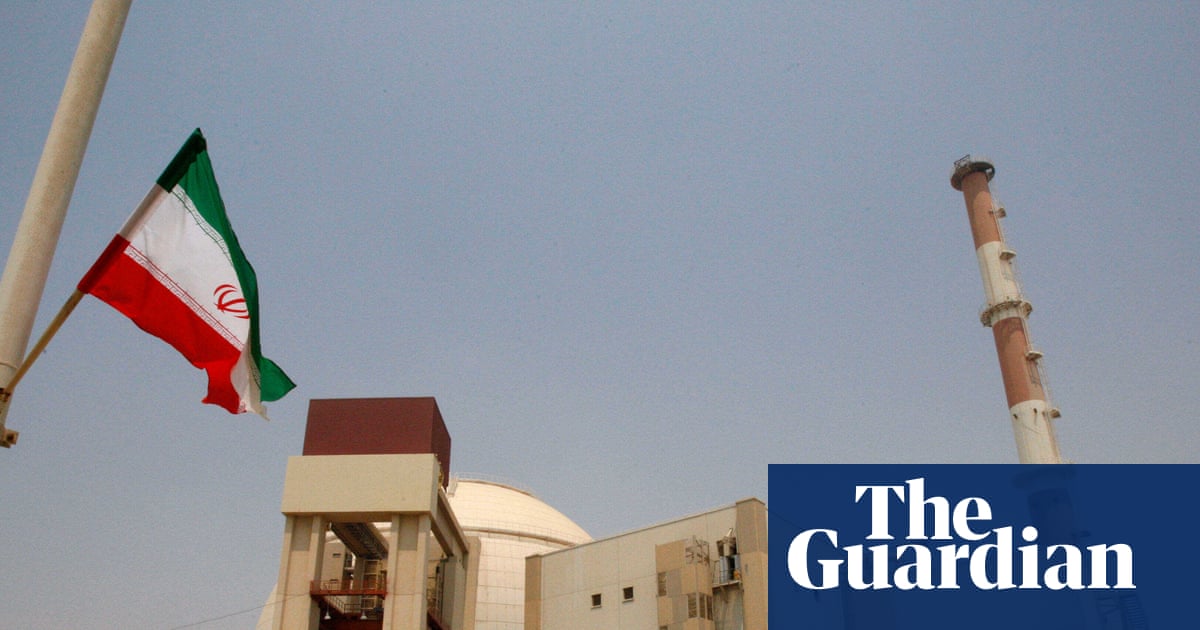
An urgent diplomatic effort aims to avert war between the US and Iran, but rising US demands clash with Iran's ideological and nationalist attachment to uranium enrichment. Nuclear ambitions predate the 1979 theocratic state and trace to the mid-1970s shah plans for 20 civil reactors, which spurred Western competition. Enrichment capability symbolizes national sovereignty and power. Iran has endured US sanctions, economic hardship, and political instability as consequences of pursuing enrichment. Foreign minister Abbas Araghchi invoked treaty rights, medical benefits, and the blood of assassinated scientists, proposing a consortium to enrich inside Iran while insisting on domestic enrichment. A historian labels the attachment ideological and obsessed.
"Asked by the Guardian in November in Tehran what cost benefit analysis could possibly conclude that the nuclear programme was a worthwhile project, the foreign minister, Abbas Araghchi, referred to Iran's sovereign right under the nuclear non-proliferation treaty, the medical benefits, and the blood of past assassinated Iranian nuclear scientists. He suggested a compromise whereby a consortium including possibly the US could enrich uranium in Iran, but insisted the principle that uranium would be enriched inside Iran remained sacrosanct."
"This prompted an undignified scramble among western nations to be part of the action, with the UK energy secretary at the time, Tony Benn, having more than a walk-on part. At the heart of the programme was a desire for national sovereignty and power, symbolised by the ability to enrich uranium. But the exorbitant price Iran has paid to exercise that right subsequently in terms of US sanctions, economic misery and now political instability raises questions as to Iran's true motives."
Read at www.theguardian.com
Unable to calculate read time
Collection
[
|
...
]