#trump-foreign-policy
#trump-foreign-policy
[ follow ]
#strait-of-hormuz #iran-military-conflict #iran-conflict #iran-military-action #iran-military-strikes
#us-china-relations
World politics
fromABC7 Los Angeles
6 days agoTrump-Xi summit comes with high stakes for Taiwan, the island democracy that China claims as its own
Trump shows ambivalence toward Taiwan, combining a delayed $11 billion arms package with tariff-linked pressure on Taipei to buy U.S. goods and invest in U.S. semiconductors.
US Elections
fromFortune
1 week agoChina may not offer breakthroughs when Trump meets Xi because Beijing is 'working backward from our midterm elections' | Fortune
Trump expects a friendly reception from Xi Jinping, but Iran ties and ongoing trade tensions may limit warmth during his brief China visit.

World news
fromwww.theguardian.com
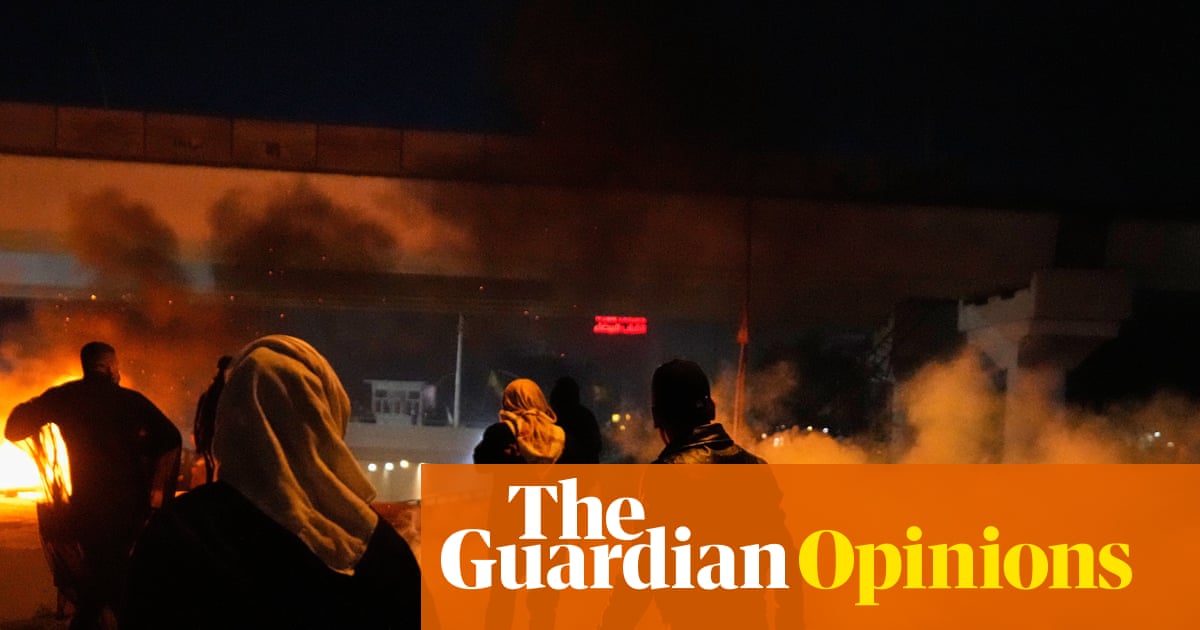
1 week agoAnother day, another pivot as Trump flails in an Iran trap of his own making
Trump administration cycles through military threats, humanitarian initiatives, and peace negotiations while trapped by Iran's nuclear ambitions, strait control, and economic leverage.
#iran-military-conflict
US Elections
fromAxios
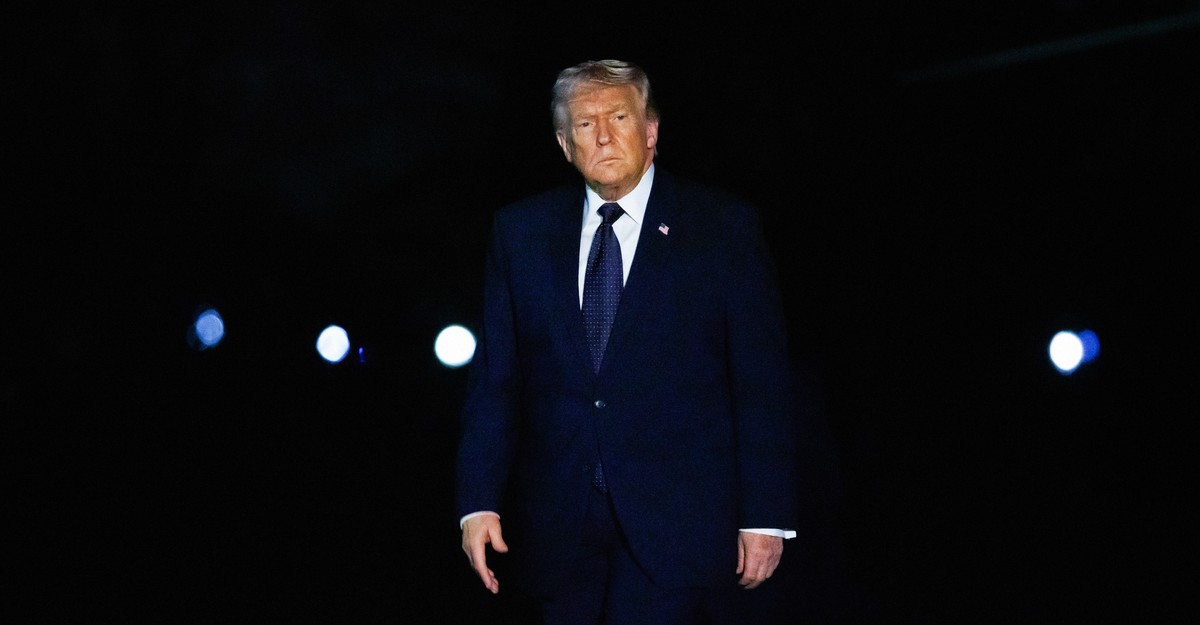
2 months agoTrump's risky business
Only 38% of Americans support U.S. military strikes in Iran, with no rally-around-the-flag effect materializing despite Republican support, while costs mount and oil prices surge.
World politics
fromwww.twincities.com
2 months agoTrump pushes back on mounting criticism about his Iran war battle plan as conflict spreads
Trump defends escalating military conflict with Iran while leaving open the possibility of ground troops, facing criticism from both political opponents and his MAGA base over lack of clear strategy and endgame.
World news
fromwww.mediaite.com
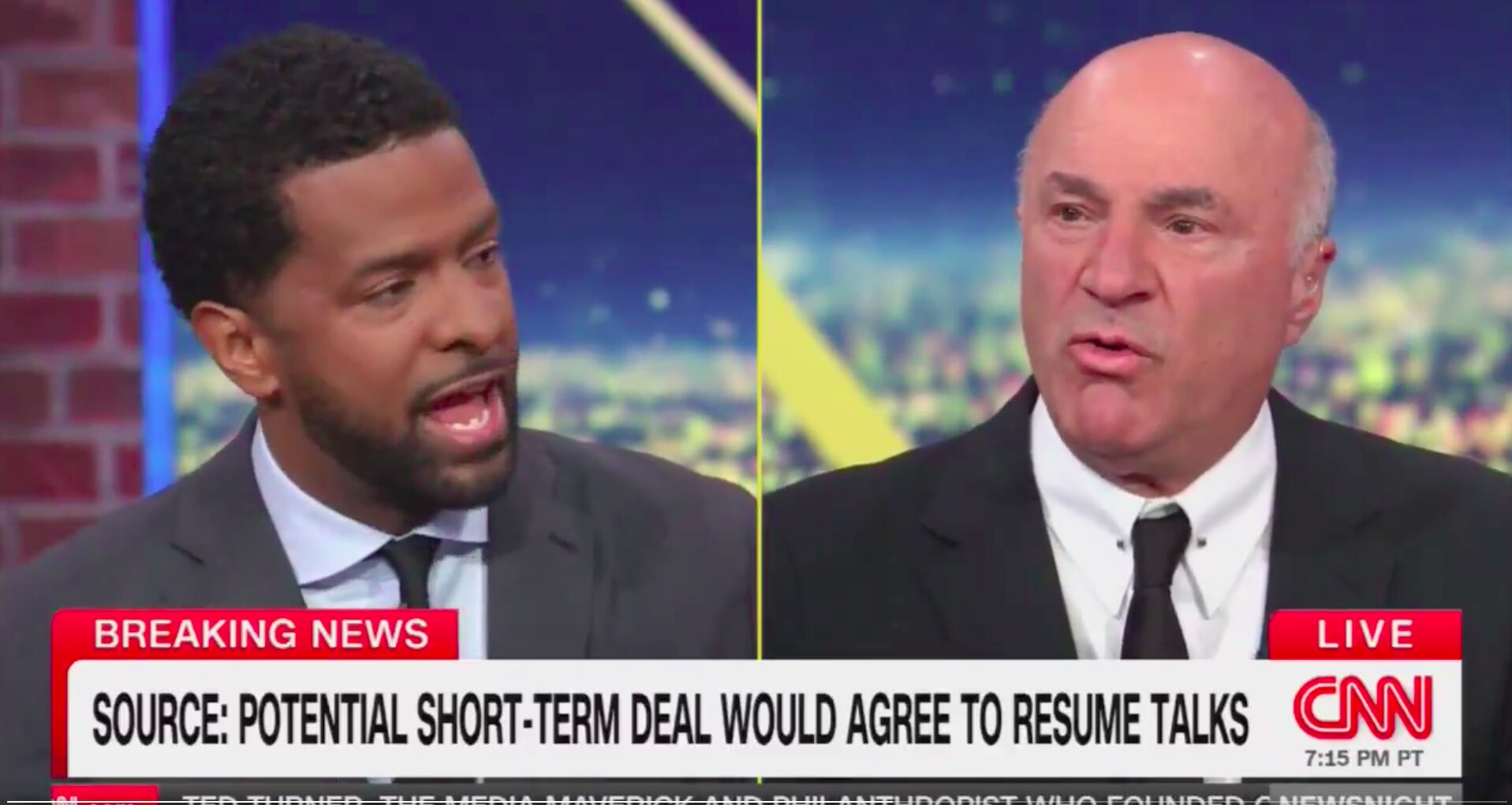
1 week agoA Whole Bunch of Nothing': Bakari Sellers Shoots Down Kevin O'Leary's Pro-Trump Talking Points
Kevin O'Leary defended Trump's Iran war by claiming it would reopen the Strait of Hormuz and isolate Iran, while Bakari Sellers challenged him to explain concrete benefits for American citizens.
World politics
fromwww.twincities.com
2 months agoTrump pushes back on mounting criticism about his Iran war battle plan as conflict spreads
Trump defends escalating military conflict with Iran while leaving open the possibility of ground troops, facing criticism from both political opponents and his MAGA base over lack of clear strategy and endgame.
Right-wing politics
fromSlate Magazine
1 month agoA Casino in Your Pocket: What Could Go Wrong?
Trump's approach relies on anger and dominance toward adversaries and allies, while facing pushback on Iran policy, sports betting poses public health risks, and a federal judge blocked RFK Jr.'s vaccine overhaul.
#us-iran-military-conflict

World politics
fromFortune
2 months agoTop diplomat on Middle Eastern regime change as a losing game: 'U.S. history in that area of the world is not good with this' | Fortune
Large-scale U.S. military intervention in Iran is unlikely due to high risks, unpredictable outcomes, and Trump's preference for limited military actions over extensive ground troop deployments.
#nato-relations
World politics
fromwww.mediaite.com
2 months agoTrump Lashes Out at NATO Allies After They Decline His Plea to Join War With Iran: WE DO NOT NEED THE HELP OF ANYONE!'
Trump criticized NATO allies for refusing to join a U.S.-Israeli military operation against Iran, claiming American military superiority has eliminated Iran's military capabilities and rendered allied support unnecessary.
Europe news
fromwww.mediaite.com
2 months agoTrump GOES OFF on Terrible' Spain, Says US Can Just Fly in and Use Their Bases' Despite Their Refusal
Trump criticized Spain for refusing U.S. air base access and non-compliance with NATO spending, while praising Germany and NATO leadership, also expressing dissatisfaction with the United Kingdom.
#strait-of-hormuz
France politics
fromwww.thelocal.fr
2 months agoOPINION: Macron is having a 'good war', but there is no good end to the Iran disaster
Trump demands allies escort tankers through the Strait of Hormuz, but France and other nations refuse to send ships into active conflict zones, viewing it as a loyalty test rather than a legitimate military request.
World politics
fromenglish.elpais.com
2 months agoTrump ramps up military pressure on Iran despite European challenge and the ravages of war on the global economy
Trump pressures allies to form a military coalition for the Strait of Hormuz while claiming he doesn't need them, creating a self-fulfilling prophecy when European, Asian, and NATO allies reject participation.
#iran-conflict
World politics
fromThe Walrus
2 months agoHow Will the Iran War End? Even Trump May Not Really Know | The Walrus
Trump's stated justifications for Iran conflict are contradictory, ranging from nuclear weapons to regime change to imminent threats, with supporters attributing this to strategic unpredictability while critics question the coherence of policy.
fromwww.dw.com
2 months agoIran war: NATO making 'mistake' on Hormuz, Trump says
Trump, in a White House meeting with Irish Taoiseach Michael Martin on St. Patrick's Day, said NATO is making a "very foolish mistake" by not helping out with escorting tankers in the Strait of Hormuz. "We don't need them but they should've been there," Trump said, reiterating what he said in his earlier Truth Social post.
France politics
World news
fromLondon Business News | Londonlovesbusiness.com
2 months agoTrump is 'not happy' with Starmer's response to Iran war - London Business News | Londonlovesbusiness.com
Trump criticizes UK's reluctant approach to securing the Strait of Hormuz, urging Britain to deploy naval assets to prevent global energy disruption from Iran conflict escalation.
World politics
fromFortune
2 months ago'Blackmail is also not what I wish for': America's allies are ghosting Trump on Strait of Hormuz | Fortune
President Trump initiated a war with Iran without allied consultation and now seeks international military support to reopen the Strait of Hormuz, but most allies are refusing or remaining silent.
#iran-military-action
Right-wing politics
fromwww.mediaite.com
2 months agoMarjorie Taylor Greene Claims Nobody' in MAGA Wants Iran War Every Single Poll Shows Otherwise
Marjorie Taylor Greene claims MAGA voters oppose military action against Iran, but multiple polls show 85-91% of Republicans and MAGA voters support the strikes.
World politics
fromThe Atlantic
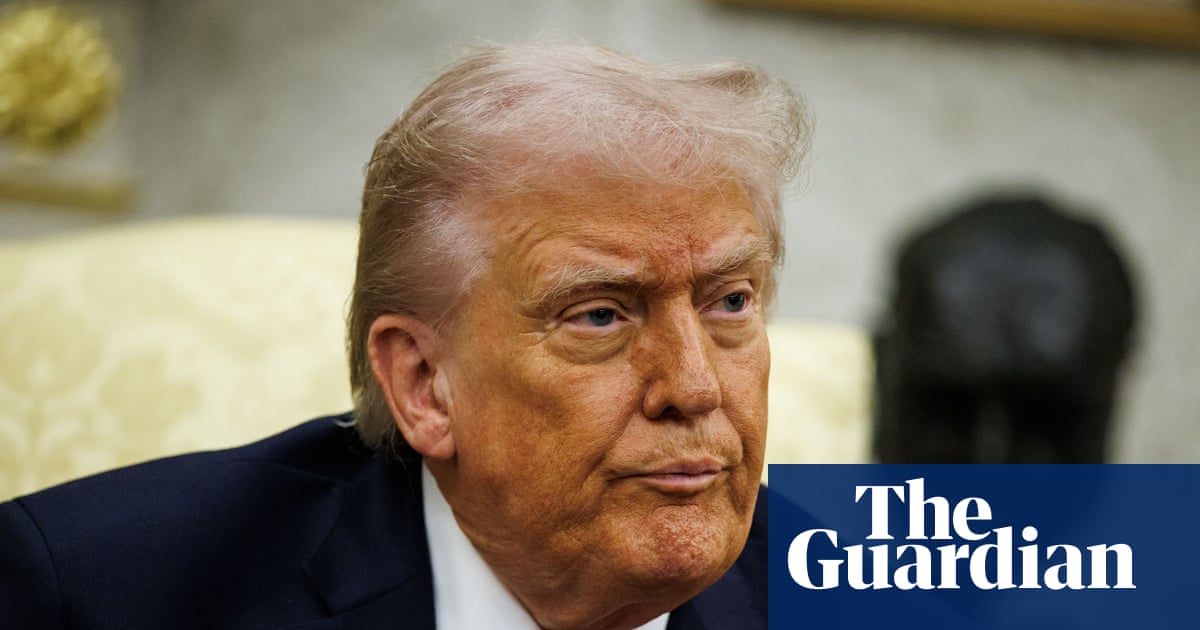
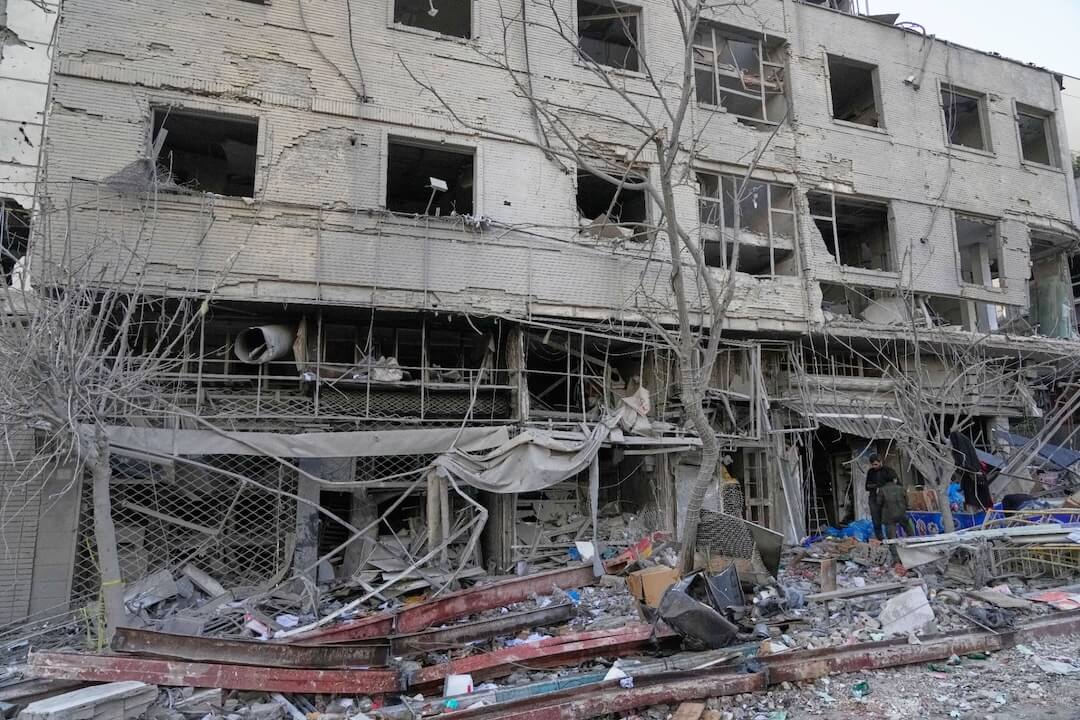
2 months agoNobody Made Trump Attack Iran
President Trump provided multiple conflicting justifications for attacking Iran across different days, including nuclear ambitions, imminent threats, and preemptive protection, each presenting logical inconsistencies with prior statements and intelligence assessments.
Right-wing politics
fromwww.mediaite.com
2 months agoMarjorie Taylor Greene Claims Nobody' in MAGA Wants Iran War Every Single Poll Shows Otherwise
Marjorie Taylor Greene claims MAGA voters oppose military action against Iran, but multiple polls show 85-91% of Republicans and MAGA voters support the strikes.
World politics
fromThe Atlantic
2 months agoNobody Made Trump Attack Iran
President Trump provided multiple conflicting justifications for attacking Iran across different days, including nuclear ambitions, imminent threats, and preemptive protection, each presenting logical inconsistencies with prior statements and intelligence assessments.
Europe news
fromFortune
2 months agoWith Iran still in control of Hormuz, Trump threatens NATO and oil hits $106 | Fortune
Oil prices at $106 per barrel are driving market movements, with central banks from six major economies making simultaneous interest rate decisions while geopolitical tensions over the Strait of Hormuz escalate.
#iran-military-strike
Right-wing politics
fromwww.theguardian.com
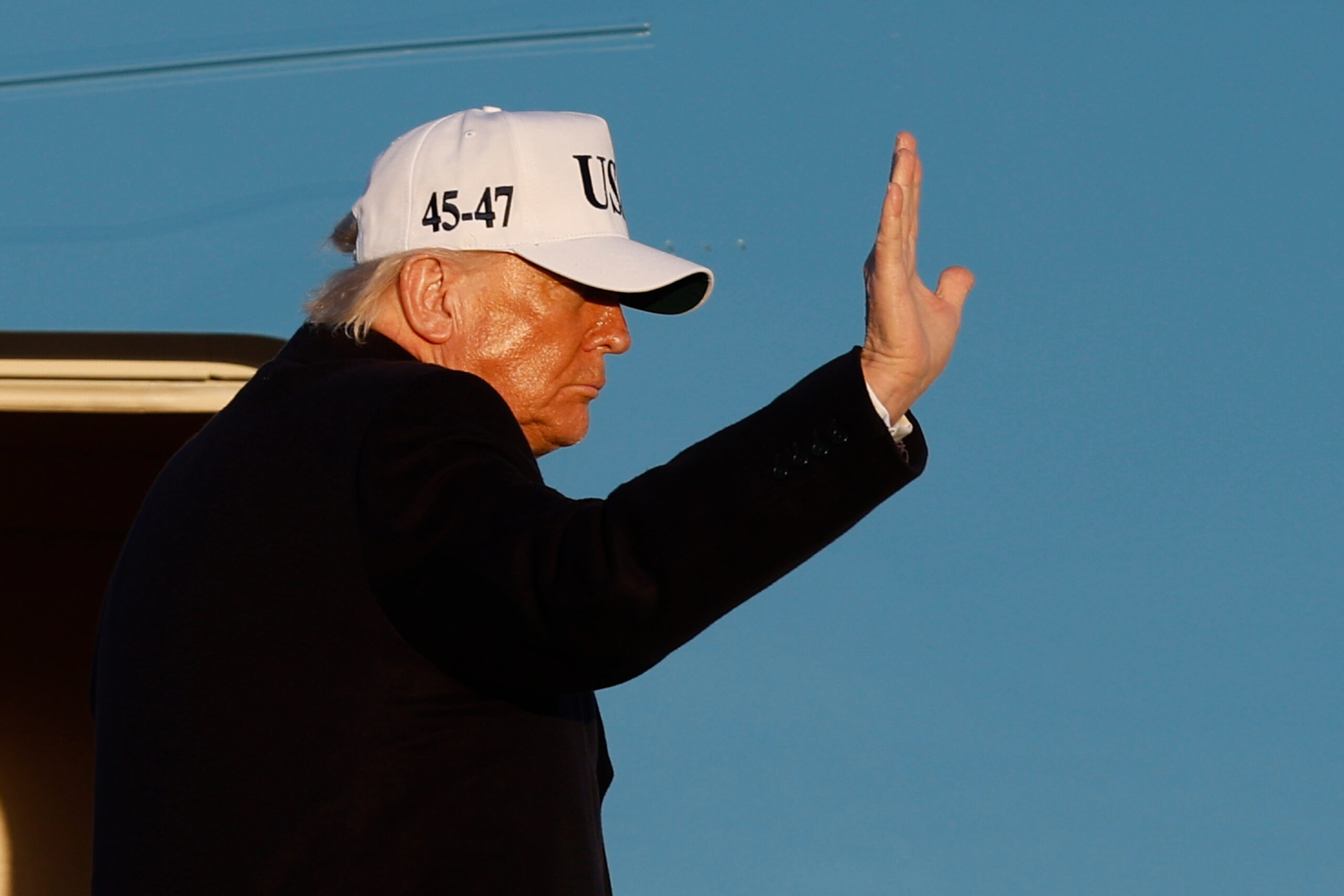
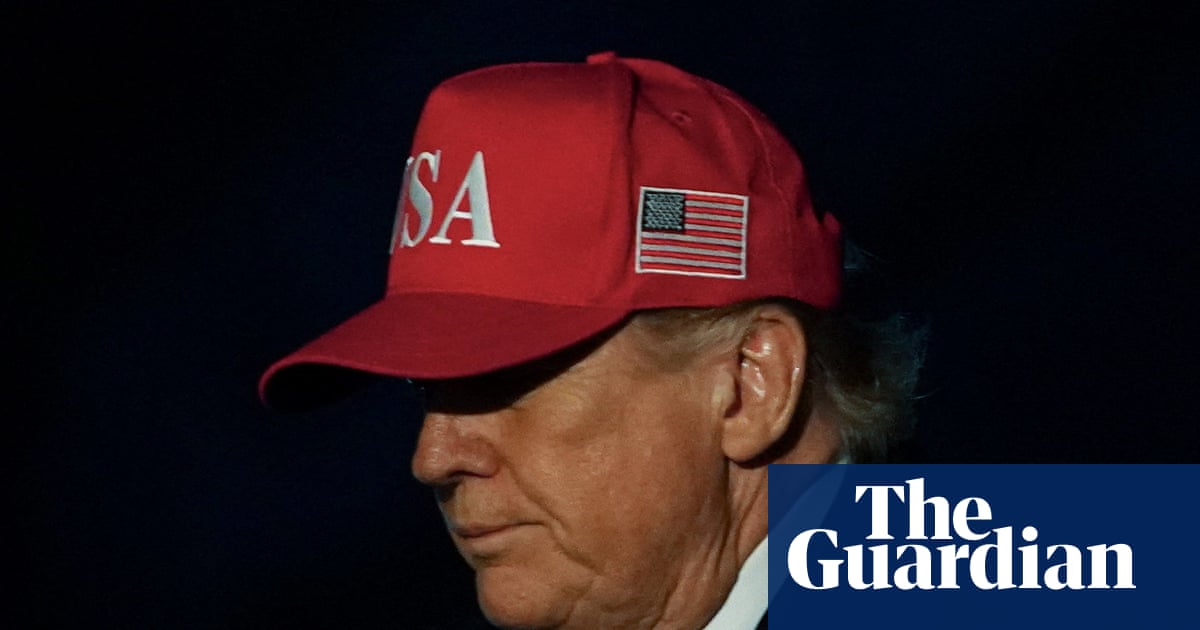
2 months agoOpen betrayal' or just and imperative'? Trump's Iran strikes divide conservative media
Trump's decision to join Israel in attacking Iran contradicts his campaign promises to end endless wars, creating divisions within conservative media and the MAGA movement, particularly between older and younger supporters.
Right-wing politics
fromwww.mediaite.com
2 months agoTucker Carlson Echoes MAGA Voters Upset' With Trump: I Can't Believe He Did This To Us'
Tucker Carlson argues Trump's Iran strikes alienated core supporters, claiming only older Fox News viewers support the intervention while Trump's actual electoral coalition opposes Middle East conflicts.
#iran-military-strategy
World politics
fromwww.theguardian.com
2 months agoWhat is Trump's endgame with Iran? | Robert Reich
Trump aims to achieve regime change in Iran through military action, declare victory quickly before casualties mount, then force Iran to capitulate on nuclear weapons, ballistic missiles, and proxy forces through negotiations.
World politics
fromwww.theguardian.com
2 months agoWhat is Trump's endgame with Iran? | Robert Reich
Trump aims to achieve regime change in Iran through military action, declare victory quickly before casualties mount, then force Iran to capitulate on nuclear weapons, ballistic missiles, and proxy forces through negotiations.
World politics
fromThe Washington Post
2 months agoTrump's friendship, once an asset, becomes a liability for Italy's Meloni
Italian Prime Minister Meloni distances herself from Trump's Middle East policies while maintaining diplomatic ties, condemning military strikes and questioning unilateral interventions outside international law.

#iran-military-operations
US politics
fromwww.mediaite.com
2 months agoScott Jennings Accuses Democrat of Cheering Against American Success' in Tense CNN Throwdown
Cunningham opposes Trump's Iran operation citing unclear objectives, historical war failures, fiscal costs, and lack of public support, while Jennings argues Iran poses an imminent threat requiring military action.
US politics
fromwww.mediaite.com
2 months agoScott Jennings Accuses Democrat of Cheering Against American Success' in Tense CNN Throwdown
Cunningham opposes Trump's Iran operation citing unclear objectives, historical war failures, fiscal costs, and lack of public support, while Jennings argues Iran poses an imminent threat requiring military action.
World politics
fromwww.theguardian.com
2 months agoThe Guardian view on Europe's response to the Iran crisis: damage limitation only goes so far | Editorial
European leaders face pressure from Trump's unilateral military actions in Venezuela and Iran, requiring them to balance protecting their interests with defending multilateral principles through strategic autonomy.
#iran-military-intervention

US Elections
fromwww.theguardian.com
2 months agoTrump says Iran war to last four to five weeks but could go far longer'
Trump outlined four Iran policy goals with a projected four to five week campaign duration, citing nuclear development and missile threats as justification for the intervention that killed Ayatollah Khamenei.
Right-wing politics
fromenglish.elpais.com
2 months agoThe attack on Iran opens a rift in the MAGA world for Trump
Trump's alleged military action against Iran contradicts his 'America First' campaign promises and creates division among his MAGA supporters, with former ally Marjorie Taylor Greene publicly opposing the intervention.
US Elections
fromwww.theguardian.com
2 months agoTrump says Iran war to last four to five weeks but could go far longer'
Trump outlined four Iran policy goals with a projected four to five week campaign duration, citing nuclear development and missile threats as justification for the intervention that killed Ayatollah Khamenei.
Right-wing politics
fromenglish.elpais.com
2 months agoThe attack on Iran opens a rift in the MAGA world for Trump
Trump's alleged military action against Iran contradicts his 'America First' campaign promises and creates division among his MAGA supporters, with former ally Marjorie Taylor Greene publicly opposing the intervention.
US politics
fromFortune
2 months agoWhen it comes to the war in Iran don't go betting on the TACO trade, says top JPMorgan investment strategist | Fortune
Despite Iran tensions and oil prices exceeding $100 per barrel, markets remain stable as investors expect Trump to resolve the conflict within four to five weeks, betting on his historical pattern of backing down from aggressive policies.
World politics
fromenglish.elpais.com
2 months agoTrump loses the tariff hammer but grabs the flamethrower in the Middle East
Trump's strategy of creating chaos through tariffs and military aggression has destabilized international order, with the Supreme Court limiting tariff powers but escalating Middle East tensions through Iran conflict.
#iran-regime-change
World news
fromIntelligencer
2 months agoJohn Bolton Just Wishes Trump Bombed Iran Sooner
Trump's bombing campaign in Iran has divided his supporters between those opposing foreign wars and neoconservative hawks advocating regime change, with John Bolton expressing regret about not achieving Iranian regime overthrow during Trump's first term.

World news
fromIntelligencer
2 months agoJohn Bolton Just Wishes Trump Bombed Iran Sooner
Trump's bombing campaign in Iran has divided his supporters between those opposing foreign wars and neoconservative hawks advocating regime change, with John Bolton expressing regret about not achieving Iranian regime overthrow during Trump's first term.
US politics
fromwww.theguardian.com
2 months agoAn ideological guest list': Trump invites Latin America's rightwing leaders to Florida summit
Trump is hosting Latin American leaders at a Miami golf resort to reassert US dominance in the region and counter Chinese influence through aggressive military and economic interventions.
Russo-Ukrainian War
fromwww.theguardian.com
2 months agoUkraine war briefing: Trump urges Zelenskyy to get a deal done' with Russia
Trump urges Zelenskyy to negotiate with Russia, claiming Putin is ready for a deal, while Zelenskyy seeks international cooperation on drone defense and faces Hungarian obstruction of financial operations.
fromThe Atlantic
2 months agoA Current and Not-So-Short List of America's Global Conflicts
Trump has governed as a hawkish interventionist whose approach better aligns with his neoconservative secretary of state, Marco Rubio, than with the anti-interventionists in his administration, such as J. D. Vance and Tulsi Gabbard. The United States is now enmeshed in so many conflicts that its foreign policy is closer to "world police" than "America First."
US politics
#iran-military-strikes


US Elections
fromAxios
2 months agoTrump campaign peace promises loom large over wartime presidency
Trump's Iran strikes represent historically distinctive military action across multiple new geographic fronts with three U.S. service members killed in the first 24 hours.
Right-wing politics
fromFortune
2 months agoMarjorie Taylor Greene rips Iran strikes as Trump betraying America First: 'It's always a lie and it's always America Last' | Fortune
Trump's U.S.-Israeli attack on Iran contradicts his anti-interventionist campaign rhetoric and risks entangling him in prolonged military conflict abroad.
Right-wing politics
fromFortune
2 months agoMarjorie Taylor Greene rips Iran strikes as Trump betraying America First: 'It's always a lie and it's always America Last' | Fortune
Trump's U.S.-Israeli attack on Iran contradicts his anti-interventionist campaign rhetoric and risks entangling him in prolonged military conflict abroad.
Right-wing politics
fromwww.mercurynews.com
2 months agoGoldberg: The idea that the president was anti-war was always delusional
Trump's anti-war reputation is a misunderstanding; he opposes sacrifice and idealism in foreign policy, not conflict itself, as evidenced by his stated love of war when America wins.
fromwww.nytimes.com
2 months agoVideo: Trump Says He Doesn't Know Who Will Be Iran's Next Leader
Well, most of the people we had in mind are dead. And now we have another group. They may be dead also based on reports. So I guess you have a third wave coming in pretty soon, we're not going to know anybody.
US Elections
World news
fromwww.theguardian.com
2 months agoTrump says he fears Iran's next leader could be as bad as the previous person'
Trump expressed confidence in US-Israeli military superiority over Iran while acknowledging his worst-case concern: regime change resulting in leadership equally repressive as the previous government.
World politics
fromwww.theguardian.com
2 months agoStarmer's position on Iran pleases no one, but that is because there are no good options | Rafael Behr
Trump treats alliances as transactional relationships requiring tribute and loyalty rather than mutual long-term partnerships, creating a geopolitical crisis for Britain and European democracies dependent on Western solidarity.
World news
fromemptywheel
2 months agoIran Things that Got Memory Holed, Including the So-Called Negotiators, Steve and Jared - emptywheel
Western-Iran conflict stems from 1953 US-UK coup, not 1979; Trump's 2018 JCPOA withdrawal created conditions for current illegal war, while unqualified Trump associates negotiate Middle East and Ukraine peace deals.
US politics
fromwww.mediaite.com
2 months agoDemocrats Irk Trump By Busting Out Laughing at His Boast He Ended Eight Wars'
Trump claimed to have ended eight wars during his first ten months in office, but fact-checkers found not all conflicts occurred within that timeframe and not all parties credit him with the resolutions.
fromwww.thelocal.de
2 months agoGermany-US relations have been badly damaged but not beyond repair
Meeting in Munich over the weekend, officials on both sides said they wanted to continue to work together. In the world of geopolitics all eyes were on Southern Germany over the weekend where the Munich Security Conference (MSC) served as the latest make or break moment for Germany-US relations. German Chancellor Friedrich Merz delivered the event's opening speech in which he acknowledged that a rift has opened up with the US, and urged trans-Atlantic partners to repair and revive trust.
Miscellaneous
[ Load more ]