#iran
#iran
[ follow ]
#strait-of-hormuz #middle-east-conflict #human-rights #us-china-relations #us-foreign-policy #trump #taiwan




World news
fromwww.theguardian.com
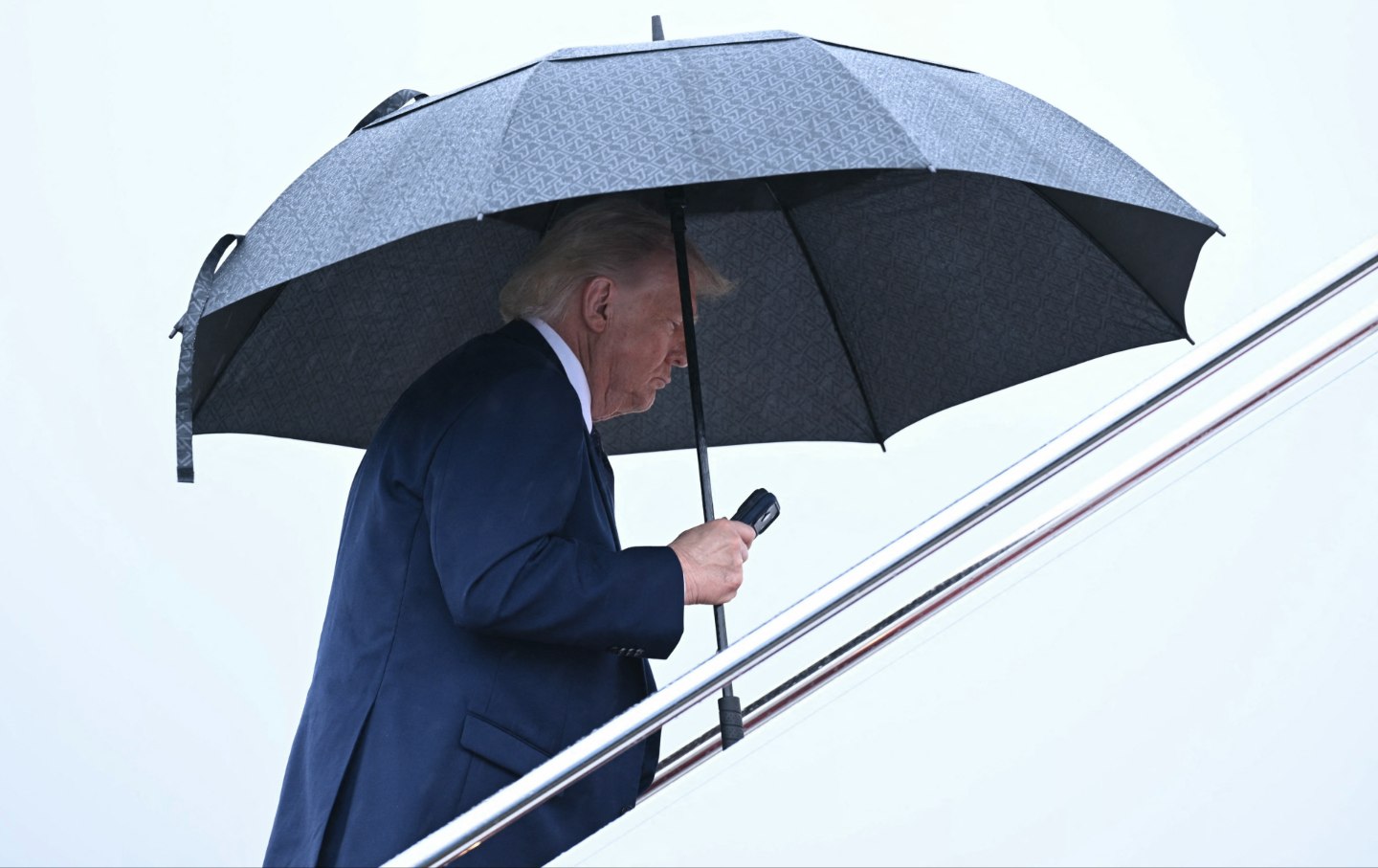
2 days agoTrump administration deported 21,000 to places US calls too dangerous to visit
The Trump administration deported thousands of Iranians and other people to countries deemed unsafe, often without criminal convictions, amid plans for military action against Iran.
World news
fromwww.theguardian.com
4 days agoLifting of internet restrictions reveals Iranians' anger over food inflation
Partial restoration of internet access in Iran coincided with widespread anger over food price inflation and shortages, alongside government warnings about cognitive warfare and plans to curb price gouging.
Washington DC
fromWashingtonian - The website that Washington lives by.
4 days agoNDAs for Feds? Plus: Washington Post Sublets Office Space After Layoffs, and Hot Dog Hats Are Hot Online - Washingtonian
Rainy, humid weather with thunderstorms possible after 2 PM and a high near 81, with continued rain overnight and a low near 64.
fromKqed
1 week agoCalifornia Students Left in Dark Trying to Contact Relatives in Iran | KQED
The Iranian government has been gradually expanding access to an expensive internet service available to certain professionals and business owners. But it won't fully restore the internet until the war ends, and there's no clear sign of when that will happen.
Education
Right-wing politics
fromFortune
6 days agoTrump says 'don't listen to the losers' after fellow Republicans warn he's about to make a disastrous mistake with Iran ceasefire deal | Fortune
Critics argue a proposed Iran ceasefire and deal could leave Iran enriched, nuclear-capable, and dominant, making prior military efforts pointless.
#donald-trump

World news
fromLondon Business News | Londonlovesbusiness.com
3 weeks agoTrump threatens 'much higher level' of action against Iran if deal terms are breached - London Business News | Londonlovesbusiness.com
Iran faces increased military action if it violates the agreement with the United States, according to Donald Trump.
World news
fromLondon Business News | Londonlovesbusiness.com
3 weeks agoTrump threatens 'much higher level' of action against Iran if deal terms are breached - London Business News | Londonlovesbusiness.com
Iran faces increased military action if it violates the agreement with the United States, according to Donald Trump.
fromEngadget
1 week agoIran reportedly funneled billions through Binance to fund its military - Engadget
An Iranian named Babak Zanjani, who has called himself an “antisanction operator,” made $850 million in transactions on the exchange until as recently as December 2025, according to internal Binance compliance reports seen by The Wall Street Journal. That's on top of another $1.7 billion that the same network may have moved through Binance, as reported earlier by The New York Times and WSJ.
Cryptocurrency
fromwww.aljazeera.com
1 week agoThe battle of perception: From Israel's Fauda to Hezbollah's FPV footage
The footage lasts just three minutes. An Israeli flag flies over a position in the village of al-Bayada, in occupied southern Lebanon. One drone approaches the flagpole while another observes from above. The flag falls after the impact. The final frame displays a digitally rendered, torn Israeli flag with the words: Al-Bayada does not welcome you. The video's caption reads: Flag lowering ceremony.
France politics
Right-wing politics
fromwww.mediaite.com
1 week agoJoe Scarborough Mocks Botched Regime Change Plot to Free Iran's Imprisoned Former President: Some Team America Sh*t Right There'
A failed U.S.-Israel plan to remove Mahmoud Ahmadinejad is framed as regime-change motivation, prompting mockery of hopes for Iranian moderates.
fromwww.npr.org
1 week agoTakeaways from Tuesday's primaries. And, victims of mosque shooting revealed
Rep. Thomas Massie of Kentucky yesterday lost the Republican House primary by nearly 10 percentage points. Trump-backed challenger Ed Gallrein secured the victory over Massie, who is the latest Republican lawmaker to lose his seat after angering the president. This became the most expensive House primary in history, with $33 million spent on TV ads, much of it directed at Massie, according to NPR's ad-tracking partner AdImpact.
US news
fromThe Cipher Brief
1 week agoMoscow and Beijing's shadow war: How Russia and China are keeping Iran lethal
The intelligence indicates Iran may be using the ceasefire as an opportunity to replenish weapons systems with the help of key foreign partners, with indications that Beijing is working to route the shipments through third countries to mask their true origin. The MANPADs in question are shoulder-fired, infrared-guided missiles - systems that require little infrastructure, minimal operator training, and can be concealed inside civilian vehicles, urban terrain, or dispersed military positions.
World news



fromwww.mediaite.com
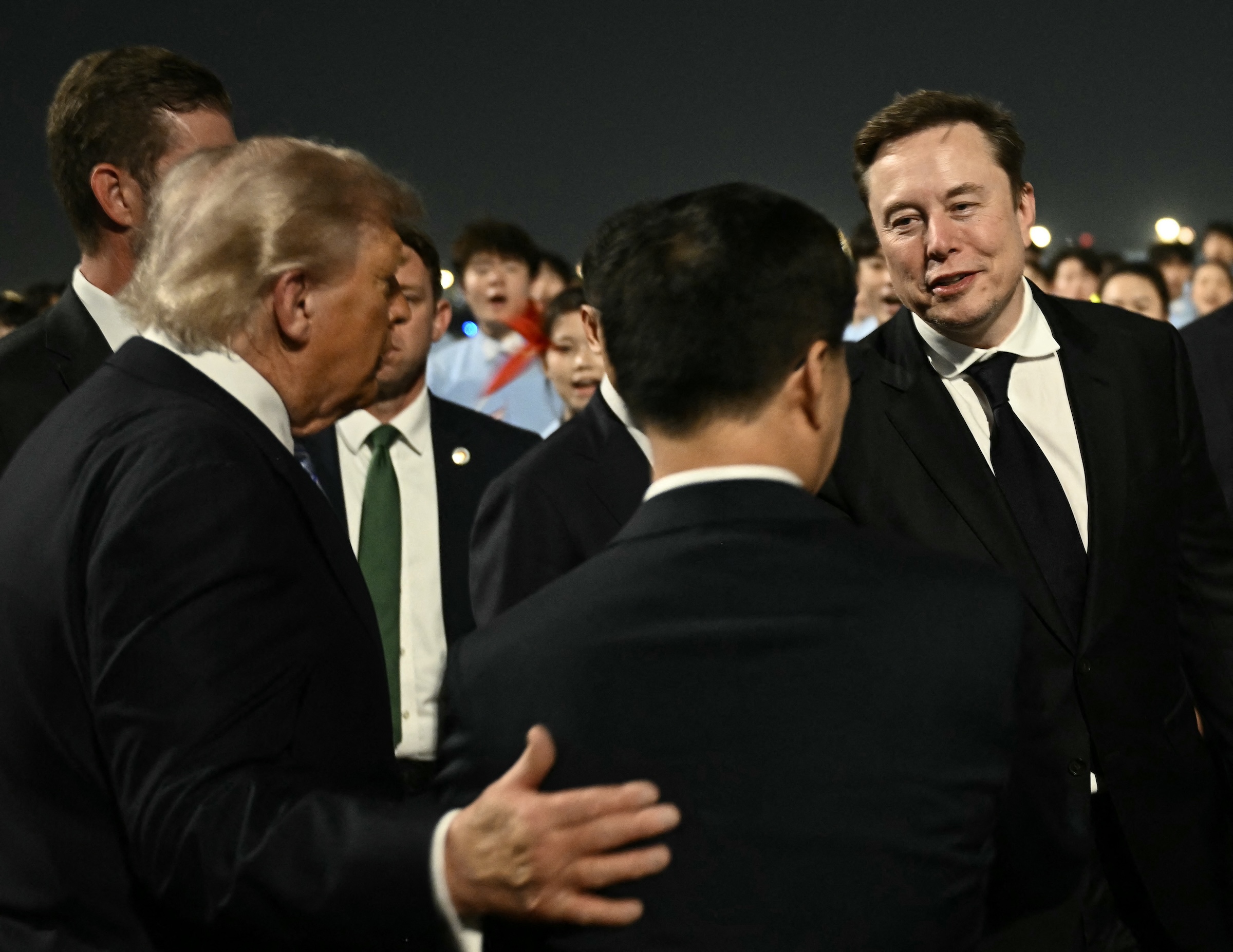
2 weeks agoJim Jordan Comically Denies Saying Thing He Said Less Than a Minute Ago: Those Are Your Words'
In response, Iran closed the Strait of Hormuz, where 20% of the world’s oil flows. Predictably, oil and gas prices have soared. The national average was $4.53 for a gallon of gas, as of Thursday. Before the war, it was under $3. Collins noted to Jordan that Trump ran and won in 2024 on the issue of affordability, especially gas prices.
US politics
Washington DC
fromWashingtonian - The website that Washington lives by.
2 weeks agoDOJ Sues DC Bar, KAWS Sculpture Comes to Hirshhorn Sculpture Garden, Spencer Pratt Makes First and Likely Only Appearance in Our Morning Roundup - Washingtonian
A ship near Fujairah was reportedly seized and sent toward Iranian waters as US-Iran war talks stall and gas prices rise.

fromwww.theguardian.com
3 weeks agoTelling the truth about Iran is more dangerous than ever
We have been cut off from our sources. After the authorities imposed a nationwide communications blackout, the already fragile infrastructure of reporting has all but collapsed. Even when we can make contact, we are careful; a phone search at a checkpoint could put them in danger. We cannot cross-check events through local coverage or rely on familiar verification channels. Instead, we wait for the rare, precious moments when a reliable contact inside Iran manages to get online, navigating VPNs or risking Starlink, which the authorities have criminalised.
Media industry

fromIrish Independent
3 weeks agoIran reviewing US proposal to end war as oil prices plunge and Trump pauses Strait of Hormuz mission
Iran is reviewing a new U.S. proposal, with sources indicating that Washington and Tehran are nearing a one-page memorandum to end the Gulf war while deferring discussions on Iran's nuclear program.
World news
from24/7 Wall St.
3 weeks agoCBOE VIX Slides Toward 17 as Oil Retreat and Tech Stock Surge Restore Risk Appetite
The pulse that pushed VIX above 30 in late March has faded. President Trump paused the U.S. operation to escort commercial ships through the Strait of Hormuz, citing 'Great Progress' toward an Iran agreement, while warning bombing would resume 'at a much higher level and intensity' if Tehran balks.
Business
World news
fromLondon Business News | Londonlovesbusiness.com
3 weeks agoOil slides as IRGC allows 'safe stable passage' through Strait of Hormuz - London Business News | Londonlovesbusiness.com
Global energy markets declined sharply as Iranian authorities indicated safe shipping through the Strait of Hormuz, suggesting a potential easing of regional tensions.
from24/7 Wall St.
3 weeks agoStock Market Live May 6, 2026: S&P 500 (SPY) Up on End-of-War Hopes Again
The White House believes it's getting close to an agreement with Iran on a one-page memorandum of understanding to end the war and set a framework for more detailed nuclear negotiations. The U.S. expects Iranian responses on several key points in the next 48 hours.
Business
fromwww.aljazeera.com
3 weeks agoIran says Strait of Hormuz passage to be ensured after US pauses operation
The IRGC stated that safe transit through the Strait of Hormuz will be ensured as the United States threats end and with new procedures in place. The announcement follows the US President's decision to pause military operations to assist stranded ships.
World news
[ Load more ]