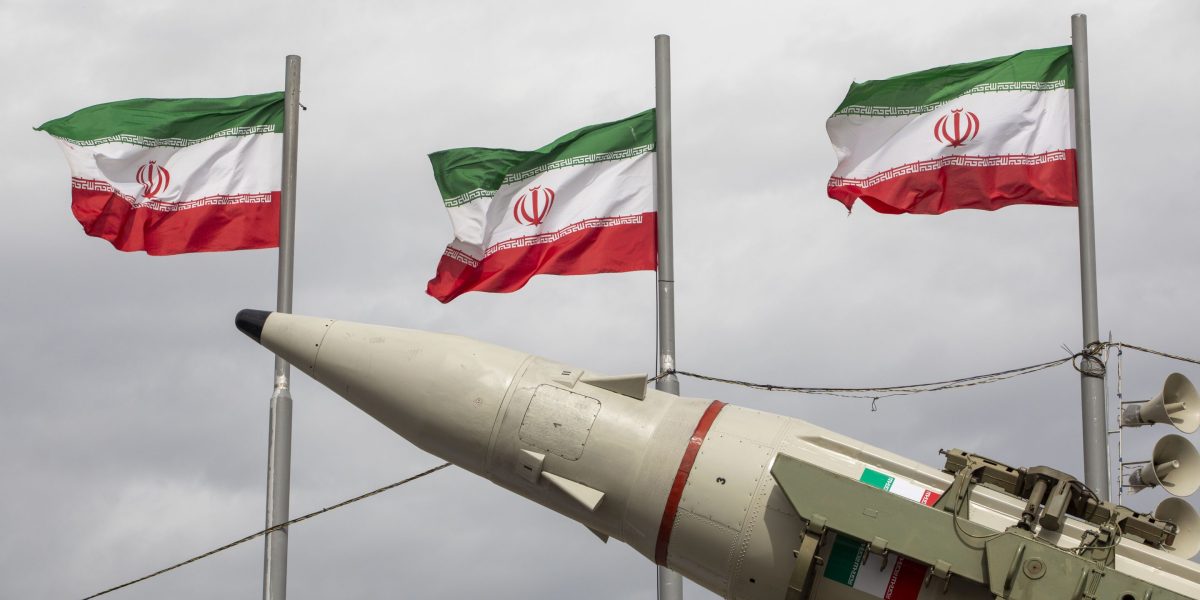
"The reason for the extreme range of potential impacts is the Strait of Hormuz offshore of Iran. The narrow, 104-mile strait is the main choke point separating the Persian Gulf-and the daily flow of nearly 20 million barrels of oil-from the Indian Ocean and global energy markets. Most of the crude oil from Saudi Arabia, Iraq, Iran, Kuwait, and the United Arab Emirates must pass through the strait."
""The stakes are so high," said oil forecaster Dan Pickering, founder of the Pickering Energy Partners consulting and research firm. "The biggest risk to a disruption would be from Iran if they're backed into a corner and have nothing to lose." The Middle East "playbook" for conflicts over the last 20 years is to avoid targeting oil infrastructure, Pickering said, including during the so-called Twelve-Day War between Israel and Iran last June that culminated with the U.S. dropping bunker-buster bombs on Iranian nuclear sites."
The largest U.S. military buildup since 2003 is directed at Iran, and a tense standoff could push average pump prices down to $2.50 per gallon or up to $5 if war erupts. The Strait of Hormuz, a narrow 104-mile choke point, channels nearly 20 million barrels of oil daily from Saudi Arabia, Iraq, Iran, Kuwait, and the UAE toward global markets. A disruption could stem from Iran if pressured into a corner, or from deliberate blockade actions such as bombing or mines. Historically, combatants have avoided oil infrastructure, but regime survival could prompt escalation amid Iran's heightened desperation and fractured nuclear negotiations.
Read at Fortune
Unable to calculate read time
Collection
[
|
...
]