The Pentagon has informed Congress that it could take six months to fully clear the Strait of Hormuz of mines deployed by the Iranian military, indicating that the conflict's economic impact could extend late into this year or beyond.
Trump's proposed military budget would mean a spectacular jump; it would be 42% above this year's budget and two-thirds bigger than Joe Biden's last Pentagon budget.
Lord Robertson stated, 'We need to sort of round up those who are available, fit, and willing to be able to do it.' This emphasizes the urgency of engaging former service personnel in the strategic reserve.
Australia's Defence Minister Richard Marles stated, 'Our surface fleet is more important than at any time in decades. These general-purpose frigates will help secure our maritime trade routes and northern approaches as part of a larger and more lethal surface combatant fleet.'
The U.S. military has fired more than 850 Tomahawk cruise missiles in four weeks of war with Iran, burning through the precision weapons at a rate that has alarmed some Pentagon officials.
We've got no shortage of munitions. Our stockpiles of defensive and offensive weapons allow us to sustain this campaign as long as we need. Iran is hoping that we cannot sustain this, which is a really bad miscalculation.
The major shift in the NDS lies in the shifting approach of the US Defense Department, which considers security of the homeland and Western Hemisphere its primary concern. The document noted that the US military would be guided by four central priorities: defend the homeland, push allies around the world away from reliance on the US military, strengthen defence industrial bases and deter China as opposed to a policy of containment.
South Korea hosts about 28,500 US troops in combined defence against North Korea's military threat and Seoul has raised its defence budget by 7.5% for this year. South Korea is capable of taking primary responsibility for deterring North Korea with critical but more limited US support, said the National Defense Strategy, a document that guides the Pentagon's policies. This shift in the balance of responsibility is consistent with America's interest in updating US force posture on the Korean Peninsula, the document added.
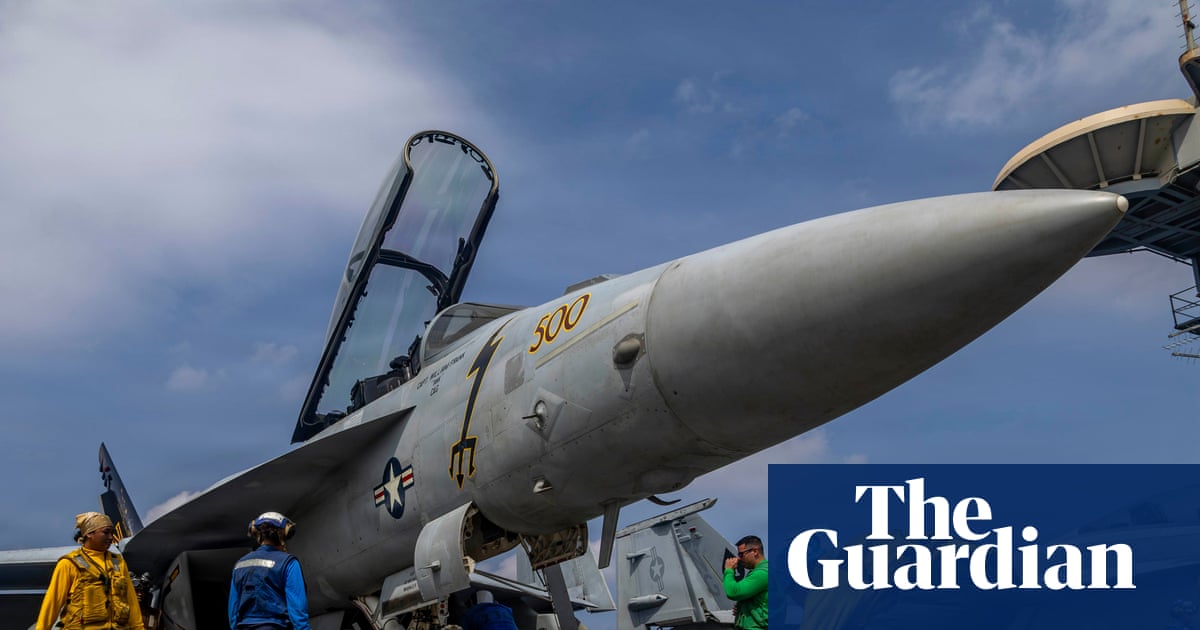
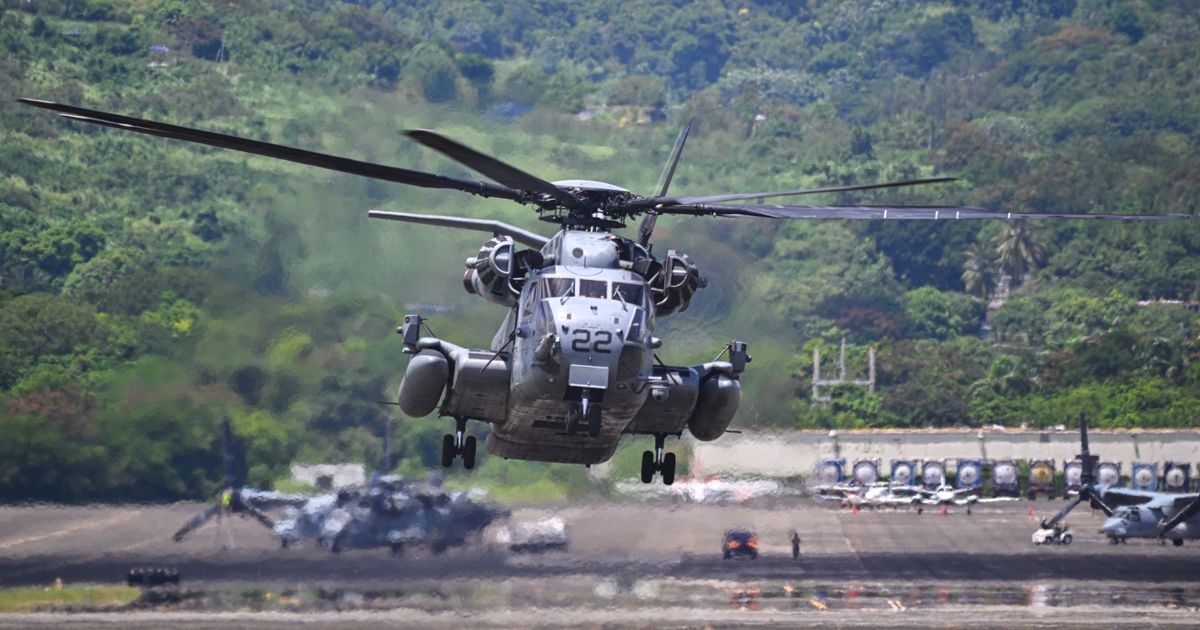
The US is mounting its largest military buildup in the Middle East since 2003. Here's a list of the weapons and hardware that it's sent to the region as the Trump administration pressures Iran to strike a deal that would limit its nuclear and military capabilities.At least a dozen warships collectively worth an estimated $50 billion have been deployed to the region.