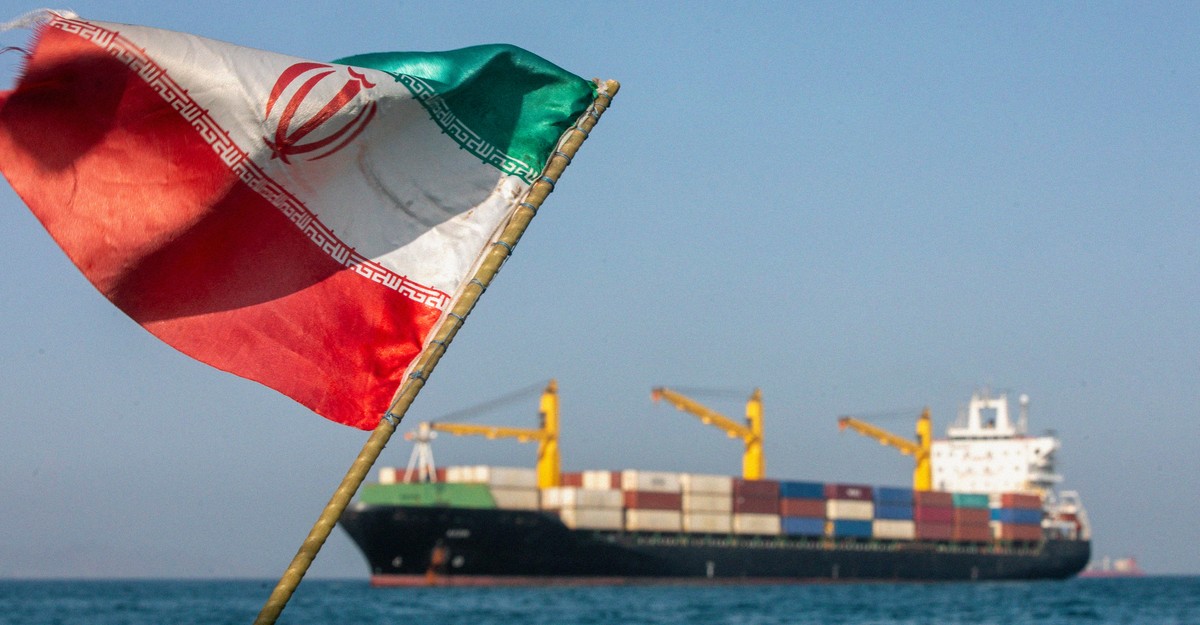
An interim agreement to end the U.S. and Israeli war against Iran is expected to be reached, potentially with Donald Trump accepting Iranian demands he previously resisted. The deal is expected to open the Strait of Hormuz by lifting blockades imposed by both sides. It may include shared sovereignty language involving Iran, Oman, and other regional countries, along with an environmental-protection fee for passing ships rather than a direct toll. Some of Iran’s frozen assets may be released. Follow-on talks are expected to address the war’s stated cause, Iran’s nuclear program. Trump has signaled acceptance of diluting highly enriched uranium inside Iran rather than shipping it abroad, reflecting a concession that could already have been agreed privately.
"The deal is expected to open the Strait of Hormuz, lifting the blockades imposed by both Iran and the United States. But it may also include language asserting that sovereignty over the waterway is to be shared among Iran, Oman, and other countries in the region, a political consultant close to the Iranian side who is not authorized to speak about the negotiations publicly, told me. Iran won't get away with charging passing ships a toll per se, but it may be permitted to levy an environmental-protection fee and split the proceeds with Oman and perhaps other regional countries. The source also said that a portion of Iran's billions of dollars in frozen assets may be released."
"The initial deal is to be followed by talks on the war's supposed casus belli, Iran's nuclear program. On that, too, Trump has publicly signaled a significant concession. The president has said that he might accept a commitment to dilute Iran's highly enriched uranium inside the country, as opposed to shipping it outside. (The consultant in Tehran told me two weeks ago that the United States had budged on this issue-Trump may now be making public what he had already agreed privately.)"
"These are not unreasonable parameters for a compromise between the two countries. But if accurately conveyed, they are also a triumph for the Islamic Republic. The regime will not only have survived a major military onslaught from the U.S. and Israel but emerge with a deal better than any on offer before the war. No matter what happens, the Islamic Republic will not have an easy time reigning over its exhausted populace and"
#iran-nuclear-program #strait-of-hormuz #us-israel-iran-conflict #sanctions-and-frozen-assets #diplomatic-negotiations
Read at The Atlantic
Unable to calculate read time
Collection
[
|
...
]