#ramadan
#ramadan
[ follow ]
#gaza #eid-al-fitr #islamophobia #premier-league #iftar #muslim-community #fan-conduct #religious-respect
fromAllHipHop
1 month agoAction Bronson Teaches NYC Mayor Zohran Mamdani Albanian Blessing
Mamdani opened up about his journey from immigrant child to becoming the city's 112th mayor, calling it a dream realized. Born in Uganda in 1991 and arriving in New York at age 7, he's now the youngest person to hold the office in over a century and the city's first Muslim and African-born mayor.
New York City



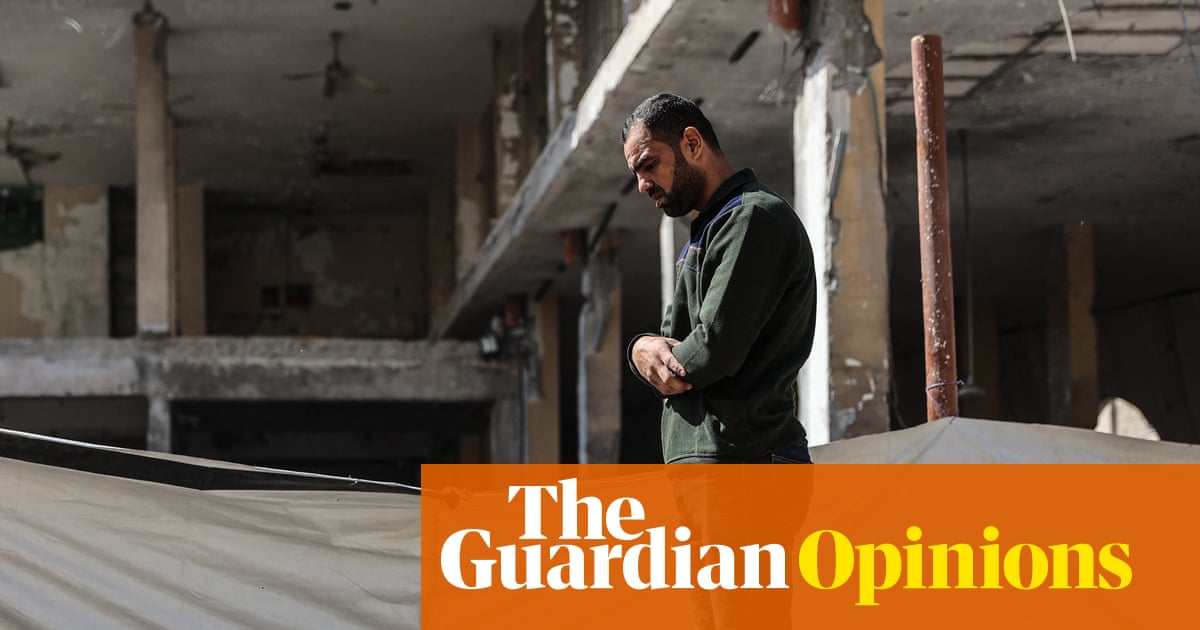

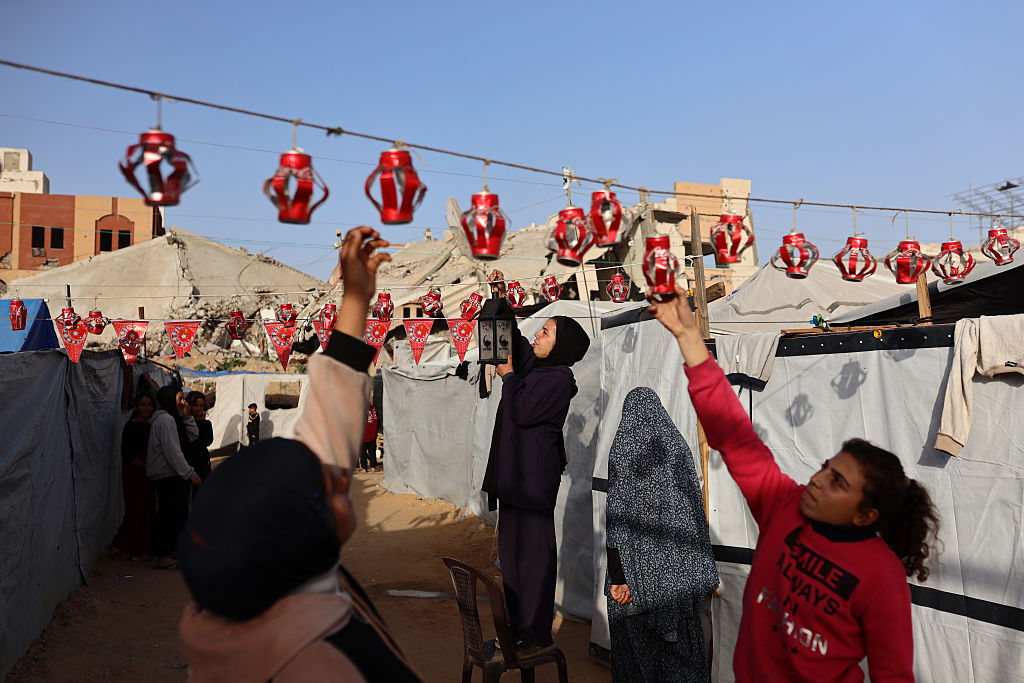

fromwww.theguardian.com
1 month agoCanada's Ali Ahmed on home World Cup dream: I want to win our group'
It was goose bumps seeing Canada walking out. I haven't seen that in my lifetime. It was surreal. This time around he will again be at home but also very much at the heart of the action in two cities that are dear to him.
Soccer (FIFA)
#religious-freedom
London politics
fromwww.bbc.com
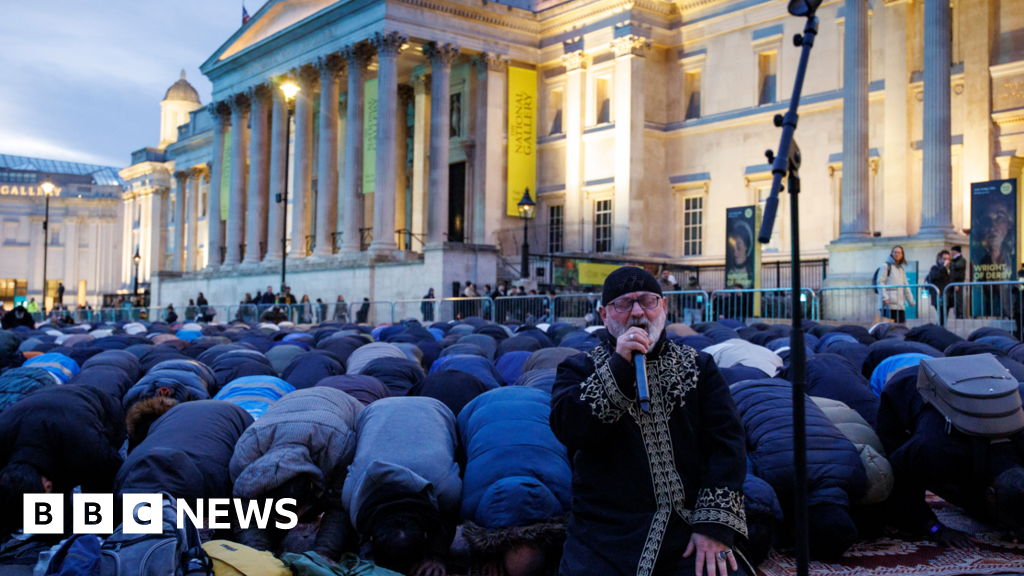
1 month agoBadenoch backs Tory MP in row over Muslim prayer event
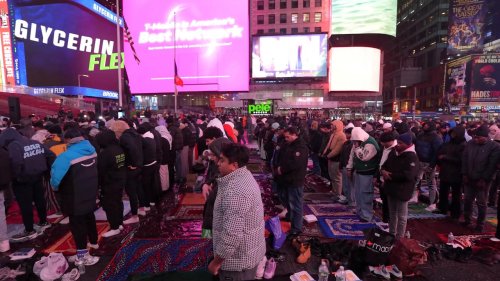
Conservative leader Kemi Badenoch backed shadow justice secretary Nick Timothy's criticism of a Ramadan prayer event in Trafalgar Square, calling public prayers an 'act of domination,' while Labour demanded Timothy's removal from his frontbench position.
Right-wing politics
fromChron
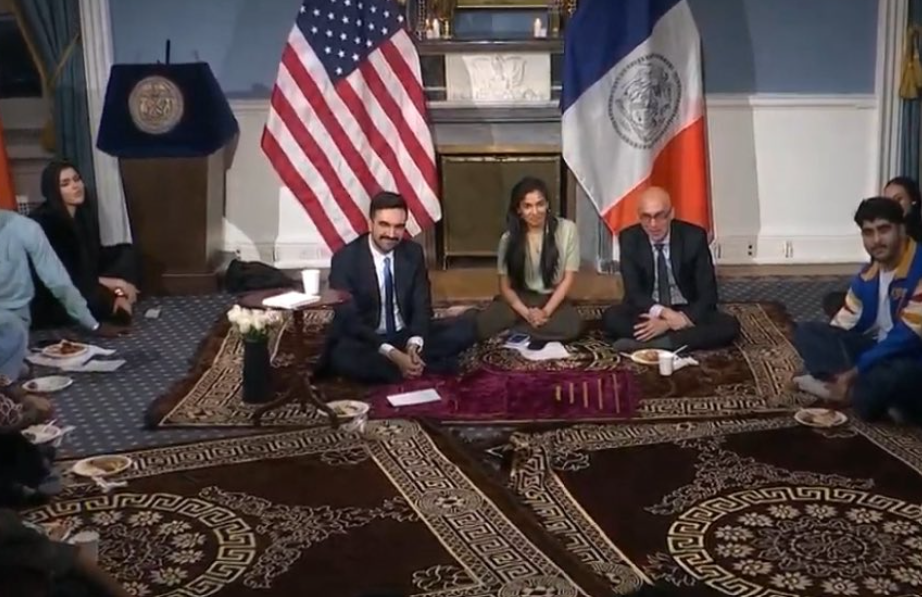
2 months agoTexas lawmaker calls NYC mayor's Ramadan gathering 'repulsive'-internet erupts
Texas Rep. Brandon Gill faced backlash for calling NYC Mayor Zohran Mamdani's Ramadan Iftar celebration at City Hall "stomach churning" and "truly repulsive," sparking accusations of religious bigotry and hypocrisy.
#muslim-representation
New York City
fromGothamist
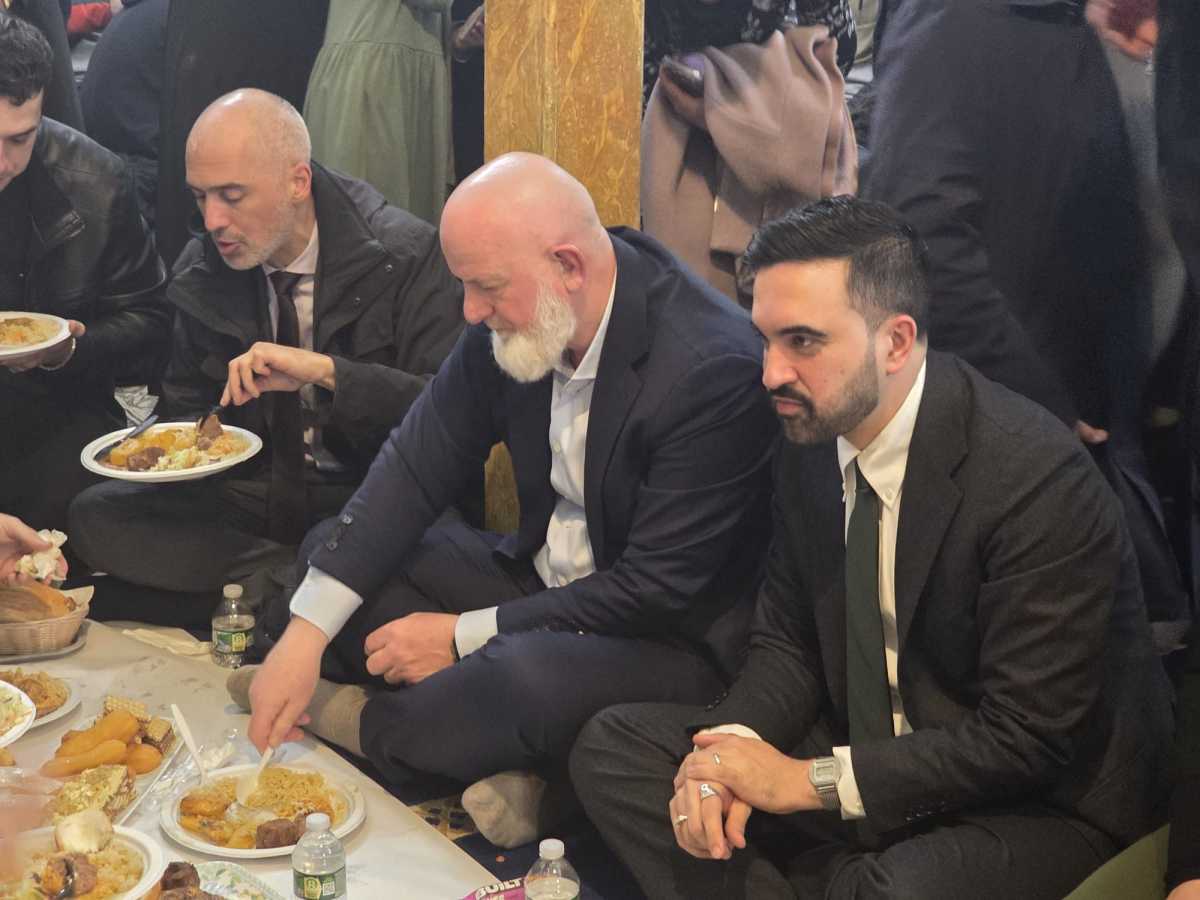
1 month agoCelebrating Ramadan in the era of Zohran Mamdani, NYC's first Muslim mayor
New York City's first Muslim mayor, Zohran Mamdani, attended the FDNY's first mayoral iftar, marking a historic moment for Muslim representation in city leadership and institutional recognition.
New York City
fromGothamist
1 month agoCelebrating Ramadan in the era of Zohran Mamdani, NYC's first Muslim mayor
New York City's first Muslim mayor, Zohran Mamdani, attended the FDNY's first mayoral iftar, marking a historic moment for Muslim representation in city leadership and institutional recognition.
#israeli-palestinian-conflict
World news
fromwww.theguardian.com
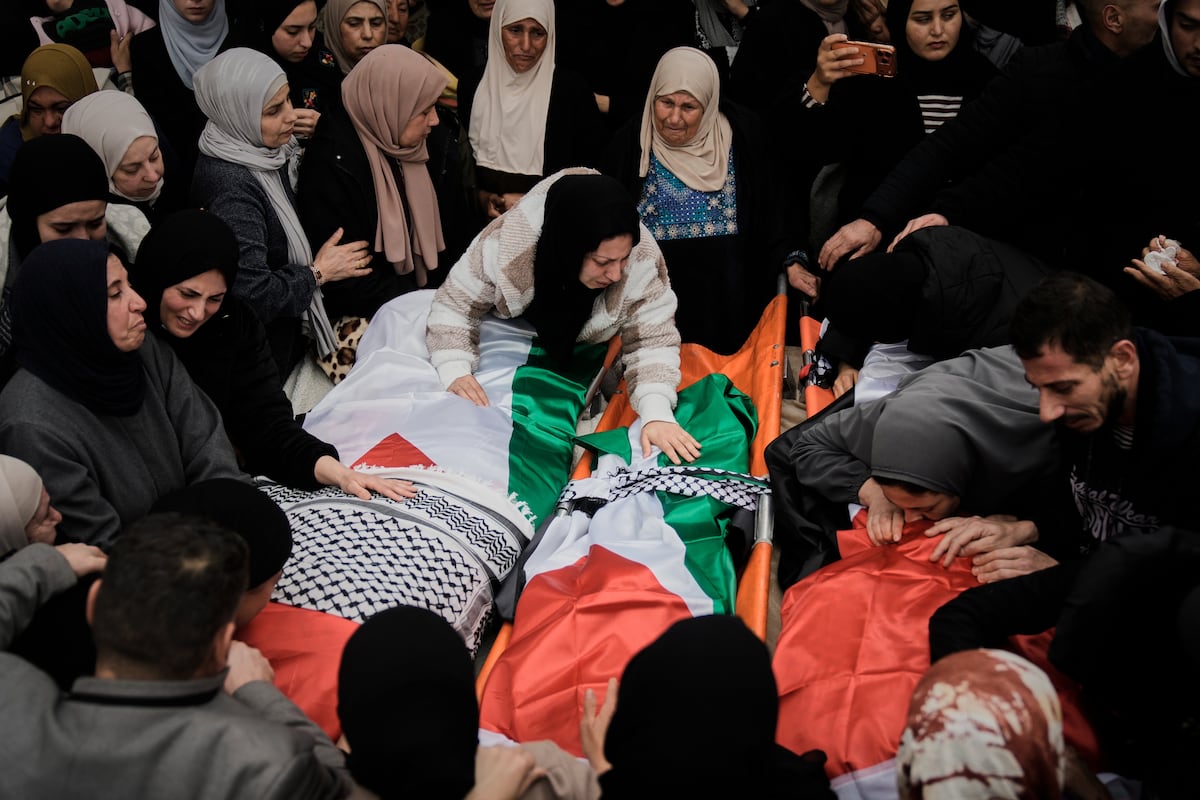
1 month agoIsraeli police kill two young Palestinian boys and their parents in West Bank
Israeli police killed a Palestinian family of four—two young children and their parents—by shooting them in the head and face while returning from Ramadan shopping in the West Bank, with two surviving brothers witnessing the attack.
World news
fromwww.theguardian.com
1 month agoIsraeli police kill two young Palestinian boys and their parents in West Bank
Israeli police killed a Palestinian family of four—two young children and their parents—by shooting them in the head and face while returning from Ramadan shopping in the West Bank, with two surviving brothers witnessing the attack.
MMA
fromSherdog
1 month agoMyktybek Orolbai observed Ramadan while preparing for Chris Curtis
Myktybek Orolbai observed Ramadan while training for UFC Vegas 114, fasting from dawn to dusk while maintaining a disciplined training schedule, and defeated Chris Curtis with 19 takedowns via unanimous decision.
fromwww.theguardian.com
1 month agoEntire families wiped out and towns emptied as Israel's war on Lebanon intensifies
For Batoul Hamdan and her two children, seven-month-old Fatima and Jihad, three, Monday's iftar, the evening meal that breaks the daily fast during Ramadan, was special. For a week, they had eaten to the sounds of bombs in their home in Arab Salim. Hamdan eventually decided to leave for Al-Nimiriya, the sleepy town where she had grown up. Surrounded by her parents and siblings in the family home, she hoped they could finally enjoy the festive mood of Ramadan.
France politics
NYC politics
fromGothamist
2 months ago'We are enough': After Islamophobic attacks, Mamdani comforts NYC's Muslim community
Mayor Zohran Mamdani rewrote his Ramadan remarks after experiencing intense Islamophobia from U.S. officials and right-wing groups, reflecting a dramatic surge in anti-Muslim sentiment not seen since 9/11.
Soccer (FIFA)
fromExpress.co.uk
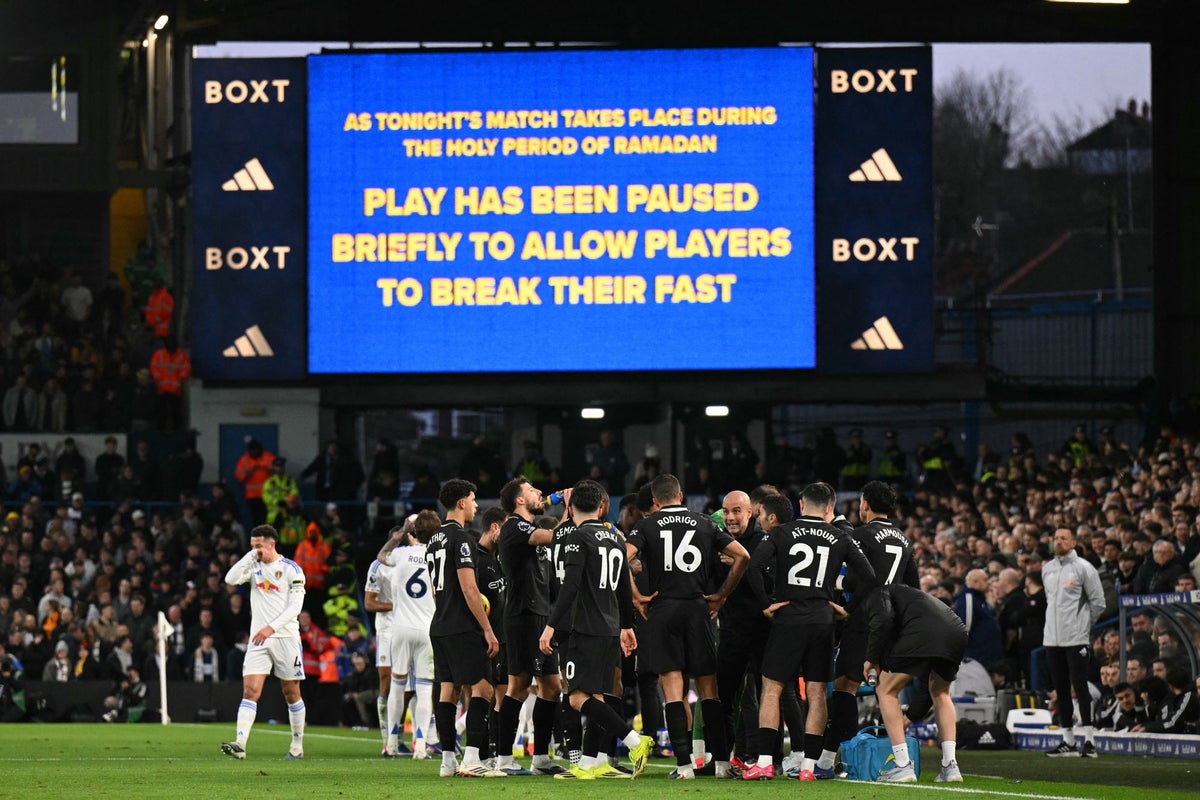
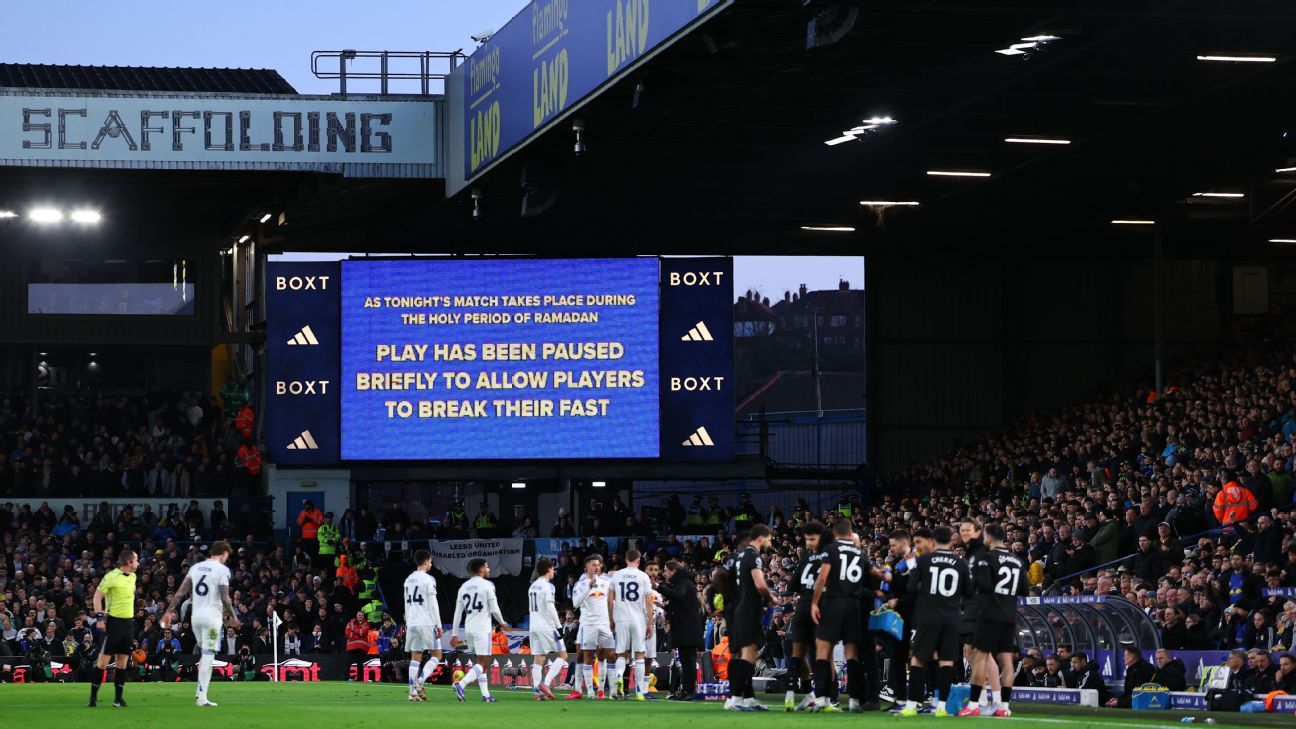
2 months agoLeeds statement released after Man City controversy as 'respect' plea issued
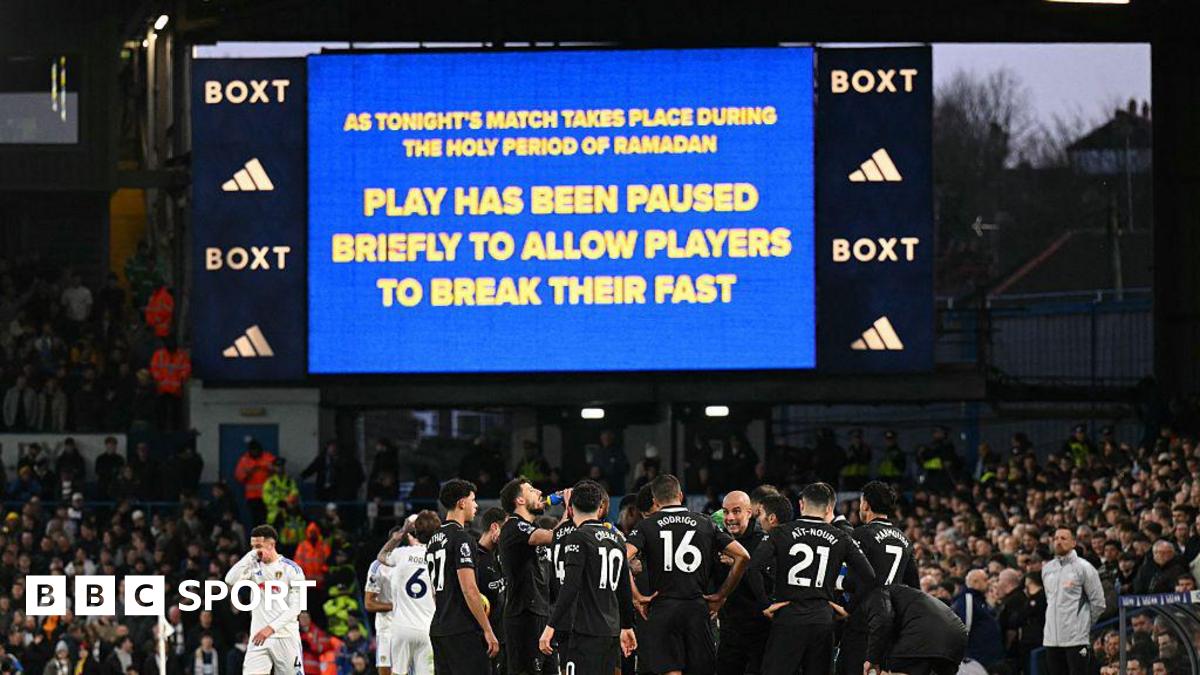
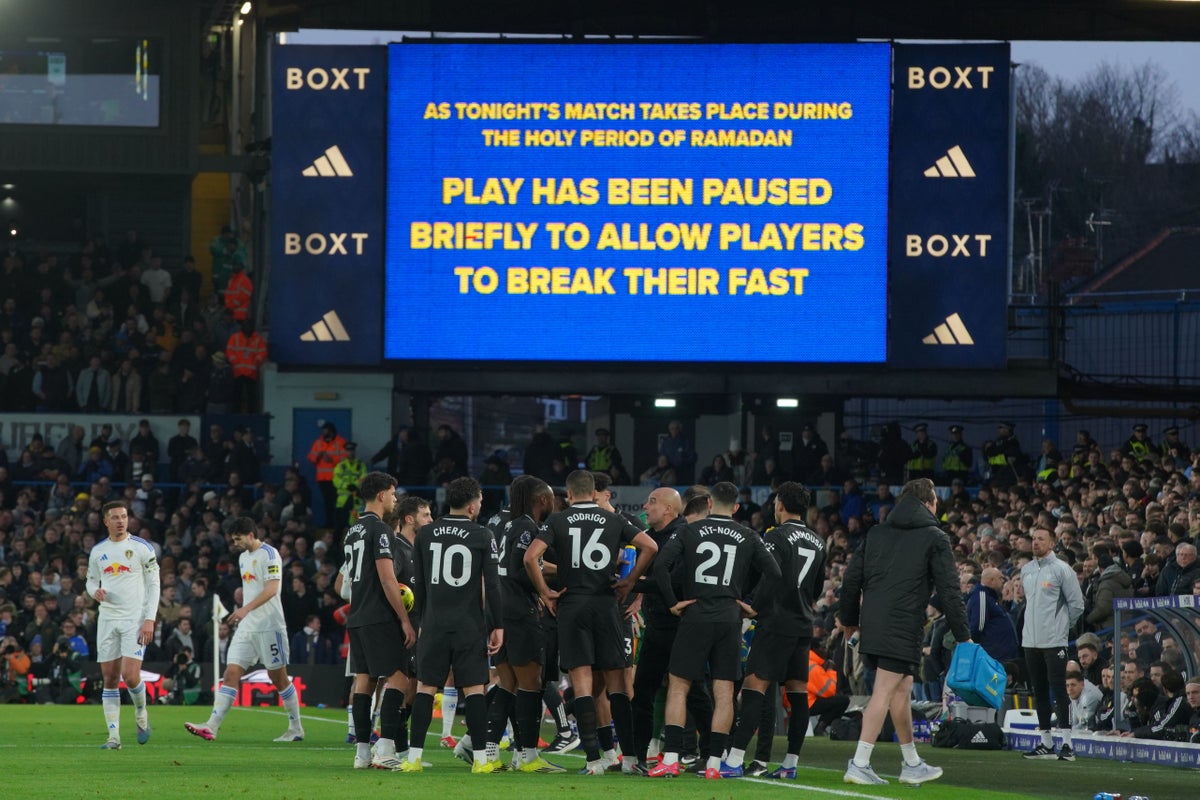
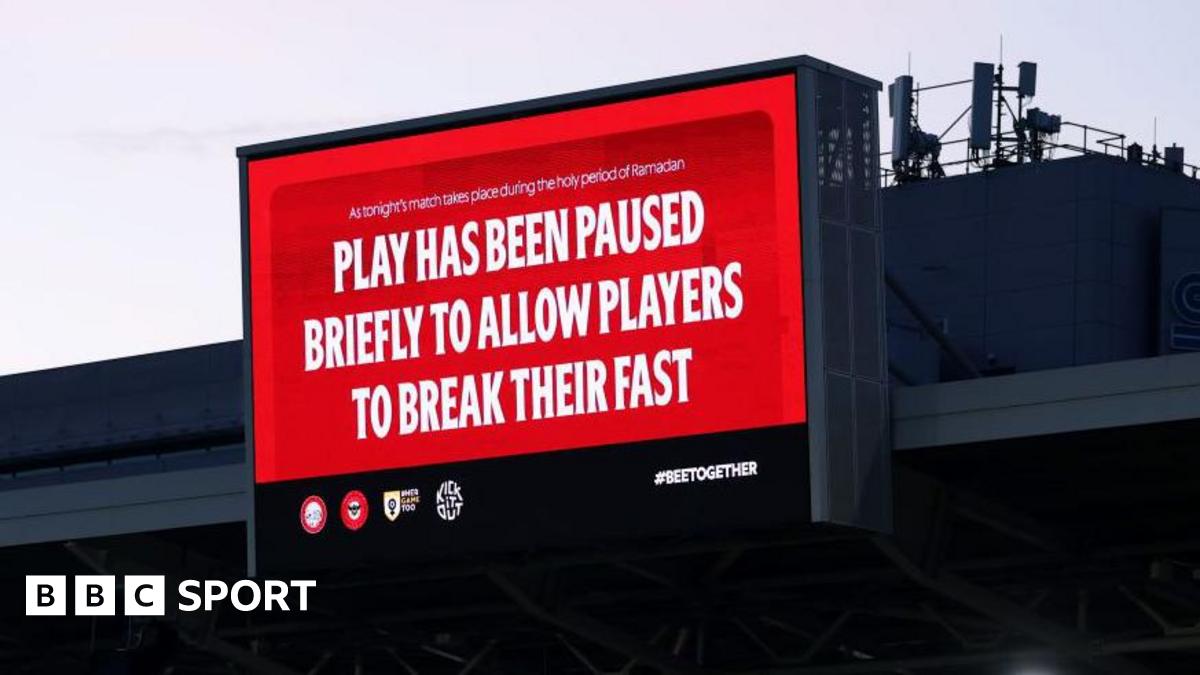
Leeds United will pause Sunday's FA Cup match against Norwich City to allow Ramadan-observing players to break their fast, following previous booing incidents that the club explicitly condemns.

Manchester City
fromwww.caughtoffside.com
2 months agoPep Guardiola urges respect after Leeds fans boo Ramadan break during Manchester City win
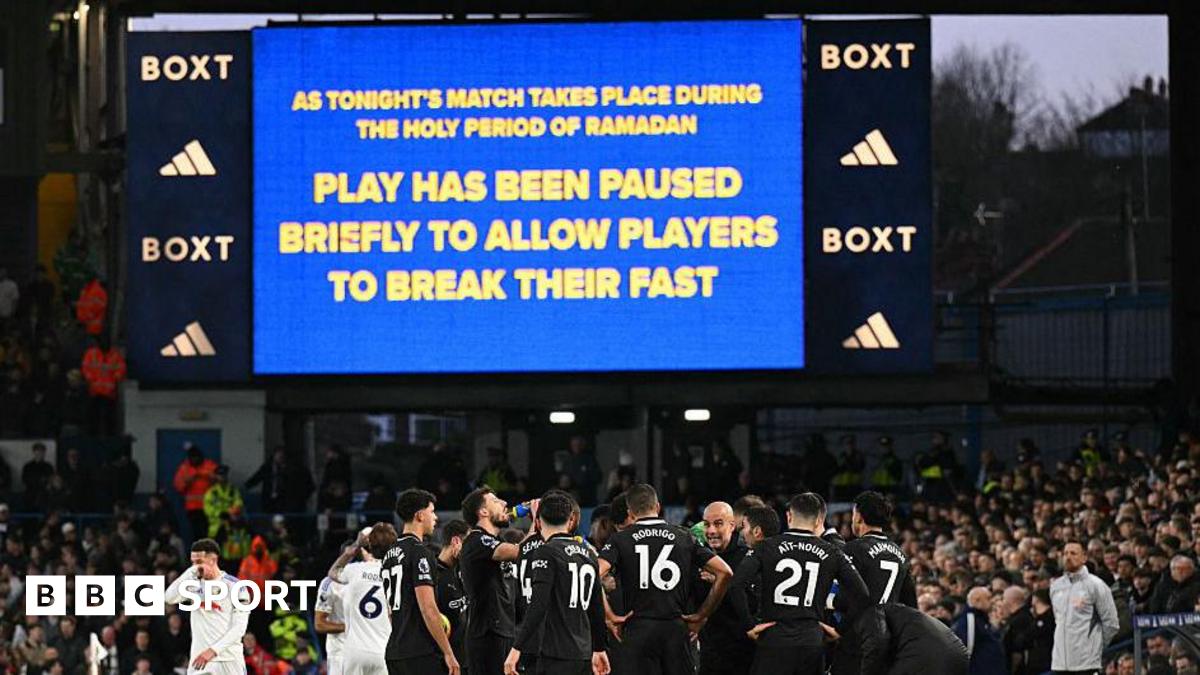
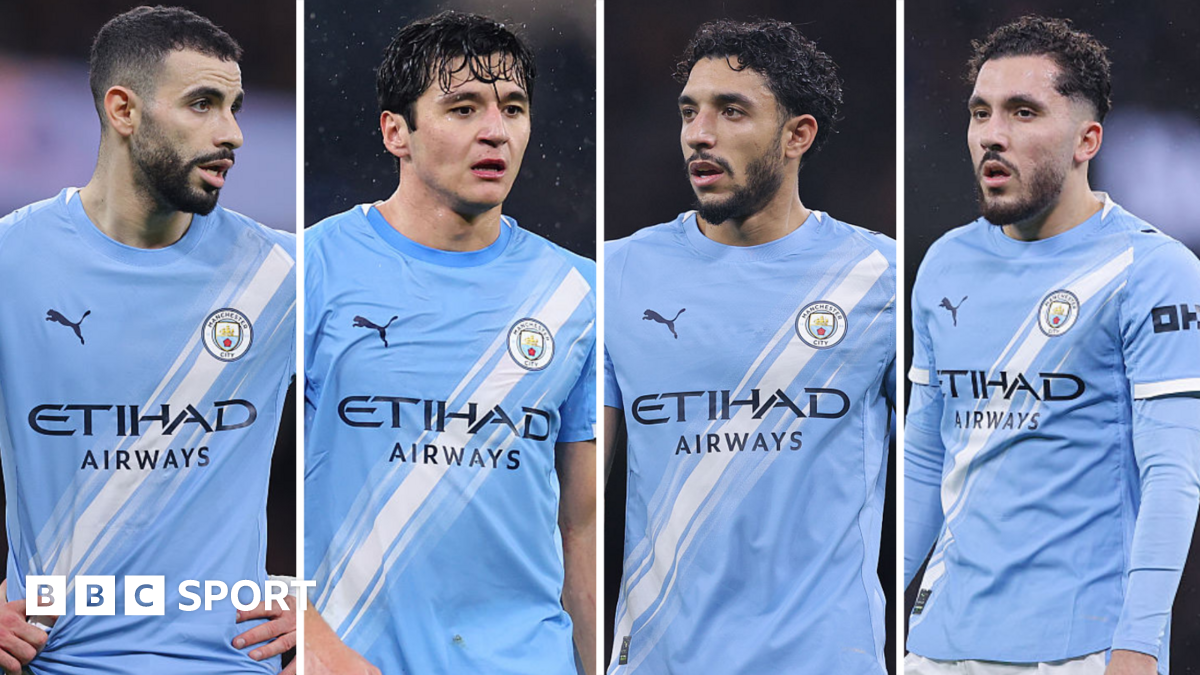
Pep Guardiola criticized Leeds United supporters for booing a match pause allowing Muslim players to break their Ramadan fast, calling for greater tolerance and respect for religious diversity.
#religious-accommodation
Manchester City
fromwww.independent.co.uk
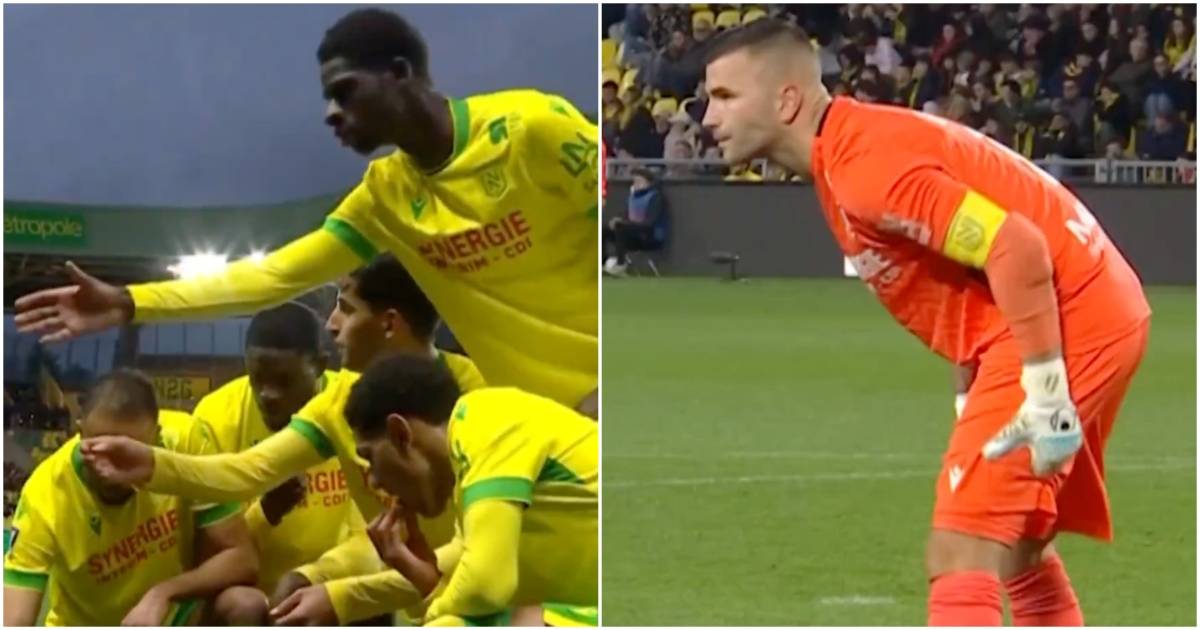
2 months agoPep Guardiola criticises fans who booed as Muslim players broke Ramadan fast at Leeds
Pep Guardiola criticized fans who booed a match pause allowing Muslim players to break their Ramadan fast, emphasizing the importance of respecting religious diversity.
Manchester City
fromwww.independent.co.uk
2 months agoPep Guardiola criticises fans who booed as Muslim players broke Ramadan fast at Leeds
Pep Guardiola criticized fans who booed a match pause allowing Muslim players to break their Ramadan fast, emphasizing the importance of respecting religious diversity.
fromwww.eastbaytimes.com
2 months agoIn familiar ritual, Israelis race back and forth to shelters to escape Iranian missile barrages
In Jaffa, a mixed Arab-Jewish neighborhood of Tel Aviv, more than 100 people, including Muslim families with young children, religious Jews from a nearby seminary and at least a dozen dogs crammed into the public shelter underneath a park. Some groups splayed out on mattresses they brought into the shelter and played cards, others shared snacks, while observant Muslims were fasting for the holy month of Ramadan.
NYC parents


fromwww.theguardian.com
2 months agoThis Ramadan, know this: I am me, a Muslim and a Briton. I am not a headline, a threat or a stereotype | Nazir Afzal
Not a day passes without some overt expression of it in our national life. A crime committed by one Muslim becomes an indictment of all Muslims. A cultural practice is wrenched from context and weaponised to provoke anxiety. A theological concept is distorted to imply threat. And on the streets, and increasingly online, it can turn into violence, intimidation or exclusion directed at anyone who looks Muslim.
UK news
fromPsychology Today
2 months agoWhat We Can Learn From Religion About Values That Do Not Expire
We are living through one of the most disorienting periods in recorded history. The AI race is accelerating toward ever faster, ever more sophisticated automation and optimization. Agentic AI systems are moving from research labs into workplaces, healthcare, and governance. Geopolitical tensions are restructuring alliances faster than institutions can adapt. And planetary systems are signaling, with increasing urgency, that our current trajectory is unsustainable. Amid all this, it is dangerously easy to lose sight of a foundational question: What are we actually optimizing for?
Artificial intelligence
FC Barcelona
fromBarca Universal
2 months agoRamadan presents a new challenge for Lamine Yamal, but Barcelona have a plan | Barca Universal
Lamine Yamal will play mid-afternoon La Liga matches while fasting for Ramadan, raising dehydration and injury risk despite Barcelona's tailored nutrition and hydration plan.

Brooklyn
fromBrooklyn Paper
2 months agoFirst-ever Crescent Lighting marks start of Ramadan at Brooklyn Borough Hall * Brooklyn Paper
Two illuminated crescents were lit at Brooklyn Borough Hall to mark Ramadan, honoring Brooklyn’s diverse Muslim communities and recognizing their cultural and civic contributions.
fromwww.npr.org
2 months agoGreetings from Cairo, where lights and decorations transform the city during Ramadan
As the holy month of Ramadan begins this week, Muslims in Cairo have been adorning their homes with lights and decorations featuring arabesque patterns. Lanterns called fawanees, like the ones I saw being sold in this shop in old Cairo, have become a symbol of Ramadan and are an almost-mandatory home decoration for the month in Egypt. This street and the nearby neighborhood of al-Darb al-Ahmar bustle with shoppers getting ready for the holiday.
World news


fromwww.theguardian.com
3 months agoKindness of strangers: stranded on a tiny Indonesian island, a local took us under her wing
We were expecting to see houses and buildings dot the shore, as well as the hawkers who'd typically crowd around piers in Indonesia with food and wares to sell. There was none of that. It was just a pier next to a tiny village. After disembarking, we set off walking and within 100 metres ran out of houses, surrounded only by rice paddies and farmland. There was nothing to do and nowhere to go, and not even a tree to seek shade under.
Travel
fromABC7 San Francisco
1 year agoMorgan Hill man charged for assaulting Muslim worshippers; 15th Santa Clara Co. hate crime of 2025
"There's definitely been a lot of fear and a lot of discrimination. We know the stereotypes against us and they're just amplified now." - Bismah Jaffer, CAIR-SFBA Civil Rights Attorney
Black Lives Matter
[ Load more ]