World news
fromTruthout
1 day agoNetanyahu Says Israeli Military to Take Over 70 Percent of Gaza
Israel says it has expanded military control in Gaza from 50% to 60%, and directs further step-by-step control toward 70%.
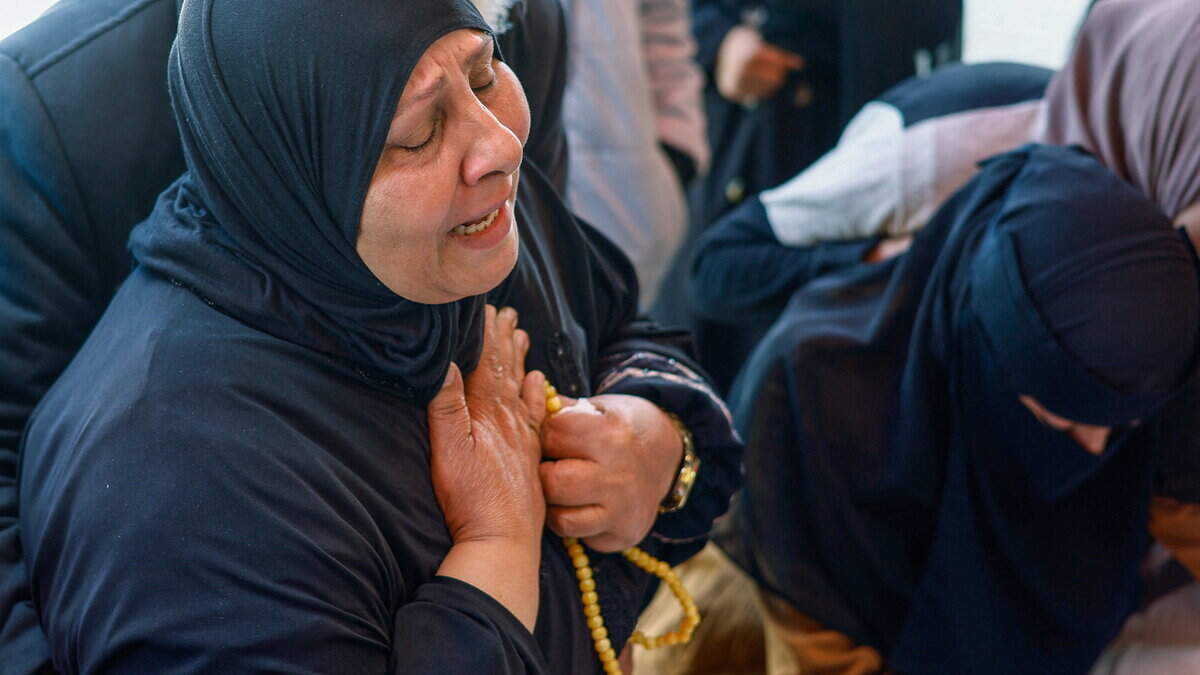
Muslims around the world have begun celebrating Eid al-Adha, the Festival of Sacrifice, which falls on the 10th day of Dhul Hijjah, the 12th and final month of the Muslim lunar calendar. One of the biggest holidays in the Muslim calendar, it coincides with the last day of the annual Hajj pilgrimage in Saudi Arabia. In Gaza, where Israel's months-long offensive has devastated neighbourhoods and displaced most of the population, many families are marking Eid in tents and crowded shelters, with little meat or festive clothing.
The Israeli military said on Wednesday that the newly appointed chief of Hamas's armed wing had been killed in strikes on Gaza the day before. Hamas has not confirmed that Mohammad Odeh, whose predecessor had also been killed in Gaza days prior, was deceased. However, a relative told Reuters news agency that he had in fact died.
For my family, it meant holding on to the normality of daily life: walks along the Gaza seafront, weekend visits to my parents at Jabaliya refugee camp and visiting the fields of Beit Lahia and Beit Hanoun. Places and times I carry vivid memories of, now all destroyed by Israel. I was displaced six times before fleeing to Egypt in April 2024. In October 2023, my family and I left our home and spent days moving under heavy bombardment. We first sheltered in al-Shifa hospital, among overwhelming numbers of wounded
An Israeli air raid on a home in Gaza has killed three members of a family, including a six-month-old child, medical workers said, as Israel continues to violate the ceasefire brokered by the United States last year. Al-Aqsa Martyrs Hospital in Deir el-Balah in central Gaza said it received the bodies of a couple and their young child in the early hours of Sunday morning.
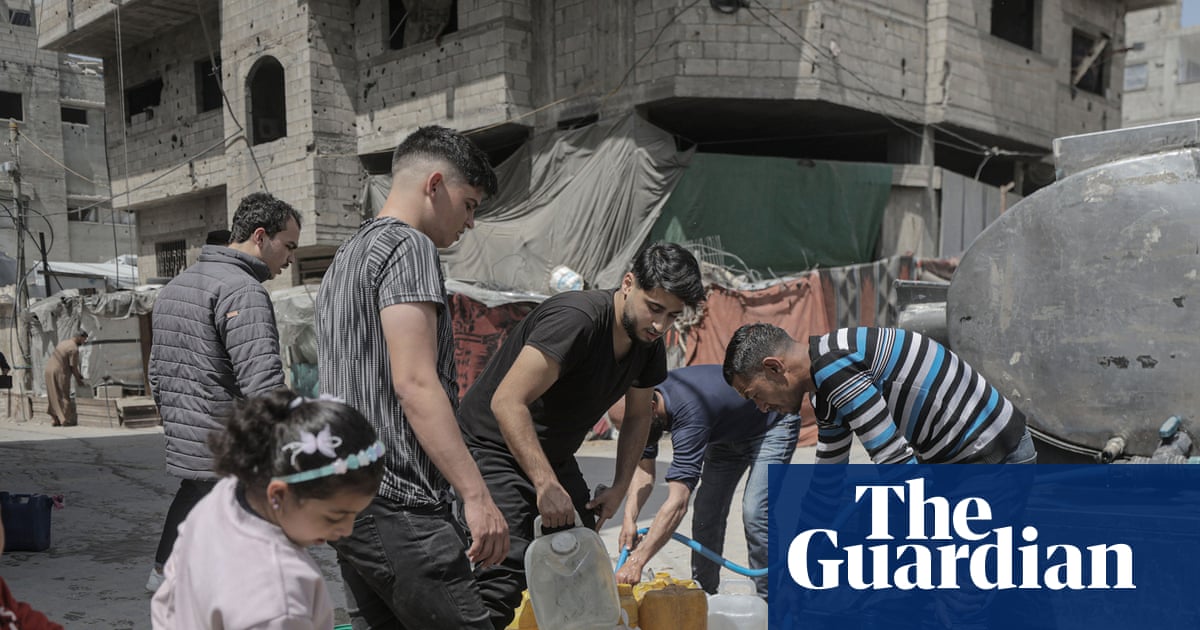
Standing in a long queue under the beating sun, 14-year-old Muhammed al-Roubi was waiting to buy bread. But there was a strong chance that, despite his patience, he would not get any. A flour and fuel shortage in recent weeks, brought on by Israeli restrictions on imports into Gaza, means that bakeries cannot produce as much bread as Palestinians in Gaza need.
It is difficult to see through the dust inside the cramped, low-roofed tent on the eastern edge of Khan Younis. Ibrahim al-Aloul works alongside four others, with a piece of fabric tied over his mouth and nose as his only shield against the toxic grey powder as he sifts and grinds. Outside, a skinny donkey waits with a cart to carry the finished product to the next tent along, where it will be mixed with gypsum, calcium and binding agents before being bagged in flour sacks and sold.
Saja al-Ghoul sat working on her latest mobile app idea. The 23-year-old programmer, like her colleagues working from the space, is focused on developing apps that can help solve some of the difficulties of living in the Palestinian enclave. Identifying a problem is not difficult; two years of Israel's genocidal war on Gaza, and a ceasefire that has not stopped attacks, or allowed for proper reconstruction to take place, mean that the enclave is teeming with crises.
Accepting the award, executive producer Ben de Pear thanked the journalists behind the film before directly addressing the BBC, which aired the Bafta ceremony on BBC One with a delay of more than two hours: Finally, just a question for the BBC: Given you dropped our film, will you drop us from the Bafta screening later tonight? Journalist and presenter Ramita Navai also criticised the broadcaster during her speech, citing findings from the documentary's investigation into attacks on Gaza's healthcare system.
The tenth Palestine International Marathon has been run in the occupied West Bank city of Bethlehem, with a parallel race held in Gaza after a two-year hiatus caused by Israel's war on the Strip.
Survivors said that even after they were released, their struggle did not end as survival started another psychological battle, with the harrowing memories of imprisonment still haunting them. Survivor Mohammed al-Bakri was arrested during Israeli military operations in Gaza in March 2024 and was jailed for about 20 months. He was transferred between several Israeli detention centres before ending up in a prison in occupied East Jerusalem. There he remained blindfolded and handcuffed alongside other detainees for months, cut off from the outside world, he told Al Jazeera.
Dear Teresa, I'm sorry for not being home with you right now. Unfortunately your father, your mother, and so many people around the world understood the historical task that we have the responsibility to fulfil.
I didn't need a piece of paper or to see the bracelet he was wearing to know he was my son. As soon as I saw him, I was sure, the man affirms.
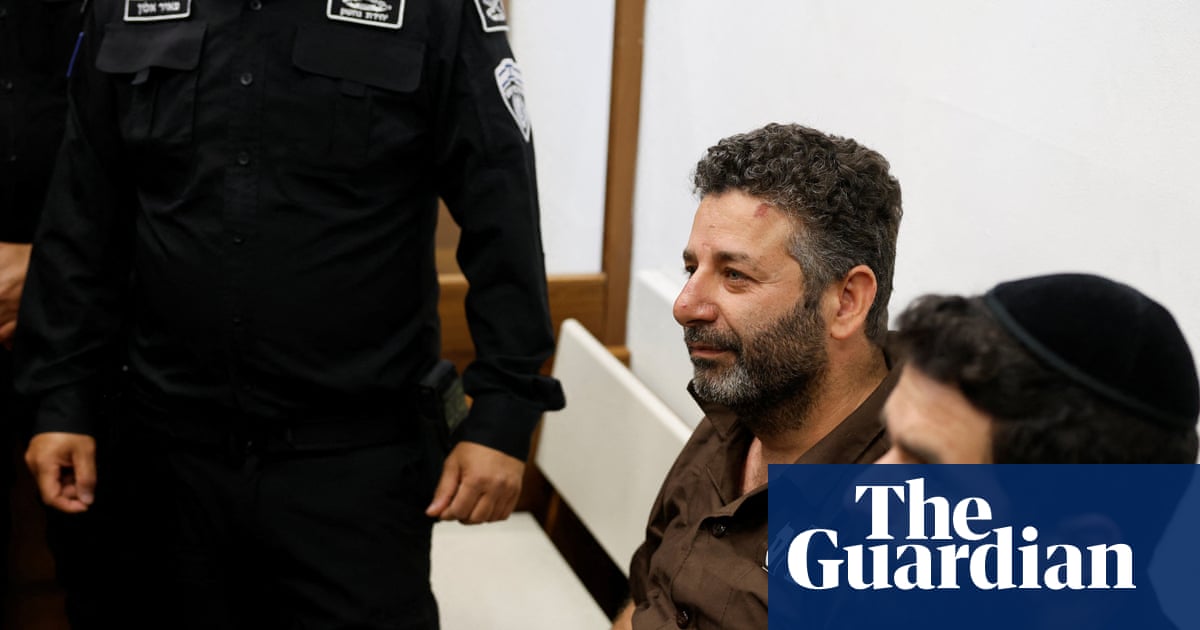
Abdullah Albadri, 34, had only arrived in the UK in a small boat from France 16 days before the attempted attack on 28 April 2025. He was arrested trying to scale the railings of the heavily-guarded embassy, and asked the armed diplomatic protection officers who detained him, 'Why are you stopping me from making crimes?'
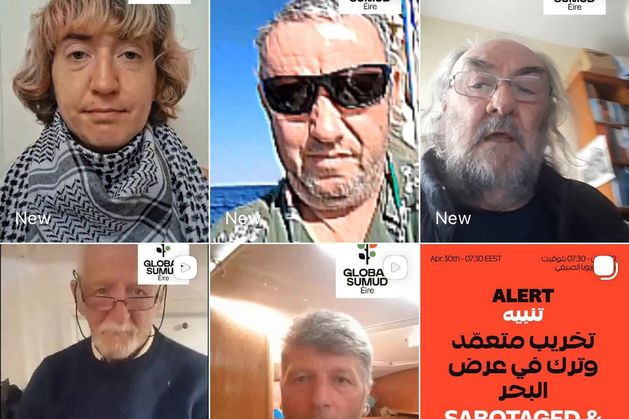
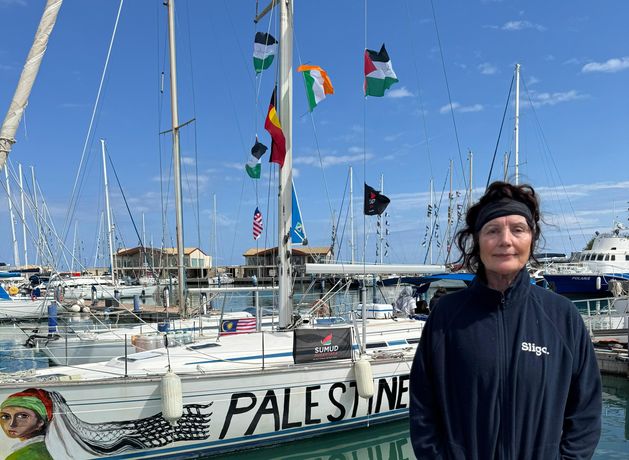
Israel's foreign minister, Gideon Sa'ar, stated that the IDF successfully blocked attempts to breach the lawful naval blockade on Gaza and the arrival of vessels from the provocative flotilla. He confirmed that all participants taken off the vessels were unharmed.
Italy condemned the seizure of the Global Sumud Flotilla vessels and called on Israel to immediately release all unlawfully detained Italians, emphasizing the need for respect of international law.
Wendy Sherman stated, 'It is critical that Israel remains an ally of the U.S. and we protect the right of a Jewish state. I also believe that Prime Minister [Benjamin Netanyahu] has led us down a road - and we have been part of it - that has, in essence, created a genocide in Gaza that has destabilized the Middle East.'
The elections had been held at a highly sensitive moment amid complex challenges and exceptional circumstances, Palestinian Prime Minister Mohammed Mustafa said as results were announced on Sunday.
I am very happy today, because this is a truly Palestinian democratic celebration. Many generations have been deprived of it for more than 21 years, and today my daughter is voting for the first time.