#preservation
#preservation
[ follow ]
#historic-homes
Renovation
fromRedfin | Real Estate Tips for Home Buying, Selling & More
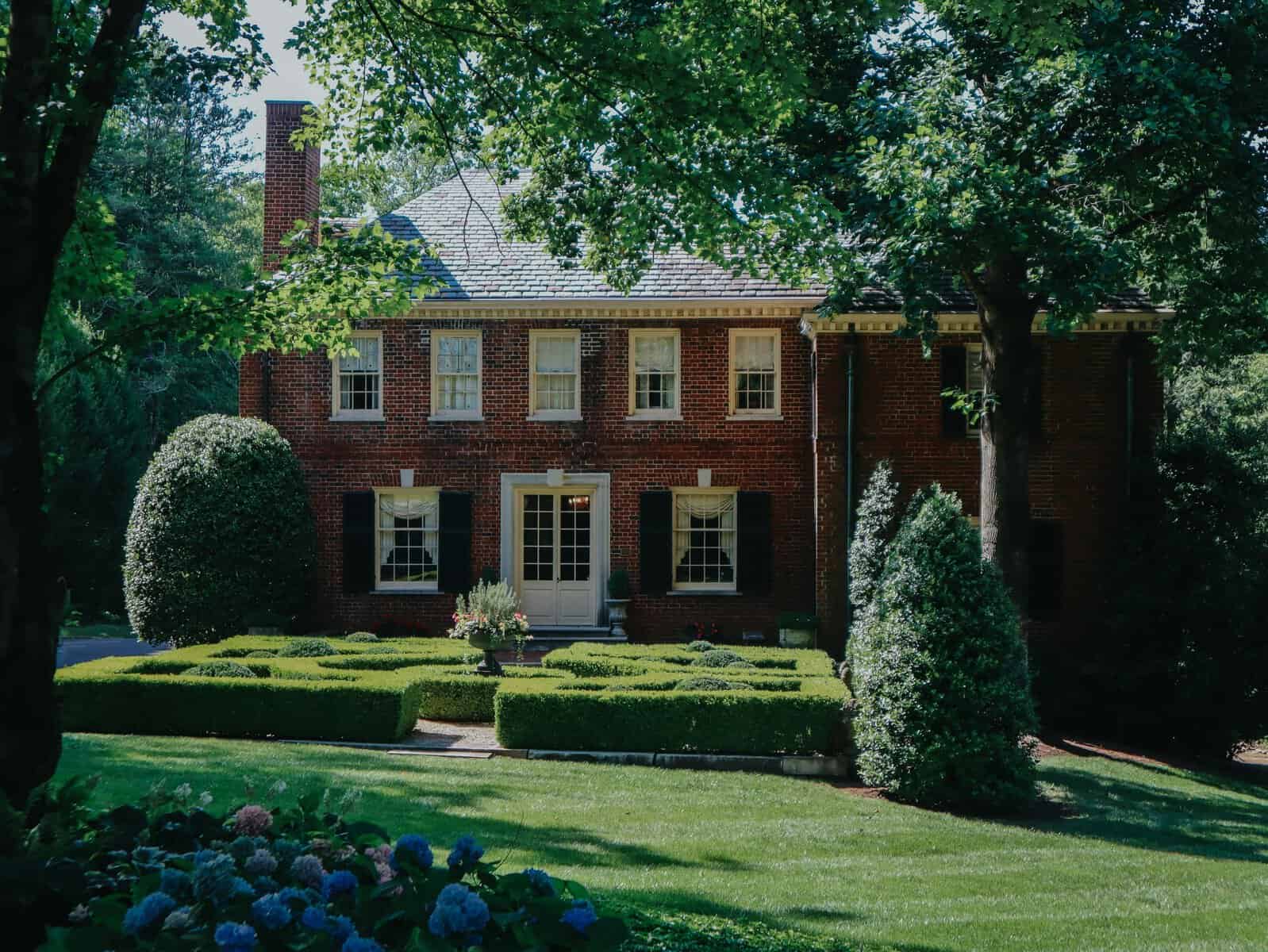
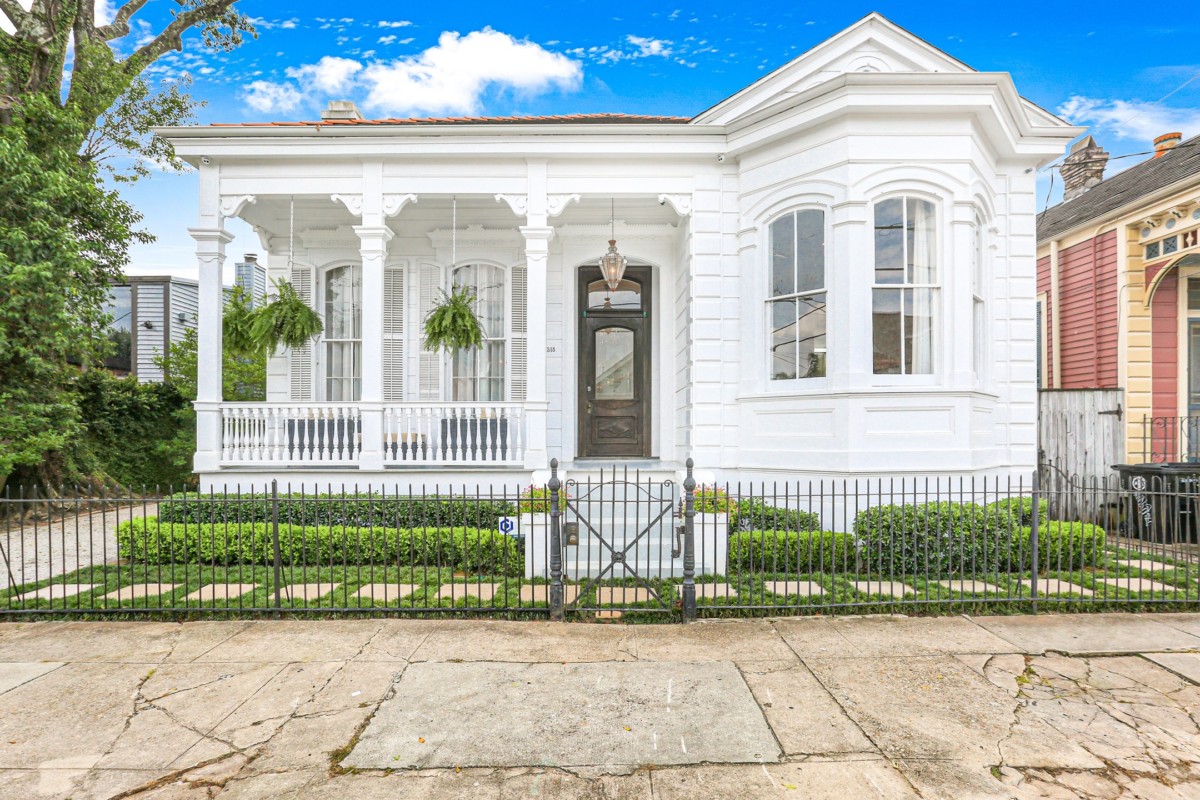
1 week agoA Guide to Types of Historic Homes and Preserving Their Original Character
Historic homes preserve irreplaceable craftsmanship and materials, offering lasting place identity and guiding informed buying and renovation decisions.
fromFortune
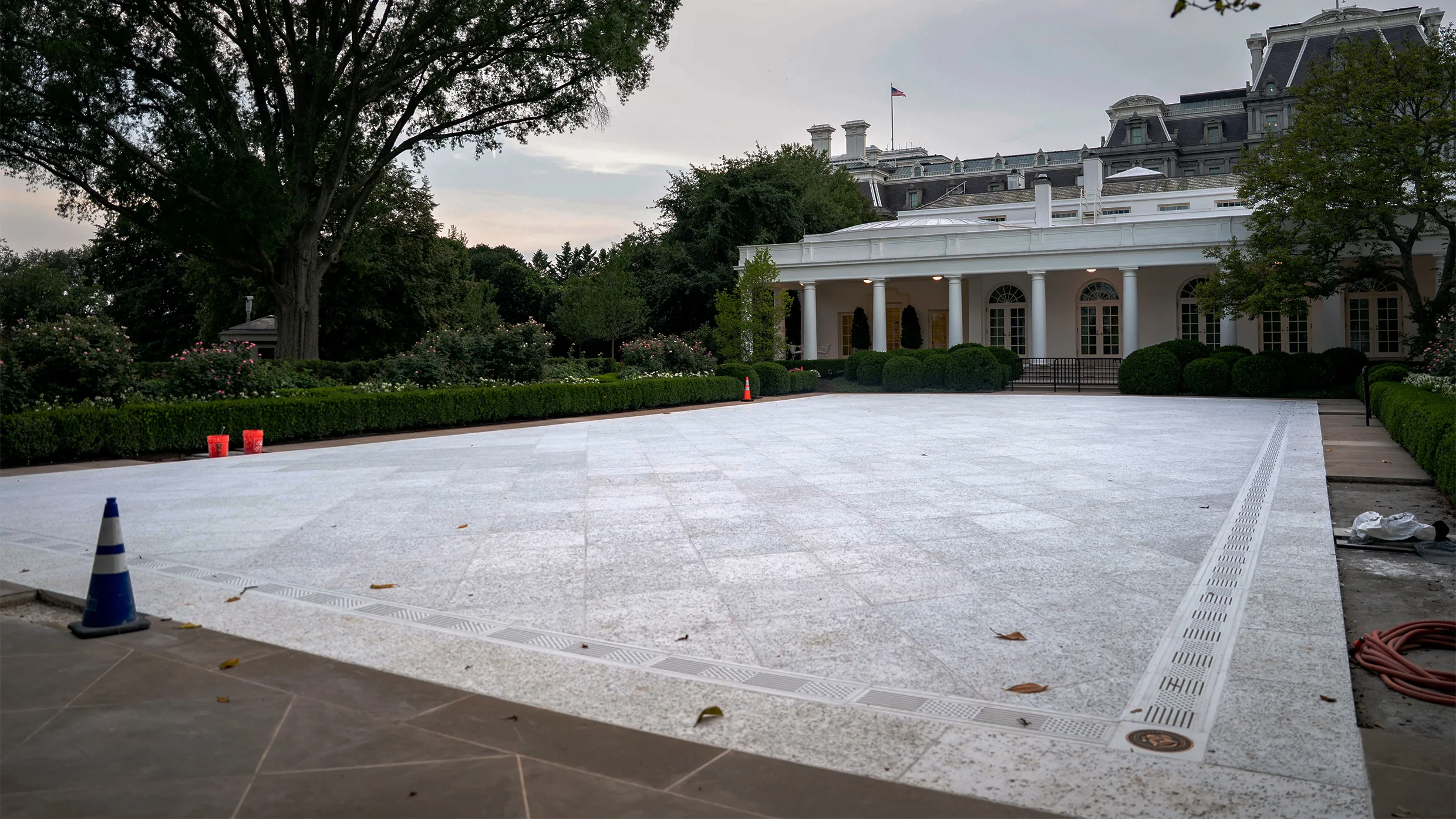
2 weeks agoNational Trust presses ahead with $400M suit against Trump's ballroom after DOJ request | Fortune
What Saturday's awful event does not change is that the Constitution and multiple federal statutes require Congress to authorize construction of a ballroom on White House grounds, and that Congress has not done so.
Washington DC

Renovation
fromArchitectural Digest
3 weeks agoMichael Breland and Peter Harper Spot a Historic Opportunity in a Generational LA Dream Home
Designers Michael Breland and Peter Harper updated a historic Mediterranean Revival home while honoring its preservationist former owner and showcasing Los Angeles's architectural essence.
fromSan Jose Spotlight
4 weeks agoSan Jose residents rally to save railroad trestle - San Jose Spotlight
"San Jose was an agricultural wonderland. They called it the Valley of Heart's Delight, and most of it has been paved over and turned into high tech now. But this is a connection to our past."
California
#fallingwater
Renovation
fromArchDaily
1 month agoFrank Lloyd Wright's Fallingwater Reopens After Restoration, Celebrating Its 90th Anniversary
Fallingwater has reopened after a three-year preservation project, celebrating its 90th anniversary and addressing structural challenges while preserving its original design.


Remodel
fromdesignboom | architecture & design magazine
2 months agoROOVICE revives mid-century japan home through layered wooden interiors
A 1960s wooden house in Kajiwara was renovated to retain original character while selectively updating layout, finishes, and functionality for a creative couple and cats.
fromArchitectural Digest
3 months agoA (Definitely!) Haunted Victorian Gets a High Design Second Act in the Berkshires
Not every home is willing to play a supporting role. Jess Cooney's has always demanded top billing. "It's been a main character in my life-we've had a beautiful journey," says the AD PRO Directory member of her 6,000-square-foot house in Great Barrington, Massachusetts. "And it also drives me insane." More than two decades ago, Cooney returned home from Colorado to the Berkshires with her husband, Joe, and a new daughter in tow.
Renovation






fromEngadget
5 months agoMicrosoft has open sourced the Zork trilogy of text games
So it's wonderful to have a big win in archiving a trio of seminal text games for the ages. Microsoft announced today that the code for Zork, Zork II and Zork III will be made available open source under the MIT License. The company's Open Source Programs Office, Xbox and Activision all contributed to the effort. "The goal is not to modernize Zork but to preserve it as a space for exploration and education," Microsoft team members wrote in the blog post sharing the news.
Video games
fromwww.theguardian.com
6 months agoPickle power: how to make your first ferments | Kitchen aide
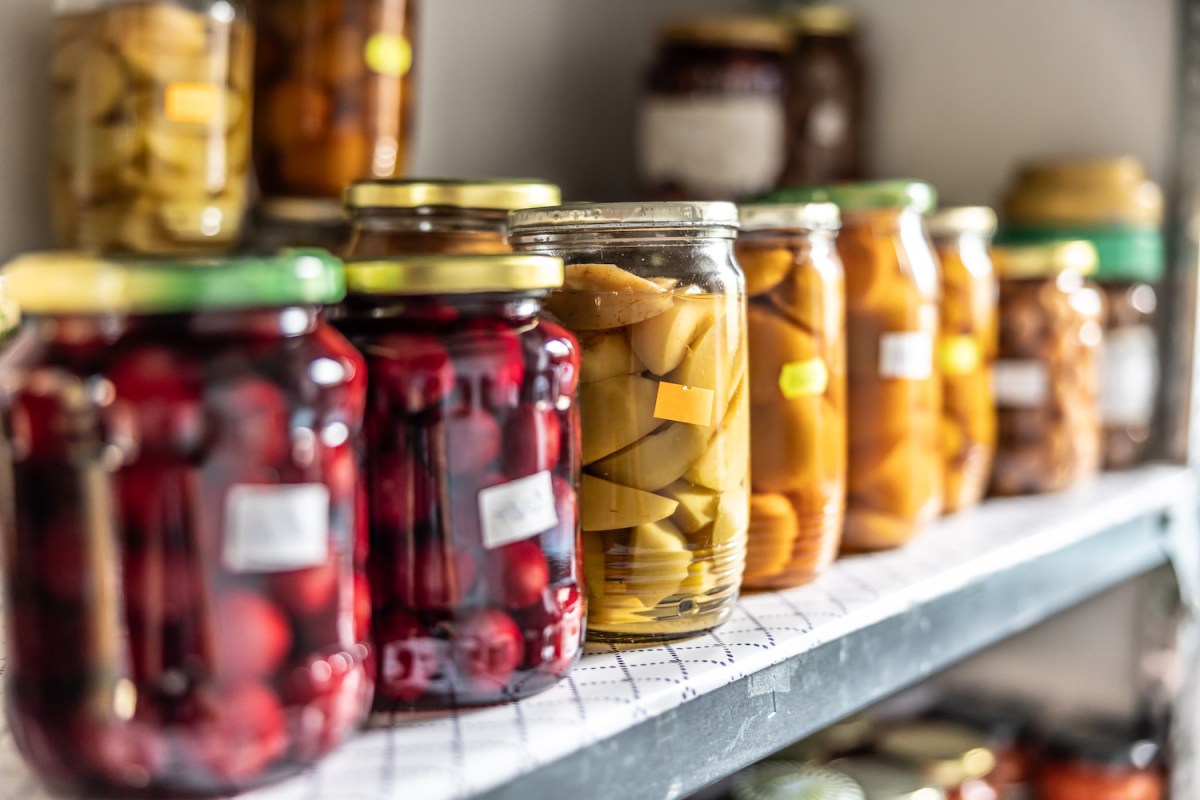
Start by slicing carrots (the thinner or smaller the pieces, the quicker they'll ferment), then make a brine by mixing 35g rock or sea salt (don't use table salt) with a litre of water (tap is fine, filtered is better), and making sure the salt dissolves. You can then go as fancy or simple as you like: Drop in some peppercorns, allspice berries, coriander seeds, fennel seeds or anything else you think might go, bring the brine mix up to a simmer, then take off the heat and leave to infuse and cool to room temperature.
Food & drink


fromBoston Herald
7 months agoAdd a little spice to your life with these 3 easy salsa recipes
Salsa is the Spanish word for sauce, but it does a whole lot more. A good salsa will complement and catapult the most ordinary dish with sweet, tangy, fiery depth and zest. It's a delicious way to dispatch a seasonal bounty of fresh herbs, veggies and fruit, and is great in just about anything, regardless of the culture or country of a particular dish. Fresh tomato salsa adds zing to panzanella; sweet corn salsa lifts chicken salad; roast pepper-tomato salsa sparks buttery sautéed shrimp.
Cooking
fromTasting Table
7 months agoWhat To Consider Before Storing Bay Leaves In The Fridge - Tasting Table
Storing bay leaves often begins with the same few questions: Where should you put them? How long do they last? What can you do to preserve the flavor and aroma? The answers, first and foremost, come down to one important factor - the bay leaves' own condition. Are they dried or are they fresh? This single distinction will determine the rest of the storage process, and if you do it right, cooking with bay leaves will be much more efficient.
Food & drink
fromMedievalists.net
8 months agoHistory in Flames with Robert Bartlett - Medievalists.net
Part of the reason a lot of people figure nothing much went on during the Middle Ages is because we've lost a whole lot of sources telling us what actually did happen. Through malice and misfortune, medieval manuscripts have been destroyed in their thousands. So, how do we know what may have gone up in smoke? And what can we do to keep our beloved manuscripts safe?
History
fromwww.mercurynews.com
8 months agoBay Area officials, historians rally to protect national parks amid federal cuts
RICHMOND Marking the 109th birthday of the National Park Service, Bay Area political leaders, historians, parks experts and residents rallied Monday for the preservation of the diverse history told through lands they say are under threat by the Trump administration. Dozens gathered outside the visitor center at the Rosie the Riveter/World War II Home Front National Historical Park in Richmond, offering a collective voice against what they described as an extremist agenda to defund national parks and erase the history they honor.
US politics
fromThe Art Newspaper - International art news and events
9 months agoEfforts to preserve and repair historic US Black churches get $8.5m boost
"The Black church is one of the oldest institutions created by African Americans, and it is a living testament to the achievements, resiliency and enduring contributions of Black people to American history and culture."
Social justice
fromSFGATE
10 months ago'Iconic' Former Home of Hollywood Legend and 'King of Cowboys' Roy Rogers Hits the Market for $7.2 Million
"Stepping through the doors of the Sherman Oaks abode feels like entering a time capsule dedicated to the 'King of Cowboys,' Roy Rogers, who passed away in 1998."
SF real estate
fromArchDaily
1 year agoHow to Save a Building from Demolition: Emerging Procedures to Uncover the Potential of Existing Structures
The shift in architecture during the twentieth century has led to a dilemma over preserving modern heritage structures, which face pressure for demolition despite their intrinsic value.
Renovation
[ Load more ]