#net-positive-home
#net-positive-home
[ follow ]
#architecture #sustainability #sustainable-architecture #environmental-impact #design #renewable-energy
#sustainability


Design
fromYanko Design - Modern Industrial Design News
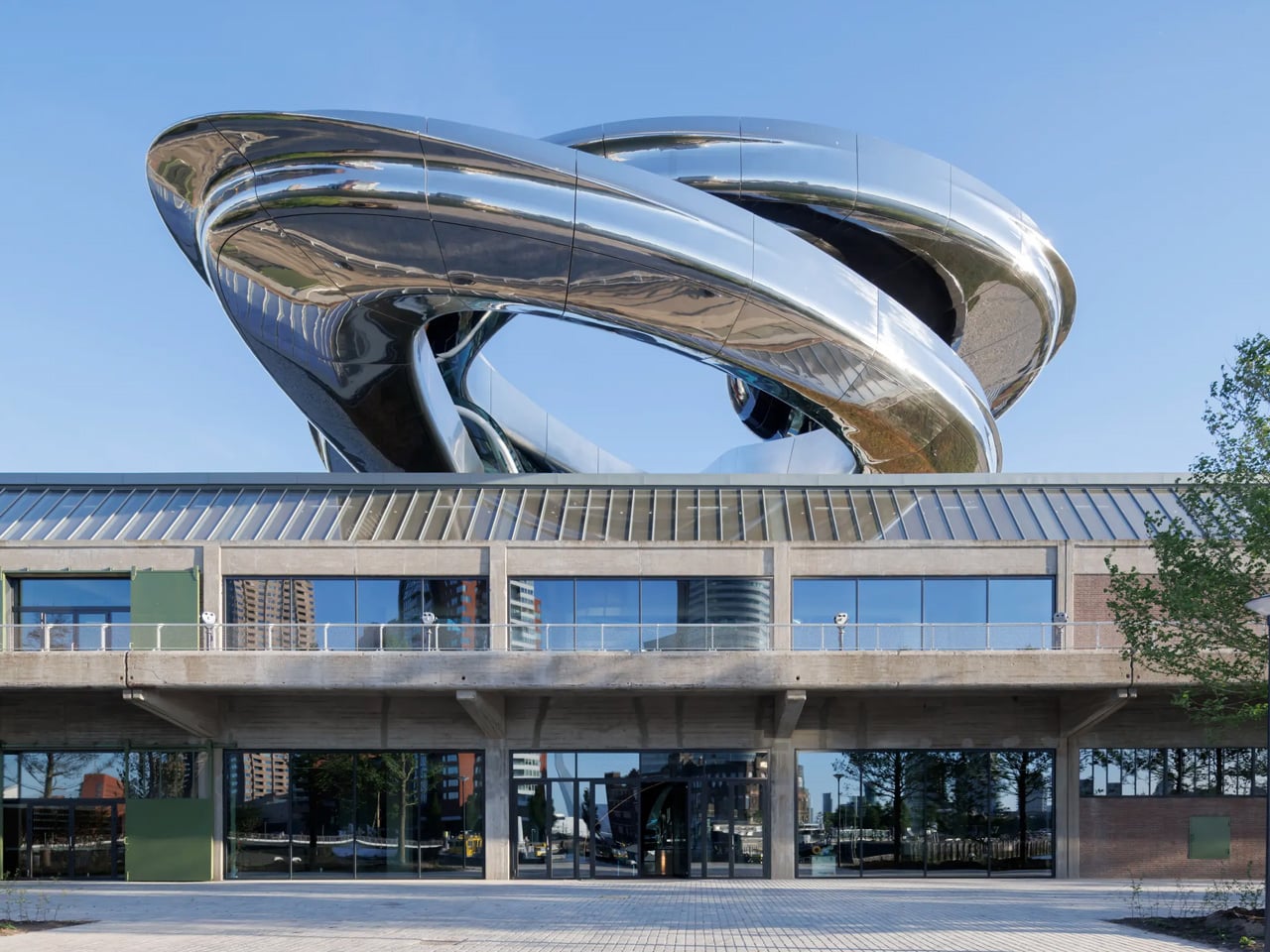
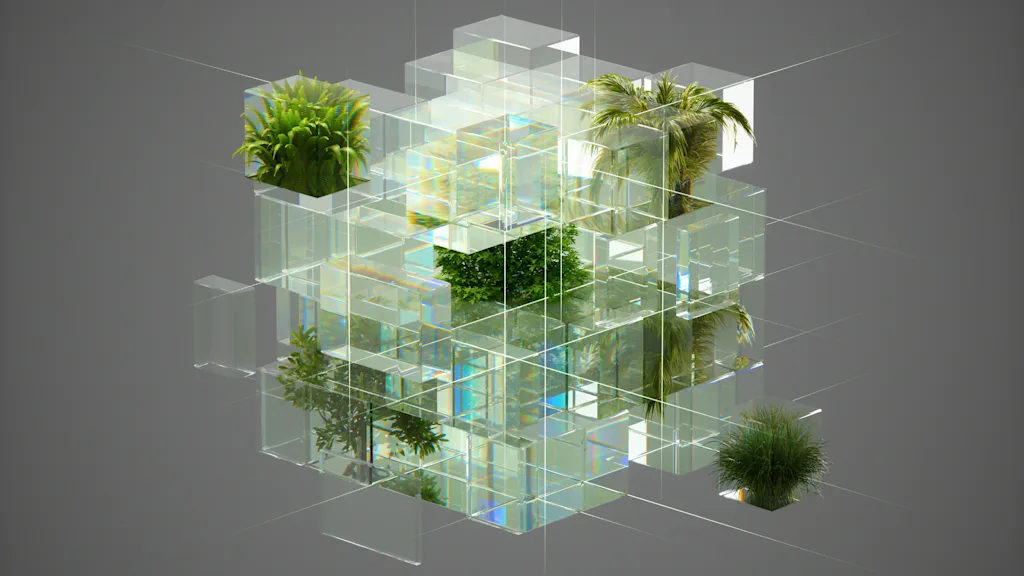
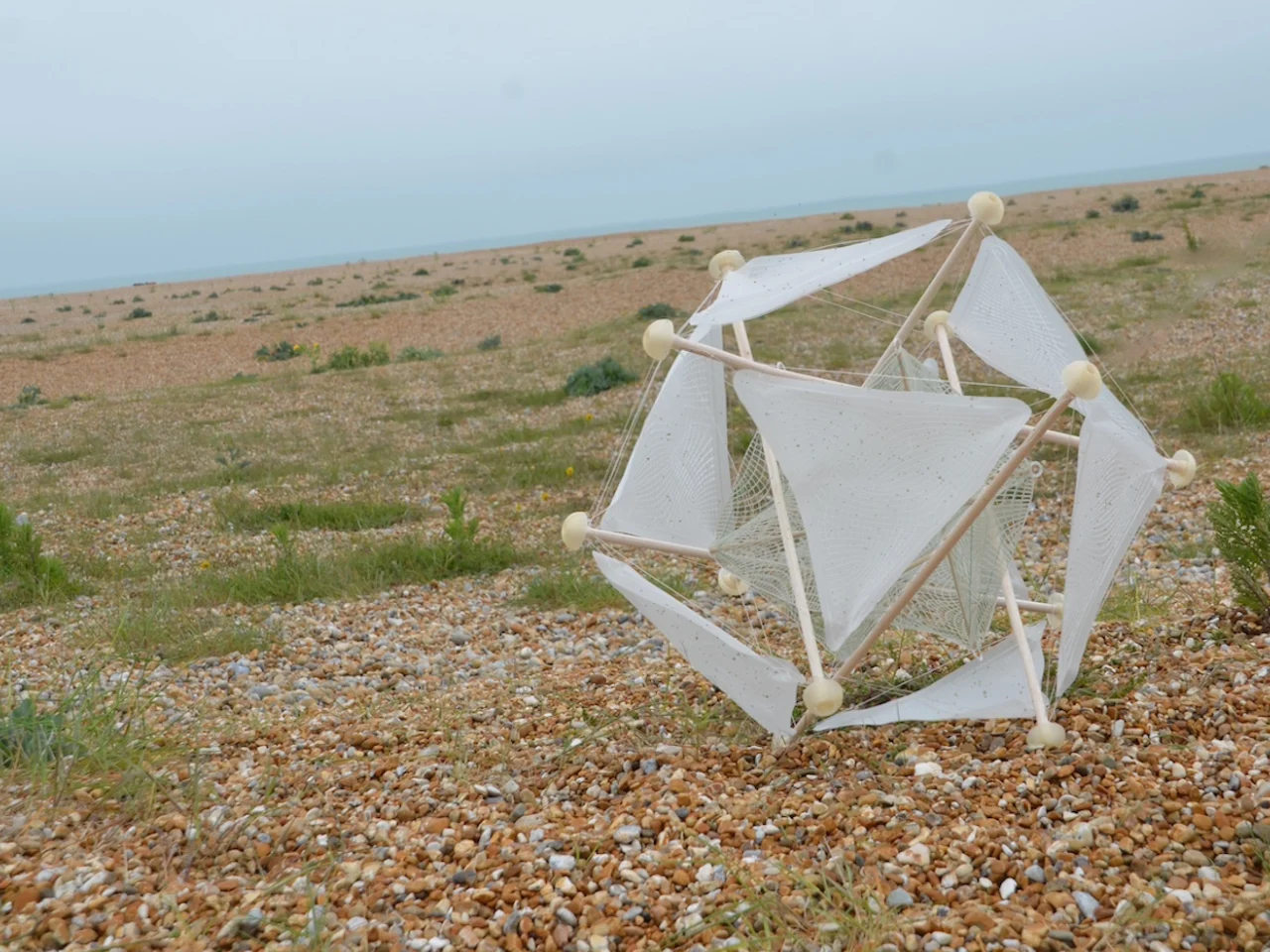
1 day agoEverything in 2026 Is Disposable - Here's 5 Sustainable Trends Are Designed to Last Centuries - Yanko Design
Sustainability in 2026 emphasizes permanence, focusing on materials that last and promote ecological responsibility through architectural endurance.

#energy-efficiency
Europe news
fromLondon Business News | Londonlovesbusiness.com
12 hours agoCBAM, energy costs and efficiency: Why heat recovery is gaining importance in energy-intensive industry - London Business News | Londonlovesbusiness.com
European industry must focus on energy costs, emissions, and heat recovery to enhance efficiency and competitiveness.
fromLos Angeles Times
2 days agoThey lost their homes to fire. Now they're rebuilding with all-electric.
Burning gas and propane for cooking, water heating and space heating in California homes and businesses creates 10% of the state's greenhouse gas emissions. It also releases pollutants indoors.
LA real estate
fromFortune
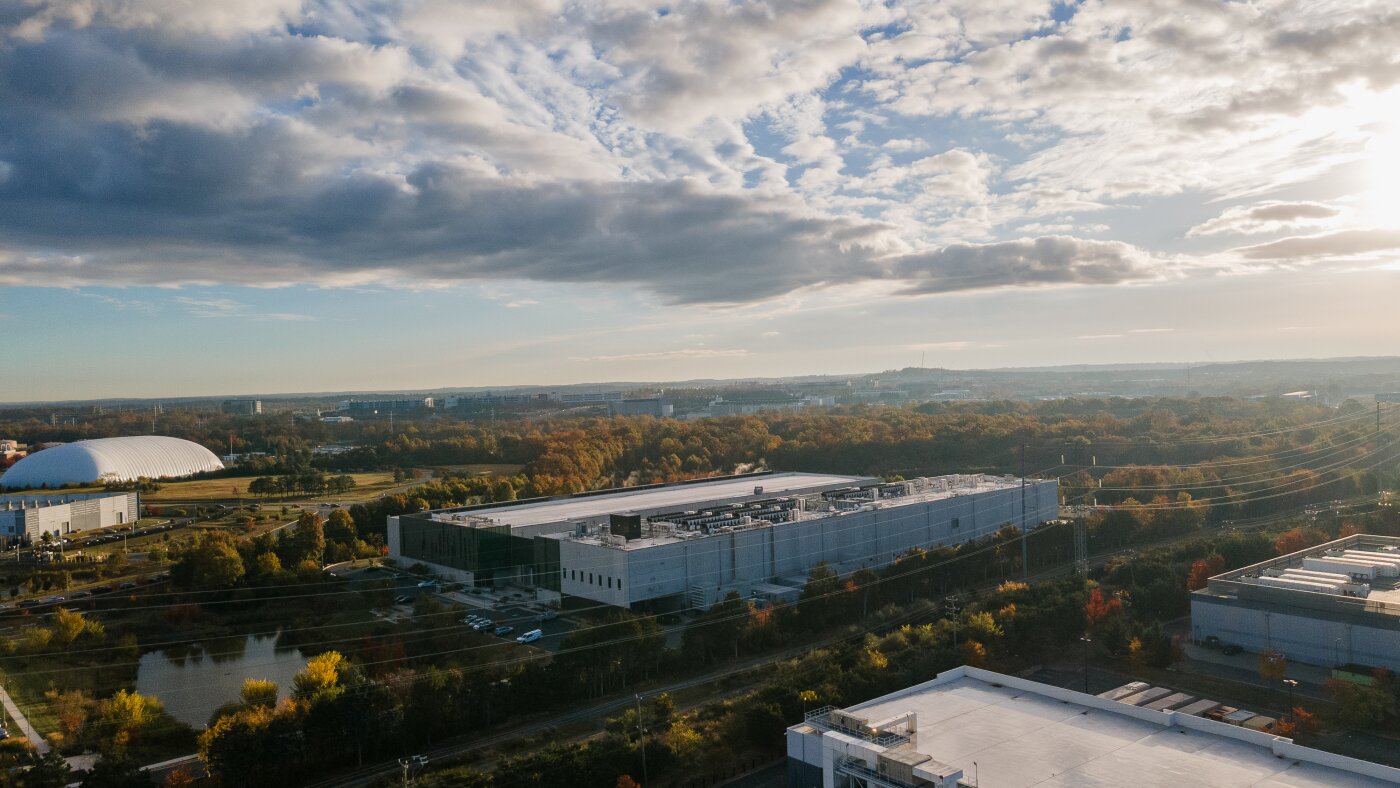
2 hours agoData centers now account for half of all new U.S. electricity use, just as Americans start to sour on AI | Fortune
Data centers accounted for around 50% of all electricity demand growth in the U.S. last year, according to the IEA, far surpassing the rise in electricity usage in the residential, industrial, and transport sectors.
Environment
#architecture
Design
fromYanko Design - Modern Industrial Design News
1 day agoA Gaming Executive Said "Build Me a Crystal House." This Is What 7,300 sq. ft. of Pure Glass Looks Like - Yanko Design
Glass architecture creates a unique interplay of presence and absence, exemplified by F-House's all-glass design that challenges conventional residential norms.
Renovation
fromYanko Design - Modern Industrial Design News
2 days agoThis Japanese-Inspired Garden Studio in California Is Doing Three Jobs at Once - Yanko Design
Two-Fold Studio in Fairfax, California, is a multifunctional pavilion designed to accommodate a Pilates studio, ceramics workshop, and guesthouse within an 800-square-foot structure.
Design
fromYanko Design - Modern Industrial Design News
1 day agoA Gaming Executive Said "Build Me a Crystal House." This Is What 7,300 sq. ft. of Pure Glass Looks Like - Yanko Design
Glass architecture creates a unique interplay of presence and absence, exemplified by F-House's all-glass design that challenges conventional residential norms.
Renovation
fromYanko Design - Modern Industrial Design News
2 days agoThis Japanese-Inspired Garden Studio in California Is Doing Three Jobs at Once - Yanko Design
Two-Fold Studio in Fairfax, California, is a multifunctional pavilion designed to accommodate a Pilates studio, ceramics workshop, and guesthouse within an 800-square-foot structure.
Design
fromdesignboom | architecture & design magazine
3 days agoopen courtyards and evolving green facades turn hyderabad school campus into living forest
Pentaspace's Heartfulness International School integrates ecological design principles to create a nature-connected learning environment for pre-primary education.
#tiny-homes
Real estate
fromYanko Design - Modern Industrial Design News
1 week agoThe Tiny Home That Proves You Don't Have to Downsize Your Family to Downsize Your Life - Yanko Design
The Harmony is a thoughtfully designed tiny home for families, challenging the myth that tiny homes are only for singles or couples.
Gadgets
fromLondon Business News | Londonlovesbusiness.com
1 week agoUnderstanding the impact of smart technology on household energy consumption - London Business News | Londonlovesbusiness.com
Smart home technology requires user action and guidance to effectively reduce energy bills, rather than relying solely on devices for savings.
#sustainable-architecture



Design
fromYanko Design - Modern Industrial Design News
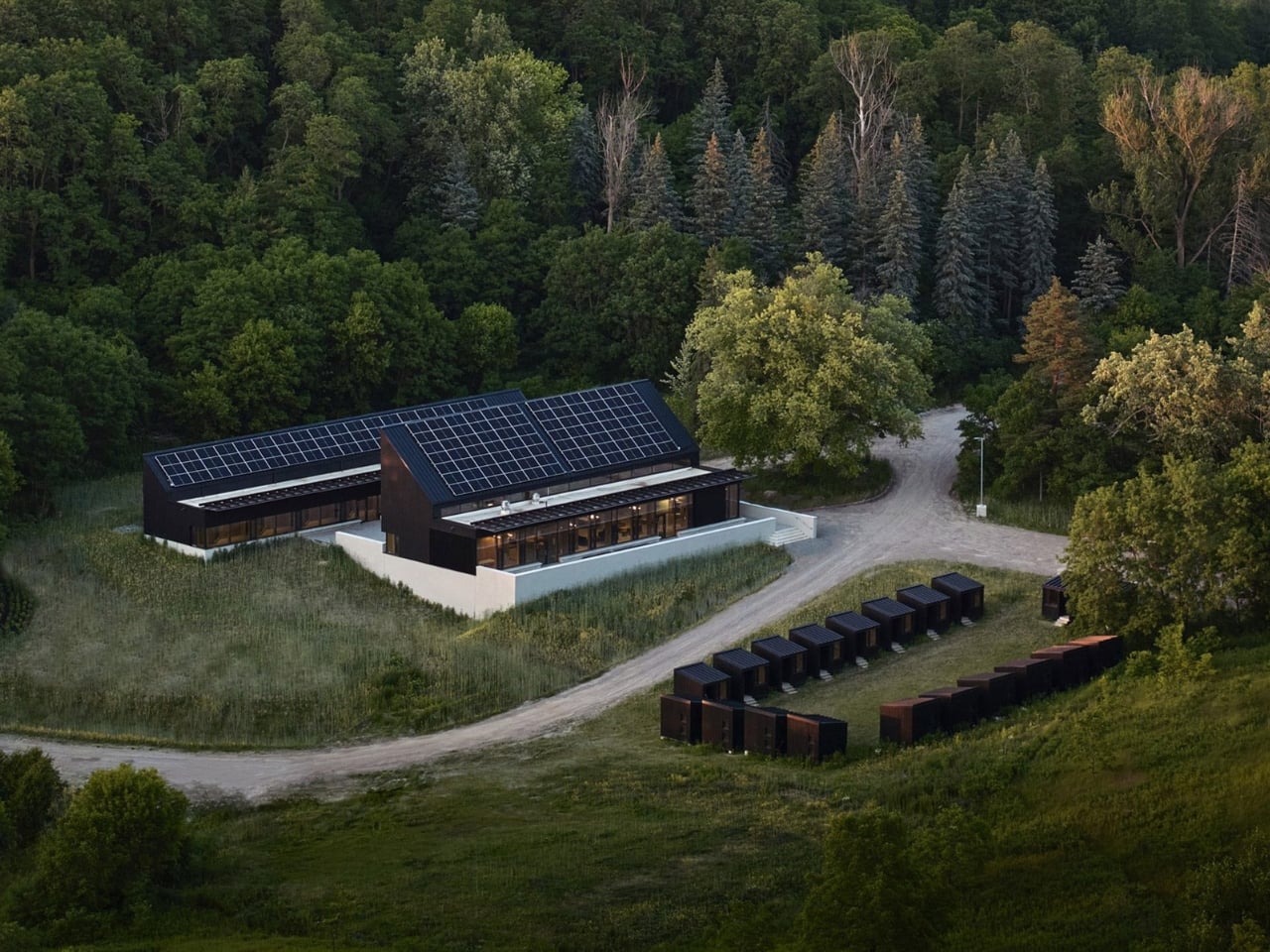
1 month agoA Net-Zero Research Building That Actually Respects Its Landscape - Yanko Design
University of Toronto's Koffler Scientific Reserve exemplifies intentional design where every architectural element serves both functional and aesthetic purposes, from solar-optimized shed roofs to climate-responsive shading.
Renovation
fromYanko Design - Modern Industrial Design News
6 days ago7 Brilliant Products Renters Are Buying to Upgrade Their Homes Without Drilling a Single Hole - Yanko Design
Renters can enhance their living spaces with versatile, non-permanent upgrades that are functional and environmentally conscious.
fromArchDaily
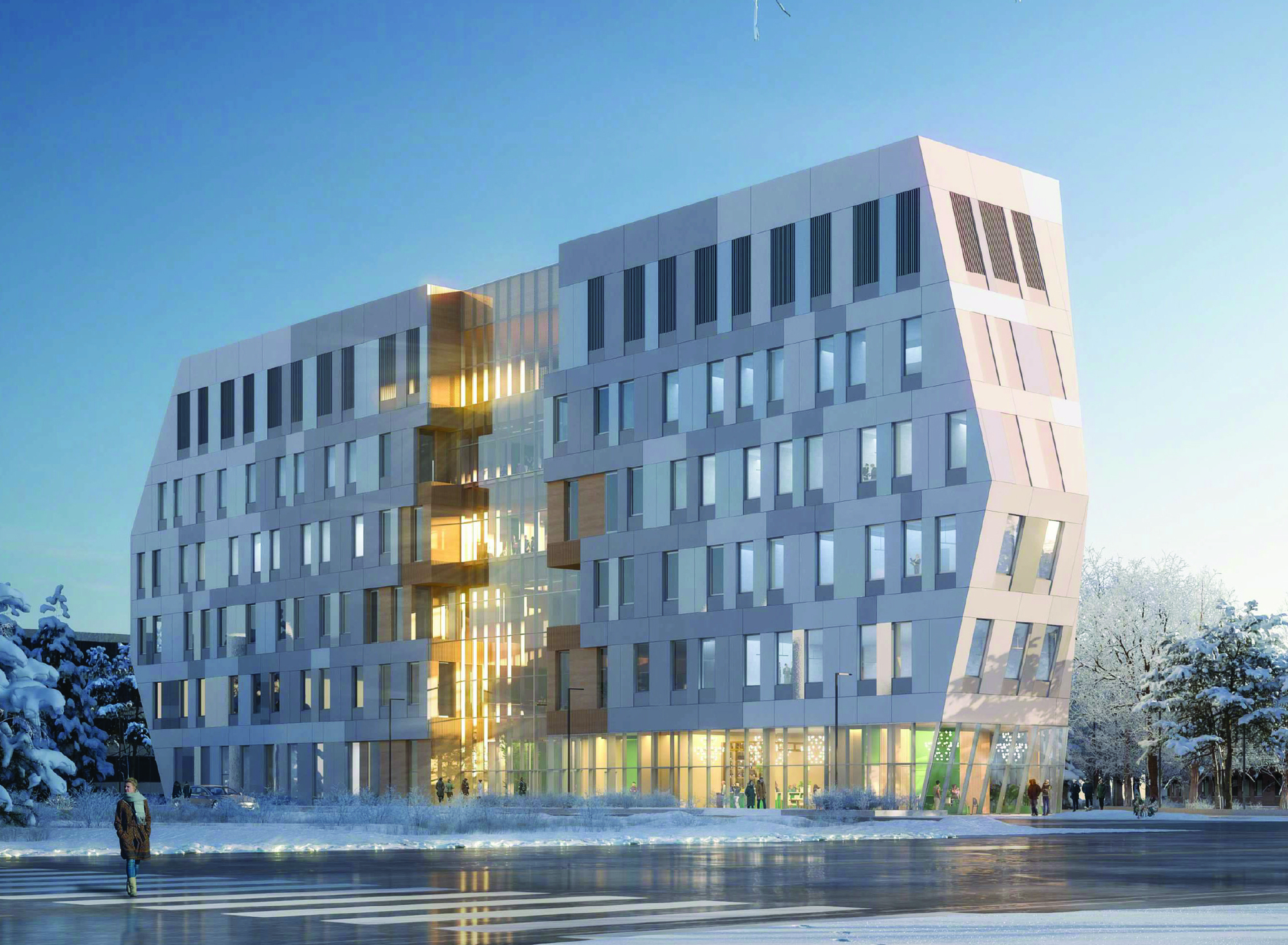
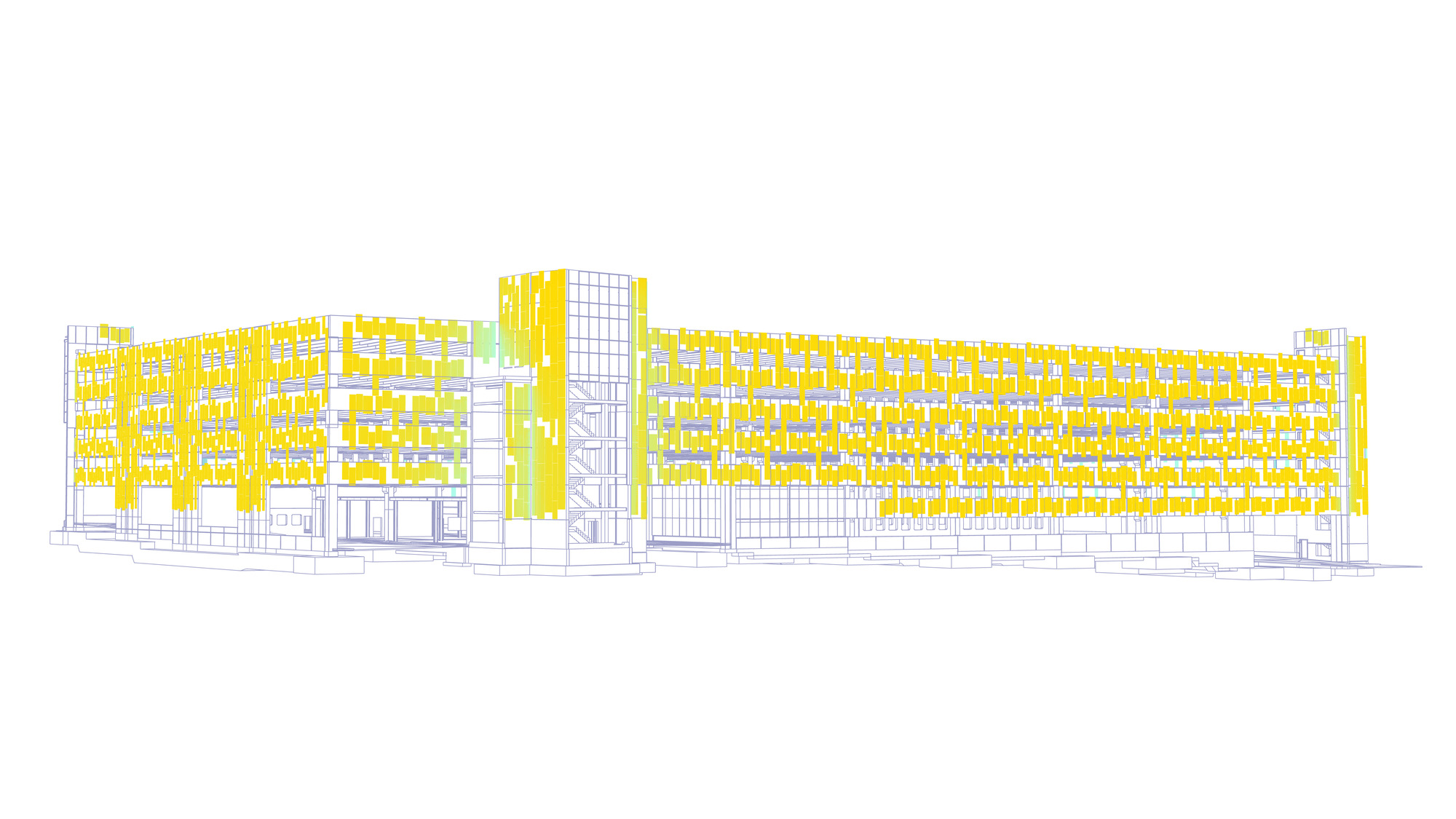
1 month agoHow Architecture Is Learning to Generate Its Own Energy
Photovoltaic (PV) solar energy represents a modular technology that can be manufactured in large-scale facilities, generating economies of scale, while also being adaptable to small-scale applications. From residential rooftop systems to large-scale power generation installations, photovoltaic solar energy has established itself as a cost-effective option for electricity production in many countries around the world.
Environment
Environment
fromwww.theguardian.com
2 months agoWe can learn from the old': how architects are returning to the earth to build homes for the future
Unstabilised rammed earth provides a low-carbon, locally sourced building method with thermal mass, moisture control and potential for circular construction.
fromInsideHook
2 months agoCould Recycled Plastic Lead to More Housing?
When you think about building a house, what materials come to mind? Brick, wood and metal all come to mind; there are also some very distinctive glass houses out there. (Even if their occupants should refrain from throwing stones - though honestly, that's a good tip for indoor living in general.) A group of MIT researchers have come up with a very different way of making buildings, and it's one that also addresses an ongoing waste issue."We've estimated that the world needs about 1 billion new homes by 2050. If we try to make that many homes using wood, we would need to clear-cut the equivalent of the Amazon rainforest three times over," explained AJ Perez, who conducts his research in the MIT Office of Innovation. The title of a paper written by Perez and his colleagues - "Design, Manufacture and Testing of Structural Trusses Using Additively Manufactured Polymer Composites" - gives a sense of the solution that they have in mind.
Environment
fromArchDaily
2 months agoWhen Light Meets Energy in Glass Ceilings
From the large industrial roofs and galleries of the 19th century to the contemporary atriums of museums and public buildings, glass has been a recurring material in shaping large and monumental interior spaces. More than a technological or engineering solution, these horizontal glazed planes introduce a distinct luminous quality: light that comes from above. Unlike lateral daylight entering through façades, zenithal light is more evenly distributed, reduces harsh shadows, and lends spaces a sense of continuity and openness that is difficult to achieve otherwise.
Design
fromArchitectural Digest
2 months agoAD PRO LIVE: The Longevity Home | Register Now
The home isn't just where we live anymore. It's a mechanism for living longer. In this AD PRO LIVE report, we'll examine how residential design has become the next frontier to a healthier, longer life. Delve into the industry's expanding catalog of non-toxic materials, the architectural elements shaping conscientious builds, and the luxury amenities promoting physical and mental well-being in every room of the house.
Design
[ Load more ]