#landscape-integration
#landscape-integration
[ follow ]
#architecture #residential-architecture #residential-design #sustainable-design #contemporary-design
Design
fromdesignboom | architecture & design magazine
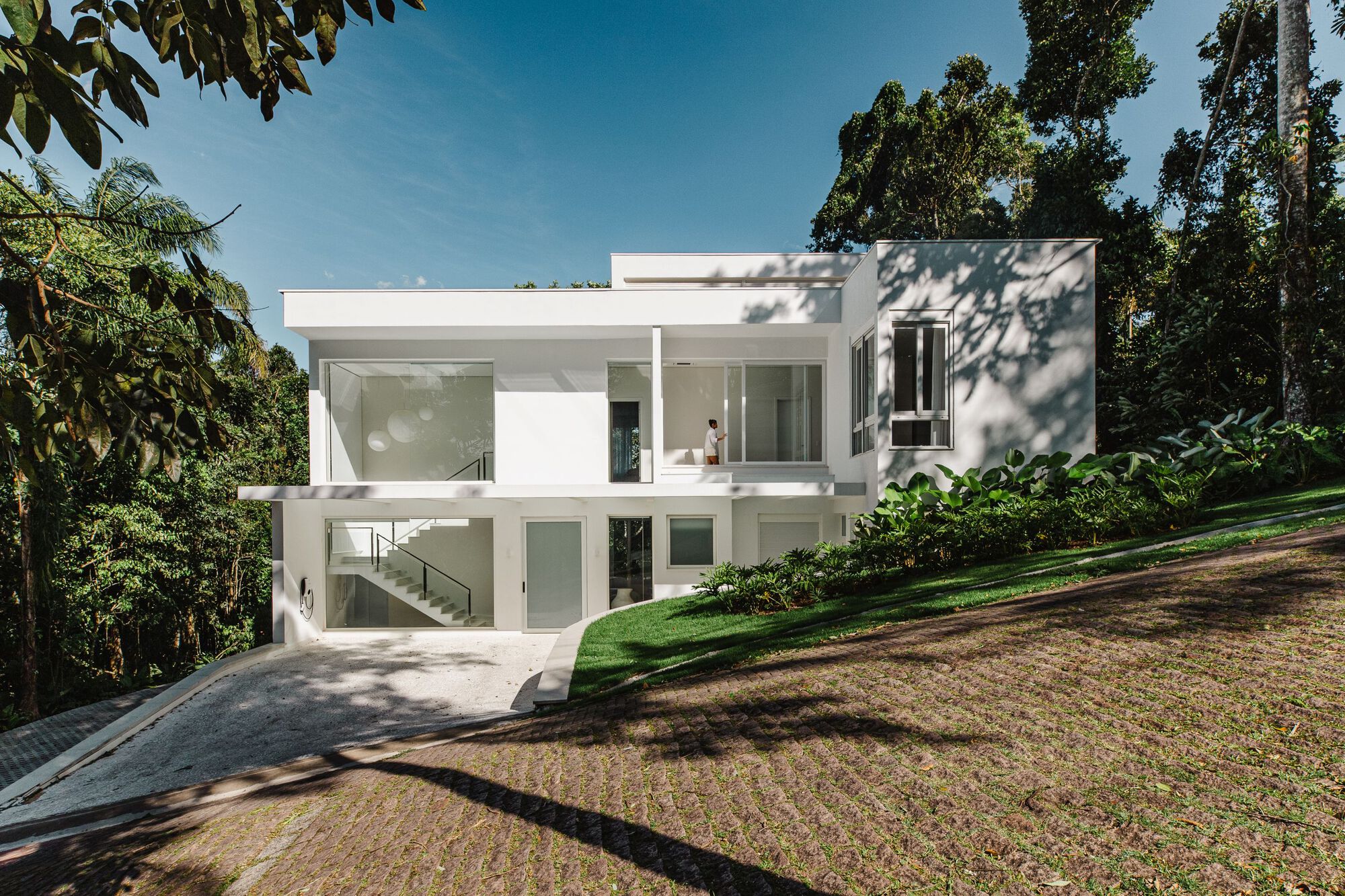
1 day agobold villa stretches horizontally across the hills of peloponnese in greece
Horizontal, low, terraced architecture embeds a villa into Peloponnese terrain, using pergolas, cantilevers, and a sculptural pool to create seamless interior-exterior continuity.
#architecture


Design
fromdesignboom | architecture & design magazine
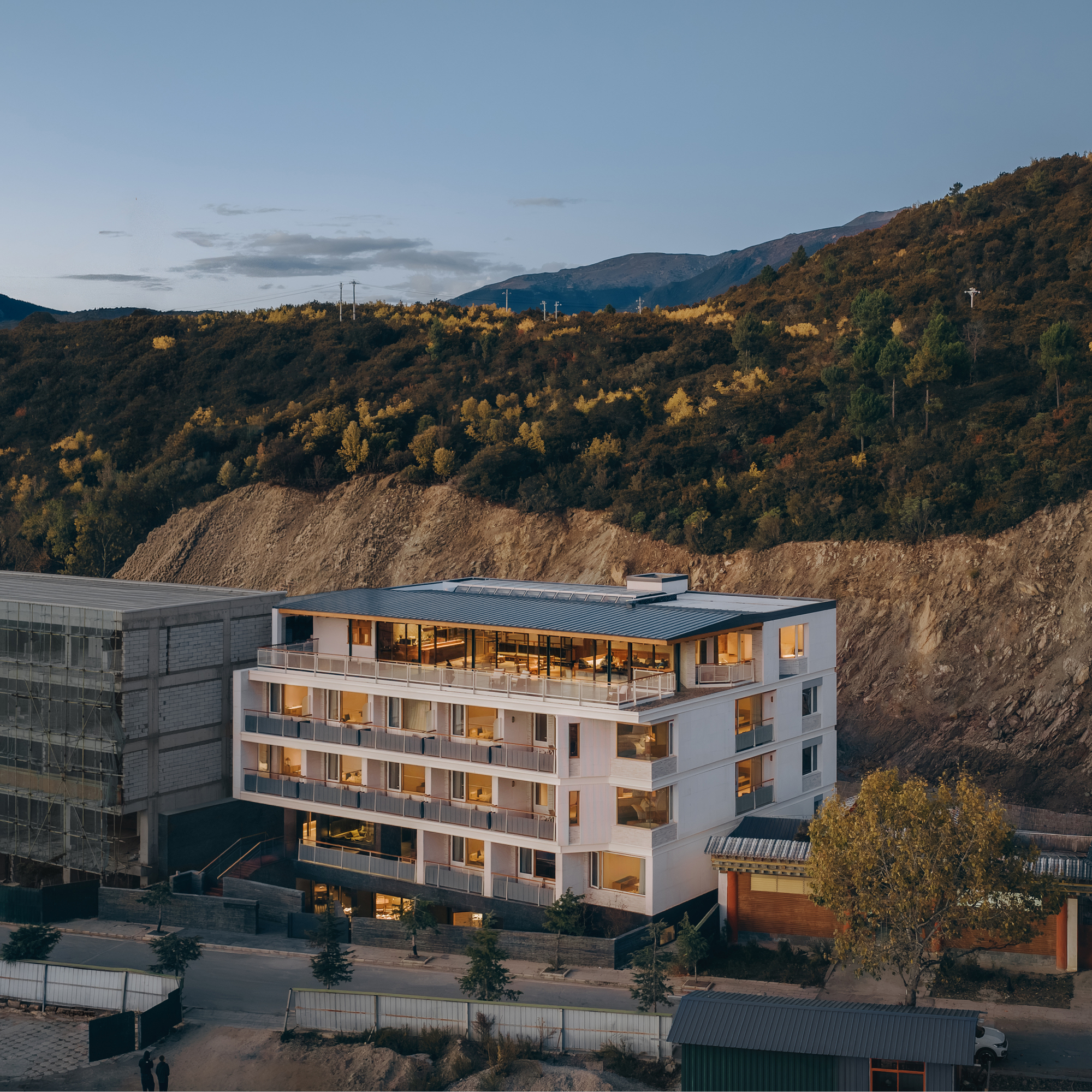
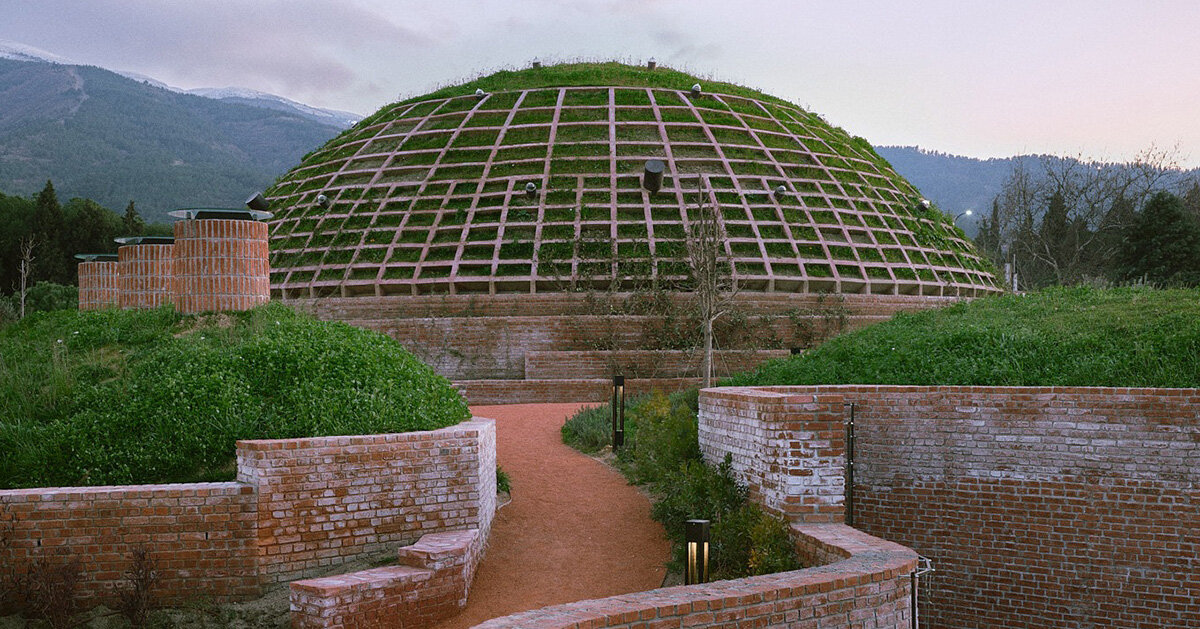
4 days agoarchermit tops 'feixue pavilion' with rooftop pools shaped like overlapping pear petals
Five overlapping concrete roof slabs shaped like pear petals create daylight gaps, water pools, and terraces around a central pear tree in a mountain landscape.
#residential-architecture
Renovation
fromdesignboom | architecture & design magazine
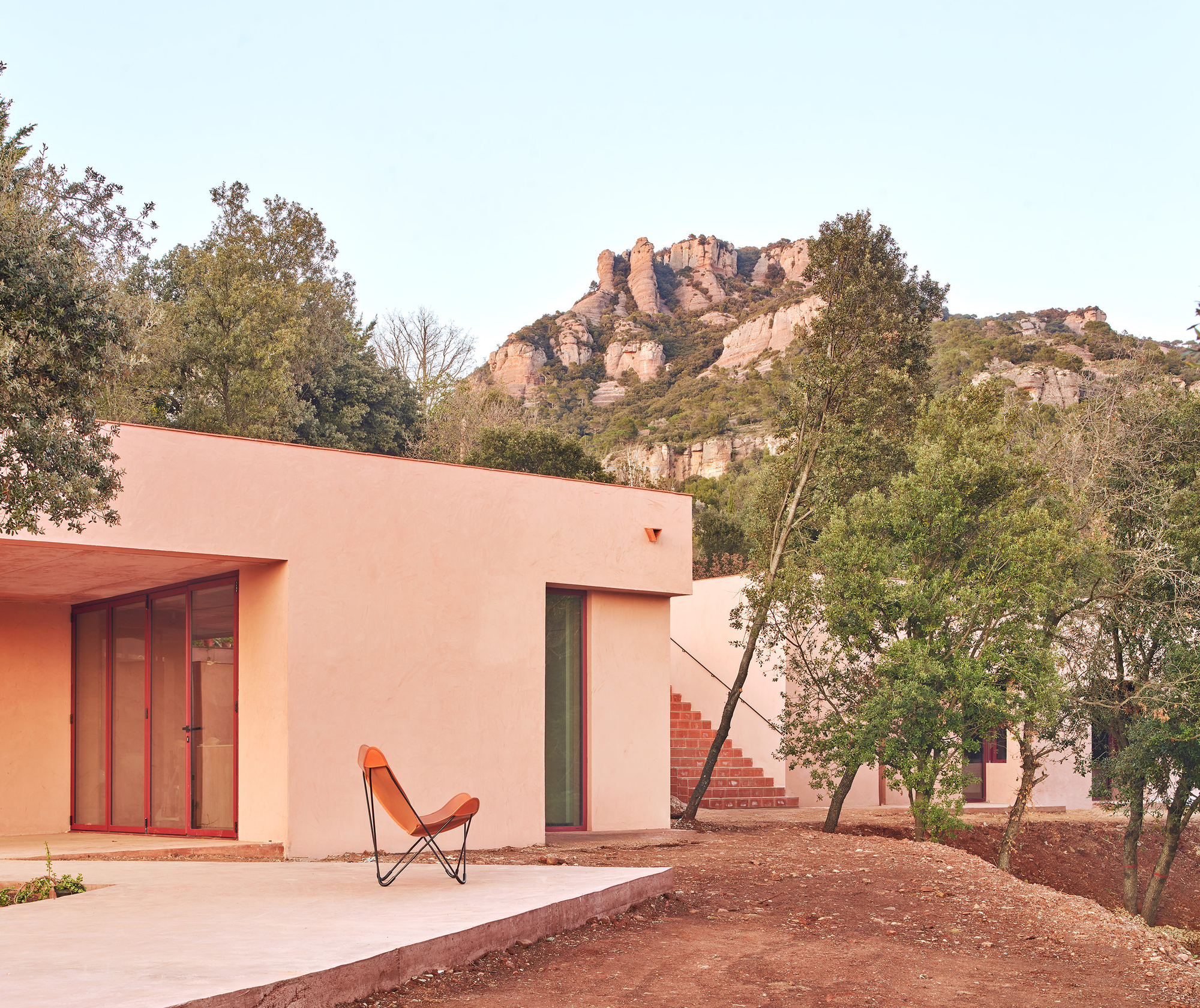
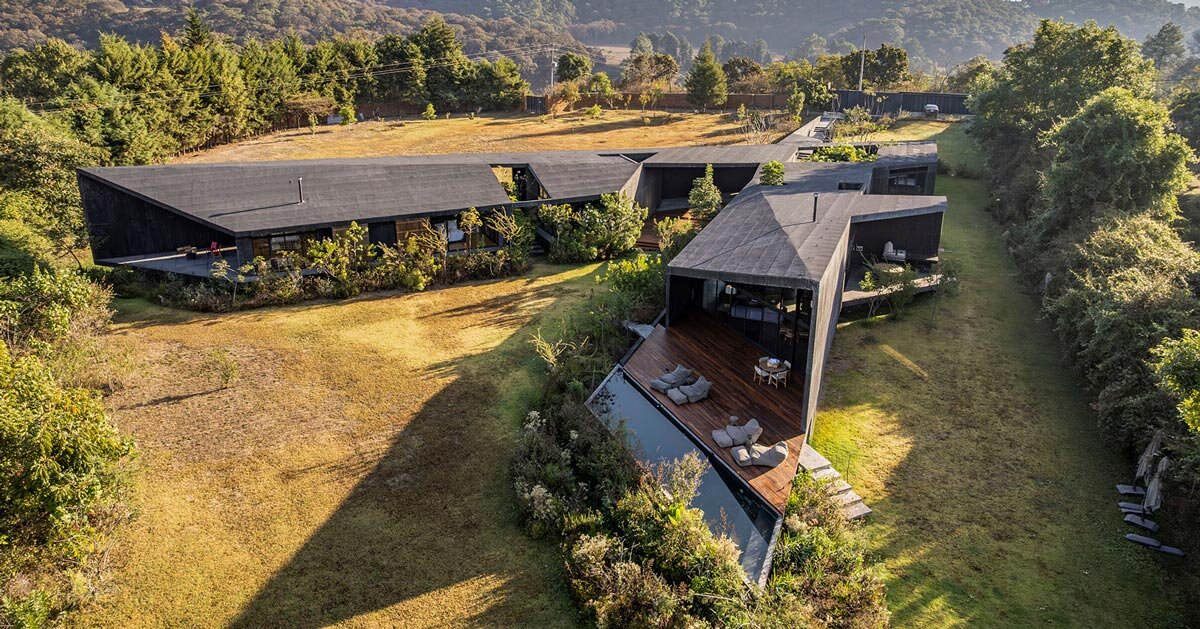
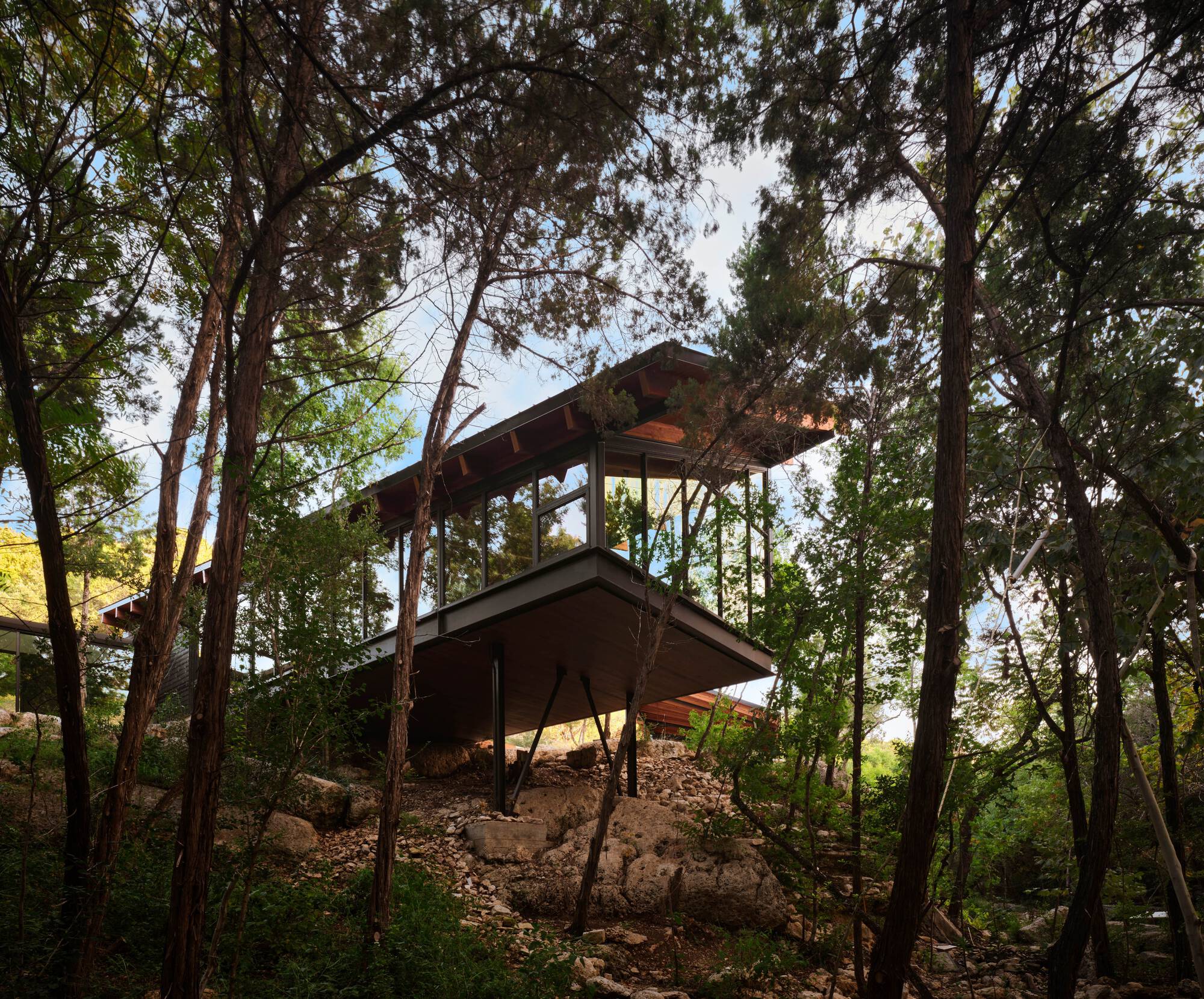
1 month agotwo intersecting volumes of black concrete carve mavra house into the mexican landscape
Casa Mavra in Valle de Bravo features two angular black concrete volumes designed by TAC Taller Alberto Calleja, organized as intersecting forms that connect interior spaces with the surrounding landscape through continuous walls and controlled openings.
fromwww.archdaily.com
3 days agoShenzhen Hongling Education Group Huafu Experimental School / UASZ
Although located next to Shenzhen Central Park, the campus is separated from it by surrounding high-rise residential towers, which form a barrier between the park and the school. The project therefore began with a fundamental question: how can nature be brought back into the everyday life of the campus?
UX design
fromwww.archdaily.com
3 days ago15 Khartoum Road MPark / Choi Studio
15 Khartoum Road by Choi Studio is a new workplace destination for Stockland's MPark precinct that sets a benchmark for the evolving urban character of Macquarie Park. MPark is one of Australia's largest innovation precincts for life sciences and technology, leading the way for the future of work. Master planned by 3XN, the precinct includes three commercial buildings arranged around a new park. Positioned at the heart of the precinct, 15 Khartoum Rd, forms the focal point, sitting lightly in the landscape.
Toronto startup
fromwww.archdaily.com
1 week agoQinling Museum / CSADI
Qinling Museum: A Cultural Landmark Amidst Mountains and Rivers----Spanning China's heartland, the Qinling Mountains bridge north and south, serving as both a geographical divide and a vital ecological sanctuarythe nation's lifeline of water and biodiversity. In Shangluo, Shaanxi, the Qinling Museum emerges as China's first comprehensive space dedicated to the range's natural wonders and cultural legacy, its architecture speaking directly to the surrounding landscape.
Design

Renovation
fromdesignboom | architecture & design magazine
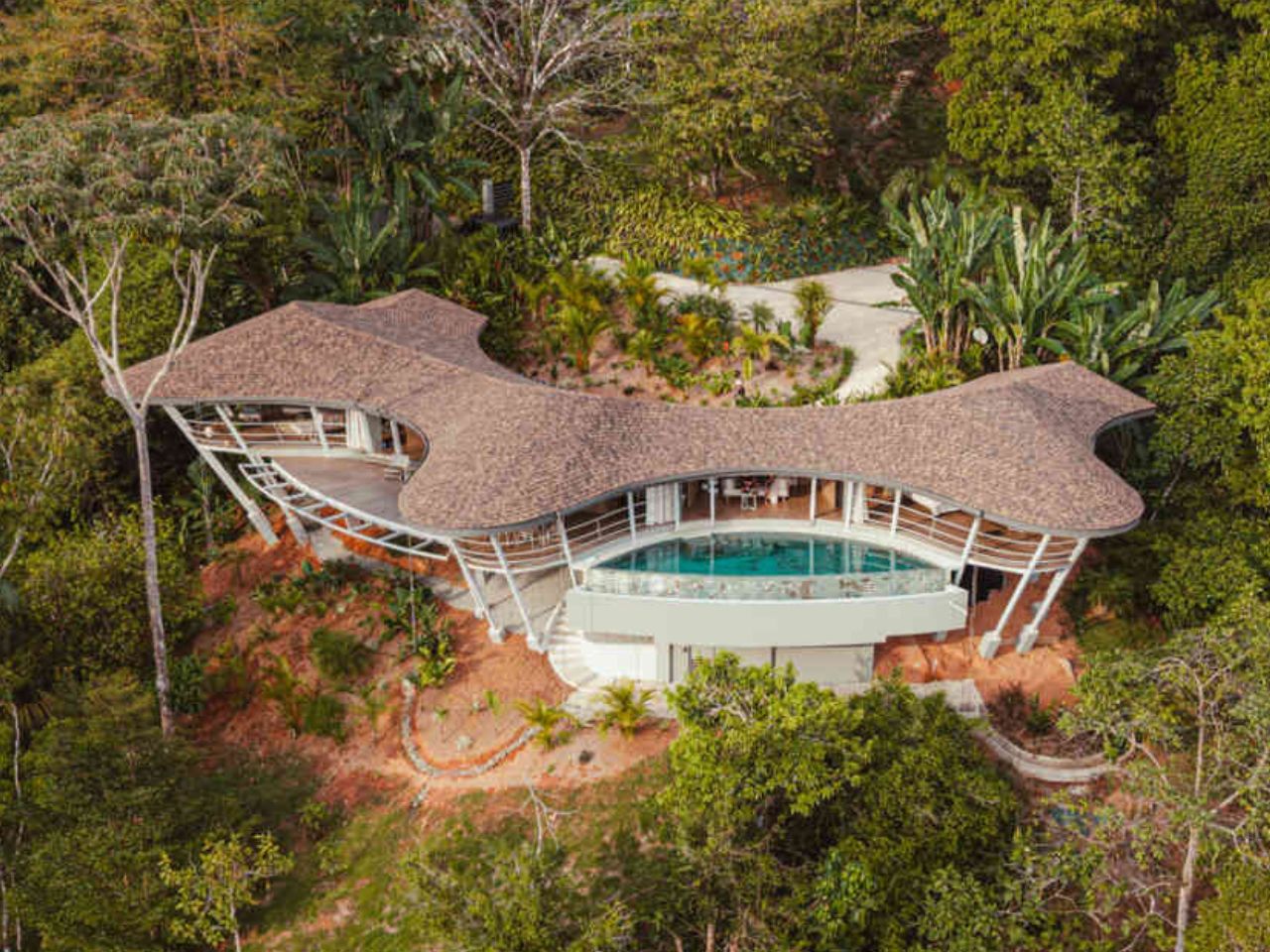
1 month agorecycled ocean-plastic tiles, timber, and stone shape tropical house on costa rica's coast
Casa Milagros integrates local materials and tropical principles into contemporary architecture, creating a seamless connection between interior spaces and the surrounding landscape.
Design
fromYanko Design - Modern Industrial Design News
1 month agoA Hotel in Greece That Hides Inside the Cliff Instead of Sitting on It - Yanko Design
Olen resort on Syros integrates seven suites into rocky cliffs through terraced design and earth-toned materials, prioritizing landscape preservation over architectural prominence.
fromwww.archdaily.com
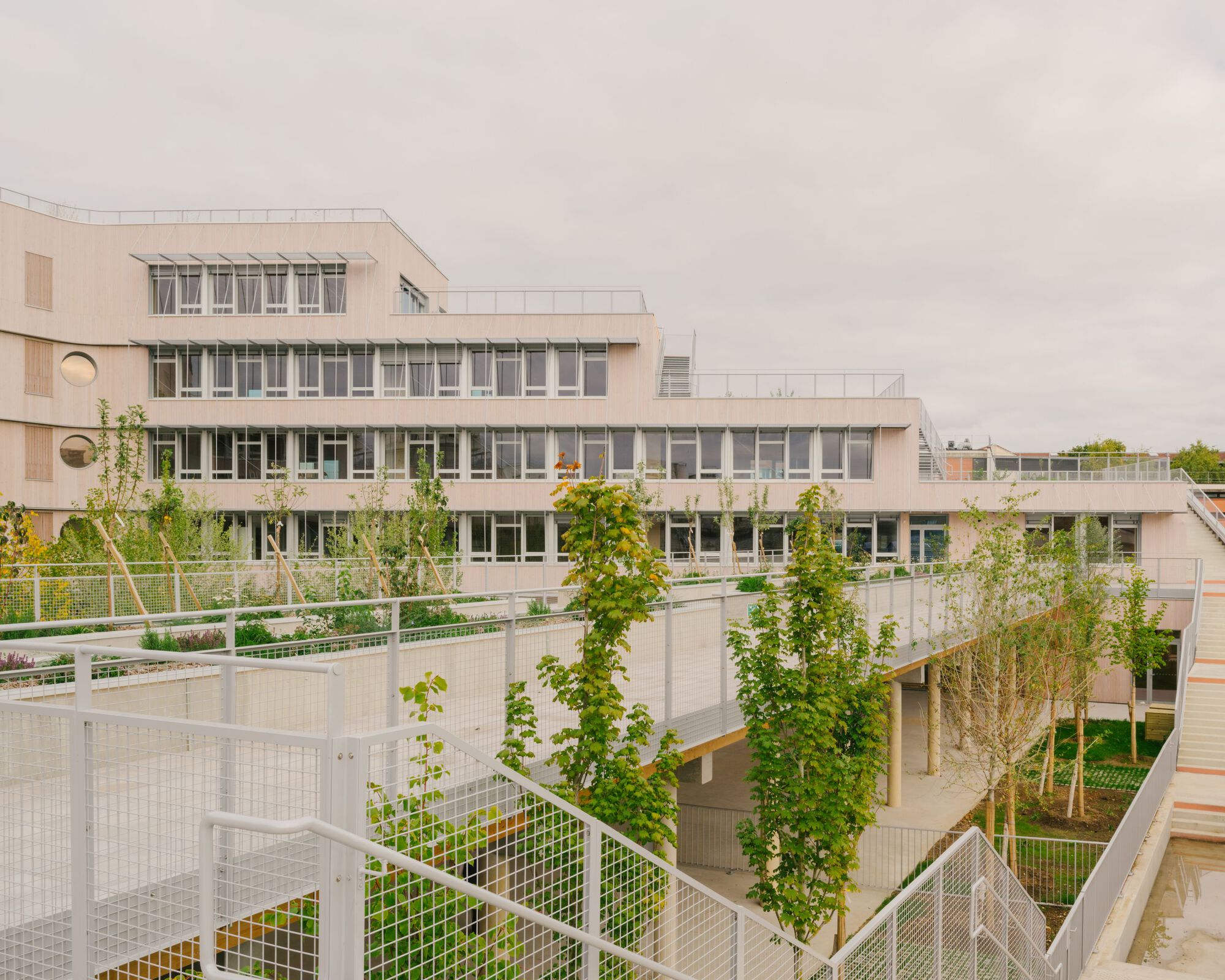
2 months agoBorny Socio-Educational Center / ABC Studio
Arising from meadow-like tall grasses is ABC's new socio-educational center, delivered last July. Despite appearances, it is no countryside landscape but a dive into the atypical Borny district of the French eastern city of Metz.
Brooklyn
Wine
fromdesignboom | architecture & design magazine
2 months agoUFO-like winery by 314 architecture studio appears half buried in greek vineyards
A circular winery in Greek vineyards merges futuristic design with natural integration, appearing as an ancient geological formation through vegetation and embedded terrain.
#topographic-design
Renovation
fromYanko Design - Modern Industrial Design News
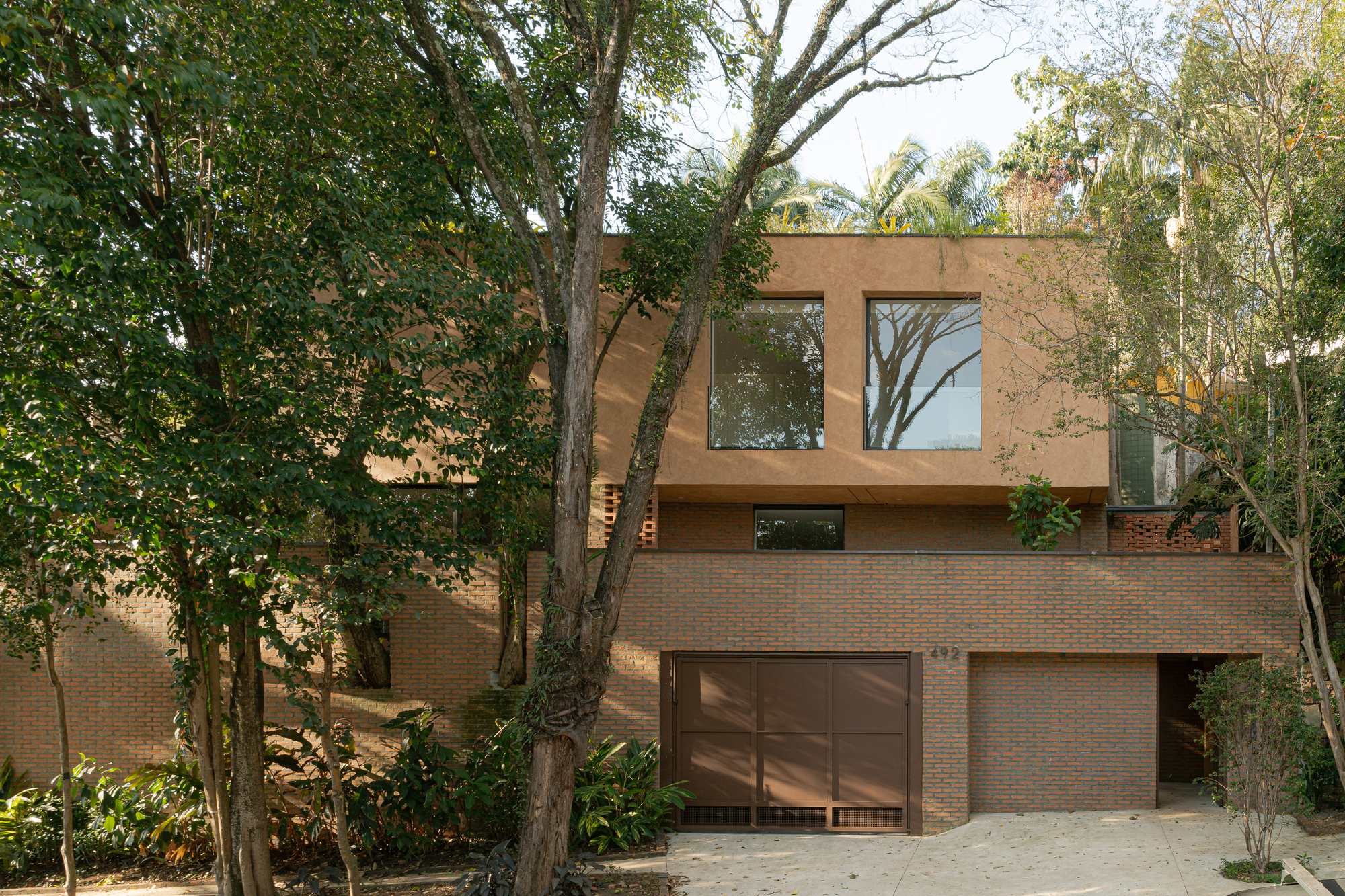
2 months agoA House In Ecuador That Climbs the Land Instead of Changing It - Yanko Design
La Miradora in Ecuador's highlands uses natural terrain to shape its design, with wooden ribs as the primary structural system that adapts to the slope while providing shelter and framing views.
fromDesign Milk
2 months agoRadisson Lonavala Makes the Most of its Natural Surrounds.
The sense of open space of connecting to nature is contested by the building forms that emerge through the prescribed structural codes and densities. The architecture emerges from the site, topography, from the region's material history-black basalt and wood-and adapts to both flexible and fixed-public and private-programs.
Miscellaneous
Design
fromdesignboom | architecture & design magazine
2 months agoTAO shapes this rural art center with a fanning floor plan to frame wetland views
The Chenhu Wetland Art Center uses dynamic walls as the primary design element to create a museum that responds to and reflects its wetland environment through curved forms, textured materials, and porous spatial organization.
fromwww.archdaily.com
2 months agoNirava Ayurveda Holistic Centre / STAPATI
Part of the renowned Krishnendu Ayurveda Hospital, the ~21,000 sq. ft. Nirava Ayurveda Holistic Centre is envisioned as an oasis of healing, rooted in tradition and elevated through thoughtful innovation. Conceived as an immersive wellness retreat, the master plan unfolds in two distinct yet interconnected volumes: a villa block comprising twelve serene guest rooms and a gracefully curved spa block housing therapy suites.
Wellness
Design
fromdesignboom | architecture & design magazine
2 months agovilla sensorium reimagines japan's mountain forests as living architectural landscape
Villa Sensorium integrates architecture into Yakushima's primeval forest by using water as an organizing element and mimicking natural mountain ridge forms to create inhabitable topography.
fromdesignboom | architecture & design magazine
2 months agorepetitive vertical fins enfold concrete structure embedded within thailand's mountainscape
The building is organized around a series of repetitive vertical concrete fins that define the primary system. These elements operate as climatic filters, spatial thresholds, and structural components, establishing a rhythmic articulation across the elevation. Their spacing creates varying degrees of permeability, regulating natural light while framing controlled views toward the distant topography.
Design
fromArchDaily
2 months agoMVRDV Begins Construction on the EU TUMO Convergence Center in Yerevan, Armenia
Located in Tumanyan Park, the five-story building will expand TUMO's campus, providing spaces for free technology and creative education for teenagers and adults, alongside research and co-working areas for technology and design companies. Positioned on a hilly outcrop above the Hrazdan River Gorge, the project responds to the surrounding topography while establishing visual connections with the city, the gorge, and Mount Ararat.
Miscellaneous
fromwww.archdaily.com
2 months agoAl-Iqtishad Mushola / CREM Paragon x KIND
Located on the southeastern edge of the University of Indonesia's Faculty of Economics and Business, AlIqtishad redefines the role of a campus Mushola, shifting from a discreet endpoint to a civic and spiritual threshold within the FEB UI Masterplan.
Design
fromdesignboom | architecture & design magazine
2 months agoreflective steel sheet cladding wraps acheres technical center in france
The site lies within the Petite Arche joint development zone, where design considerations include the town entrance, contextual integration, and alignment with natural elements. The building's form signals its position in an urbanized area and maintains visual dialogue with the surrounding landscape, including the protected Saint-Germain-En-Laye forest. A vegetated threshold along the northern edge reinforces landscape continuity, while the southern boundary engages with the urban character of the area.
Design
fromwww.archdaily.com
2 months agoSadec Garden Hotel / PAU Architects
Sadec Garden is a small-scale accommodation project newly designed and located in the flower village of Sa ec, ong Thap, Vietnam. The project is approached as a quiet place of temporary stay, where architecture does not seek visual prominence but operates as a background for landscape, light, and local daily life. Rather than pursuing expressive forms, the design adopts an attitude of restraint, focusing on spatial organization, experiential sequence, and a soft relationship between architecture and the riverine context of Sa ec.
Design
fromdesignboom | architecture & design magazine
3 months agopitched thatched roof expands upon sarchina villa's cone white brick columns
The primary volume is elevated above the site and supported by four inverted-cone white columns. These structural elements lift the building clear of the terrain, preserving visual and physical continuity at ground level and allowing grass, air, and movement to pass beneath the structure. The elevation creates a shaded patio below the main volume, extending the usable space of the villa while reinforcing its lightweight presence.
Design
fromwww.archdaily.com
3 months agoLook Out Point Vresse-Sur-Semois / SBE nv
The new lookout point at Point Vue le Jambon in Vresse-sur-Semois is conceived as a discreet and respectful gesture within an exceptional landscape. Rather than asserting itself as an object, the project carefully embeds architecture into the terrain, allowing the site's natural qualities to remain central to the experience.
Design
Environment
fromdesignboom | architecture & design magazine
3 months agolike a steel ribbon, volcano-in visitor center by PLAT ASIA undulates around steppe in china
The Volcano-In Visitor Center integrates architecture with an extinct volcanic cone to stabilize terrain, reinforce landscape connection, and prioritize movement and environmental responsiveness.
Design
fromdesignboom | architecture & design magazine
3 months agoarches and voids carve winery's monolithic white facade in georgia
Vachnadziani Winery reinterprets Georgia's winemaking heritage through a monolithic, tectonic architecture that integrates production into the landscape while balancing solids and voids.
Design
fromdesignboom | architecture & design magazine
3 months agoa 1930s chair is the architectural inspiration for gad's nature experience center in china
A free-form roof floats like a cloud, allowing relaxed, locally adapted architecture that grows from alpine terrain and frames mountain, village, and water landscapes.
Remodel
fromdesignboom | architecture & design magazine
3 months agotela architettura revives abandoned concrete shell into italian countryside refuge
An abandoned shell in Ostuni is transformed into a calm, continuous home that reinforces existing geometry and landscape materials for restraint and permanence.
Design
fromdesignboom | architecture & design magazine
4 months agocurved bodies organize sequence of gardens in spanish home by fran silvestre arquitectos
Villa Lago uses an ascending, stepped composition of curved longitudinal volumes to maximize garden contact and organize domestic life around five distinct open-air courtyard spaces.
Design
fromdesignboom | architecture & design magazine
4 months agohotel by ccd reinterprets nomadic cultural patterns through dispersed brick volumes in china
Hotel Indigo Nalati's design interprets Kazakh nomadic culture and seasonal change through dispersed volumes, yurt-inspired forms, landscape integration, and material and lighting strategies.
[ Load more ]