#forest-management-policy
#forest-management-policy
[ follow ]
#sustainability #climate-change #biodiversity #us-forest-service #environmental-policy #trump-administration




#urban-ecology

Agriculture
fromdesignboom | architecture & design magazine
3 weeks agourban rewilding in practice: restoring london's heathland for humans, sheep, and ecology
Sheep grazing is proposed to regenerate urban heathland ecology, creating a continuous ecological corridor that supports both human and non-human systems.

Agriculture
fromdesignboom | architecture & design magazine
3 weeks agourban rewilding in practice: restoring london's heathland for humans, sheep, and ecology
Sheep grazing is proposed to regenerate urban heathland ecology, creating a continuous ecological corridor that supports both human and non-human systems.
fromThe New Yorker
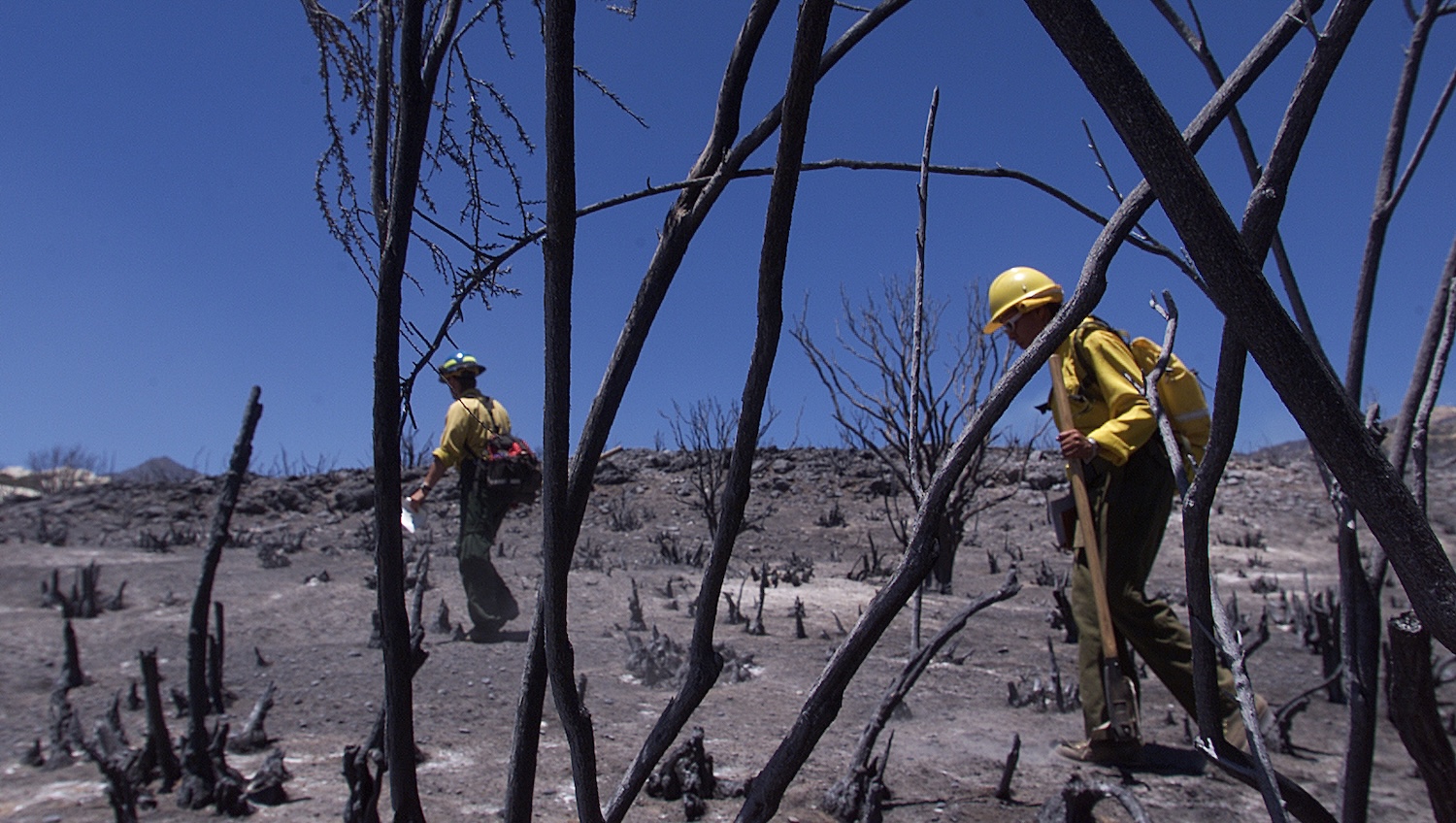
1 week agoTrump Guts the Forest Service Ahead of Wildfire Season
The Trump Administration's sweeping changes to the Forest Service, which operates under the Department of Agriculture, represent a gutting of an agency that has been a stable fact of life for over a century.
Non-profit organizations
fromArchDaily
2 weeks agoColdefy Leads Winning Masterplan to Transform Budapest Brownfield into Rewilded Urban District
The regeneration plan includes over 10,000 apartments, new transportation links, and commercial and civic spaces, forming a comprehensive urban redevelopment strategy aligned with 15-minute city principles.
Renovation
fromDefector
4 weeks agoDam It All To Hell | Defector
Hoppers, like Pixar's pre-Disney films, is a delight. The beavers' world is immersive and richly realized, grounded in science but never dry. The plot zigs and zags between moments of absurdity and emotional heft to stirring effect; I cried multiple times, and not just because of the low-hanging fruit of grandma death.
Independent films
Alternative transportation
fromStreetsblog
1 month agoWhy Some Congresspeople Want to Go Big on Greenways - Streetsblog USA
The Parks to People Act proposes $300 million in federal funding for walking and biking infrastructure as essential transportation tools, despite political opposition dismissing them as distractions.
#forest-conservation


Environment
fromEarth911
1 month agoSustainability In Your Ear: The Forest Stewardship Councils' Path to a Circular Bio-based Future with Loa Dalgaard Worm
Forests face unsustainable depletion from rising demand for wood fiber, requiring circular economy models and new incentive systems to protect remaining forests while meeting material needs.

Online marketing
fromSocial Media Explorer
1 month agoScrolling for Shade: What Homeowners are Actually Searching for Regarding Tree Care - Social Media Explorer
Social media tree-trimming trends prioritize aesthetics over proper arboriculture; professional pruning serves biological functions like wind resistance, not just visual appeal.
fromwww.theguardian.com
1 month agoSmall changes in how we garden can make a big difference to birds | Letter
Around a third of UK gardeners use pesticides, and our studies found that house sparrow numbers, for example, were nearly 40% lower in gardens where the pesticide metaldehyde was used. By reducing pesticide use, you can actively encourage birds back into your outdoor spaces, as they rely on invertebrates such as slugs and snails as natural prey.
Pets
fromwww.cbc.ca
1 month agoOntario to consolidate 36 conservation authorities into 9 | CBC News
Ontario will consolidate its 36 conservation authorities into nine across the province. Environment Minister Todd McCarthy says there will be no job losses as a result. He says the province listened to feedback after several town halls and 14,000 comments on its plan, which initially proposed having seven conservation authorities.
Canada news
Environment
fromHigh Country News
1 month agoThe BLM wants to ramp up logging. Oregonians aren't so sure. - High Country News
The BLM plans to increase timber harvesting on 2.5 million acres in western Oregon, including protected old-growth forests, citing wildfire management and Trump administration timber production directives.
Environment
fromwww.theguardian.com
1 month agoEngland should give over 7% of land to nature and renewables to meet environmental targets, data shows
England must allocate 7% of its land to nature, forests, and renewable energy to meet environmental targets while maintaining food production and housing capacity.
Agriculture
fromIndependent
2 months ago'It's a kind of rock-star lifestyle... but I always loved farming': Why ex-pro surfer swapped chasing waves for regenerative farming
Fergal Smith left a professional surfing career to practice regenerative farming and train Ireland’s next generation of sustainable farmers on Moy Hill Farm.


Environment
fromEarth911
2 months agoGuest Idea: Late Winter Pruning Optimizes Tree Health for Backyard Carbon Sequestration
Prune backyard trees in late winter to reveal structure, improve health, and increase long-term carbon sequestration by removing nonproductive limbs and promoting stronger growth.
fromHigh Country News
1 month agoIt's time to rethink how we care for our public lands and waters - High Country News
Wildlife populations are in decline. Recreation sites are crowded and often underfunded. Wildfires are larger, more destructive and harder to control. Climate change is reshaping natural systems, from ocean fisheries to mountain snowpacks, faster than institutions can respond. At the same time, communities are being asked to host new energy projects, transmission lines and mineral development - often without clear processes, adequate resources or trust that decisions are being made in the public interest.
Environment
fromwww.dw.com
1 month agoBrazil's soy industry gives deforestation a green light
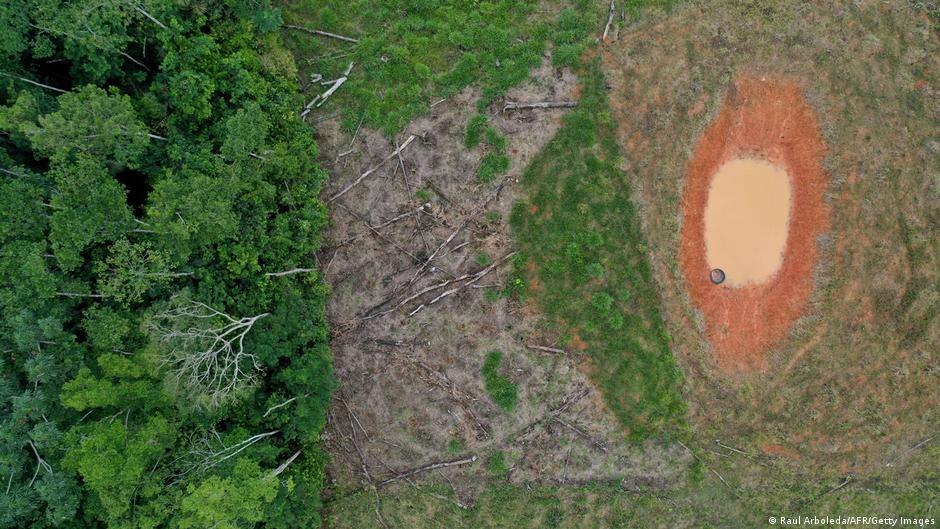
A moratorium that has protected vital rainforest since 2009 is on shaky ground as several players from Brazil's soy industry say they are pulling out. Specifically, the Brazilian industry association ABIOVE, whose members include global companies such as Cofco International, Bunge, Amaggi and JBS, have said they will no longer refrain from growing soy on deforested land. Environmentalists fear this could fuel a new wave of Amazon logging.
Environment
[ Load more ]