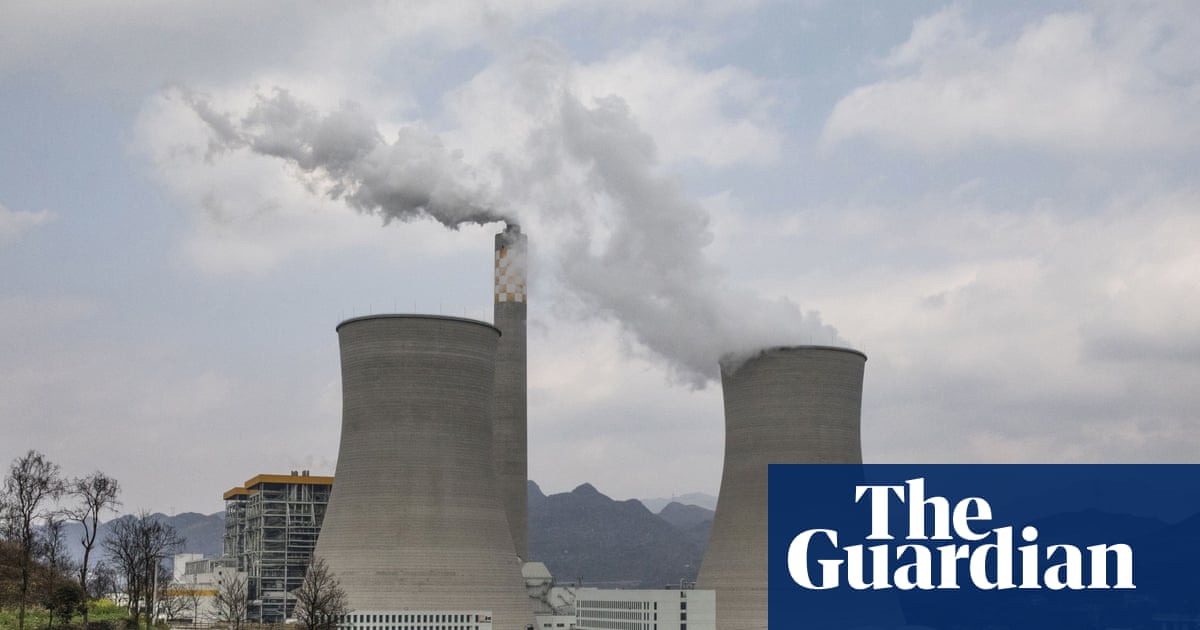
"From healthy rivers to productive forests, the natural world underpins almost all economic activity. But human consumption of the Earth's resources is unsustainable, driving what many scientists believe is the largest loss of life since the dinosaurs. And companies are not immune to the consequences. More after this week's most important reads. Essential reads In focus The biodiversity of the Gediz delta in Turkey, one of the country's most important wetlands, is under threat due to pollution and drought. Photograph: Anadolu/Getty Images"
"According to an assessment by the Intergovernmental Science-Policy Platform on Biodiversity and Ecosystem Services (IPBES), the ongoing loss of nature poses a systemic risk to the global economy. Its findings echo much of what we already know: governments subsidise activities driving nature's destruction by $2.4tn (1.8tn) each year. In 2023, an estimated $7.3tn of public and private finance flowed into business activities that are harmful to nature, while just $220bn goes to activities that conserve biodiversity."
The natural world supports nearly all economic activity, yet human consumption of Earth’s resources is unsustainable and driving large-scale species loss. An IPBES assessment finds ongoing nature loss is a systemic risk to the global economy. Governments subsidise activities that destroy nature by roughly $2.4tn annually. In 2023, about $7.3tn flowed into activities harmful to nature, while only $220bn went to biodiversity conservation. Business incentives often favour degradation over protection, and cumulative impacts across multiple sectors can cross ecological tipping points. Global responses so far show little of the urgency science recommends.
Read at www.theguardian.com
Unable to calculate read time
Collection
[
|
...
]