#food-shortages-and-rationing
#food-shortages-and-rationing
[ follow ]
#iran-conflict #middle-east-conflict #food-security #energy-crisis #strait-of-hormuz #iran-war #agriculture
UK news
fromLondon Business News | Londonlovesbusiness.com
13 hours agoBritish Gas is urging people to stock up on food - London Business News | Londonlovesbusiness.com
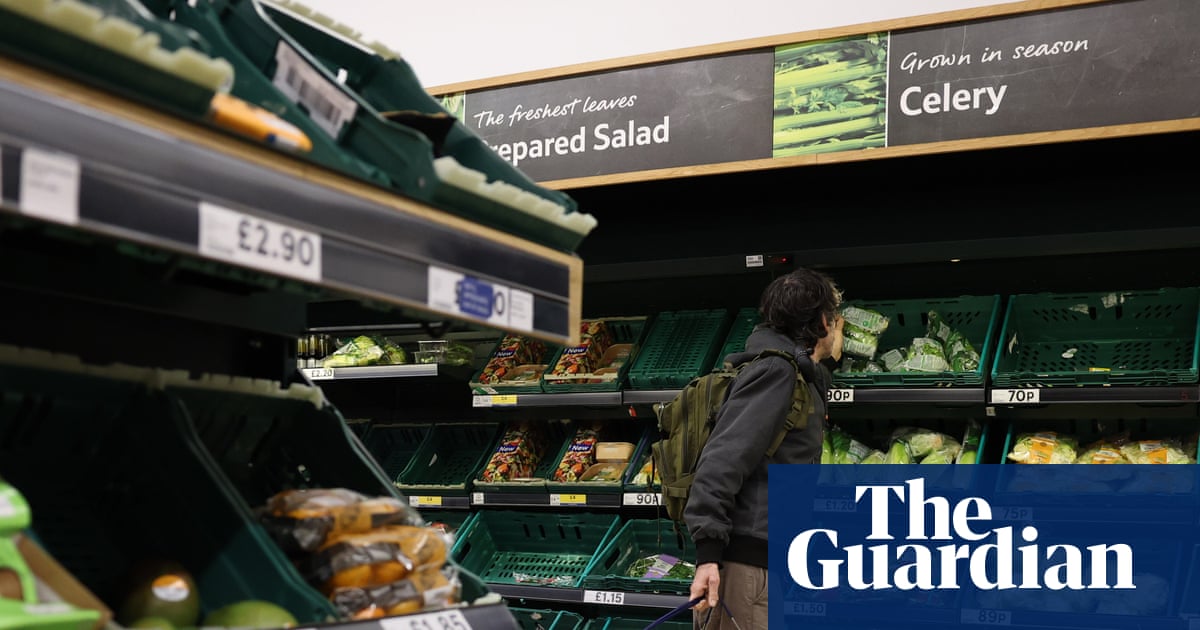
Households in the UK should prepare for severe winter weather, including snow, strong winds, and potential power outages this weekend.



#energy-crisis




Agriculture
fromLondon Business News | Londonlovesbusiness.com
3 weeks agoBrits warned supermarket shelves could be left empty as war drives energy costs - London Business News | Londonlovesbusiness.com
UK supermarket shelves face potential empty stock within weeks due to rising energy costs from Iran conflict pressuring glasshouse vegetable producers to halt operations.
#middle-east-conflict
World politics
fromRealagriculture
2 days agoFrontlines: Escalation in Iran conflict could trigger pandemic-level disruption to global economy
Escalating Middle East conflict threatens global energy flows, economic stability, and Canadian agriculture and trade.

fromwww.aljazeera.com
2 weeks agoBerlin food
UN warns of record hunger, 45 million more at risk, if Iran war continues
Continued Middle East conflict through June could push 45 million additional people into acute hunger, reaching a record 319 million globally, due to shipping cost increases and humanitarian aid route disruptions.

World news
fromIrish Independent
1 day agoEU warns it's 'preparing for worst scenarios' and assessing 'all possibilities' including fuel rationing as energy crisis deepens
Tehran plans to charge for passage through the Strait of Hormuz, aiming to ensure safe navigation amid rising tensions with the US.
fromTruthout
4 days agoLow-Income Moms Struggle to Keep Their Families Afloat Amid Gas Price Increases
Luna Rosado, a single mother, has seen her gas expenses rise by $40 weekly due to a 30 percent increase in prices after the war in Iran. This has resulted in $160 less for groceries and other necessities each month, forcing her to constantly adjust her budget.
Washington DC
fromwww.mediaite.com
5 days agoBad News All Around!' Fox Business Host Stunned By Highly Inflationary' Prices in Total Bummer of an Economic Analysis
High energy prices are kryptonite for the housing market. Affordability, especially for those first-time home buyers, is now an elusive dream until oil prices come down and interest rates come down.
SF real estate
#food-security
Europe politics
fromwww.theguardian.com
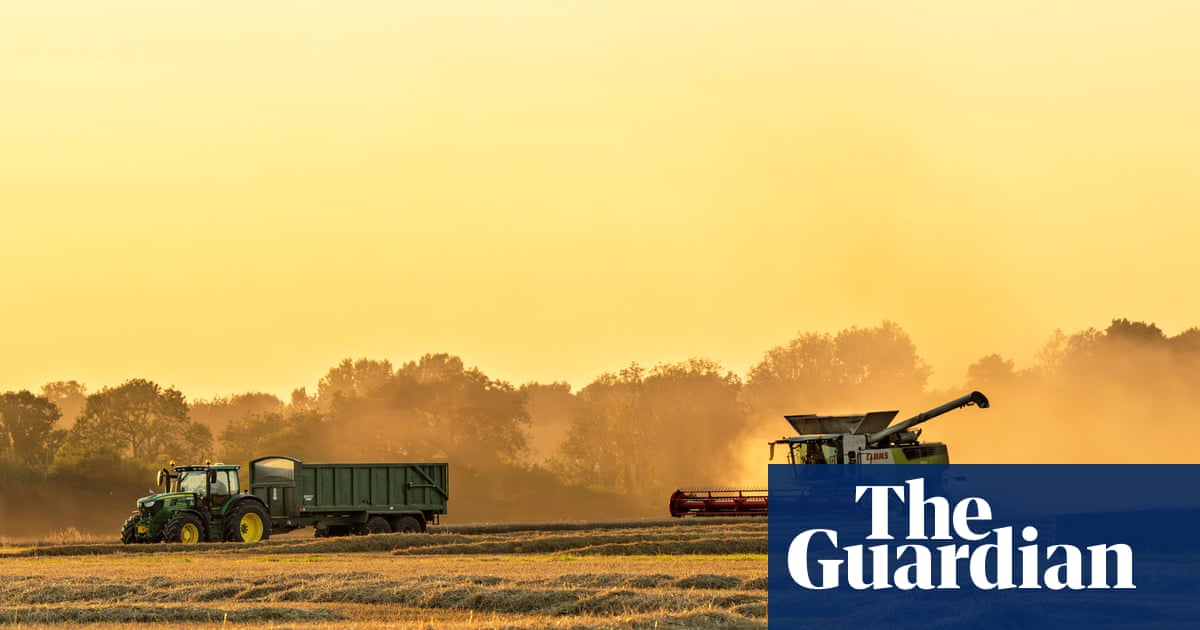
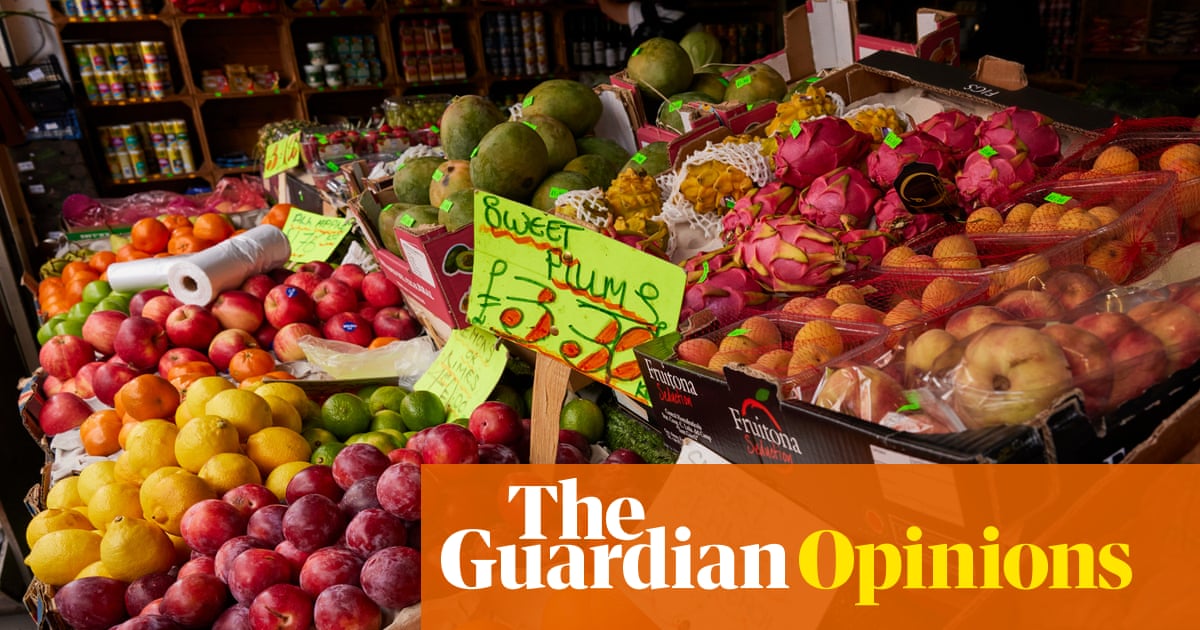
4 weeks agoUK must stockpile food in readiness for climate shocks or war, expert warns
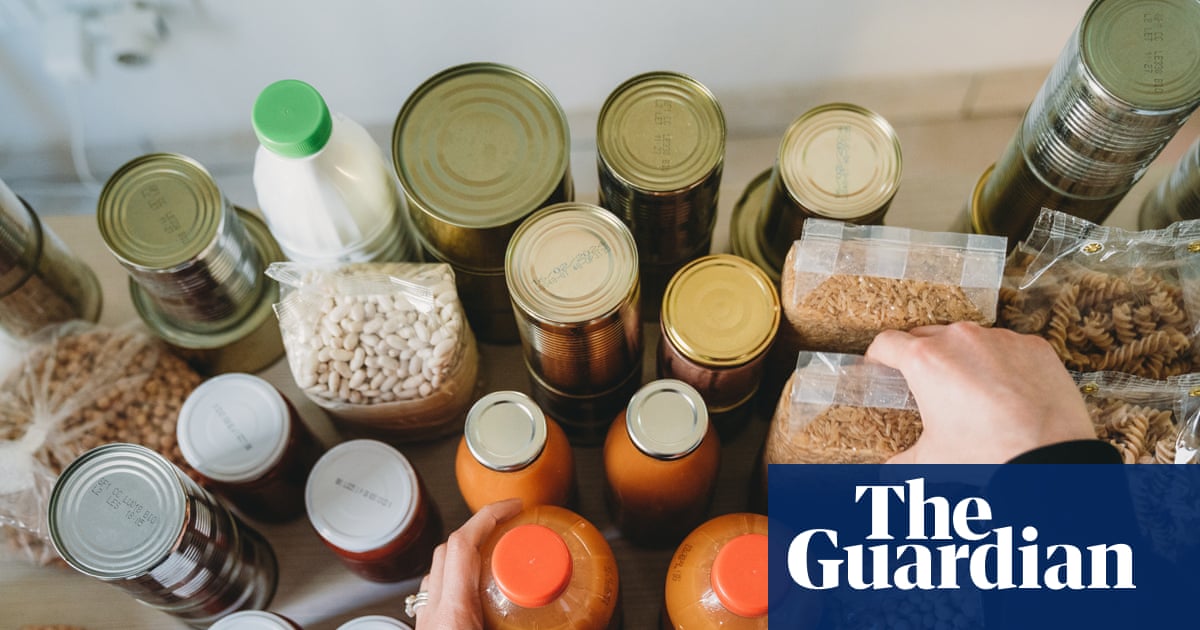
The UK should stockpile food due to low self-sufficiency at 54%, making it vulnerable to climate shocks and wars, unlike other wealthy nations that maintain emergency reserves.
Alternative transportation
fromwww.theguardian.com
5 days agoManila's transport workers struggle to make ends meet as Philippines feels force of oil crisis
Rising fuel prices are severely impacting tricycle drivers in Manila, leading to financial struggles and public protests against the government's response.
fromwww.businessinsider.com
21 hours agoYour produce bill is about to get pricey as the Iran war jacks up US food costs
"Fresh food and perishables are almost like the canary in the coal mine," when energy prices go up, according to Vidya Mani, an associate professor at the University of Virginia's Darden School of Business.
Agriculture
UK politics
fromLondon Business News | Londonlovesbusiness.com
5 days agoUK faces cost-of-living crisis as Iran war drives food and fuel prices higher - London Business News | Londonlovesbusiness.com
Household costs in Britain are set to rise sharply due to increased fuel, energy, and food prices amid the ongoing conflict in Iran.
fromwww.theguardian.com
2 weeks agoWomen and girls bearing brunt of water shortages globally, UN warns
Women are responsible for collecting water in more than 70% of rural households that do not have access to mains water across the developing world. Women and girls collectively spend 250m hours a day collecting water globally. The climate crisis is exacerbating the problem, according to a new report from the UN.
Women


World politics
fromwww.theguardian.com
3 days agoA third inflationary shock in less than a decade is coming: who will pay the price this time around? | Aditya Chakrabortty
Daniel Yergin highlights the vulnerability of global oil supplies through the Strait of Hormuz and the consequences of military actions against Iran.
fromwww.cbc.ca
2 weeks agoCanada was prepared to ration gas in the 1979 oil crisis. Could we be running on fumes once again? | CBC News
Canada prepared 50-litre gasoline rationing stamps in 1979 amid the oil crisis, though ultimately did not circulate them. A national rationing system would have allowed essential services like ambulances and farmers to get priority access to gas.
Canada news
fromwww.theguardian.com
1 week agoTrump provides new aid for farmers and food suppliers amid Iran war
From Minnesota to Mississippi we're lifting up our hard working farmers and ranchers and growers and we're putting more money in American pockets. We're going to prove that the golden age of American agriculture is right here and right now.
Agriculture
Agriculture
fromLondon Business News | Londonlovesbusiness.com
1 week agoFarmers hit by diesel and fertiliser shock as Iran war threatens fresh food inflation - London Business News | Londonlovesbusiness.com
Britain's farmers face a cost crisis due to soaring fuel and fertiliser prices, raising concerns about food inflation.
World news
fromwww.aljazeera.com
3 weeks agoHunger is looming over Yemen, urgent action is needed
Yemen faces its worst food security crisis since 2022, with 18 million people projected to face worsening food insecurity in early 2026, and famine conditions expected to emerge in four districts within two months.
fromwww.aljazeera.com
2 weeks agoHow do I survive?' Drought plagues Kenya's Turkana amid surplus elsewhere
In Turkana, the land is rugged, roads disappear into dust, and villages are scattered across vast distances in a county of just more than a million people. Despite it being the rainy season, weather experts warn that Turkana and other arid regions may receive little relief. Authorities say drought is once again taking place, with 23 of Kenya's 47 counties affected.
Agriculture
Agriculture
fromwww.dw.com
3 weeks agoIran war could spark the next global food crisis
The Iran conflict threatens global food security by disrupting fertilizer exports from the Gulf, which supplies nearly half of world-traded urea and 20% of key fertilizers, risking crop yields for nitrogen-dependent staples.
fromwww.aljazeera.com
2 months agoSudan food aid at risk of running dry, UN warns
Food aid to war-torn Sudan could run out within months unless hundreds of millions of additional dollars are pledged, the United Nations has warned. Marking more than 1,000 days of the country's civil war, the UN's World Food Programme on Thursday issued a plea for $700m to fund its work in Sudan. The money is needed to prevent what it says is already the world's worst hunger and displacement crisis from getting worse.
World news


fromTruthout
2 months agoIn Gaza, We're Struggling to Reintroduce Foods to Bodies Adjusted to Starvation
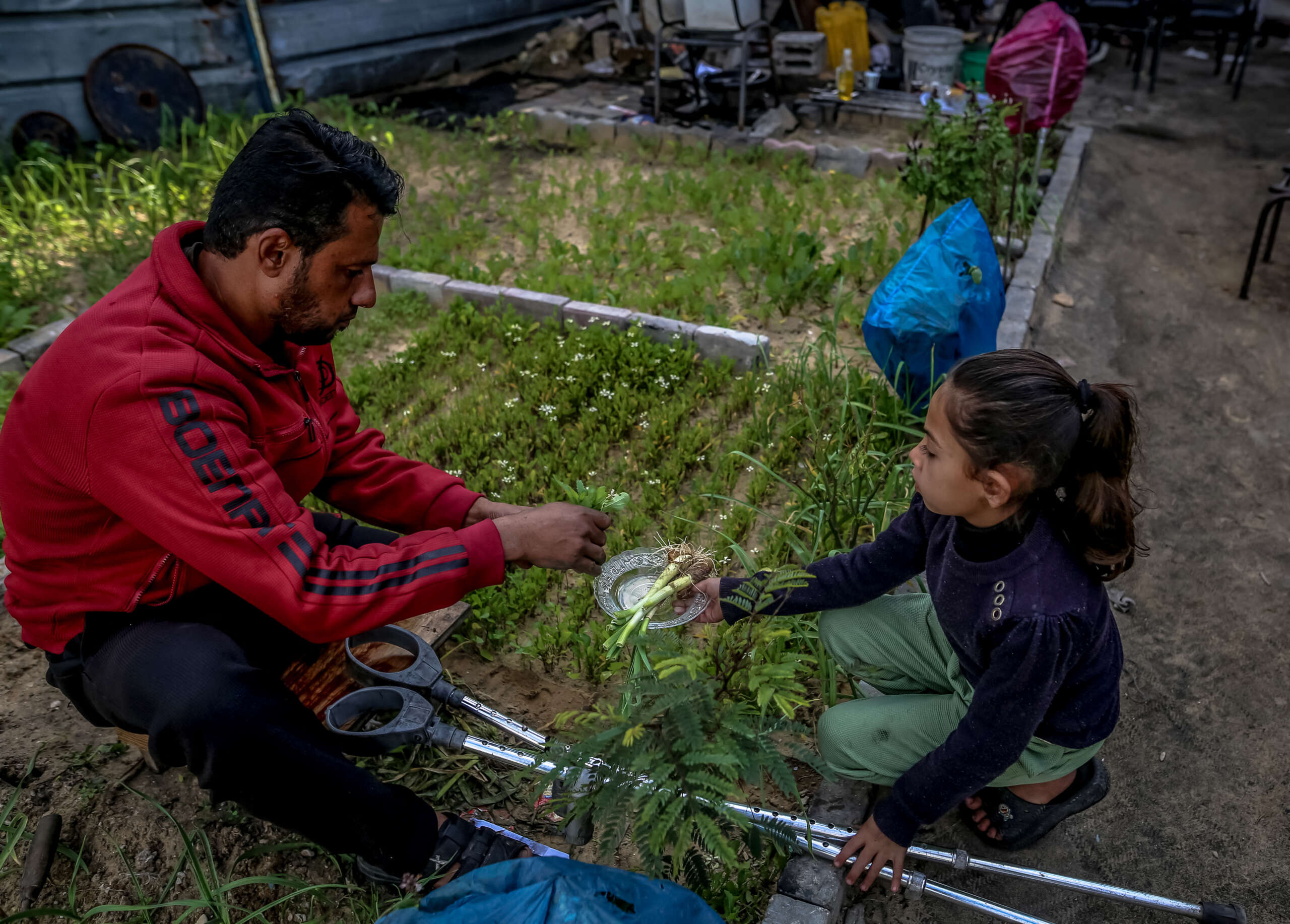
Since October's ceasefire, which meant Israel would allow some - but not nearly enough - aid trucks to enter our besieged Strip, people in Gaza have desperately been eating, whenever possible, what they had been deprived of previously. Yet, as a result, many have developed " refeeding syndrome," which is a serious medical condition. Refeeding syndrome occurs when food is suddenly reintroduced after a prolonged period of starvation - and Israel has subjected those of us in Gaza to such periods on multiple occasions.
World news
[ Load more ]