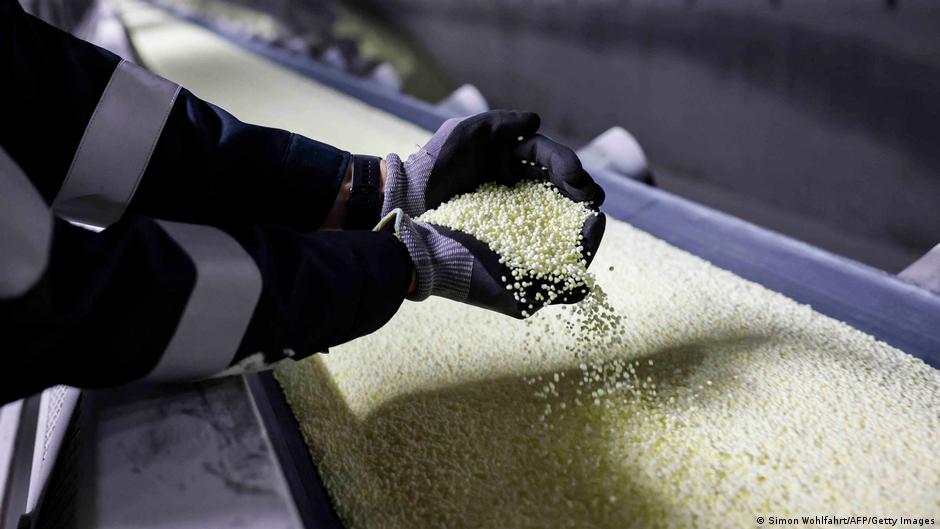
"Gulf nations account for 20% of global traded volumes of key fertilizers such as ammonia, phosphates and sulfur, data from the maritime intelligence company Signal Group show. Nearly half the world's traded urea—the most widely used nitrogen fertilizer—comes from the Gulf region, with Qatar accounting for one-tenth of the global supply, according to Bloomberg Intelligence."
"According to UNCTAD, the United Nations agency that helps developing nations integrate into the global economy, about 1.33 million tons of fertilizer are exported through Hormuz every month. So a 30-day closure of the strait could be enough to trigger shortages and yield risks for nitrogen-dependent crops like corn, wheat, and rice."
"The compounding effects of the Iran war threaten the third major risk to global food security in six years, after the COVID-19 pandemic and Moscow's seizure of farmland and ports used to export Ukrainian grain at the start of Russia's war in Ukraine in 2022."
The Strait of Hormuz carries critical fertilizer exports alongside oil and LNG, with Gulf nations supplying 20% of global traded fertilizers and nearly half of world urea production. Qatar alone provides one-tenth of global urea supply. Iranian strikes on Ras Laffan, the world's largest LNG and fertilizer hub, halted QatarEnergy production, sidelining hundreds of thousands of tons of fertilizer nutrients. Approximately 1.33 million tons of fertilizer transit through Hormuz monthly, making a 30-day closure sufficient to trigger shortages affecting nitrogen-dependent crops like corn, wheat, and rice. This represents the third major food security threat in six years, following COVID-19 and Russia's Ukraine invasion. Higher fertilizer prices will force farmers to choose less nutrient-intensive crops, reducing yields.
#fertilizer-supply-chain #strait-of-hormuz #global-food-security #iran-conflict #agricultural-economics
Read at www.dw.com
Unable to calculate read time
Collection
[
|
...
]