#energy-crisis
#energy-crisis
[ follow ]
#middle-east-conflict #iran #strait-of-hormuz #oil-prices #iran-war #inflation #us-iran-relations #global-economy
fromwww.thelocal.se
4 days agoSweden's government announces 17.5 billion kronor energy crisis package
The package, announced in a press conference on May 13th, includes reduced tax on petrol and diesel as well as state support for cheaper public transit. The aid package of 17.5 billion kronor is due to the global energy crisis. "The reason we are doing this is obvious," said Finance Minister Elisabeth Svantesson of the Moderates. "The war in Iran is affecting the economy of Sweden and the Swedes. It is also the worst global energy crisis we have seen."
Europe news
fromwww.theguardian.com
5 days agoPublic health at risk across Asia as price of gas for cooking soars
As the unforgiving summer heat soared above 40C, she had walked for miles, piling the sticks and fallen branches into a bundle on her head while sweat ran down her face. Just a few weeks ago, the 35-year-old had been preparing meals for her four children on a small gas stove with little fuss. But as the crisis in the Middle East has choked India's vital supplies of imported liquefied petroleum gas (LPG) used by more than 60% of the country's population for cooking refills have been scarce and prices have risen far beyond what is widely affordable.
Environment
#oil-prices
World politics
fromLondon Business News | Londonlovesbusiness.com
1 month agoMarkets rattle as Middle East tensions spark oil surge and investor nerves - London Business News | Londonlovesbusiness.com
Escalating Middle East tensions caused a surge in oil prices and a sell-off in equities, raising fears of an energy crisis.
World news
fromwww.aljazeera.com
1 week agoCan Asian economies cope with the fallout from the Iran war?
Asian economies face severe strain from energy crisis, inflation, and debt as Strait of Hormuz disruption drives oil prices higher, forcing governments to implement rationing, subsidies, and spending cuts.
fromwww.theguardian.com
1 week agoBoth left and right are deluding themselves about the scale of the energy crisis Britain faces | Ewan Gibbs
The roots of the crisis lie in a succession of choices made between the 1980s and 2010s, when British governments eschewed concern over control and ownership of our energy supplies. Selling coal to Newcastle went from an idiom meaning a pointless action to a commercial reality as Britain privatised its strategic energy industries, decimated domestic capacity and opened up to the international market.
Miscellaneous
fromwww.theguardian.com
1 week agoClimate campaigners attack Shell over windfall' profits from Iran war
Shell's chief executive, Wael Sawan, said the company's profits were gained through its relentless focus on operational performance in a quarter marked by unprecedented disruption in global energy markets. The disruption to oil and gas flows through the strait of Hormuz caused the international crude price to climb from about $61 a barrel in January to highs of $119 at the end of March.
Europe news
fromwww.theguardian.com
1 week agoTotally grounded? How the jet fuel crisis could change our holidays and world history
While 41% of European aviation fuel goes through the strait of Hormuz, market analysts showed global shipments of jet fuel and kerosene fell below 2.3 million tonnes last week, the lowest level on record. The world uses about 100 million barrels of oil a day, most of it from oilfields, with about 15 million barrels a day typically passing through Hormuz.
Europe news



#uk-economy


UK news
fromLondon Business News | Londonlovesbusiness.com
2 weeks agoMiddle East crisis to wipe 35bn from UK economy even in best-case scenario - London Business News | Londonlovesbusiness.com
The Middle East energy shock could reduce the UK economy by £35bn over two years, risking recession and prolonged inflation.
London startup
fromLondon Business News | Londonlovesbusiness.com
2 weeks agoBorrowing costs surge as gilt yields breach crisis-era levels amid oil shock fears - London Business News | Londonlovesbusiness.com
The ongoing Strait of Hormuz standoff is raising energy concerns and impacting global economies, leading to higher borrowing costs and potential interest rate hikes.
#us-iran-relations




World news
fromFortune
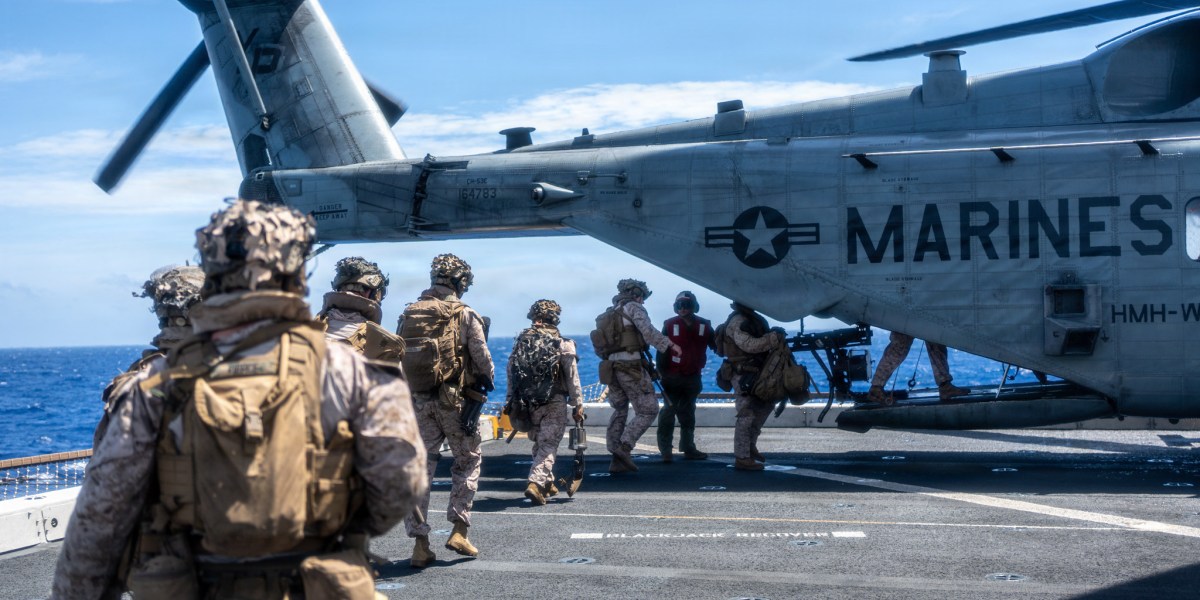
4 weeks agoThe U.S. is ready to seize Iran-linked ships with boarding parties, report says, while Marines practice maritime raids | Fortune
The fragile ceasefire between the U.S. and Iran deteriorated, escalating tensions in the Strait of Hormuz and impacting global shipping and energy markets.
World news
fromFortune
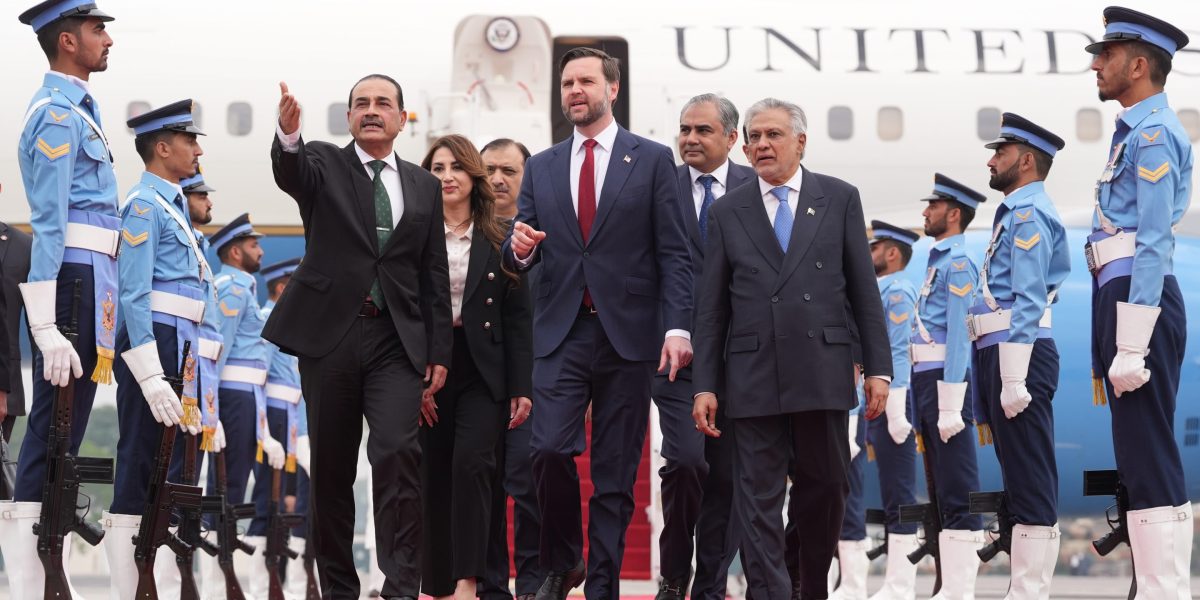
1 month agoJD Vance begins talks with Iran in Pakistan while Trump claims U.S. has begun 'clearing out' the Strait of Hormuz | Fortune
Negotiations between the U.S. and Iran have begun in Pakistan amid a fragile ceasefire, focusing on reducing Israeli strikes and addressing Iranian demands.


Europe news
fromLondon Business News | Londonlovesbusiness.com
3 weeks agoRussia is set to shut a key oil pipeline in a fresh blow to Europe's energy security - London Business News | Londonlovesbusiness.com
Moscow plans to close the Druzhba pipeline, threatening oil supplies to Europe amid rising energy pressures from the Iran conflict.

fromLondon Business News | Londonlovesbusiness.com
3 weeks agoMotorway speed cut urged as experts warn fuel shock could strain supplies - London Business News | Londonlovesbusiness.com
"Fuel use increases significantly at higher speeds, so even a relatively small reduction can result in noticeable savings," he stated. He added that lowering motorway speeds could improve fuel efficiency by around 10%, depending on the vehicle.
Alternative transportation


frominsideevs.com
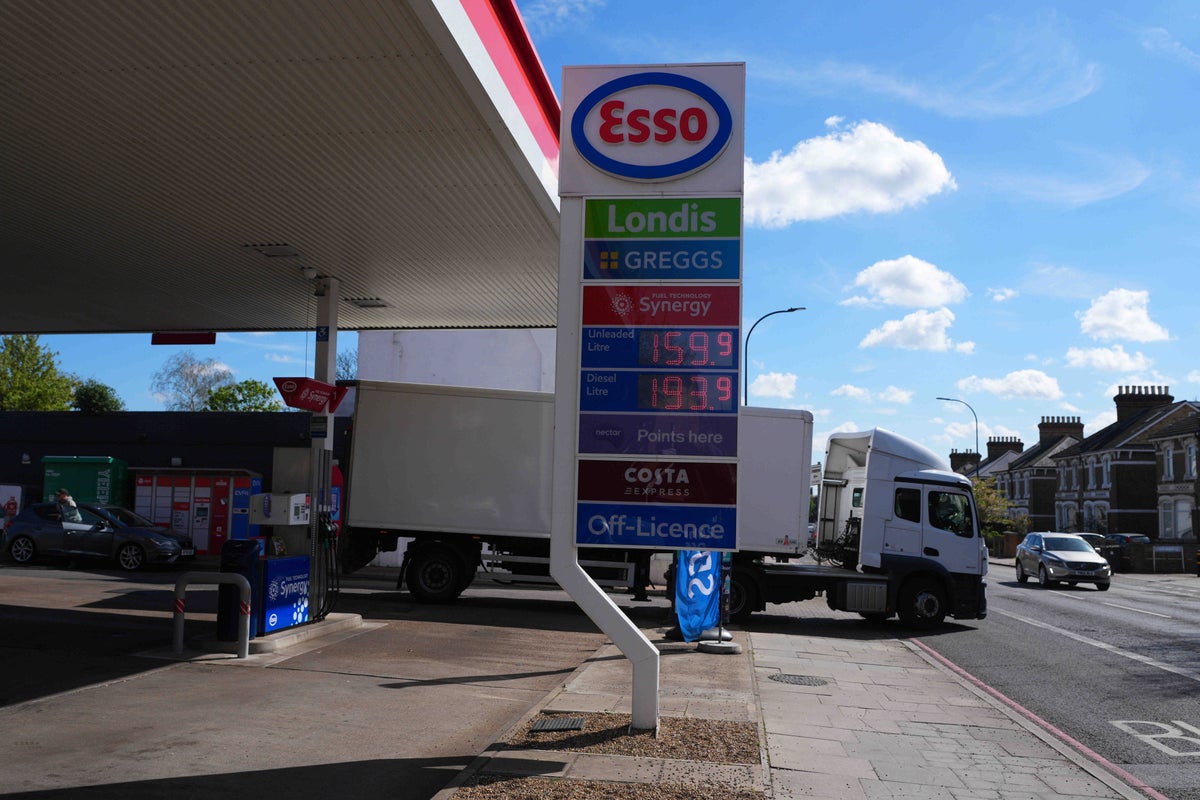
1 month ago40% Growth: How High Gas Prices Are Helping Hyundai Sell More EVs
"We have seen a significant change in the dynamic. So definitely, when the American consumer sees an increase in fuel prices they try to move to solutions which are more friendly in terms of cost, especially in states like California."
Cars
fromwww.aljazeera.com
1 month agoJet fuel shortage: Why Iran war could ground flights in Europe
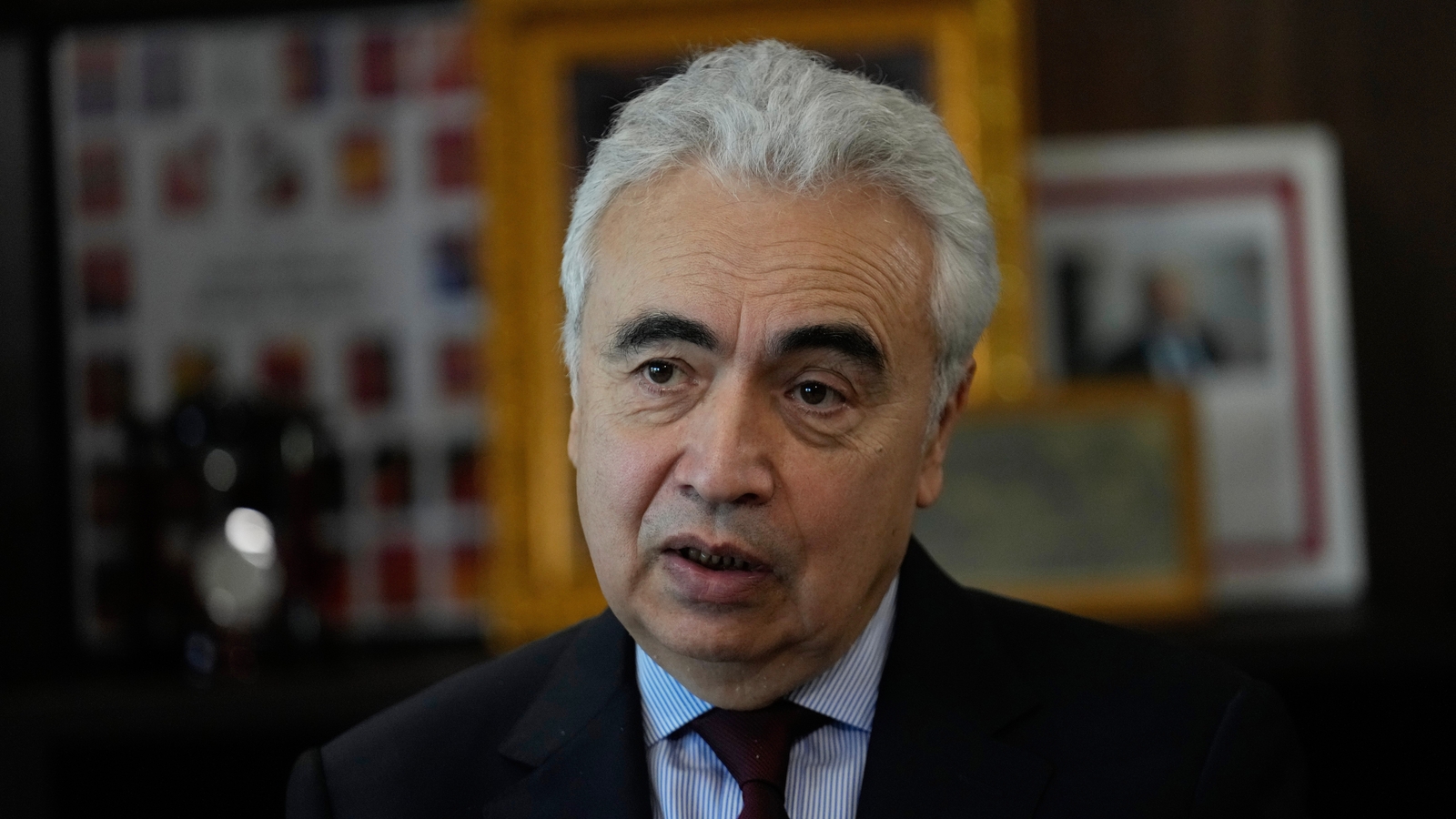
Fatih Birol, head of the International Energy Agency, stated that Europe has maybe six weeks or so of jet fuel left, warning of possible flight cancellations soon if oil supplies remain halted by the war.
Europe news
Europe news
fromLondon Business News | Londonlovesbusiness.com
1 month agoIEA warns Europe has 'maybe six weeks or so of jet fuel left' - London Business News | Londonlovesbusiness.com
Europe may face flight disruptions due to jet fuel shortages linked to ongoing conflicts, with only six weeks of supply remaining.
fromwww.mediaite.com
1 month agoTop Trump Economic Aide Predicts Zero Inflation If Iran War Resolves Itself Somehow'
Hassett acknowledged that grocery prices have improved, but electricity prices remain high, along with health insurance and airline fares, indicating ongoing inflationary pressures.
US politics
[ Load more ]