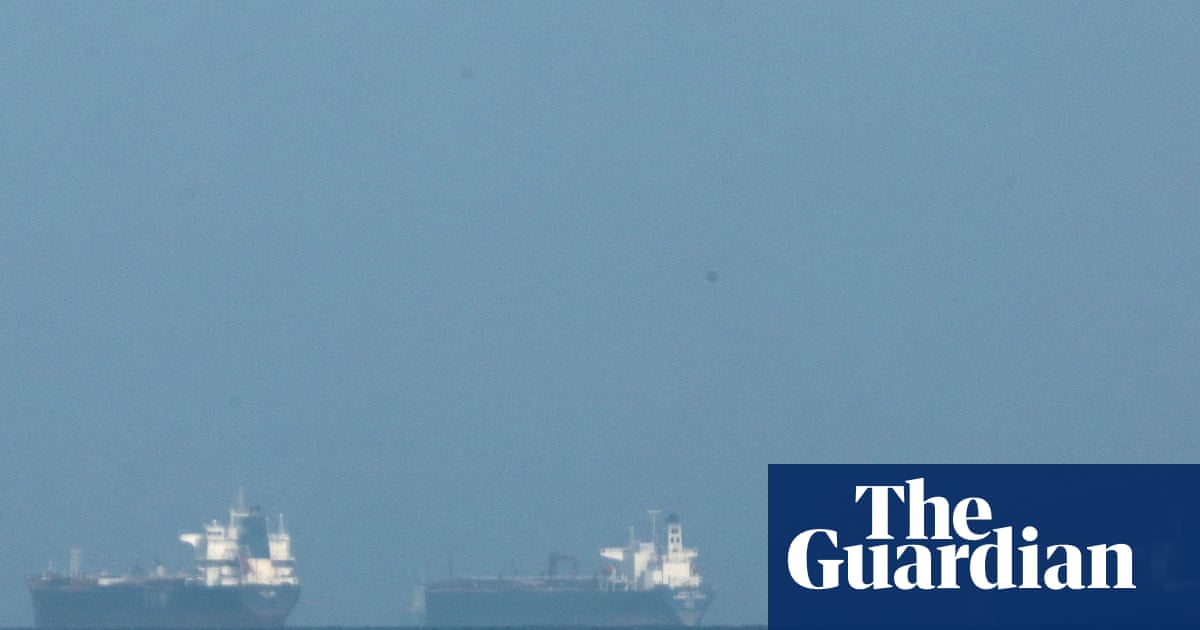
The effective closure of the Strait of Hormuz following US and Israeli attacks threatens global food security through fertilizer supply disruption. Between 25-33% of global raw materials for fertilizer transit through this waterway, along with significant crude oil and gas volumes. The blockage directly impacts ammonia and nitrogen transport, critical components in synthetic fertilizers. Since roughly half of global food production depends on synthetic nitrogen, shortages will increase prices for staples like bread, pasta, and potatoes, plus animal feed costs. Iran ranks fourth globally in urea exports. Gulf fertilizer production faces additional pressure from fossil gas plant shutdowns, as gas comprises 60-80% of nitrogen fertilizer production costs. Egyptian urea prices have surged over 25% to $625 per metric tonne, echoing 2022 price spikes following Russia's Ukraine invasion.
"Between a quarter and a third of the global trade in the raw materials for fertiliser passes through the strait, as well as a fifth of seaborne crude oil and gas. The de facto closure of the strait is affecting the transport of ammonia and nitrogen, which are key ingredients in many synthetic fertiliser products."
"Roughly half of global food production depends on synthetic nitrogen and crop yields would fall without fertiliser. The resulting shortages would push up the prices of household staples such as bread, pasta and potatoes, and make animal feed more costly."
"Fossil gas represents between 60% and 80% of the production cost of nitrogen fertiliser. The global nitrogen supply is expected to be further knocked by shutdowns of fossil gas plants in the Gulf."
#strait-of-hormuz-closure #fertilizer-supply-chain-disruption #food-security-crisis #nitrogen-fertilizer-shortage #commodity-price-inflation
Read at www.theguardian.com
Unable to calculate read time
Collection
[
|
...
]