#fishing-incident
#fishing-incident
[ follow ]
#climate-change #fishing-industry #marine-conservation #california #seafood #environmental-impact #gray-whales

fromTasting Table
1 day agoThe Giant Company Behind McDonald's Fish (Supplying 15 Million Pounds Per Year) - Tasting Table
Keystone Foods oversees the sourcing of 150 million pounds of beef and 300 million pounds of chicken for McDonald's restaurants, in addition to the fish for the Filet-O-Fish.
SF food
fromSFGATE
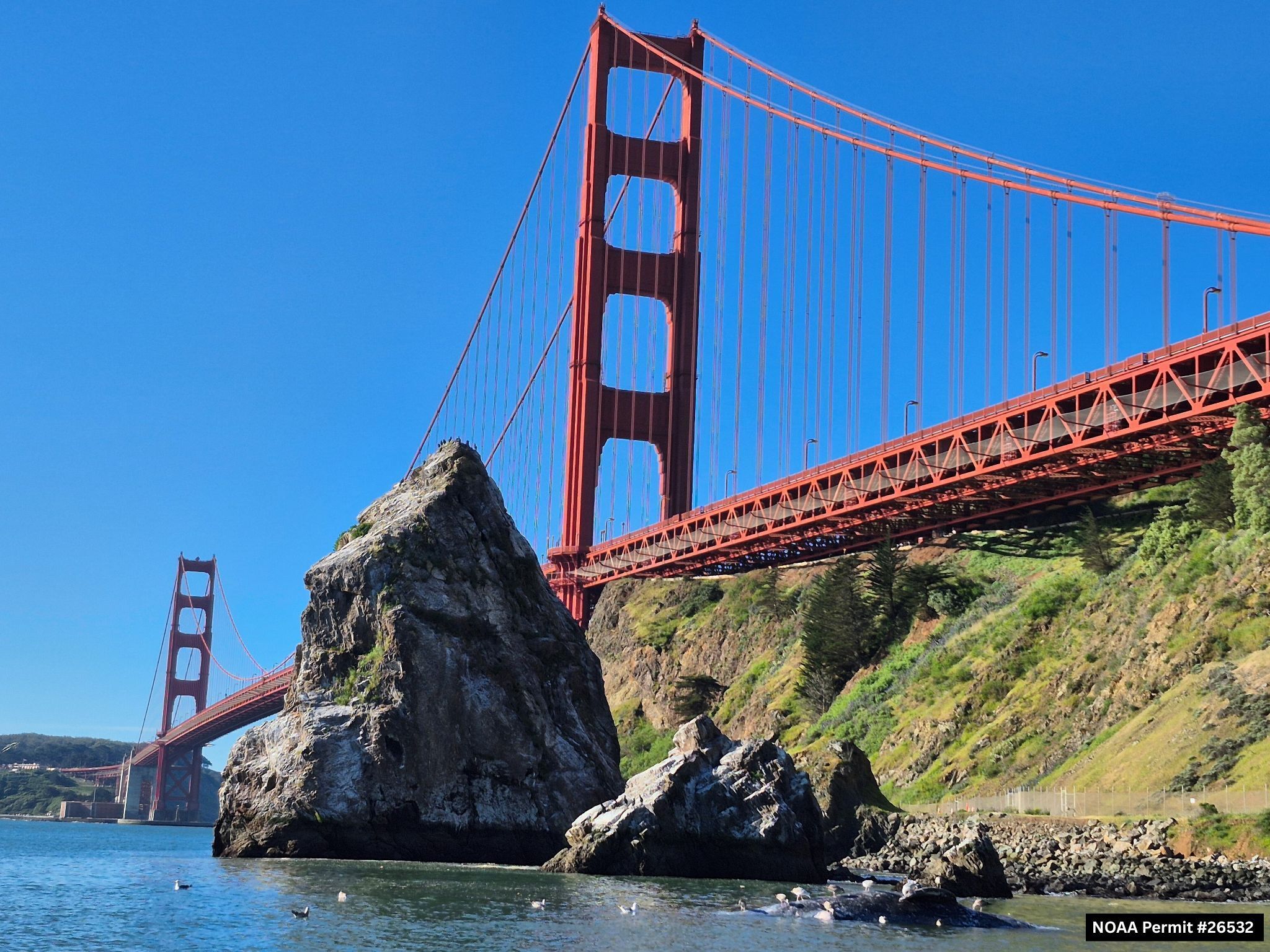
2 weeks agoSeabirds are dying in large numbers along California beaches
"They didn't even try to fly away. They just feebly made noise," a woman told the Santa Barbara Independent on Saturday after spotting over two dozen dead or dying cormorants near Goleta Beach. "A few were on their stomachs, wings spread [and] gasping for breath.... Heartbreaking."
Miami Marlins
fromArs Technica
3 weeks agoHow new fishing tech can reduce bycatch of turtles and other creatures
"There are not very many conservation issues that I'm aware of where industry and conservationists and consumers and the fishermen and the resource users all want the same thing. Every stakeholder wants less bycatch."
Pets
fromQNS
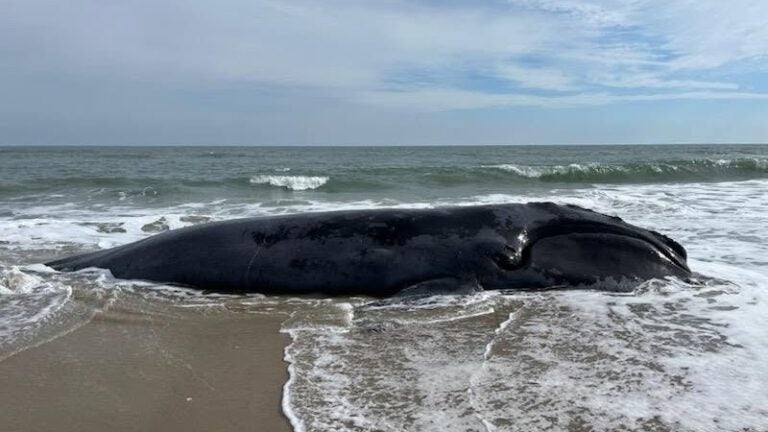
5 days agoExperts explain what happens to beached whales in the Rockaways - QNS
"When a whale washes up on the beach like that, we work with different organizations to decide what the best course of action is," said Atlantic Marine Conservation Society (AMSEAS) Chief Scientist Robert DiGiovanni, who was tasked with processing the whale. "Every stranding has a unique set of circumstances."
OMG science

fromBoston.com
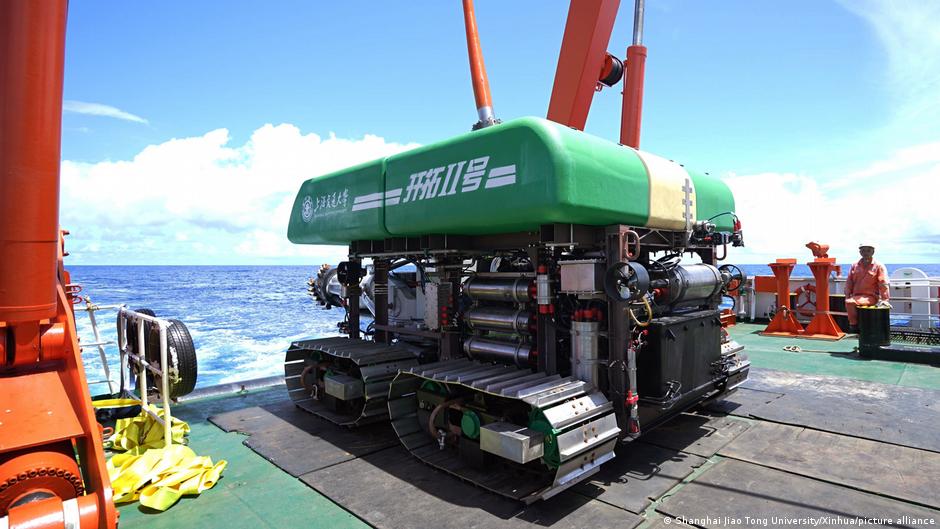
1 month agoMaine's catch of lobster declines again as high costs and climate change impact industry
The haul of lobsters, Maine's best known export and a key piece of the state's identity and culture, has declined every year since 2021, and some scientists have cited as a reason warming oceans that spur migration to Canadian waters.
Miscellaneous
Canada news
fromwww.theguardian.com
1 month agoWe thought we were doomed': Canadian fishers in dramatic rescue after ice shelf floats away
Unseasonably warm weather and strong winds detached a large ice sheet in Lake Huron, stranding 23 ice fishers who were rescued by helicopters after a two-hour operation.
World politics
fromwww.aljazeera.com
1 month agoAdvocates push for major probe as US boat strikes in Latin America kill 157
The Inter-American Commission on Human Rights will hold its first hearing on alleged US extrajudicial killings during military strikes against suspected drug-smuggling boats in the Caribbean and eastern Pacific that began in September, with nearly 157 people killed and minimal public information released.

Miscellaneous
fromwww.theguardian.com
1 month agoHow the Galapagos of west Africa' is plundered by floating fish factories
Industrial fishing vessels illegally exploit sardinella stocks at the boundaries of Guinea-Bissau's protected Bijagos archipelago, threatening local fishers and endangered wildlife dependent on this critical food source.

fromArs Technica
1 month agoFishing crews in the Atlantic keep accidentally dredging up chemical weapons
Recovered CWMs continue to pose worker and food safety risks. Because of ocean drift, storms, and offshore industries, sea-disposed CWMs locations are largely unknown and potentially far from their originally documented dump site. The three incidents exposed at least six crew members to mustard agent, which causes blistering chemical burns on skin and mucous membranes.
Miami Marlins
fromTasting Table
2 months agoWhen Buying Seafood, It's A Major Red Flag If You Can't Find These Certifications On The Packaging - Tasting Table
Consumers must be aware that seafood fraud, in which vendors label cheaper fish as products of higher quality and price, is common practice. According to Oceana, fish is mislabeled 25 to 70% of the time, especially when it comes to prized fish like wild salmon and Atlantic cod. Those of us who care about the environment are also concerned with traceability,
Food & drink
fromenglish.elpais.com
2 months agoSharks become easy prey for criminal groups
In February 2023, an article in the Mexican press announced the capture of a vessel some 195 nautical miles from the port of Lazaro Cardenas in the state of Michoacan. It had been carrying nearly 700 pounds of cocaine packaged in plastic-wrapped bricks, in addition to 1,650 liters of hydrocarbons in 33 plastic containers. Two Ecuadorian fishermen were among the five detainees, and their immigration records showed unusual activity.
Law
fromwww.aljazeera.com
3 months ago'Inevitably difficult'
On September 14, Alejandro Carranza, a 42-year-old fisherman, set out to sea from a remote town in La Guajira, Colombia's northernmost province, bordering Venezuela. It was an ordinary fishing trip, in search of tuna and marlin, said Leonardo Vega, a childhood friend and the president of the fishing association Carranza belonged to. But this time, Carranza never returned.
World news
Food & drink
fromTasting Table
2 months agoKeep An Eye Out For This Seafood-Label Red Flag At The Grocery Store - Tasting Table
Check seafood for off smell or color, suspicious price, unsanitary displays, additives like phosphates, mislabeling, and proper certifications to avoid poor-quality or fraudulent seafood.
fromABC7 Los Angeles
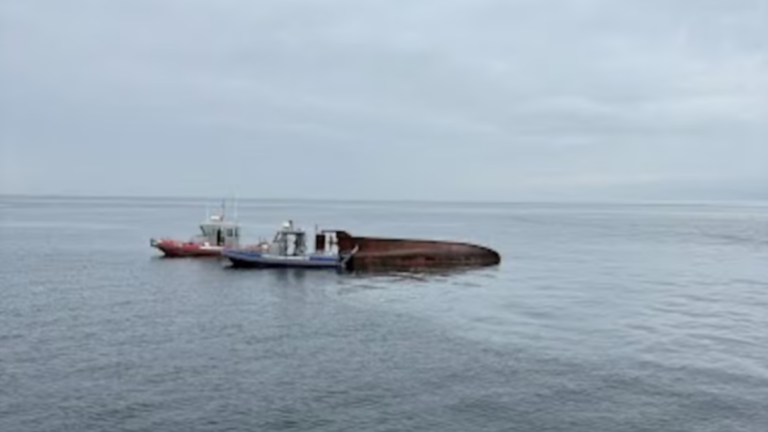
2 months agoCoast Guard suspends search for people missing from fishing vessel that sank off Massachusetts
The Coast Guard launched a search and rescue mission early Friday after receiving an alert from the 72-foot Lily Jean about 25 miles off Cape Ann. Searchers found a debris field near where the alert was sent along with a body in the water and an empty life raft, the Coast Guard said. Crews covered about 1,000 square miles (2,589 square kilometers) using multiple aircraft, cutters and small boats over a 24-hour period.
US news
fromSFGATE
2 months agoBody of California fisher found days after he was lost at sea
Maximo Macanas, a McKinleyville resident, was discovered by a local sport vessel on Tuesday, according to a Facebook post by the Del Norte County Sheriff's Office. He was pronounced dead by the county coroner's office on Tuesday afternoon. Macanas was fishing with a friend and his children at the Klamath River near 4351 Klamath Beach Road when he was swept away Saturday afternoon by what the Del Norte County Sheriff's Office described as a sneaker wave,
California
Miscellaneous
fromwww.theguardian.com
1 month agoIt's betrayal': Shetland's scallop fishers brace for arrival of UK's largest salmon farm
Approval of the UK's largest planned salmon farm in Shetland intensifies conflict between local scallop fishers and fish-farm operators over ecological and economic strain.
fromTasting Table
2 months ago7 Of The Biggest Canned Fish Lawsuits Of All Time - Tasting Table
Some of its biggest players, like Bumble Bee Foods, Chicken of the Sea, and StarKist, have been caught up in some pretty big legal issues. We're talking about everything from price fixing to false advertising to a lack of transparency around toxins. One ongoing case even accuses a canned fish giant of turning a blind eye to some serious human rights abuses.
Food & drink
Environment
fromwww.theguardian.com
1 month agoA real dark situation to be in': thousands of starving seabirds stranded in biggest wreck' in a decade
Tens of thousands of seabirds, primarily puffins, have washed ashore across European coastlines due to starvation caused by severe Atlantic storms disrupting their ability to hunt.
Environment
fromABC7 San Francisco
1 month agoTracking fisherman to track fish: The new technological approach to better understand ocean life
Global Fishing Watch uses AIS transponder data and artificial intelligence to track fishing vessels worldwide, providing unprecedented visibility into global fishing fleet movements and activities.
Environment
fromwww.independent.co.uk
2 months agoIn Scotland, the fishing practice of scrapping ocean bottom continues despite promise
Weak enforcement of Marine Protected Areas and widespread permitting of destructive fishing methods are depleting Scotland's inshore fish stocks and damaging seabed habitats.
Environment
fromwww.theguardian.com
1 month agoChronic ocean heating fuels staggering' loss of marine life, study finds
Chronic ocean warming reduces fish biomass by 7.2% per 0.1°C of seabed warming per decade, with marine heatwaves masking long-term decline through temporary population booms in cold-water regions.
fromwww.santacruzsentinel.com
1 month agoFederal deep-sea mining proposal sparks backlash from Santa Cruz County leaders
The resolution, drawn up by 3rd District Supervisor Justin Cummings, states that deep-sea mining remains an unproven, speculative industry with no demonstrated record of safe commercial-scale operation, while existing coastal and ocean economies including fisheries, tourism, recreation, and cultural practices depend upon healthy marine ecosystems that could be jeopardized by seabed mining impacts.
Environment
Environment
fromABC7 San Francisco
1 month agoHere's how newly approved pop-up traps could extend Bay Area crab season: 'A hard-fought battle'
Ropeless pop-up crab traps received statewide approval in California, allowing commercial fishing while reducing whale entanglements and enabling reliable, trackable deployments.
[ Load more ]